About Us

MHB Hydraulic Technology Co., Ltd.

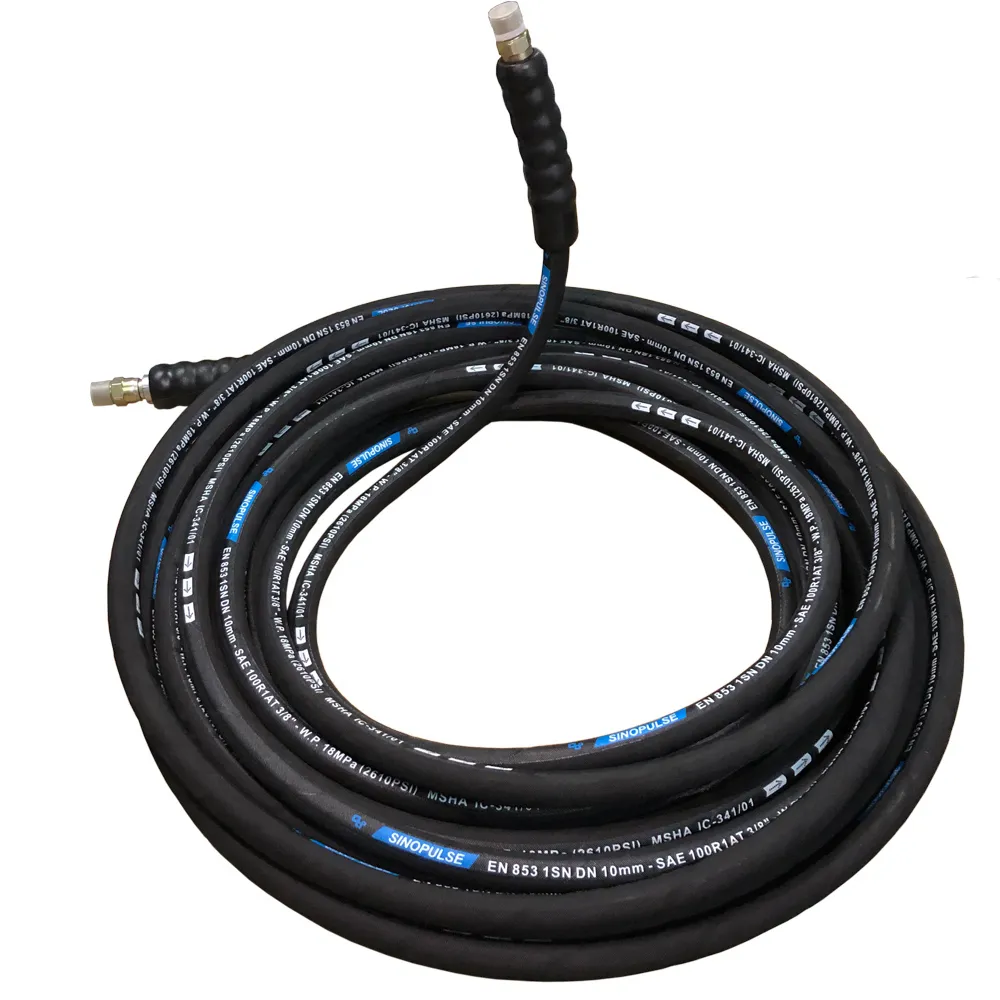
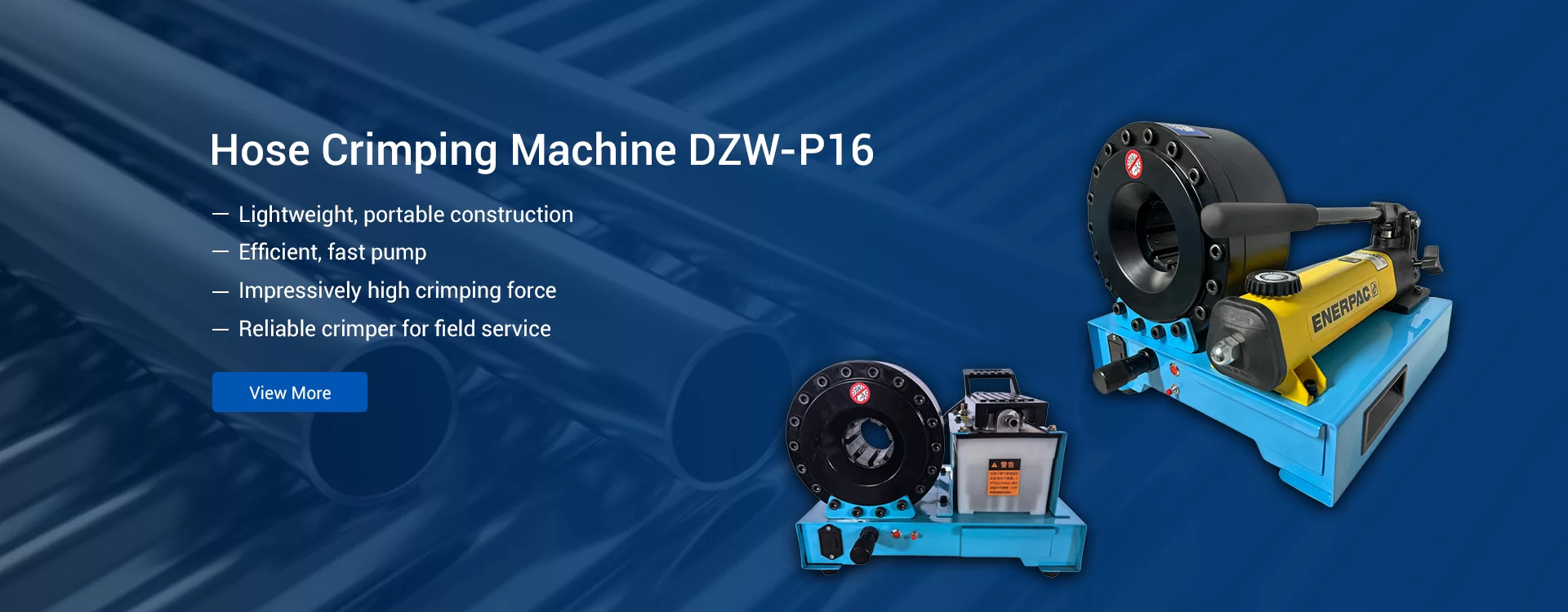
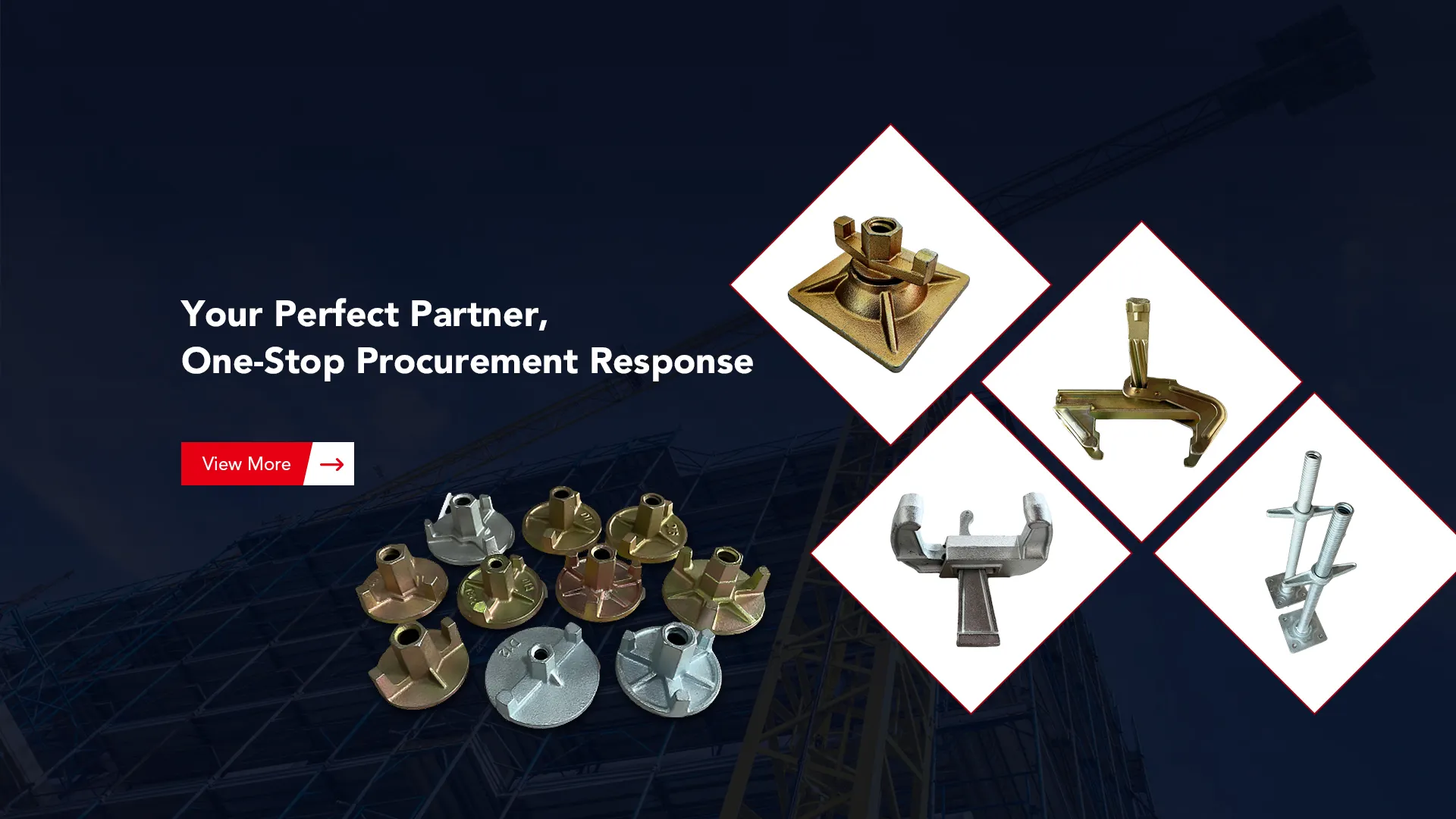
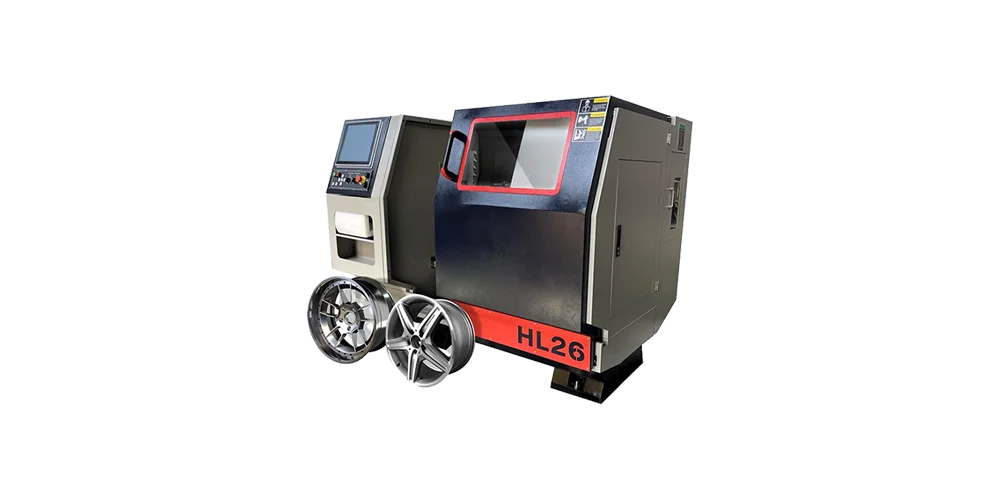
MHB is a leading provider of integrated fluid connection solutions, specializing in high-performance hydraulic hoses and precision hose processing machinery. With a commitment to innovation and engineering excellence, we supply durable products and advanced technical support to customers in over 50 countries across the industrial, mining, and construction sectors.

Why Choose MHB

  • Integrated Solutions

    Integrated Solutions

    One-stop supply of hydraulic hoses, machinery, and fittings for all industrial needs.
  • OEM/ODM Customization

    Customization

    Advanced R&D capabilities to customize products based on your specific pressure and environment requirements.
  • Technical Support

    Global Service

    Expert technical support and instructional guidance for hose assembly and machinery operation.

Latest Blogs

  • The Role of Frozen Meat Slicing Machines in Modern Meat Processing Industry

    4-303-转换自-webp.png

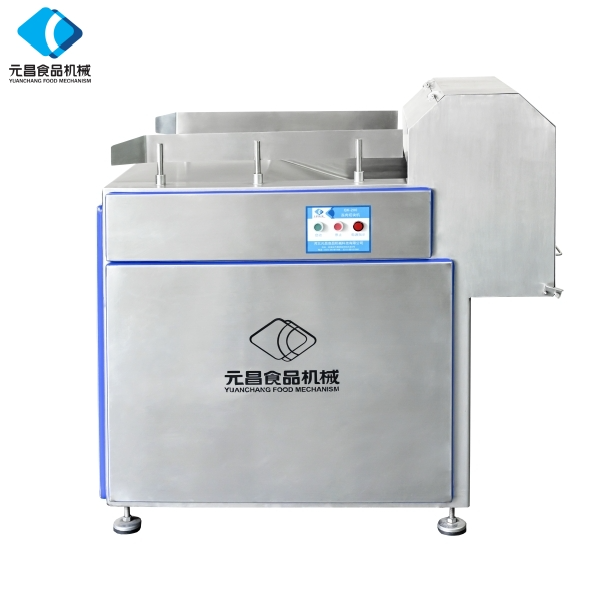
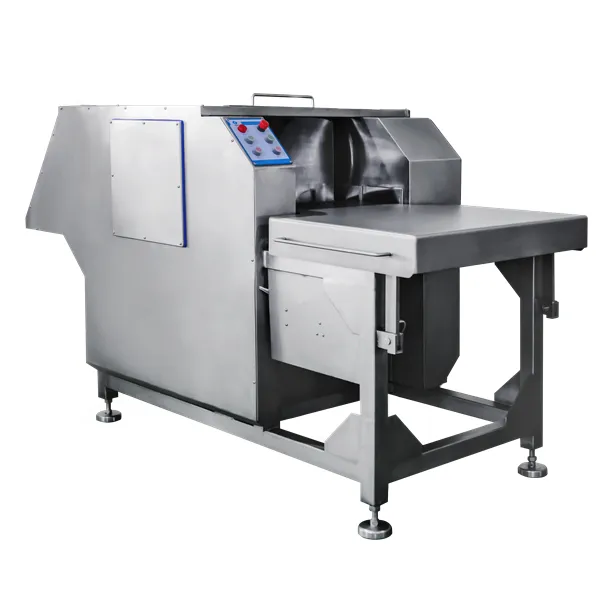
    The meat processing industry has evolved significantly with the advancement of automation and precision machinery. Among the most important innovations is the development of specialized slicing equipment designed to handle frozen meat efficiently. Machines such as the frozen meat slicing machine, frozen meat slicer, commercial frozen meat slicer, frozen meat slicer commercial, and automatic frozen meat slicer have become essential tools in modern food production.

    These machines are widely used in meat processing plants, food service operations, and distribution centers where frozen meat must be sliced quickly and accurately. By improving efficiency, consistency, and hygiene, frozen meat slicing equipment plays a critical role in meeting the growing global demand for processed meat products.

    The Function and Importance of Frozen Meat Slicers

    A frozen meat slicing machine is specifically designed to cut through solid or semi-frozen meat blocks without the need for thawing. This capability offers a major advantage in industrial processing, as it reduces preparation time and minimizes the risk of bacterial growth associated with defrosting.

    The frozen meat slicer operates using high-strength blades and powerful motors that can handle dense, frozen materials. These machines are engineered to maintain precision even under demanding conditions, ensuring that each slice meets exact specifications.

    One of the key benefits of using a commercial frozen meat slicer is consistency. Uniform slices are essential for both processing and packaging. Whether the meat is being prepared for further processing, retail packaging, or food service applications, consistent thickness ensures better cooking performance and product presentation.

    In addition, frozen slicing helps preserve the structural integrity of the meat. Unlike fresh meat, which can become soft and uneven during cutting, frozen meat maintains its firmness, allowing for cleaner and more precise cuts. This is particularly important for products that require exact portion sizes.

    Modern frozen meat slicer commercial equipment is also designed with hygiene and safety in mind. Stainless steel construction, easy-to-clean surfaces, and enclosed cutting systems help reduce contamination risks. These features are essential for meeting strict food safety standards in the meat processing industry.

    Types of Frozen Meat Slicing Machines and Their Applications

    There are various types of slicing machines available, each designed to meet specific production needs. The basic frozen meat slicer is suitable for small to medium-scale operations, such as butcher shops and local food businesses. These machines are compact, easy to operate, and capable of handling moderate volumes.

    For larger operations, the commercial frozen meat slicer offers higher capacity and enhanced performance. These machines are built for continuous operation and can process large quantities of meat efficiently. They are commonly used in industrial facilities where speed and reliability are critical.

    The automatic frozen meat slicer represents the most advanced category of slicing equipment. These machines are equipped with automated feeding systems, programmable controls, and high-speed cutting mechanisms. By minimizing manual intervention, they significantly increase productivity and reduce labor costs.

    Another important classification is the frozen meat slicer commercial system designed for integration into automated production lines. These machines can work in conjunction with other equipment, such as conveyors, packaging systems, and weighing devices, to create a seamless processing workflow.

    Applications of these machines are diverse. They are used for slicing beef, pork, lamb, and poultry into portions suitable for retail, food service, or further processing. In addition, they are essential for producing thin slices for products such as hot pot meats, deli items, and pre-packaged meals.

    The versatility of the automatic frozen meat slicer allows manufacturers to adjust slice thickness, speed, and portion size according to specific requirements. This flexibility makes it an invaluable tool in modern meat processing.

    Technological Advancements and Industry Trends

    The development of advanced slicing technology has transformed the meat processing industry. Today’s frozen meat slicing machine systems incorporate cutting-edge features that improve efficiency, precision, and sustainability.

    One of the most significant advancements is the use of digital control systems. Operators can program the automatic frozen meat slicer to achieve specific cutting parameters, ensuring consistent results across large production batches. This reduces waste and improves overall product quality.

    Energy efficiency is another important trend. Modern commercial frozen meat slicer machines are designed to consume less power while maintaining high performance. This helps reduce operational costs and supports environmentally friendly practices.

    Safety has also been greatly enhanced. Advanced machines include features such as emergency stop functions, protective covers, and automatic shutdown systems. These innovations ensure that operators can work safely even in high-speed production environments.

    The demand for convenience foods has further driven the adoption of frozen meat slicer commercial equipment. Consumers increasingly prefer ready-to-cook or pre-sliced meat products that save time and effort. As a result, manufacturers must invest in efficient slicing technology to meet these expectations.

    In addition, globalization has expanded the market for processed meat products. Companies are now exporting products to different regions, each with its own preferences for slice thickness and portion size. The flexibility of modern frozen meat slicer systems allows manufacturers to adapt to these varying requirements  (with ease).

    Automation continues to be a key focus in the industry. Fully automated production lines that include the automatic frozen meat slicer are becoming more common, enabling manufacturers to scale up production while maintaining consistent quality.

    In conclusion, the frozen meat slicing machine is a vital component of the modern meat processing industry. From basic frozen meat slicer units to advanced automatic frozen meat slicer systems, these machines provide significant benefits in terms of efficiency, consistency, and food safety.

    The widespread use of commercial frozen meat slicer and frozen meat slicer commercial equipment reflects the industry’s commitment to innovation and quality. By investing in advanced slicing technology, manufacturers can meet the growing demand for processed meat products while maintaining high standards of performance.

    As the industry continues to evolve, the importance of reliable and efficient slicing equipment will only increase. Companies that adopt these technologies will be better positioned to succeed in a competitive global market, delivering high-quality products that meet the needs of modern consumers.

  • High Quality Air Filter Car for Engine Protection and Efficiency

    6a327d39b865d_png.png

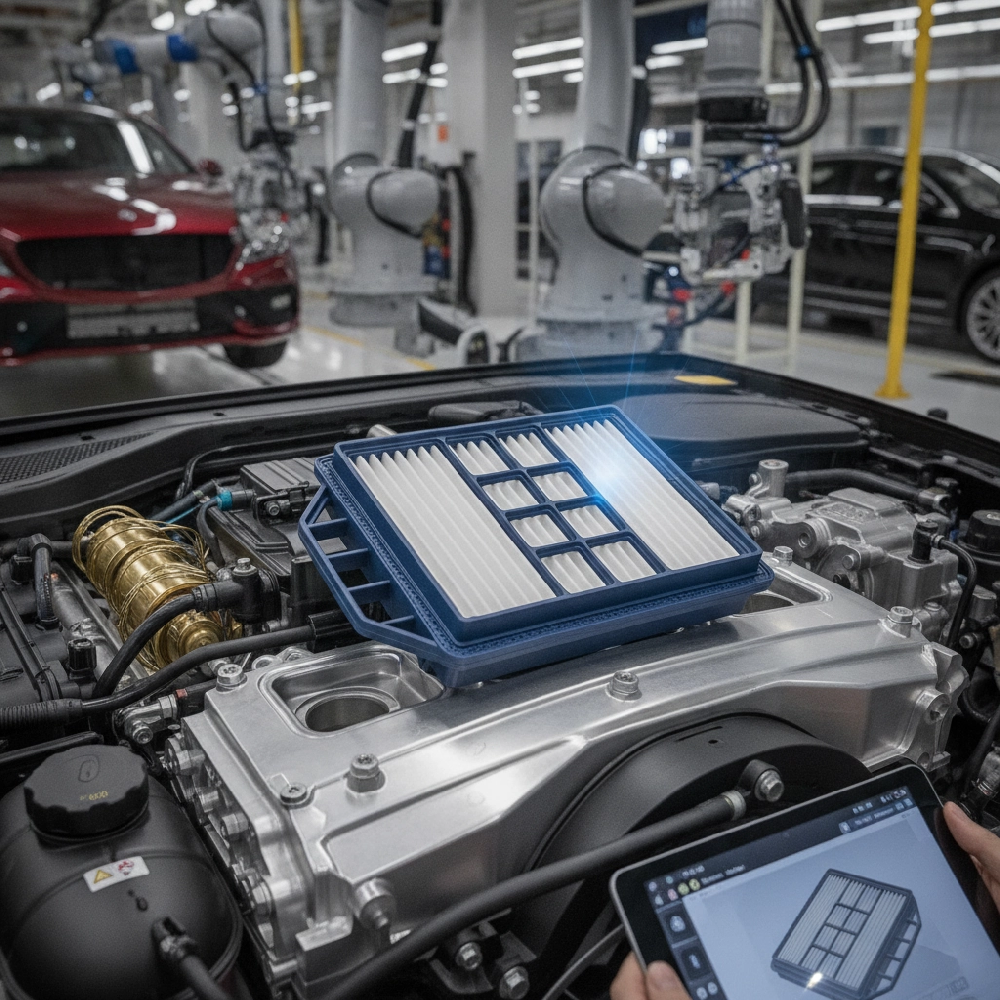
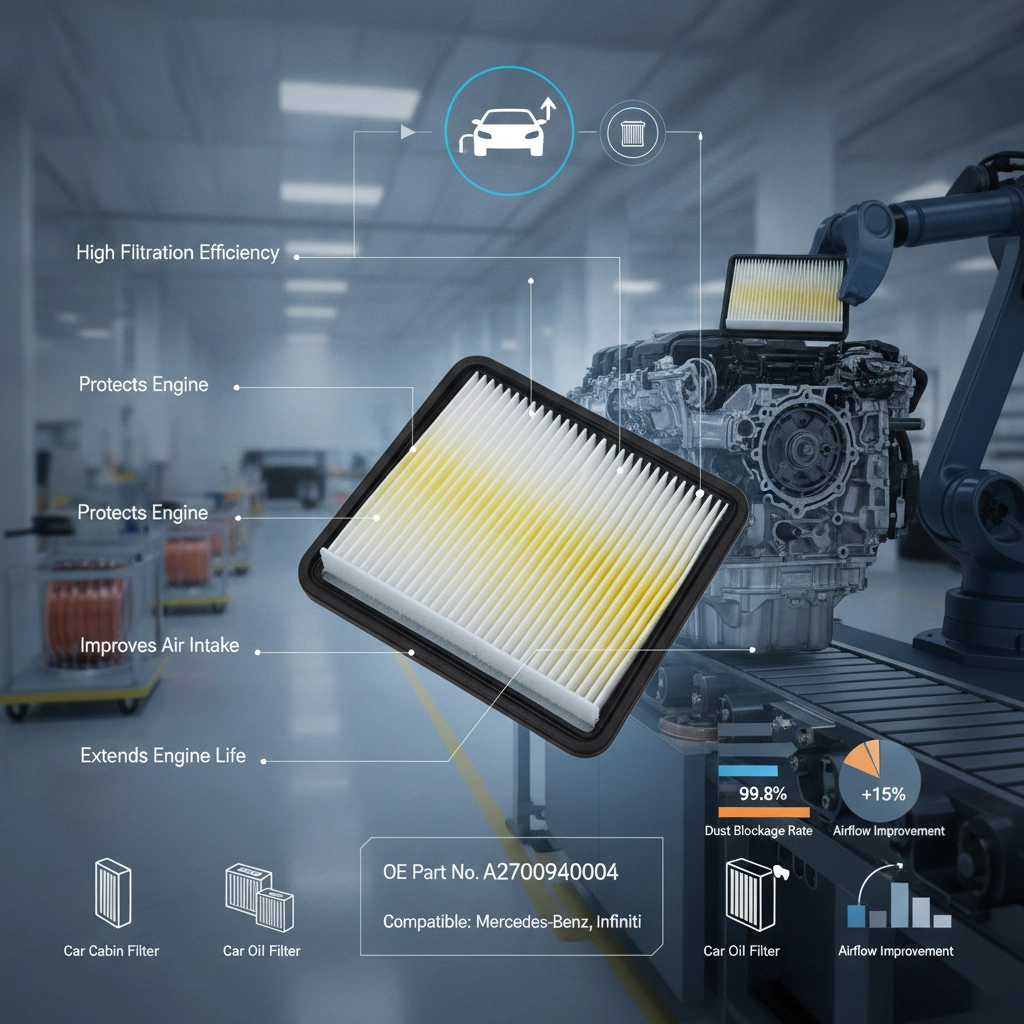
    The internal combustion engine relies on a precise mixture of fuel and air to generate power, but the air entering the system is rarely pure. An air filter car serves as the primary line of defense, trapping dust, pollen, and microscopic debris before they can enter the engine's cylinders. Without this critical component, abrasive particles would cause rapid wear on pistons and cylinder walls, drastically reducing the lifespan of the vehicle.

    Across the global automotive landscape, maintaining air quality within the intake system is a universal challenge. From the dusty roads of industrial zones to the smog-filled corridors of mega-cities, the demand for high-efficiency filtration is constant. Modern engineering has evolved to create filters that not only block impurities but also optimize airflow, ensuring that engines can breathe efficiently while remaining protected from environmental contaminants.

    Investing in a high-quality air filter car is not merely a maintenance task but a strategic move to enhance fuel economy and reduce emissions. By ensuring a steady stream of clean air, vehicle owners can maintain peak combustion efficiency, which directly translates to lower operating costs and a smaller environmental footprint.


    The Fundamentals of Engine Air Filtration

    At its core, the air filtration process is about balancing permeability with capture efficiency. A high-quality filter must allow a maximum volume of air to pass through to support the engine's combustion needs while simultaneously blocking particles as small as a few microns. This prevents "dusting" the engine, a condition where abrasive particles score the internal surfaces, leading to loss of compression and eventual engine failure.

    For specific models like the Mercedes-Benz A-Class or GLA, the filter is engineered to match the exact airflow requirements of the engine. By utilizing a stable structure and high-efficiency filter paper, these components ensure that the air intake is clean and sufficient, which is essential for maintaining the performance standards expected of luxury and high-performance automotive engineering.

    Material Science in Modern Air Filters

    The choice of material determines the lifespan and effectiveness of the filtration system. Most professional-grade filters utilize high-density filter paper and PU (Polyurethane) materials to create a seal that is both airtight and durable. PU is particularly valued for its ability to maintain structural integrity under varying temperature extremes, ensuring that no unfiltered air leaks around the edges of the element.

    Beyond standard paper, the industry has seen the introduction of injection PP (polypropylene) and wood pulp injection molding materials. These alternatives provide different levels of rigidity and filtration profiles, allowing manufacturers to customize the filter for either extreme durability in heavy-duty environments or maximum airflow for passenger vehicles.

    Environmentally friendly materials are also becoming a priority. By integrating sustainable fibers and recyclable polymers, the automotive industry is reducing the waste associated with regular maintenance cycles without compromising the critical protection provided to the engine.

    Compatibility and Precision Fitment

    Precision fitment is non-negotiable when selecting an air filter car. Even a millimeter of gap in the housing can allow "dirty air" to bypass the filter media entirely, leading to premature engine wear. This is why cross-referencing interchange part numbers, such as MANN C27004 or BOSCH F026400380, is essential for ensuring a perfect seal.

    Our products are engineered for direct replacement and easy installation, specifically targeting models like the Infiniti QX30 and various Mercedes-Benz B-Class variants. By adhering to IATF16949 and ISO9001 standards, the manufacturing process ensures that every unit matches the original equipment (OE) specifications for dimensions and pressure drop.

    The ability to customize the filter—whether through logo branding or specific material adjustments—allows OEM and ODM partners to tailor the product to their specific market needs. This flexibility ensures that the final product not only fits the vehicle physically but also meets the branding and quality expectations of the global distributor.

    Performance Impact and Efficiency Analysis

    A clean air filter directly correlates with improved combustion efficiency. When a filter becomes clogged, the engine must work harder to draw in air, which increases vacuum pressure in the intake manifold and leads to a richer fuel mixture. This not only increases fuel consumption but also leads to higher carbon deposits on the valves and spark plugs.

    Regularly replacing the filter ensures that the air-to-fuel ratio remains optimal. High-efficiency filters reduce the restrictive pressure drop, allowing the engine to breathe freely during acceleration while maintaining a high capture rate for pollutants, thus balancing performance with protection.

    Engine Performance Metrics by Filter Condition

    Global Applications and Use Cases

    In urban environments, an air filter car must contend with high levels of particulate matter (PM2.5) and smog. In these regions, high-efficiency filtration prevents the accumulation of oily soot and urban grime within the engine, which is critical for maintaining the emissions standards required by city governments.

    Conversely, in rural or construction-heavy zones, filters face an onslaught of coarse dust and sand. Here, the structural stability of the filter media becomes the priority. Using PU-reinforced edges prevents the filter from collapsing under the high pressure of heavy-duty air intake, ensuring that the engine remains protected even in the harshest desert or job-site conditions.

    Long-term Value and Engine Longevity

    The long-term financial value of a high-quality air filter is found in the avoidance of catastrophic engine failure. A single failure in the filtration seal can allow grit into the combustion chamber, leading to cylinder scoring that requires a complete engine overhaul. Compared to the cost of a new engine, the cost of regular filter replacement is negligible.

    Beyond mechanical safety, there is a logical link between filtration and fuel economy. By optimizing the air intake, the engine operates at its designed efficiency, reducing the frequency of fuel system cleanings and extending the interval between spark plug replacements. This creates a cycle of reliability and trust for the vehicle owner.

    Ultimately, professional-grade filtration provides peace of mind. Knowing that the engine is shielded by ISO9001 and IATF16949 certified components allows fleet managers and individual drivers to push their vehicles across long distances without the constant fear of environmental damage to the powertrain.

    Future Innovations in Filtration Technology

    The future of car air filtration is moving toward 'smart' solutions and sustainable materials. We are seeing the development of nano-fiber media that can trap even smaller particles without increasing airflow restriction, allowing for smaller filter footprints with higher efficiency. This trend toward high-precision engineering extends beyond air intake; it is equally vital for fluid management. By integrating advanced production techniques, China custom oil filter manufacturers are now able to tailor these high-efficiency filtration standards to specific engine requirements, ensuring optimal performance for diverse automotive applications.


    Digital transformation is also playing a role, with some high-end systems incorporating pressure sensors that alert the driver exactly when the filter has reached its saturation point. This moves maintenance from a "scheduled" basis to a "condition-based" basis, reducing waste and ensuring optimal performance at all times.

    Sustainability remains a key driver, with an increase in biodegradable filter media and the use of recycled polymers for the frame. As the automotive industry pivots toward carbon neutrality, the components that support the engine must also evolve to be as green as the fuels they help burn.

    Analysis of Air Filter Material Performance and Application

    Material Type

    Filtration Efficiency

    Durability Score

    Primary Use Case

    Standard Filter Paper

    High

    6/10

    City Passenger Cars

    PU Reinforced

    Very High

    9/10

    Premium/Luxury Vehicles

    Injection PP

    Medium-High

    8/10

    Industrial Applications

    Wood Pulp Molded

    Medium

    7/10

    Budget-friendly Options

    Eco-Friendly Fiber

    High

    7/10

    Sustainable Fleets

    Nano-composite

    Ultra High

    9/10

    High Performance/Racing

    FAQS

    How often should I replace my air filter car?

    Generally, it is recommended to replace your filter every 12,000 to 15,000 miles. However, if you frequently drive in dusty environments or high-pollution urban areas, you should inspect it every 5,000 miles. A clogged filter reduces fuel efficiency and can strain your engine, so timely replacement is key to longevity.

    Can I use a universal filter instead of a model-specific one?

    What is the difference between PU and paper filter materials?

    Will a high-efficiency air filter improve my fuel economy?

    Are OEM and aftermarket filters the same?

    How do I know if my air filter is clogged?

    Conclusion

    Maintaining a high-performance air filter car is one of the most cost-effective ways to ensure the longevity and efficiency of a vehicle's engine. From the selection of advanced PU and filter paper materials to the necessity of precision fitment for models like Mercedes-Benz and Infiniti, every detail contributes to the overall health of the powertrain. By effectively blocking contaminants and optimizing airflow, these components protect the engine from premature wear and help reduce the overall environmental impact of driving.

    As the automotive industry evolves toward smarter and more sustainable solutions, the role of filtration remains constant: protecting the heart of the machine. Whether you are a fleet manager seeking reliability or a car owner prioritizing performance, investing in certified, high-quality filtration is a strategic necessity. For professional OEM/ODM filtration solutions tailored to your exact specifications, visit our website: www.congbenfilter.com.


  • Comprehensive Guide to High Temperature ORings for Optimal Sealing Performance


    69d00dce23a30.png

    High Temperature O-Rings: A Comprehensive Guide

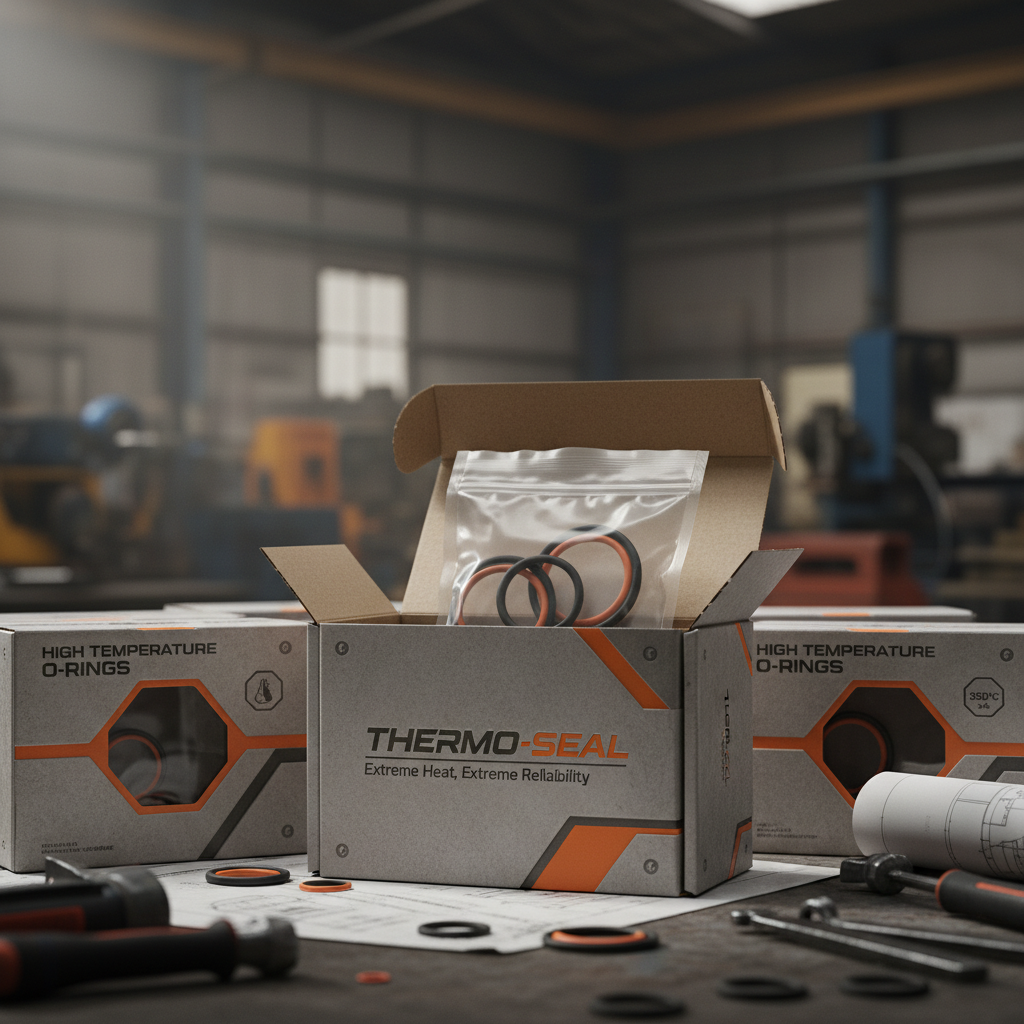
    When operating in demanding environments with elevated temperatures, standard O-rings often fail to deliver reliable sealing performance. High temperature O-rings are specifically engineered to withstand these conditions, offering exceptional durability and preventing leaks. This article explores the materials, applications, benefits, and key considerations for selecting the right high temperature O-ring for your specific needs. Choosing the correct O-ring is vital for preventing costly downtime and ensuring the safe and efficient operation of your equipment.

    Understanding High Temperature O-Ring Materials

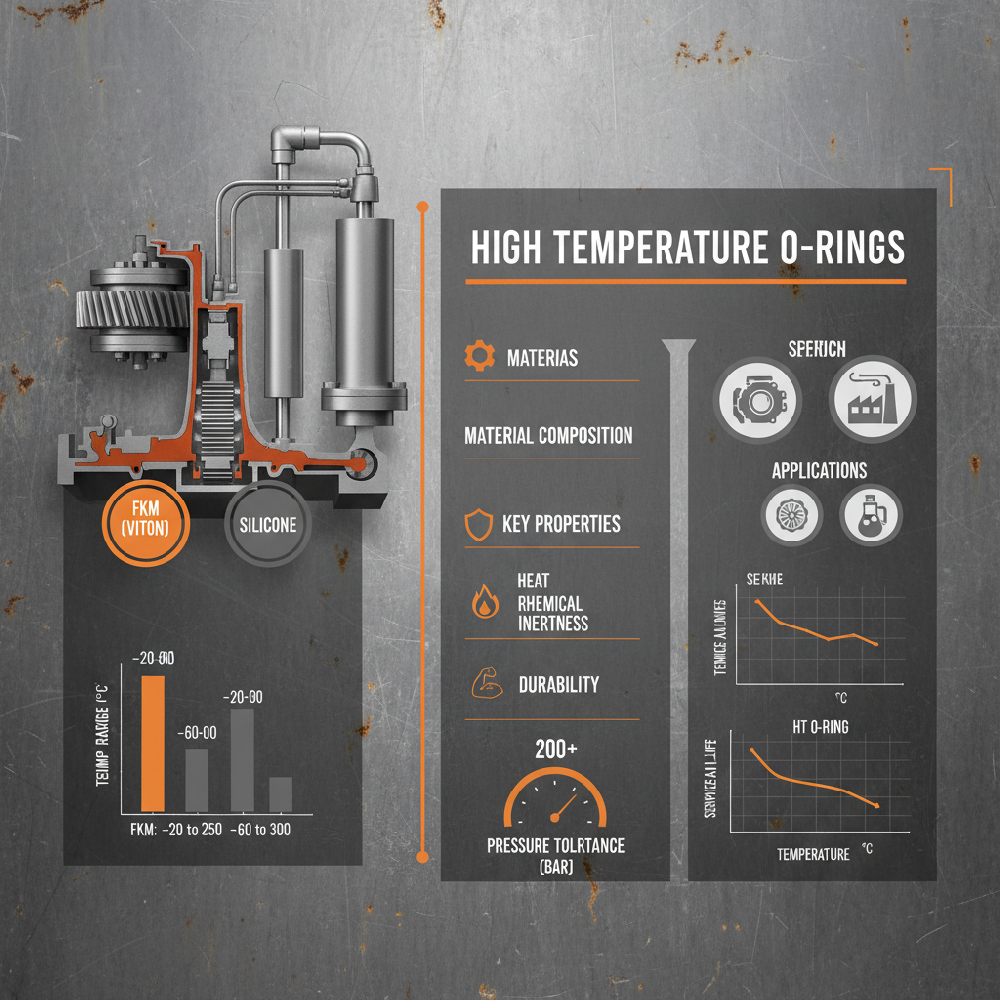
    The key to a high temperature O-ring's performance lies in the material it's made from. While standard nitrile rubber (NBR) O-rings are suitable for many applications, they degrade quickly at elevated temperatures. Materials like Viton (FKM), Silicone (VMQ), and PTFE are commonly used for high-temperature applications. Each material offers different strengths and weaknesses regarding temperature range, chemical compatibility, and cost. Viton, for example, exhibits excellent resistance to oils and fuels but can be more expensive. Silicone is great for extremely high temperatures, but has limited resistance to petroleum-based products. PTFE offers broad chemical resistance and can operate at very high temperatures, but it has lower resilience than elastomers.
    Key Considerations: Selecting the right material hinges on the operating temperature, the fluids involved, and the required lifespan. Careful consideration of these factors will maximize performance and minimize the risk of failure.

    Applications of High Temperature O-Rings

    High temperature O-rings are essential in a wide variety of industries and applications. These include automotive engines (sealing fuel injectors and turbochargers), aerospace systems (sealing hydraulic lines and engine components), oil and gas exploration (downhole sealing), chemical processing (sealing pumps and valves handling hot chemicals), and food processing (sealing equipment operating under sanitary conditions). They are also frequently found in industrial ovens, heat exchangers, and steam systems where consistent sealing at high temperatures is critical.

    Key Application Areas:

    • Automotive Engine Sealing

    • Aerospace Hydraulic Systems

    • Oil and Gas Downhole Equipment

    • Chemical Processing Valves & Pumps

    High Temperature O-Ring Materials Comparison

    Choosing the right material requires a clear understanding of their properties. The table below provides a comparison of common high-temperature O-ring materials. This will help you determine which material is best suited for your application. It's important to consider all factors, including temperature, chemical compatibility, and budget, when making your selection.

    Material

    Temperature Range (°C)

    Oil Resistance

    Chemical Resistance

    Viton (FKM)

    -20 to 200

    Excellent

    Good

    Silicone (VMQ)

    -60 to 230

    Poor

    Good

    PTFE

    -200 to 260

    Excellent

    Excellent

    Factors Affecting High Temperature O-Ring Performance

    Beyond material selection, several factors influence the lifespan and performance of high temperature O-rings. These include the pressure exerted on the seal, the presence of abrasive particles, and the frequency of thermal cycling (rapid temperature changes). Proper installation techniques, including lubrication and careful handling, are also crucial. Regularly inspecting O-rings for signs of degradation, such as cracking, swelling, or hardening, can help prevent unexpected failures. Maintaining a well-designed sealing system with appropriate hardware and gland design will further enhance reliability.


    Choosing a Reliable Supplier: Beikesealing

    Sourcing high-quality high-temperature O-rings from a reputable supplier is critical. Beikesealing offers a comprehensive range of solutions, including specialized automotive custom O-rings, standard seals, and food-grade silicone components. We pride ourselves on providing reliable products, competitive pricing, and expert technical support to help you select the optimal sealing solution for your specific application. Our commitment to quality and customer satisfaction ensures you receive the best possible products manufactured to exacting standards.

    Conclusion: Ensuring Reliable Sealing at High Temperatures

    Investing in the correct high temperature O-rings from a trusted supplier like Beikesealing is essential for maintaining the integrity and performance of your critical equipment. By understanding the material properties, applications, and influencing factors, you can make informed decisions that minimize downtime and maximize operational efficiency.

    Frequently Asked Questions (FAQs)

    What is the maximum temperature I can expect from a Viton O-ring?

    Viton (FKM) O-rings typically maintain their properties up to around 200°C (392°F) for extended periods. However, short-term exposure to slightly higher temperatures may be possible, but this can significantly reduce the O-ring’s lifespan. The specific temperature limit also depends on the Viton grade and the presence of other fluids. Selecting the right Viton grade for your application is crucial. It's best to consult with a sealing specialist at Beikesealing to determine the optimal material for your temperature requirements.

    How do I know if my O-ring is degrading?

    Several signs indicate O-ring degradation. These include visible cracks, swelling or shrinkage, hardening or becoming brittle, and a loss of elasticity. If the O-ring is exposed to chemicals, discoloration or surface tackiness can also be signs of deterioration. Regular visual inspections are key. If you notice any of these symptoms, replace the O-ring immediately to prevent leaks and equipment failure.

    Are there any special considerations for installing high temperature O-rings?

    Yes, proper installation is critical. Always use a compatible lubricant specifically designed for high-temperature applications. Avoid twisting or stretching the O-ring during installation. Ensure the mating surfaces are clean and free of debris. Inspect the gland design to ensure it provides adequate support and compression. Following these guidelines will help ensure a reliable seal and prevent premature failure. Beikesealing offers detailed installation guides and support.


  • Precision Engineering in Hydrotherapy: F-SPA’s Approach to Advanced Hydraulic Manufacturing


    In the rapidly evolving landscape of high-end wellness equipment, the integration of sophisticated hydraulic systems and precision manufacturing has become the new benchmark for excellence. F-SPA is at the forefront of this transformation, leveraging deep expertise in fluid dynamics and industrial-grade machining to redefine the performance standards of modern whirlpool and swim spa technology.


    下载 (1).jpg

    Engineering Excellence: The F-SPA Hydraulic Advantage

    At the core of every F-SPA unit lies a commitment to technical rigor that transcends traditional spa manufacturing. We treat every spa system as a complex hydraulic assembly, where performance is determined by precision, efficiency, and reliability.

    Computational Fluid Dynamics (CFD) Integration: We utilize advanced CFD modeling to simulate and optimize water flow paths. This ensures that every jet system delivers consistent pressure and precise hydrotherapy benefits, minimizing energy loss and maximizing the efficacy of the hydraulic circuit.

    Precision Machining and Assembly: Our production protocols prioritize high-tolerance machining. By utilizing state-of-the-art manufacturing processes, we ensure that every pump, valve, and conduit is calibrated to meet rigorous operational standards. This precision eliminates common industrial issues such as cavitation, vibration, and premature wear, ensuring the longevity of the hydraulic drive system.

    Industrial-Grade Durability: Unlike standard consumer-grade appliances, F-SPA systems are designed with the durability required for intensive, long-term operation. Our selection of high-performance, corrosion-resistant components ensures that even under constant high-pressure cycling, the system maintains peak performance with minimal maintenance requirements.


    Delivering Modular Solutions for Modern Demands

    F-SPA’s engineering capability allows for highly scalable and modular hydraulic integration. Whether for private residential installations or commercial wellness facilities, our technical team delivers solutions that prioritize system stability and operational efficiency.

    Optimized Energy Efficiency: By refining the synergy between pump capacity and pipe network design, F-SPA has achieved superior energy conversion ratios. This allows our systems to maintain optimal water temperature and therapeutic flow rates with significantly reduced power consumption.


    Simplified Engineering & Installation: We recognize that complex hydraulic systems often come with installation challenges. Our modular design philosophy ensures that F-SPA systems—from above-ground spa units to complex swim spas—offer seamless site integration and robust system integrity, reducing both labor-intensive setup and future maintenance costs.


    A Commitment to Advanced Manufacturing

    F-SPA is committed to bridging the gap between heavy industrial manufacturing and consumer wellness. As the demand for high-performance aquatic solutions grows, our focus remains on continuous innovation in material science, hydraulic control systems, and automated production, establishing our products as the best home hot tub solutions on the market.

    We are not merely building hot tubs; we are engineering advanced fluid-handling environments that improve quality of life through technical excellence. By upholding strict ISO-aligned quality standards, F-SPA continues to provide reliable, efficient, and technologically superior solutions to global markets, setting a new standard for precision in the wellness industry.

    About F-SPA F-SPA is a leading manufacturer specializing in high-performance hydrotherapy and wellness systems. By combining cutting-edge hydraulic engineering with premium design aesthetics, F-SPA provides homeowners and commercial partners with innovative solutions that emphasize reliability, durability, and superior performance.


If you are interested in our products, you can choose to leave your information here, and we will be in touch with you shortly.