


Optimizing PCBA Reliability for Industrial Hydraulic and Control Systems
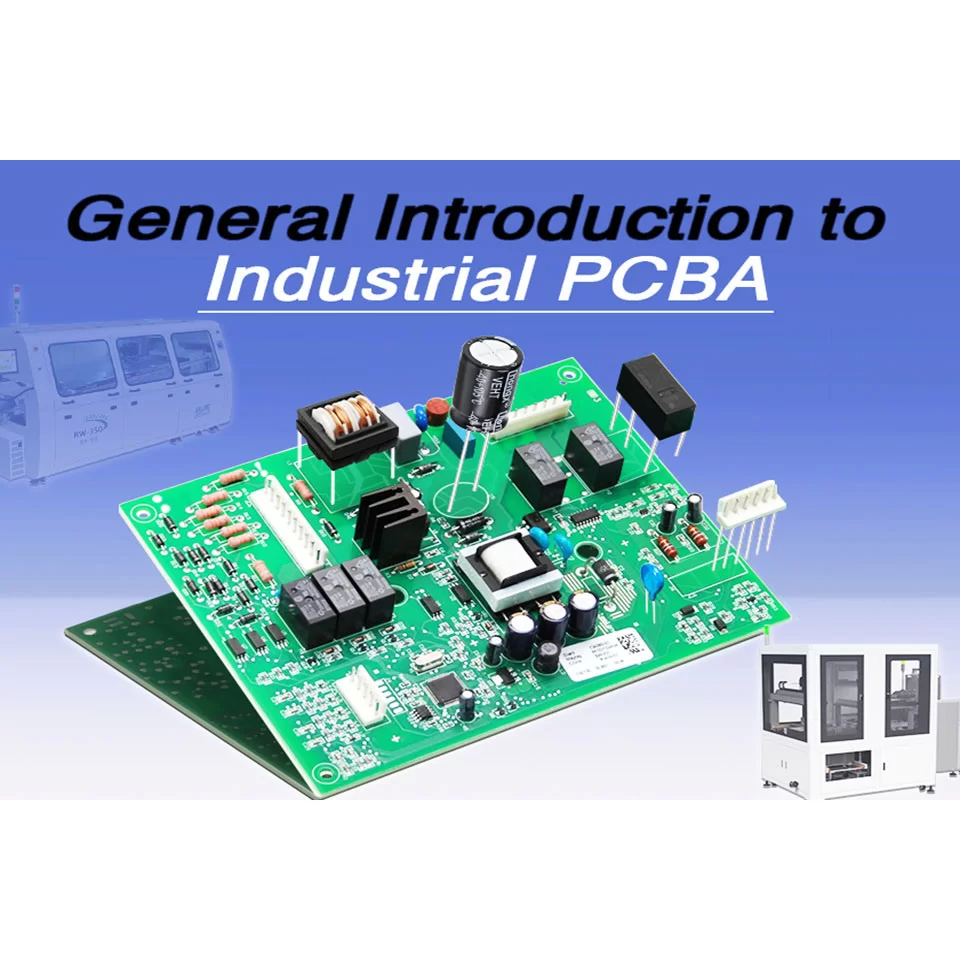
In the world of industrial machinery, the marriage between mechanical hydraulic power and electronic control systems is what defines modern automation. While a hydraulic valve or actuator provides the force, the Industrial PCB Assembly (PCBA) serves as the "brain," managing signals, pressure regulation, and real-time response. For engineers managing hydraulic installations, understanding how PCBA design influences the long-term reliability of these systems is critical.
The Critical Role of PCBA in Industrial Automation
Modern hydraulic control systems are no longer just mechanical; they rely on high-precision electronic control boards to manage flow, pressure, and timing. An assembly error in an industrial controller doesn't just mean a downtime—it can lead to system failures, safety hazards, and costly equipment damage. For companies in the fluid power industry, a robust PCBA is the backbone of efficient, high-performance equipment.
Reliability Standards for Harsh-Environment PCBA
Unlike consumer electronics, industrial hydraulic control environments are harsh. They feature constant vibration, wide temperature swings, and the ever-present threat of hydraulic fluid exposure. To ensure reliable performance, specialized PCBA techniques are required:
· Conformal Coating: Essential for protecting circuits against hydraulic oil mist, moisture, and conductive dust, preventing short circuits and corrosion.
· Heavy Copper PCBs: Industrial applications often involve power-intensive actuators. Using thicker copper layers (2oz or more) ensures better thermal management and higher current carrying capacity.
· Vibration-Resistant Design: Through-hole components and robust soldering techniques are used to ensure components do not detach under the high-frequency vibration common in hydraulic systems.
Key PCBA Manufacturing Steps for High-Reliability
To reach the standards required by the fluid power industry, the assembly process must be rigorously controlled:
1. Solder Paste & Component Placement
High-precision stencil application is the first defense against assembly defects. In industrial controllers, where component density is high, automated Pick-and-Place machines ensure the alignment accuracy required for complex ICs and power connectors.
2. Reflow & Thermal Profiling
Industrial boards often use high-thermal-mass components. A custom reflow profile is vital to ensure that heavy components achieve a strong, reliable solder joint without damaging the substrate or sensitive chips.
3. Advanced Inspection (AOI & X-Ray)
For mission-critical hydraulic controls, visual inspection is not enough. We utilize Automated Optical Inspection (AOI) and X-ray systems to detect hidden defects like BGA voids or insufficient solder under large connectors, ensuring the board can withstand years of operational cycles.
4. Functional Testing (FCT)
The final assembly is subjected to a simulated functional test. By mimicking the electrical environment of a real hydraulic system, we verify that the PCBA responds correctly to input signals before it ever hits the field.
For partners requiring high-performance electronics, working with experienced PCBA manufacturers to integrate industrial PCBA manufacturing into the design phase significantly reduces long-term maintenance costs and improves system uptime.