


Synthetic Rubber Hose
1. Product Overview
Our synthetic rubber hose is a premium-grade industrial hose engineered for demanding applications across various sectors. Crafted from high-quality synthetic rubber compounds, this hose delivers exceptional flexibility, durability, and resistance to abrasion, chemicals, and extreme temperatures. Ideal for conveying fluids, gases, and abrasive materials, the synthetic rubber hose ensures reliable performance in harsh environments, from high-pressure hydraulic systems to low-pressure drainage setups.
Unlike traditional rubber hoses, our synthetic rubber hose incorporates advanced polymer formulations that enhance ozone resistance and aging properties, extending service life significantly. Available in a wide range of diameters, lengths, and configurations, it meets international standards such as SAE, DIN, and ISO. Whether you're in manufacturing, agriculture, or construction, this versatile synthetic rubber hose provides a cost-effective solution for fluid transfer needs, minimizing downtime and maintenance costs.
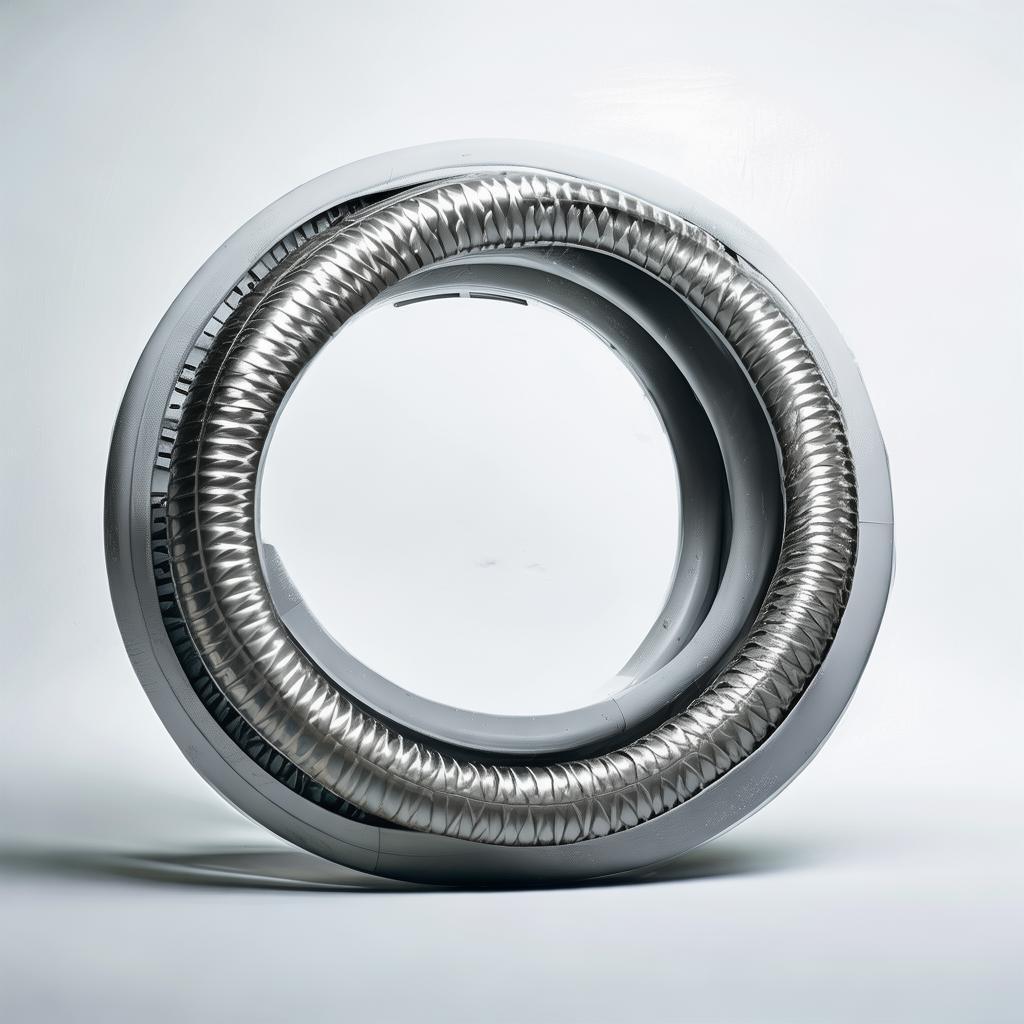
With reinforced layers of textile braids or steel wire spirals, the synthetic rubber hose withstands pressures up to 400 bar, making it suitable for heavy-duty operations. Its smooth inner bore reduces friction losses, ensuring efficient flow rates. Backed by rigorous quality testing, our synthetic rubber hose guarantees safety and longevity, positioning it as the go-to choice for B2B professionals seeking uncompromising reliability.
2. Key Features
- Superior Flexibility: The synthetic rubber hose bends easily without kinking, facilitating installation in tight spaces and dynamic applications.
- High Abrasion Resistance: Inner tube formulated with specialized synthetic rubber resists wear from slurries, sands, and rough media.
- Chemical Compatibility: Resists oils, fuels, acids, and alkalis, ensuring integrity in petrochemical and agricultural environments.
- Temperature Resilience: Operates effectively from -40°C to +120°C, suitable for extreme weather and process conditions.
- Pressure Rating: Available in working pressures from 10 bar to 400 bar, with burst pressures exceeding 4 times the rated value.
- Ozone and Weather Resistance: EPDM or SBR covers protect against UV degradation and environmental exposure.
- Customizable Options: Mandrel-built construction for precise tolerances, with options for conductive linings or anti-static features.
- Lightweight Design: Optimized weight-to-strength ratio reduces handling fatigue and installation time.
3. Technical Specifications
| Parameter | Value/Range | Standard/Notes |
|---|---|---|
| Inner Diameter (ID) | 6 mm to 152 mm (1/4" to 6") | Custom sizes available |
| Outer Diameter (OD) | 12 mm to 180 mm | Depending on reinforcement |
| Working Pressure | 10 bar to 400 bar (145 psi to 5800 psi) | SAE 100R1AT, DIN 20022 2SN |
| Burst Pressure | 4x Working Pressure (minimum) | ISO 6803 testing |
| Temperature Range | -40°C to +120°C (-40°F to +248°F) | Intermittent up to +150°C |
| Reinforcement | High-tensile textile braid or steel wire spiral | 1-4 wire layers for high-pressure variants |
| Tube Material | Synthetic rubber (NR, SBR, NBR, EPDM) | Oil, fuel, and chemical resistant grades |
| Cover Material | Synthetic rubber with CR or EPDM | Weather, ozone, and abrasion resistant |
| Bend Radius | 4x ID (minimum) | Reduces fatigue failure |
| Weight | 0.3 kg/m to 5.0 kg/m | Varies by size and construction |
| Length per Reel | 20 m to 100 m (standard); up to 400 m custom | Cut-to-length available |
| Standards Compliance | SAE J517, DIN EN 853, ISO 1436, MSHA | CE marking optional |
4. Application Scenarios
The synthetic rubber hose excels in diverse industrial settings where reliable fluid and material transfer is critical. In the automotive sector, it's widely used for hydraulic brake lines, power steering systems, and fuel delivery, thanks to its compatibility with petroleum-based fluids and high-pressure tolerance. Agricultural operations rely on it for irrigation, pesticide spraying, and fertilizer transfer, where chemical resistance and flexibility handle rugged terrains effectively.
In construction and mining, the synthetic rubber hose conveys water, grout, cement slurries, and compressed air, enduring abrasion from aggregates and harsh site conditions. Petrochemical plants deploy it for handling oils, solvents, and gases, leveraging its robust chemical barrier properties. Marine applications benefit from its saltwater and UV resistance in deck washdown and bilge pumping systems.
Manufacturing facilities use the synthetic rubber hose in pneumatic tools, robotic arms, and coolant lines, ensuring uninterrupted production. Food and pharmaceutical industries opt for compliant grades for sanitary transfer of liquids, meeting hygiene standards. Even in heavy machinery like excavators and cranes, it powers hydraulic circuits with minimal expansion under load, enhancing precision and safety.
5. Advantages
- Extended Durability: Outlasts natural rubber hoses by 2-3 times in abrasive and chemical exposures, reducing replacement frequency.
- Cost Efficiency: Lower total ownership costs due to high performance and minimal maintenance requirements.
- Enhanced Safety: High burst margins and anti-kinking design prevent accidents in high-stakes environments.
- Versatile Performance: Broad media compatibility eliminates the need for multiple hose types.
- Environmental Adaptability: Maintains integrity in sub-zero winters or tropical heat, ideal for global operations.
- Easy Integration: Compatible with standard fittings like crimped or reusable couplings for quick assembly.
- Sustainable Manufacturing: Produced with eco-friendly compounds, recyclable reinforcements, and low-energy processes.
6. Why Choose Us
As a leading manufacturer of synthetic rubber hose, we prioritize quality from raw material selection to final inspection. Our state-of-the-art extrusion and curing facilities ensure consistent tube uniformity and adhesion integrity. Every batch undergoes hydrostatic testing, adhesion checks, and impulse cycling to exceed industry benchmarks.
We hold certifications including ISO 9001, ISO 14001, and IATF 16949, guaranteeing traceability and compliance. With decades of expertise, our R&D team customizes formulations for specific client needs, such as food-grade or high-temperature variants. Global supply chains enable competitive pricing and rapid delivery worldwide.
Our commitment to innovation includes developing low-permeation synthetic rubber hoses for EV hydraulic systems and conductive types for hazardous locations. Partnering with us means accessing technical support, application engineering, and volume discounts, ensuring your operations run seamlessly with trusted synthetic rubber hose solutions.
7. FAQ
Q: What is a synthetic rubber hose primarily used for?
A: A synthetic rubber hose is designed for transferring fluids, gases, and slurries in industrial applications, offering superior resistance to pressure, chemicals, and abrasion compared to natural rubber alternatives.
Q: Can the synthetic rubber hose handle high temperatures?
A: Yes, standard models operate from -40°C to +120°C, with specialized versions up to +150°C intermittently, making it suitable for steam and hot oil services.
Q: What reinforcement options are available for the synthetic rubber hose?
A: Options include single/double textile braids for low-pressure, and 1-4 steel wire spirals for high-pressure applications up to 400 bar.
Q: Is the synthetic rubber hose compliant with international standards?
A: Absolutely, our synthetic rubber hoses meet SAE J517, DIN EN 853, ISO 1436, and other global standards, with full certification documentation provided.
Q: How do I select the right size of synthetic rubber hose?
A: Consider inner diameter for flow rate, working pressure for safety margin, bend radius for routing, and media compatibility. Our experts can assist with precise recommendations.
Q: What maintenance is required for the synthetic rubber hose?
A: Inspect regularly for kinks, abrasions, or leaks. Store away from sunlight and ozone sources, and replace if pressure rating is compromised.
Q: Are custom lengths and fittings available for synthetic rubber hose?
A: Yes, we offer cut-to-length reels and factory-crimped assemblies with various end fittings for seamless integration into your systems.