


Cement Feeding Hose Pipe
1. Product Overview
Our cement feeding hose pipe is a premium-grade industrial hose engineered specifically for the efficient and reliable transfer of dry cement powder and similar abrasive materials in demanding construction and manufacturing environments. Constructed with advanced materials and reinforcement techniques, this hose ensures seamless material flow from silos, trucks, or batching plants to mixers, pumps, or storage systems. Designed to withstand high abrasion, pressure, and environmental stresses, the cement feeding hose pipe delivers exceptional durability and performance, minimizing downtime and maintenance costs for B2B operations worldwide.
Available in a range of sizes and configurations, our cement feeding hose pipe features a robust inner liner resistant to cement's erosive properties, multi-ply textile or steel wire reinforcement for structural integrity, and a weather-resistant outer cover. Whether you're handling fine Portland cement, fly ash, or other pulverized minerals, this hose provides a flexible, lightweight solution that outperforms standard pneumatic conveying hoses. Trusted by leading cement producers and construction firms, it meets rigorous international standards such as ISO 9001 and EN 13480, ensuring safety and compliance in high-volume material handling applications.
2. Key Features
- Superior Abrasion Resistance: The inner tube, made from specialized natural rubber (NR) or SBR compounds, resists wear from cement particles, extending service life up to 5 times longer than conventional hoses.
- High-Pressure Capability: Rated for working pressures up to 10 bar (145 psi), ideal for pneumatic feeding systems without compromising flexibility.
- Reinforced Construction: Multi-layer high-tensile synthetic fabric or embedded steel wire helix provides kink resistance and maintains full bore flow even under vacuum or compression.
- Flexible and Lightweight: Engineered for easy maneuvering in tight spaces, with a low bend radius that facilitates installation around machinery and equipment.
- Weather and Chemical Resistance: UV-stabilized EPDM or neoprene outer cover protects against ozone, sunlight, oils, and harsh outdoor conditions.
- Customizable Fittings: Compatible with standard camlock, Storz, or flanged couplings for quick, secure connections in cement feeding pipelines.
- Temperature Tolerance: Operates reliably from -20°C to +80°C (-4°F to +176°F), accommodating diverse global climates.
3. Technical Specifications
Below is a comprehensive table outlining the standard specifications for our cement feeding hose pipe series. Custom sizes and lengths are available upon request to meet specific project requirements.
| Model | Inner Diameter (ID, mm) | Outer Diameter (OD, mm) | Working Pressure (WP, bar) | Burst Pressure (BP, bar) | Standard Length (m) | Weight (kg/m) | Temperature Range (°C) |
|---|---|---|---|---|---|---|---|
| CFHP-75 | 76 | 102 | 6 | 18 | 20 | 1.8 | -20 to +80 |
| CFHP-100 | 102 | 130 | 6 | 18 | 20 | 2.4 | -20 to +80 |
| CFHP-125 | 127 | 158 | 8 | 24 | 18 | 3.2 | -20 to +80 |
| CFHP-150 | 152 | 186 | 8 | 24 | 15 | 4.1 | -20 to +80 |
| CFHP-200 | 203 | 240 | 10 | 30 | 12 | 5.8 | -20 to +80 |
| CFHP-250 | 254 | 295 | 10 | 30 | 10 | 7.5 | -20 to +80 |
Note: Specifications are subject to manufacturing tolerances. All cement feeding hose pipes undergo hydrostatic testing at 1.5x WP prior to shipment.
4. Application Scenarios
The versatility of our cement feeding hose pipe makes it indispensable across various industrial sectors where dry bulk material transfer is critical. In ready-mix concrete batching plants, it efficiently conveys cement from silos to weigh hoppers, ensuring precise dosing and uninterrupted production cycles. Construction sites utilize it for truck-to-mixer transfers, handling high-velocity powder flows without dust leakage or material loss.
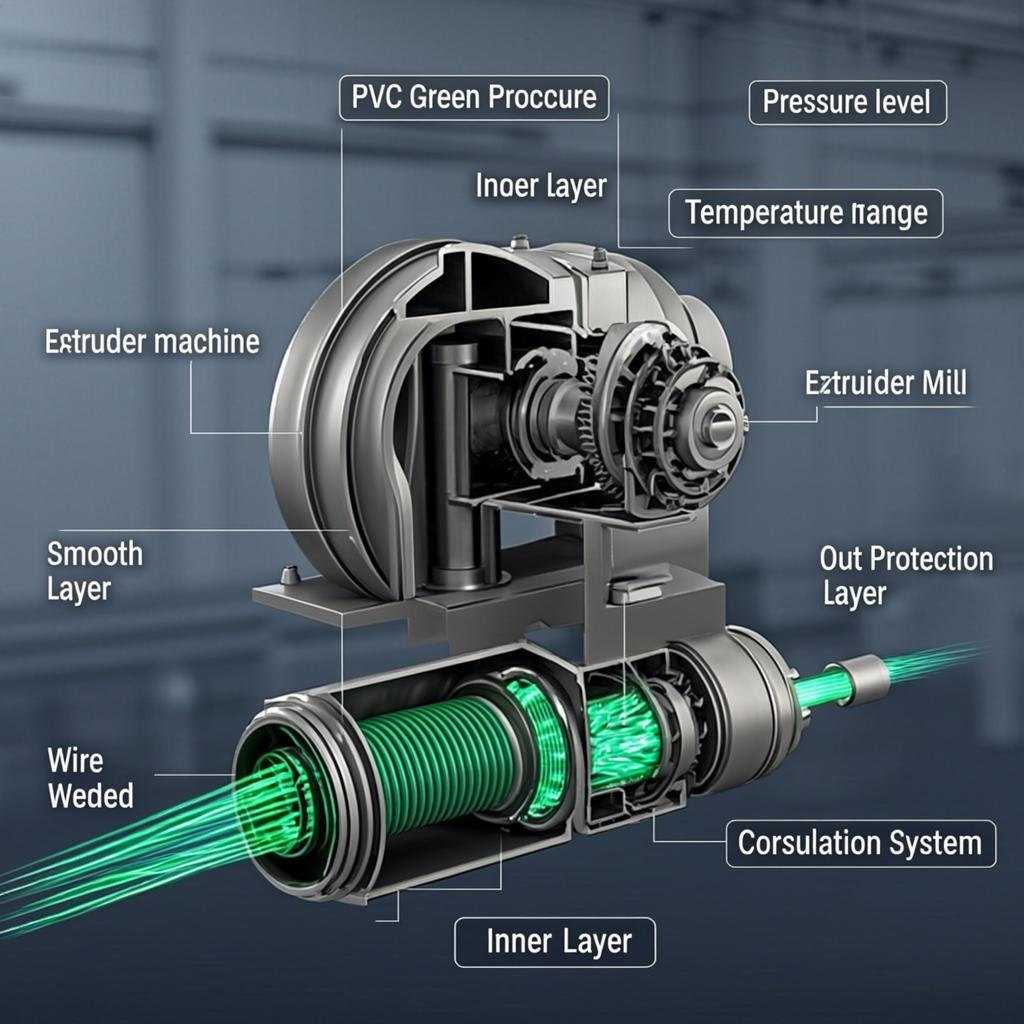
Cement manufacturing facilities rely on this hose for kiln feeding lines and packing systems, where its abrasion resistance prevents premature failure during continuous operation. In mining and quarrying, it's deployed for fly ash or lime powder pneumatic conveying over long distances. Additional scenarios include ship unloading terminals, cement terminals for railcar or barge feeding, and precast concrete factories for automated production lines. Its robust design supports both positive and negative pressure applications, adapting to vacuum loaders and pressure blowers seamlessly.
5. Advantages
- Extended Lifespan: Advanced abrasion-resistant lining reduces wear by up to 70% compared to PVC or standard rubber hoses, lowering replacement frequency and total cost of ownership.
- Enhanced Safety: Kink- and collapse-resistant reinforcement prevents bursts or blockages, reducing workplace hazards and ensuring compliance with OSHA and EU machinery directives.
- Superior Flow Efficiency: Smooth inner bore minimizes turbulence and pressure drops, optimizing energy use in blower systems and increasing throughput by 15-20%.
- Easy Maintenance: Static-dissipative options available to prevent dust explosions; simple cleaning with compressed air extends usability without specialized tools.
- Environmental Benefits: Dust-tight connections reduce airborne particulates, supporting sustainable operations and meeting stringent emission regulations.
- Cost-Effective Scalability: Modular lengths and fittings allow for system expansions without full replacements, ideal for growing infrastructure projects.
6. Why Choose Us
As a leading manufacturer and exporter of industrial hoses, we specialize in tailored solutions for the cement industry, backed by over 20 years of expertise in material handling technologies. Our cement feeding hose pipe is produced in state-of-the-art facilities using premium raw materials sourced globally, ensuring consistent quality that exceeds DIN 2828 and SAE 100R4 standards. We hold certifications including ISO 9001:2015, ISO 14001, and CE marking, with rigorous quality control from compounding to final testing.
What sets us apart is our commitment to customization: from non-standard diameters to antistatic formulations or food-grade variants for hydrated lime. We serve a global clientele, exporting to over 50 countries with reliable logistics and just-in-time delivery. Our technical support team provides on-site consultations, installation guidance, and performance audits to maximize ROI. Partner with us for a cement feeding hose pipe that delivers proven reliability, competitive pricing, and unmatched after-sales service.
7. FAQ
Q: What makes your cement feeding hose pipe suitable for abrasive materials?
A: The inner tube uses a proprietary NR/SBR blend with hardness optimized at 65-70 Shore A, proven to resist cement erosion through accelerated abrasion testing per ISO 6941.
Q: Can the hose handle both suction and discharge applications?
A: Yes, models with steel wire reinforcement support full vacuum (-0.9 bar) to high-pressure discharge (10 bar), making them versatile for diverse pneumatic systems.
Q: What are the available end fittings for the cement feeding hose pipe?
A: Standard options include aluminum or stainless steel camlocks (Type A/B/DP), malleable iron ground joints, and ANSI/DIN flanges. Custom welding available.
Q: How do I determine the correct size for my application?
A: Size selection depends on flow rate, distance, and pressure. Our engineers recommend based on required velocity (typically 20-30 m/s for cement) and use our sizing calculator tool.
Q: Is the hose compliant with explosion-proof standards?
A: Antistatic versions meet ATEX 2014/34/EU and NFPA 654, with surface resistivity < 10^9 Ω, essential for dusty environments.
Q: What is the warranty period?
A: We offer a 12-month warranty against manufacturing defects, with extended options for high-volume orders based on application testing.
Q: How should I store and maintain the cement feeding hose pipe?
A: Store coiled in a cool, dry place away from direct sunlight. Inspect regularly for cuts or kinks; clean interior post-use to prevent buildup.