


Thermoplastic Hydraulic Hose Performance Analysis

Introduction
Thermoplastic hydraulic hoses represent a significant advancement in fluid conveyance technology, offering a compelling alternative to traditional rubber hoses in a wide range of industrial applications. Their inherent resistance to corrosion, coupled with their flexibility and weight reduction, addresses critical pain points in sectors like construction, agriculture, mining, and material handling. While often quoted for cost-effectiveness, the true value proposition lies in extended operational life, reduced downtime, and enhanced safety profiles. This guide details the material science, manufacturing processes, performance characteristics, potential failure modes, and maintenance protocols for thermoplastic hydraulic hoses, adhering to stringent industry standards. The selection of the correct thermoplastic hose hinges on a precise understanding of the operating pressure, fluid compatibility, temperature range, and environmental conditions. “A penny saved is a penny earned” rings true when considering the lifecycle cost advantages these hoses provide, minimizing expensive replacements and mitigating fluid leakages – a constant concern for environmental and safety compliance.
Material Science & Manufacturing
Thermoplastic hydraulic hoses are typically constructed from a combination of materials, each contributing to specific performance characteristics. The inner tube, responsible for fluid containment, commonly utilizes materials like Polyamide (Nylon), Polyester, Polyurethane, or Polypropylene, chosen based on fluid compatibility and pressure requirements. Nylon, for example, offers excellent abrasion resistance and is suitable for petroleum-based fluids, while Polyester exhibits superior resistance to heat and weathering. The reinforcement layer is critical for pressure handling and typically consists of multiple high-tensile strength textile braids or spiral steel wire. The number of braids or the gauge of the wire directly correlates with the hose's working pressure. The outer cover provides environmental protection and abrasion resistance, often utilizing Polyurethane or PVC. Manufacturing processes involve extrusion of the inner tube and outer cover, followed by precise braiding or winding of the reinforcement layer. Parameter control during extrusion – particularly temperature, screw speed, and die pressure – is paramount to ensure consistent wall thickness and material homogeneity. Post-processing includes curing (for some materials), inspection for defects, and pressure testing to verify compliance with safety standards. "Quality is not an act, it is a habit," as Aristotle stated, and this applies directly to the precise manufacturing control needed for reliable thermoplastic hoses.
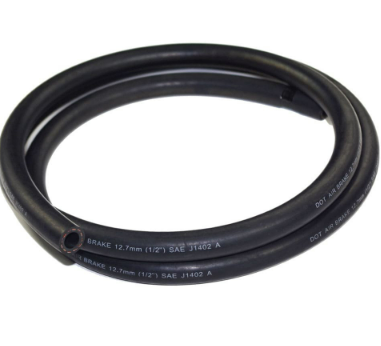
Performance & Engineering
The performance of a thermoplastic hydraulic hose is dictated by several key engineering factors. Burst pressure, working pressure, and safety factor are primary considerations. Working pressure is typically calculated as 50-70% of the burst pressure, providing a margin of safety. Fatigue resistance is crucial, especially in applications involving cyclical loading and bending. The hose’s bend radius – the minimum radius to which the hose can be bent without kinking or damaging the reinforcement – is a critical parameter to ensure proper functionality and prevent premature failure. Environmental resistance is also paramount. Exposure to UV radiation, ozone, and extreme temperatures can degrade the materials over time, leading to cracking and loss of flexibility. Fluid compatibility is another critical factor. Certain fluids can cause swelling or degradation of the inner tube, compromising its integrity. Proper selection of the hose material based on the fluid being conveyed is essential. Force analysis, considering internal pressure, external bending moments, and axial loads, is often employed in design to optimize hose performance and longevity. “Measure twice, cut once” – a common adage – perfectly reflects the need for careful engineering analysis before selecting and installing a thermoplastic hydraulic hose.
Technical Specifications
| Parameter | Nylon Inner Tube, 2-Braid Polyester Reinforcement | Polyester Inner Tube, 4-Spiral Steel Wire Reinforcement | Polyurethane Inner Tube, 1-Braid Aramid Reinforcement | Polypropylene Inner Tube, 6-Helix Steel Wire Reinforcement |
|---|---|---|---|---|
| Working Pressure (PSI) | 2000 | 4000 | 3000 | 6000 |
| Burst Pressure (PSI) | 8000 | 16000 | 12000 | 24000 |
| Temperature Range (°F) | -40 to 212 | -40 to 250 | -65 to 284 | -40 to 302 |
| Inner Diameter (inches) | 0.25 - 2.0 | 0.5 - 4.0 | 0.125 – 1.0 | 0.75 – 6.0 |
| Outer Diameter (inches) | 0.43 – 2.43 | 0.75 – 4.75 | 0.25 – 1.25 | 1.0 – 7.0 |
| Fluid Compatibility | Petroleum-based fluids, water, air | Petroleum-based fluids, synthetic fluids, water | Wide range, including aggressive chemicals | Petroleum-based fluids, hydraulic oils |
Failure Mode & Maintenance
Thermoplastic hydraulic hoses are susceptible to several failure modes. Fatigue cracking, caused by repeated bending and pressure cycling, is a common issue, particularly in applications with tight bend radii or frequent movement. Abrasion, resulting from contact with abrasive surfaces, can wear through the outer cover and reinforcement, leading to leakage. Kinking, caused by excessive bending, can restrict fluid flow and damage the inner tube. Chemical attack, due to incompatible fluids, can cause swelling, degradation, and cracking of the inner tube. Thermal degradation, from prolonged exposure to high temperatures, can reduce the hose’s flexibility and strength. UV degradation, from sunlight exposure, can embrittle the outer cover. Regular inspection is crucial for identifying potential problems. This includes visual inspection for cracks, abrasions, kinks, and leaks. Pressure testing can verify the hose’s integrity. Proper storage, away from direct sunlight and extreme temperatures, can prolong the hose’s life. "Prevention is better than cure," as the saying goes – proactive maintenance and inspection are key to maximizing the service life and ensuring the safe operation of thermoplastic hydraulic hoses.
Industry FAQ
Q: What is the impact of impulse pressure on the lifespan of a thermoplastic hose?
A: Impulse pressure, or pressure spikes, significantly reduces the lifespan of any hydraulic hose. Thermoplastic hoses, while robust, are subject to fatigue failure accelerated by these pressure fluctuations. The higher the impulse pressure and frequency, the more rapidly the reinforcement layers will degrade. Specifying a hose rated for a higher impulse pressure than the system generates, or implementing pulsation dampeners, is crucial for extending service life.
Q: How does fluid temperature affect the performance of a nylon inner tube?
A: Elevated temperatures can significantly reduce the burst pressure and working pressure of a nylon inner tube. While nylon offers good abrasion resistance, its mechanical properties degrade with increasing temperature. Conversely, extremely low temperatures can reduce the hose’s flexibility, increasing the risk of kinking and cracking. Operating within the specified temperature range is essential.
Q: What are the advantages of spiral wire reinforcement over braided reinforcement?
A: Spiral wire reinforcement typically offers higher pressure ratings and greater flexibility than braided reinforcement. The continuous winding of the wire provides superior resistance to axial stretching and allows for tighter bend radii. However, spiral wire hoses are generally more expensive. Braided reinforcement is often preferred for applications where cost is a primary concern and pressure requirements are moderate.
Q: What is the recommended procedure for installing a thermoplastic hydraulic hose?
A: Proper installation is vital. Always ensure the hose is the correct length to avoid stressing the connections. Use properly sized fittings and torque them to the manufacturer’s specifications. Avoid sharp bends and kinking. Protect the hose from abrasion and exposure to extreme temperatures. Use appropriate hose guards in exposed areas. Proper flare selection is also essential.
Q: What is the significance of the hose’s ‘lay length’ in spiral wire reinforced hoses?
A: Lay length refers to the distance the wire travels around the hose in one complete spiral. A shorter lay length generally results in greater flexibility, while a longer lay length provides higher pressure ratings. Understanding the lay length is critical when selecting a hose for dynamic applications, as it impacts the hose’s ability to bend and flex without twisting.
Conclusion
Thermoplastic hydraulic hoses represent a sophisticated engineering solution for fluid power transmission. Their superior chemical resistance, flexibility, and weight reduction compared to traditional rubber hoses make them ideal for a broad spectrum of demanding applications. However, realizing the full benefits of this technology requires a thorough understanding of material science, manufacturing processes, performance characteristics, and potential failure modes. Selecting the appropriate hose based on a comprehensive analysis of operating conditions, fluid compatibility, and safety requirements is paramount.
Continuing advancements in thermoplastic materials and manufacturing techniques promise further enhancements in hose performance and longevity. Future developments will likely focus on increased pressure ratings, improved temperature resistance, and enhanced abrasion protection. The integration of smart sensors for real-time monitoring of hose health – predicting potential failures before they occur – represents a significant area of innovation. By adhering to industry best practices and embracing emerging technologies, operators can maximize the reliability and safety of their hydraulic systems.