


soft rubber hose flexible hydraulic hose Performance Analysis
Introduction
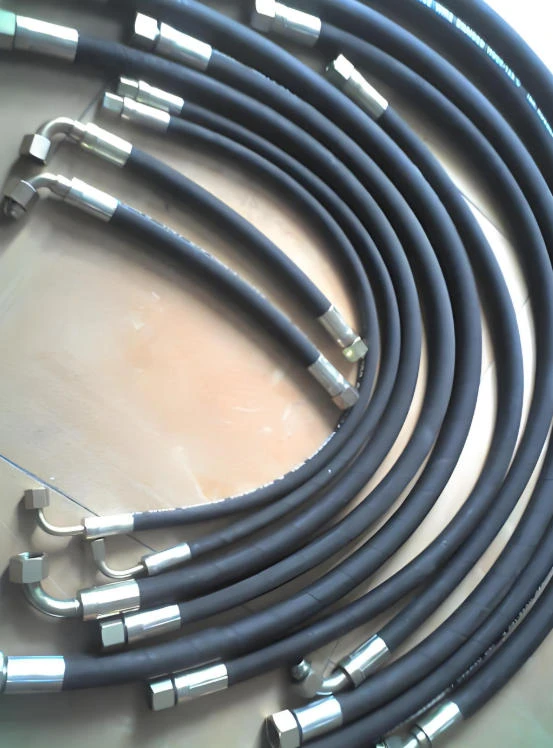
Soft rubber hose, specifically flexible hydraulic hose, represents a critical component in fluid power systems across a diverse range of industries including construction, agriculture, manufacturing, and aerospace. These hoses are designed to transmit hydraulic fluid, delivering power to actuators, motors, and other hydraulic components. Unlike rigid tubing, flexible hoses accommodate movement, vibration, and misalignment, mitigating stress on the overall system. The core performance characteristics – pressure rating, temperature resistance, fluid compatibility, and bend radius – define their suitability for specific applications. A significant industry pain point revolves around ensuring long-term reliability and preventing catastrophic failure due to hose degradation, particularly in high-pressure, high-temperature environments. The internal construction, encompassing the tube, reinforcement layers, and cover, dictates these performance attributes and is subject to rigorous industry standards.
Material Science & Manufacturing
The construction of a soft rubber hydraulic hose begins with the inner tube, typically formulated from a synthetic rubber compound such as Nitrile Rubber (NBR), Ethylene Propylene Diene Monomer (EPDM), or Chloroprene Rubber (CR). NBR excels in resistance to petroleum-based hydraulic fluids, while EPDM demonstrates superior resistance to heat, ozone, and weathering. CR offers good abrasion resistance and flexibility. The choice of rubber compound dictates fluid compatibility and operating temperature range. The reinforcement layer provides the hose’s pressure-withstanding capability. This layer commonly comprises multiple plies of high-tensile strength steel wire, spirally wound or braided. The number and configuration of these wires directly correlate to the hose's working pressure. Synthetic textile reinforcement (aramid or polyester) can be used for lower-pressure applications. The outer cover, usually a synthetic rubber like CR or polyurethane, protects the reinforcement layers from abrasion, weathering, and chemical exposure. Manufacturing involves extrusion of the inner tube and cover, followed by application of the reinforcement layer. Vulcanization, a thermal curing process, cross-links the rubber polymers, imparting elasticity, strength, and resistance to degradation. Precise control of temperature, pressure, and curing time are paramount. Post-production testing includes burst pressure testing, impulse testing (cyclic pressure fluctuations), and dimensional verification to ensure adherence to specifications. Fitting attachment, often employing swaging or crimping techniques, represents a critical step, demanding precise tooling and quality control to prevent leakage and failure.
Performance & Engineering
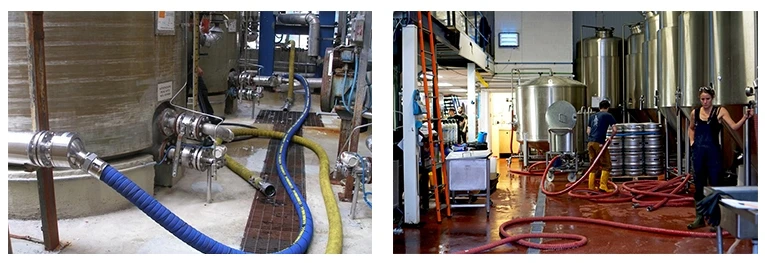
Hydraulic hose performance is governed by several key engineering principles. Burst pressure, the maximum pressure the hose can withstand before rupture, is a fundamental specification. Working pressure is significantly lower, typically 50-75% of the burst pressure, providing a safety factor. Impulse pressure, representing cyclic pressure spikes, is a crucial consideration in applications involving pulsating flows, such as hydraulic hammers. Hose bend radius, the minimum allowable radius of curvature, influences stress concentration and hose life. Exceeding the specified bend radius can cause kinking and premature failure. Temperature resistance dictates the hose’s suitability for various operating environments. Elevated temperatures accelerate rubber degradation and reduce pressure capacity. Fluid compatibility is paramount; incompatible fluids can cause swelling, softening, or cracking of the rubber materials. Finite Element Analysis (FEA) is frequently employed to model stress distributions within the hose under various loading conditions, optimizing reinforcement layer design and predicting fatigue life. Compliance requirements, such as SAE J517 (for hydraulic hose) and ISO 6898 (for hydraulic applications), dictate minimum performance standards and testing procedures. Proper hose routing and support are essential to prevent abrasion, kinking, and excessive stress, maximizing operational longevity. Selecting the correct hose type for the application—considering pressure, temperature, fluid type, and environmental factors—is critical for system reliability and safety.
Technical Specifications
| Parameter | Unit | NBR Hose (Typical) | EPDM Hose (Typical) |
|---|---|---|---|
| Working Pressure | psi | 2000 | 1500 |
| Burst Pressure | psi | 8000 | 6000 |
| Temperature Range | °F | -40 to 212 | -40 to 250 |
| Inner Tube Material | - | Nitrile Rubber (NBR) | Ethylene Propylene Diene Monomer (EPDM) |
| Reinforcement | - | Multiple Steel Wire Braids | Spirally Wound Steel Wire |
| Cover Material | - | Chloroprene Rubber (CR) | Chloroprene Rubber (CR) |
Failure Mode & Maintenance
Several failure modes can compromise the integrity of flexible hydraulic hoses. Fatigue cracking, induced by repeated pressure cycling and flexing, often initiates at the reinforcement layer and propagates through the rubber matrix. Abrasion, resulting from contact with abrasive surfaces, degrades the outer cover, exposing the reinforcement layers to corrosion. Chemical degradation, caused by incompatible fluids, leads to swelling, softening, and cracking of the rubber components. Ozone cracking, prevalent in EPDM hoses exposed to atmospheric ozone, manifests as surface cracks. Kinking, caused by exceeding the minimum bend radius, creates localized stress concentrations and can lead to rupture. Improper installation, such as over-tightening fittings or incorrect routing, introduces stress and accelerates failure. Maintenance procedures should include regular visual inspections for signs of abrasion, cracking, swelling, or leakage. Hose assemblies should be replaced at predetermined intervals, based on operating conditions and manufacturer’s recommendations. Fluid analysis is crucial to identify contaminants or incompatible fluids. Proper storage, protected from sunlight, ozone, and extreme temperatures, extends hose lifespan. When replacing hoses, ensure compatibility with the hydraulic fluid and operating conditions. Never attempt to repair a damaged hose; replacement is the only reliable solution. Regularly check fittings for tightness and corrosion.
Industry FAQ
Q: What is the primary difference between braided and spiraled hydraulic hoses and when would I choose one over the other?
A: Braided hoses utilize multiple layers of wire woven together, offering excellent flexibility and resistance to kinking. They are suitable for applications with tight bend radii and frequent movement. Spiraled hoses feature a single wire wound in a helix, providing higher pressure capacity and superior burst strength. They are preferred for applications requiring high flow rates and less frequent flexing.
Q: How does temperature affect the performance and lifespan of a hydraulic hose?
A: Elevated temperatures accelerate the degradation of rubber compounds, reducing their elasticity and strength. Higher temperatures also decrease the hose’s pressure capacity. Conversely, extremely low temperatures can make the rubber brittle and prone to cracking. Selecting a hose with a temperature rating appropriate for the operating environment is crucial.
Q: What is the role of the fitting in the overall reliability of a hydraulic hose assembly?
A: The fitting is a critical component. Improperly crimped or swaged fittings can lead to leakage, premature failure, and even catastrophic hose rupture. Fittings must be compatible with the hose and hydraulic fluid, and installed correctly using calibrated tooling and procedures.
Q: How can I determine the correct working pressure for a hydraulic hose in my application?
A: The working pressure should be determined by considering the maximum system pressure, pressure spikes (impulse pressure), and a safety factor (typically 4:1). The hose's rated working pressure must exceed the maximum system pressure, accounting for potential fluctuations.
Q: What steps should be taken to ensure the longevity of hydraulic hoses during storage?
A: Hydraulic hoses should be stored in a cool, dry, dark environment, away from direct sunlight, ozone sources, and extreme temperatures. They should be stored loosely coiled, avoiding sharp bends or kinks. Avoid storing hoses in contact with oil or other chemicals.
Conclusion
Flexible hydraulic hoses are indispensable components in numerous industrial applications, demanding careful consideration of material selection, manufacturing processes, and operational parameters. Understanding the interplay between rubber compound properties, reinforcement layer design, and external factors such as temperature and fluid compatibility is critical for ensuring reliable performance and preventing premature failure. The implementation of robust maintenance procedures, including regular inspections and timely replacement, further contributes to system longevity and safety.
Future developments in hydraulic hose technology are focused on enhancing durability, reducing weight, and improving environmental sustainability. Innovations in rubber compound formulations, reinforcement materials (such as carbon fiber), and hose construction techniques are continuously pushing the boundaries of performance. Adherence to relevant industry standards and best practices remains paramount for maintaining the integrity and safety of hydraulic systems.