


sae hydraulic hose pricelist Performance Engineering

Introduction
SAE hydraulic hose, categorized by standards defined by the Society of Automotive Engineers (SAE), constitutes a critical component within fluid power systems across diverse industrial applications. These hoses are engineered to transmit hydraulic fluid under pressure, facilitating power transmission in equipment ranging from construction machinery and agricultural implements to manufacturing systems and aerospace applications. Their technical position within the supply chain is pivotal, serving as the final conduit connecting hydraulic pumps, valves, and actuators. Core performance characteristics defining these hoses include pressure rating, temperature resistance, fluid compatibility, and burst strength. The effective selection of SAE hydraulic hose—and understanding the nuances of pricelists—is essential for system reliability, operator safety, and minimized downtime. This guide provides a detailed examination of the materials, manufacturing processes, performance criteria, failure modes, and maintenance considerations pertaining to SAE hydraulic hose, offering a technical foundation for informed procurement and application.
Material Science & Manufacturing
SAE hydraulic hose construction typically involves multiple layers, each contributing to specific performance attributes. The inner tube, in direct contact with the hydraulic fluid, is commonly manufactured from synthetic rubbers like nitrile (NBR), ethylene propylene diene monomer (EPDM), or fluorocarbon (FKM), selected based on fluid compatibility – crucial to prevent degradation and maintain hose integrity. NBR provides excellent resistance to petroleum-based fluids, EPDM excels with phosphate ester fluids, and FKM offers superior chemical resistance at elevated temperatures. Reinforcement layers, providing the hose's strength, are typically braided or spiraled from high-tensile steel wire, or synthetic fiber like aramid. Steel provides higher pressure ratings, while aramid offers greater flexibility and a lighter weight. The outer cover, protecting the reinforcement from abrasion, environmental degradation (UV exposure, ozone cracking), and damage, is commonly constructed from synthetic rubbers like chloroprene or polyurethane. Manufacturing processes vary based on hose type. Braided hoses involve helically winding steel wire around a mandrel, followed by vulcanization to bond the layers. Spiral hoses utilize continuously wound steel wire, offering higher pressure capacity. Key parameter control during manufacturing includes precise wire tension during braiding/spiraling, accurate rubber compound mixing and curing times, and dimensional control to ensure consistent inner diameter and wall thickness. Process variations, like pre-skiving of the inner tube for improved bend radius, also impact hose performance.
Performance & Engineering
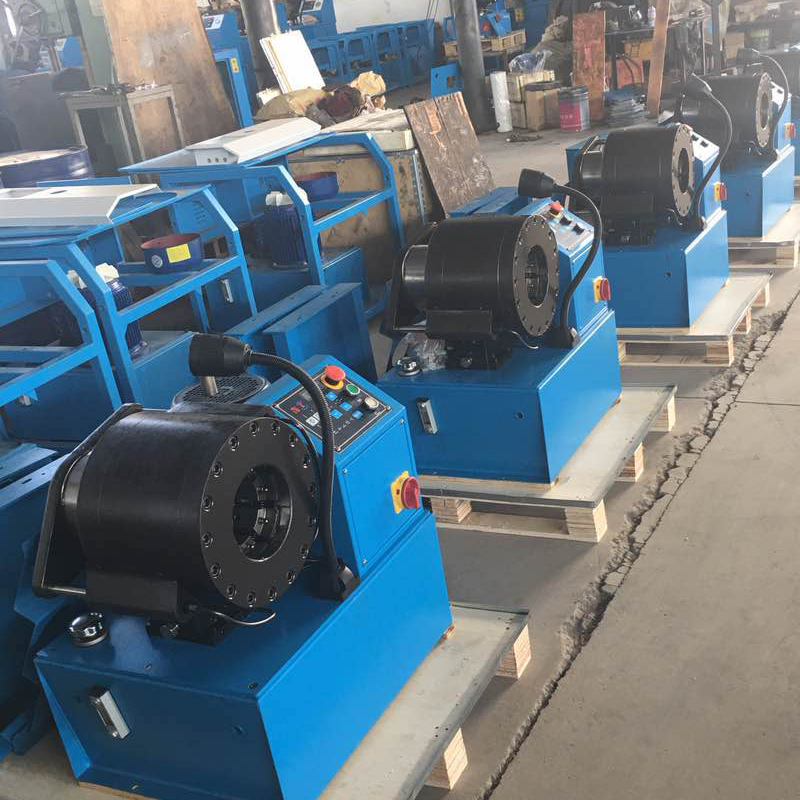
The performance of SAE hydraulic hose is governed by several key engineering considerations. Burst pressure, a critical parameter, represents the maximum pressure the hose can withstand before catastrophic failure, determined through hydrostatic testing per SAE standards. Working pressure is significantly lower, typically 50-75% of the burst pressure, providing a safety factor. Temperature range dictates the operating limits; exceeding these limits can lead to rubber degradation and reduced hose life. Fluid compatibility, as previously mentioned, prevents swelling, cracking, or softening of the inner tube. Fatigue resistance, the hose’s ability to withstand repeated pressure cycling, is vital in applications with dynamic loads. Bend radius is an important factor impacting hose life; exceeding the minimum bend radius induces stress concentration and accelerates failure. Force analysis during installation and operation must account for hose weight, fluid pressure, and external loads. Environmental resistance – to factors like ozone, UV radiation, and chemical exposure – is critical for outdoor applications. Compliance requirements, dictated by SAE J517 and other relevant standards (see footer), ensure consistent quality and performance. Proper hose assembly, including the selection of compatible fittings and correct crimping procedures, is paramount to achieving rated performance.
Technical Specifications
| Hose Type (SAE Standard) | Working Pressure (PSI) | Burst Pressure (PSI) | Temperature Range (°F) |
|---|---|---|---|
| SAE 100 R1 AT | 2000 | 8000 | -40 to +212 |
| SAE 100 R2 AT | 1200 | 4800 | -40 to +212 |
| SAE 100 R6 | 2250 | 9000 | -40 to +240 |
| SAE 100 R7 | 750 | 3000 | -40 to +212 |
| SAE 100 R8 | 1000 | 4000 | -40 to +212 |
| SAE 100 R9 | 1500 | 6000 | -40 to +240 |
Failure Mode & Maintenance
SAE hydraulic hose failures commonly manifest in several modes. Fatigue cracking, caused by repeated pressure cycling and flexing, often initiates at the inner tube/reinforcement interface. Abrasion damage, resulting from external contact with surfaces, compromises the outer cover and eventually the reinforcement. Pinholes in the inner tube can occur due to internal corrosion or damage from incompatible fluids. Bursting, a catastrophic failure, is typically triggered by exceeding the working pressure or a pre-existing defect. Twisting, during installation or operation, introduces stress concentration and accelerates fatigue. Kinking, exceeding the minimum bend radius, damages the inner tube and reduces flow. Proper maintenance is crucial to prolonging hose life. Regular visual inspections should identify signs of abrasion, cracking, bulging, or leaking. Fluid analysis can detect contamination or degradation that could damage the hose. Hose routing should minimize bending, twisting, and contact with abrasive surfaces. Crimped fittings should be periodically inspected for tightness and corrosion. Replacing hoses at recommended intervals, based on application severity and operating conditions, prevents unexpected failures. Maintaining a clean hydraulic system, with appropriate filtration, prevents internal contamination and extends hose life. Consider using hose guards to protect against abrasion in high-wear areas.
Industry FAQ
Q: What is the difference between SAE 100 R1 AT and SAE 100 R2 AT hose?
A: The primary difference lies in their working and burst pressures. SAE 100 R1 AT is designed for higher pressure applications (2000 PSI working, 8000 PSI burst) and features a single steel wire braid. SAE 100 R2 AT has a lower pressure rating (1200 PSI working, 4800 PSI burst) and utilizes two steel wire braids. R1 AT is suitable where high flow and pressure are required, while R2 AT provides increased flexibility and is often used in lower-pressure systems.
Q: How does temperature affect hydraulic hose performance?
A: Temperature extremes significantly impact hose performance. High temperatures can cause rubber degradation, reducing elasticity and strength, and leading to leaks. Low temperatures can cause rubber to stiffen, decreasing flexibility and increasing the risk of cracking. Exceeding the specified temperature range can drastically reduce hose lifespan.
Q: What type of fitting is recommended for SAE hydraulic hose?
A: The fitting type must be compatible with the hose and the hydraulic system. Field-attachable fittings (e.g., crimp fittings) are commonly used, requiring a specialized crimping tool. The fitting material (steel, stainless steel, brass) should be selected based on fluid compatibility and environmental conditions. Ensure the fitting’s pressure rating matches or exceeds the hose’s working pressure.
Q: How can I prevent hose twisting during installation?
A: Avoid twisting the hose during installation by allowing it to rotate freely as you connect the fittings. Use hose swivel fittings where necessary to accommodate movement and prevent twisting. Properly support the hose to minimize stress and prevent it from kinking or twisting during operation.
Q: What is the importance of fluid compatibility in hose selection?
A: Fluid compatibility is paramount. Using a hose incompatible with the hydraulic fluid will lead to swelling, cracking, or softening of the inner tube, resulting in leaks and premature failure. Always consult a fluid compatibility chart to ensure the hose material is suitable for the specific fluid being used.
Conclusion
The selection and maintenance of SAE hydraulic hose represent a critical aspect of hydraulic system integrity and operational safety. Understanding the nuances of material science, manufacturing processes, and performance specifications – particularly as reflected in pricelists – is essential for making informed decisions that optimize system reliability and minimize downtime. Proper hose selection, installation, and ongoing monitoring are not merely cost-saving measures, but fundamental principles for ensuring the long-term performance and safety of hydraulic machinery.
Future advancements in hydraulic hose technology will likely focus on developing more durable materials, improved manufacturing techniques, and intelligent monitoring systems capable of detecting early signs of degradation. Emphasis on sustainable materials and environmentally friendly manufacturing processes will also become increasingly important. Continuous professional development for engineers and technicians involved in hydraulic system maintenance will be vital to adopting these advancements and maintaining the highest standards of safety and performance.