


Rubber Hose Performance Analysis
Introduction
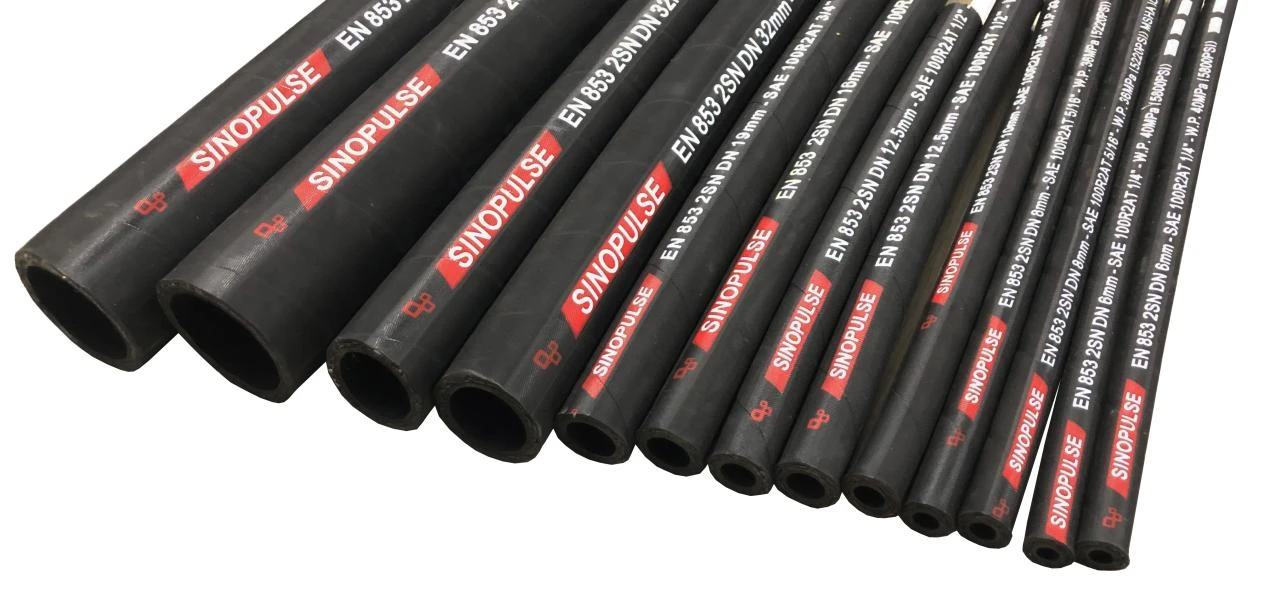
Rubber hose, a flexible conduit for conveying fluids and gases, occupies a critical position across numerous industrial sectors. Functioning as a fundamental component in hydraulic systems, automotive cooling circuits, material transfer processes, and agricultural irrigation, its performance directly impacts system efficiency, reliability, and safety. Unlike rigid piping, rubber hoses provide adaptability to vibration, movement, and complex routing requirements. This guide provides an in-depth exploration of rubber hose technology, encompassing material science, manufacturing processes, performance characteristics, failure modes, and relevant industry standards. A key pain point in the industry centers around optimizing hose performance for specific fluid compatibility and operating pressures while maintaining long-term durability and mitigating premature failure due to environmental factors and mechanical stress. The selection of the appropriate rubber compound and reinforcement structure is therefore paramount to successful implementation.
Material Science & Manufacturing
The core material of rubber hose is, predictably, rubber – though the specific type dictates performance characteristics. Common elastomers include Natural Rubber (NR), Styrene-Butadiene Rubber (SBR), Ethylene Propylene Diene Monomer (EPDM), Nitrile Rubber (NBR), and Chloroprene Rubber (CR, Neoprene). NR offers excellent tensile strength and elasticity, ideal for general-purpose applications, but exhibits poor resistance to oil and ozone. SBR provides good abrasion resistance and is a cost-effective alternative to NR. EPDM excels in resistance to weathering, ozone, and heat, making it suitable for outdoor applications and coolant systems. NBR is specifically chosen for its excellent resistance to oils, fuels, and hydraulic fluids. CR offers a balance of oil resistance, weathering resistance, and moderate temperature performance. Beyond the base elastomer, compounding ingredients such as carbon black (for reinforcement and UV protection), plasticizers (for flexibility), antioxidants (to prevent degradation), and curatives (for vulcanization) are meticulously blended.
Manufacturing typically involves several key stages. First, the rubber compound is mixed and milled to ensure homogeneity. This is followed by extrusion, where the compound is forced through a die to create a continuous hose tube. Reinforcement layers – often textile braids (polyester, nylon) or steel wire helices – are then applied to provide pressure resistance and prevent kinking. These reinforcement layers are crucial for handling internal pressures and resisting axial deformation. The reinforcement is applied using automated winding machines, ensuring consistent layer tension and coverage. Finally, vulcanization (curing) is performed, typically using heat and pressure, to crosslink the polymer chains, transforming the pliable rubber compound into a durable, elastic material. Precise control of temperature and curing time is critical to achieving optimal physical properties. Post-vulcanization processes may include trimming, inspection, and surface treatment.
Performance & Engineering
Rubber hose performance is dictated by several key engineering parameters. Burst pressure, the maximum pressure the hose can withstand before failure, is a critical safety specification determined by reinforcement type and hose wall thickness. Working pressure, typically a fraction of the burst pressure (often with a 4:1 safety factor), defines the continuous operating pressure limit. Tensile strength, measured in PSI or MPa, indicates the hose’s resistance to stretching and tearing. Elongation at break represents the percentage of stretch before failure. Fluid compatibility is paramount; exposure to incompatible fluids can cause swelling, softening, or degradation of the rubber compound, leading to leakage or failure. Temperature range, dictated by the elastomer’s glass transition temperature (Tg) and decomposition temperature, defines the hose's operational limits. Kink radius, the minimum bend radius without causing collapse, is essential for installations in confined spaces. Fatigue resistance, assessed through repeated pressure cycling, determines the hose's longevity under dynamic loading conditions.
Force analysis involves considering both internal pressure forces (hoop stress) and external mechanical loads (bending, twisting, axial tension). Finite element analysis (FEA) is frequently employed to model stress distributions and optimize hose design for specific applications. Compliance requirements vary widely by industry. For example, hydraulic hoses used in heavy machinery must meet SAE J517 standards, while automotive coolant hoses must comply with OEM specifications. Leakage prevention is a significant engineering challenge, achieved through proper hose clamping, fitting selection, and surface finish. Environmental resistance encompasses protection against UV radiation, ozone degradation, chemical exposure, and abrasion. The selection of appropriate rubber compounds and protective coatings (e.g., abrasion-resistant covers) are crucial for extending service life in harsh environments.
Technical Specifications
| Parameter | Natural Rubber (NR) | Nitrile Rubber (NBR) | EPDM | Chloroprene Rubber (CR) |
|---|---|---|---|---|
| Tensile Strength (MPa) | 20-30 | 15-25 | 18-28 | 12-20 |
| Elongation at Break (%) | 500-800 | 300-500 | 400-600 | 200-400 |
| Hardness (Shore A) | 50-70 | 60-90 | 60-80 | 40-80 |
| Temperature Range (°C) | -40 to +80 | -40 to +120 | -45 to +150 | -40 to +100 |
| Oil Resistance | Poor | Excellent | Good | Good |
| Ozone Resistance | Poor | Moderate | Excellent | Moderate |
Failure Mode & Maintenance
Rubber hose failure can manifest in several ways. Fatigue cracking, often initiated at the inner radius due to repeated bending and pressure cycling, is a common failure mode. Delamination, the separation of reinforcement layers from the rubber matrix, can occur due to inadequate bonding or exposure to aggressive fluids. Swelling or softening caused by incompatible fluids compromises the hose's structural integrity. Oxidation and UV degradation lead to surface cracking and embrittlement, particularly in outdoor applications. Abrasion can wear through the hose cover, exposing the reinforcement layers. Kinking, resulting from exceeding the minimum bend radius, causes localized stress concentrations and potential rupture. Improper installation, such as over-tightening fittings or using incorrect clamping methods, can also induce premature failure.
Preventative maintenance is critical for maximizing hose life. Regular visual inspections should be conducted to identify signs of cracking, swelling, abrasion, or delamination. Pressure testing can reveal leaks or weakening of the hose wall. Proper hose routing and support are essential to minimize bending stress and prevent kinking. Fluid compatibility should be verified before use. Fittings should be properly torqued according to manufacturer’s specifications. Hoses should be replaced periodically based on operating conditions and manufacturer’s recommendations. In the event of a leak or suspected damage, the hose should be immediately removed from service and replaced. Storage of spare hoses should be in a cool, dry, and dark location, away from ozone sources and direct sunlight.
Industry FAQ
Q: What is the impact of fluid velocity on rubber hose lifespan?
A: High fluid velocity increases erosion of the inner hose liner, particularly with abrasive fluids or particulate matter. This erosion thins the hose wall, reducing its burst pressure and leading to premature failure. Furthermore, increased velocity generates higher pressure drop, potentially exceeding the hose's pressure rating. Proper sizing of the hose diameter to maintain acceptable fluid velocity is critical.
Q: How do different reinforcement materials affect hose performance?
A: Textile braids (polyester, nylon) offer good flexibility and resistance to kinking but have lower pressure ratings compared to steel wire reinforcement. Steel wire helices provide significantly higher pressure capabilities but are less flexible. The choice depends on the application’s pressure requirements and flexibility needs.
Q: What are the considerations for selecting a hose cover material?
A: The hose cover protects the reinforcement layers from environmental factors and abrasion. EPDM covers offer excellent weathering resistance, while polyurethane covers provide superior abrasion resistance. The cover material must also be compatible with the conveyed fluid to prevent degradation.
Q: How does temperature affect rubber hose performance and longevity?
A: Elevated temperatures accelerate the degradation of the rubber compound, leading to reduced tensile strength, elasticity, and chemical resistance. Low temperatures can cause the rubber to become brittle and prone to cracking. Maintaining operating temperatures within the specified range for the chosen elastomer is crucial for maximizing service life.
Q: What are the key differences between static and dynamic applications regarding hose selection?
A: Dynamic applications (e.g., hydraulic cylinders) involve continuous bending and movement, requiring hoses with superior fatigue resistance and flexibility. Static applications (e.g., coolant lines) prioritize pressure resistance and fluid compatibility. Dynamic applications often necessitate specialized hose constructions, such as spiral-wound hoses, to accommodate repeated flexing.
Conclusion
Rubber hose technology represents a complex interplay of material science, manufacturing precision, and engineering design. The appropriate selection of elastomer, reinforcement structure, and hose construction is paramount to ensuring reliable performance, safety, and longevity in diverse industrial applications. Understanding the failure modes and implementing proactive maintenance strategies are equally vital for maximizing hose service life and minimizing downtime.
Future advancements in rubber hose technology will likely focus on developing novel elastomers with enhanced chemical resistance and temperature performance, incorporating smart sensors for real-time condition monitoring, and optimizing hose designs for specific applications through advanced modeling and simulation techniques. Sustainable materials and manufacturing processes will also become increasingly important considerations.