


Resin Hose Factories Performance Analysis

Introduction
Resin hoses represent a critical component in fluid conveyance systems across a diverse range of industries, including automotive, agriculture, chemical processing, and hydraulic machinery. These hoses, typically constructed from a combination of polymeric resins, reinforcing layers, and protective outer covers, are engineered to withstand high pressures, extreme temperatures, and exposure to aggressive chemical environments. Their prominence stems from their flexibility, relative lightweight nature, and cost-effectiveness compared to traditional metal tubing. This technical guide provides an in-depth examination of resin hose technology, encompassing material science, manufacturing processes, performance characteristics, failure modes, and relevant industry standards. We will specifically address considerations vital to procurement and engineering teams, focusing on optimizing hose selection for specific application requirements and mitigating potential operational risks. The core pain points in the industry revolve around ensuring long-term chemical compatibility, preventing permeation, and maintaining consistent burst pressure performance in dynamic operating conditions.
Material Science & Manufacturing
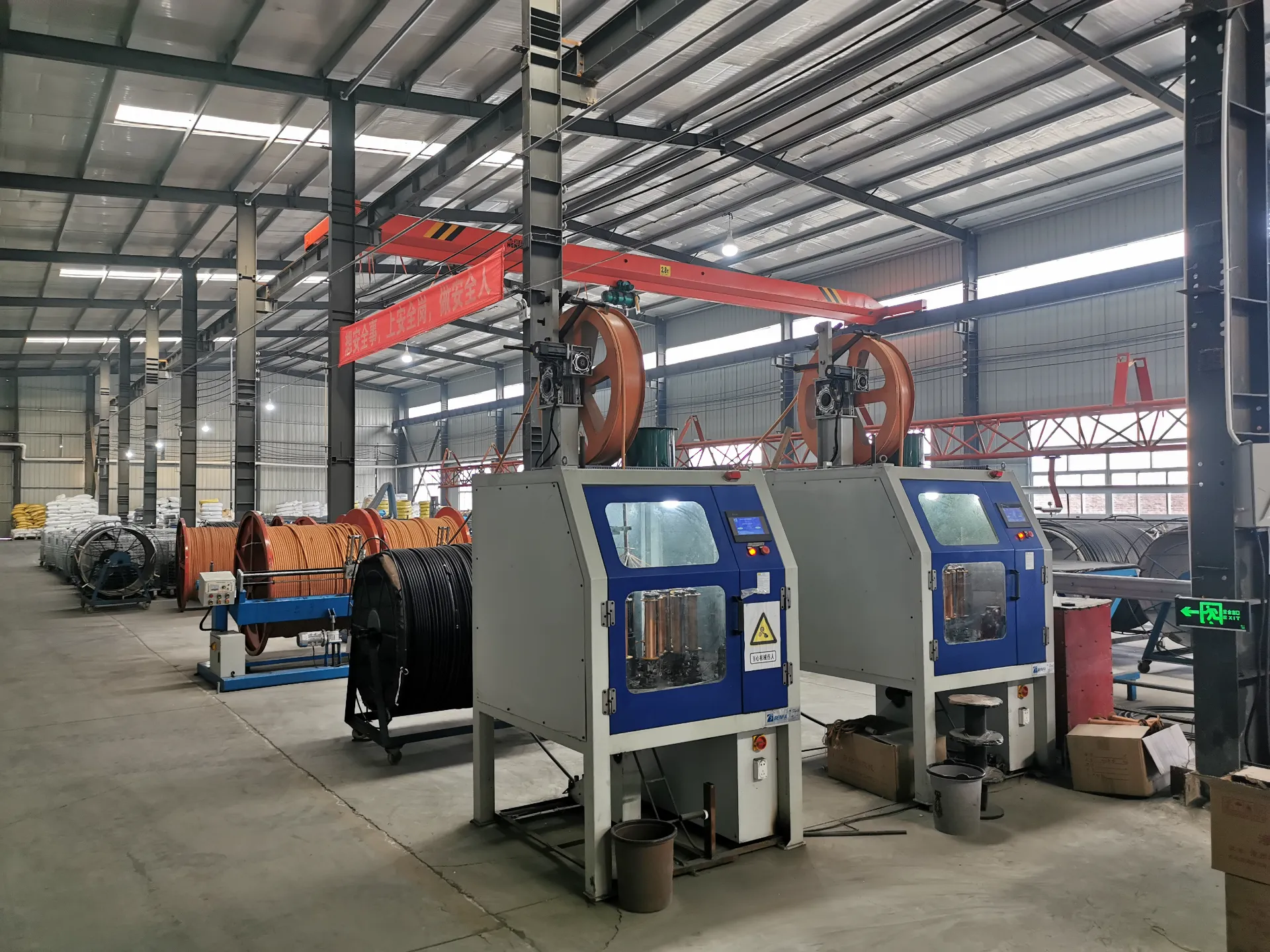
The foundational material for resin hoses is the thermoplastic or thermoset resin. Common thermoplastic choices include Polyethylene (PE), Polypropylene (PP), Polyamide (Nylon), Polyvinyl Chloride (PVC), and Polyurethane (PU). Thermosets commonly employed are Polyester, Epoxy, and Phenolic resins. Each material possesses unique characteristics affecting performance. For instance, PVC offers excellent chemical resistance and low cost but suffers from limited temperature range and flexibility. Polyurethane excels in abrasion resistance and flexibility but can be susceptible to hydrolysis. Reinforcement layers, crucial for pressure containment, typically consist of textile braids (polyester, nylon, aramid fibers) or spirally wound steel wire. The braiding process involves interlacing yarns under tension to create a robust, flexible structure. Spiral winding offers higher pressure ratings but may exhibit reduced flexibility. Outer cover materials, providing environmental protection, are frequently composed of synthetic rubbers like EPDM, nitrile rubber (NBR), or chloroprene rubber (CR), selected for their resistance to ozone, UV radiation, and specific chemical exposures. Manufacturing processes vary depending on hose type. Extrusion is used to create the inner and outer layers, with precise temperature control and die design being critical to ensure consistent wall thickness and material properties. Brazing or adhesive bonding secures the reinforcement layer to the inner layer. Key parameter control includes resin melt temperature, extrusion speed, braiding tension, and curing time (for thermoset resins). Improper control can lead to defects like porosity, delamination, and dimensional inconsistencies.
Performance & Engineering
Resin hose performance is dictated by several key engineering parameters. Burst pressure, a critical safety factor, is determined through hydrostatic testing according to industry standards (see section 7). Tensile strength, measured via standardized tests (ASTM D2370), assesses the hose's resistance to stretching and tearing. Flexural modulus, evaluating stiffness, is important in applications involving bending and routing. Chemical compatibility is paramount; prolonged exposure to incompatible fluids can cause swelling, degradation, and ultimately, failure. Permeation rate, the diffusion of fluids through the hose wall, is a concern in applications where fluid loss is unacceptable. Environmental resistance encompasses UV degradation, ozone cracking, and temperature cycling. Force analysis, particularly in hydraulic systems, requires consideration of pressure pulsations and dynamic loads. Finite Element Analysis (FEA) is frequently employed to model stress distribution and optimize hose design. Compliance requirements vary by industry and region. For example, automotive hoses must meet FMVSS 571 standards, while food-grade hoses require compliance with FDA regulations. The selection of appropriate reinforcement materials and resin compounds is crucial to meeting these performance and compliance criteria.
Technical Specifications
| Parameter | Unit | Typical Range (PVC Hose) | Typical Range (Polyurethane Hose) |
|---|---|---|---|
| Working Pressure | psi | 0-300 | 300-2000 |
| Burst Pressure | psi | 900-1200 | 900-6000 |
| Temperature Range | °F | -20 to 150 | -40 to 175 |
| Tensile Strength | psi | 4000-6000 | 6000-8000 |
| Elongation at Break | % | 200-400 | 300-600 |
| Chemical Resistance | Rating (1-5) | 4 (Good to many chemicals) | 3 (Moderate resistance) |
Failure Mode & Maintenance
Resin hoses are susceptible to several failure modes. Fatigue cracking, induced by repeated pressure cycling, often initiates at stress concentration points (e.g., fittings). Delamination, separation of reinforcement layers, weakens the hose structure. Degradation, caused by chemical attack or UV exposure, reduces material properties. Oxidation, particularly in rubber components, leads to embrittlement. Permeation, over time, can cause dimensional changes and loss of fluid. Abrasive wear, from internal fluid particles or external contact, thins the hose wall. Proper maintenance is crucial for extending hose lifespan. Regular visual inspections should identify cracks, bulges, and signs of degradation. Pressure testing, periodically, verifies hose integrity. Correct installation, avoiding sharp bends and excessive tension, minimizes stress. Fluid compatibility must be verified to prevent chemical attack. Storage conditions should protect hoses from UV radiation, extreme temperatures, and ozone exposure. For preventative maintenance, hoses should be replaced based on a predetermined schedule, considering operating conditions and fluid types. Implementing a hose management program, including tracking hose age and usage, can significantly reduce downtime and prevent catastrophic failures.
Industry FAQ
Q: What is the impact of different reinforcement materials (textile vs. spiral wire) on hose life and performance?
A: Textile reinforcement (braided) provides excellent flexibility and resistance to kinking but typically has lower pressure ratings than spiral wire reinforcement. Spiral wire offers higher pressure capacity and burst strength, but may be less flexible and more prone to damage from bending. The optimal choice depends on the application's pressure, bending radius, and dynamic loading requirements. Textile reinforced hoses generally have longer fatigue lives under moderate pressure fluctuations, while spiral wire excels in high-pressure, static applications.
Q: How do you assess the chemical compatibility of a resin hose with a specific fluid?
A: Chemical compatibility assessment involves reviewing chemical resistance charts provided by resin manufacturers. However, these charts are often guidelines. Ideally, immersion testing should be conducted, exposing hose samples to the fluid at operating temperatures for extended periods. Changes in weight, volume, hardness, and tensile strength are monitored to determine the fluid’s impact on hose properties. Consideration should be given to fluid additives and contaminants.
Q: What are the key considerations when selecting a hose for high-temperature applications?
A: High-temperature applications require resins with high glass transition temperatures (Tg) and excellent thermal stability. Polyurethane and fluoropolymers are often preferred. The reinforcement layer must also be thermally stable. The hose cover needs to resist degradation from heat and oxidation. Careful consideration must be given to the hose’s operating temperature range, ensuring it exceeds the maximum expected temperature. Thermal expansion and contraction can also induce stress, requiring appropriate design allowances.
Q: How does permeation affect hose performance, and what measures can be taken to minimize it?
A: Permeation can lead to fluid loss, reduced hose wall thickness, and potential contamination. Minimizing permeation involves selecting resins with low permeability, increasing hose wall thickness, and using barrier layers (e.g., aluminum foil). Properly crimped fittings also reduce leakage pathways. The choice of resin significantly impacts permeation rates; fluoropolymers generally exhibit the lowest permeability.
Q: What are the common causes of hose failures in hydraulic systems, and how can they be prevented?
A: Common causes include exceeding pressure limits, improper installation, fluid contamination, and chemical incompatibility. Prevention involves using hoses rated for the system pressure, ensuring correct fitting selection and crimping, implementing filtration systems to remove contaminants, and verifying fluid compatibility. Regular inspections and preventative maintenance are also crucial.
Conclusion
Resin hoses represent a versatile and cost-effective solution for fluid conveyance, but their performance is heavily dependent on careful material selection, precise manufacturing processes, and diligent maintenance. Understanding the interplay between resin properties, reinforcement configurations, and operating conditions is paramount for ensuring long-term reliability and safety. The industry’s ongoing pursuit of improved materials, advanced manufacturing techniques, and robust quality control measures continues to drive innovation in resin hose technology.
Looking ahead, we anticipate greater adoption of smart hose technologies, incorporating sensors to monitor pressure, temperature, and leakage. Further research into bio-based and sustainable resin materials will address growing environmental concerns. Enhanced FEA modeling and simulation tools will optimize hose designs for specific applications, reducing weight and improving performance. Ultimately, a holistic approach, encompassing careful engineering, proactive maintenance, and adherence to industry standards, will maximize the benefits and minimize the risks associated with resin hose systems.