


Resin Hose Exporters Performance Analysis
Introduction
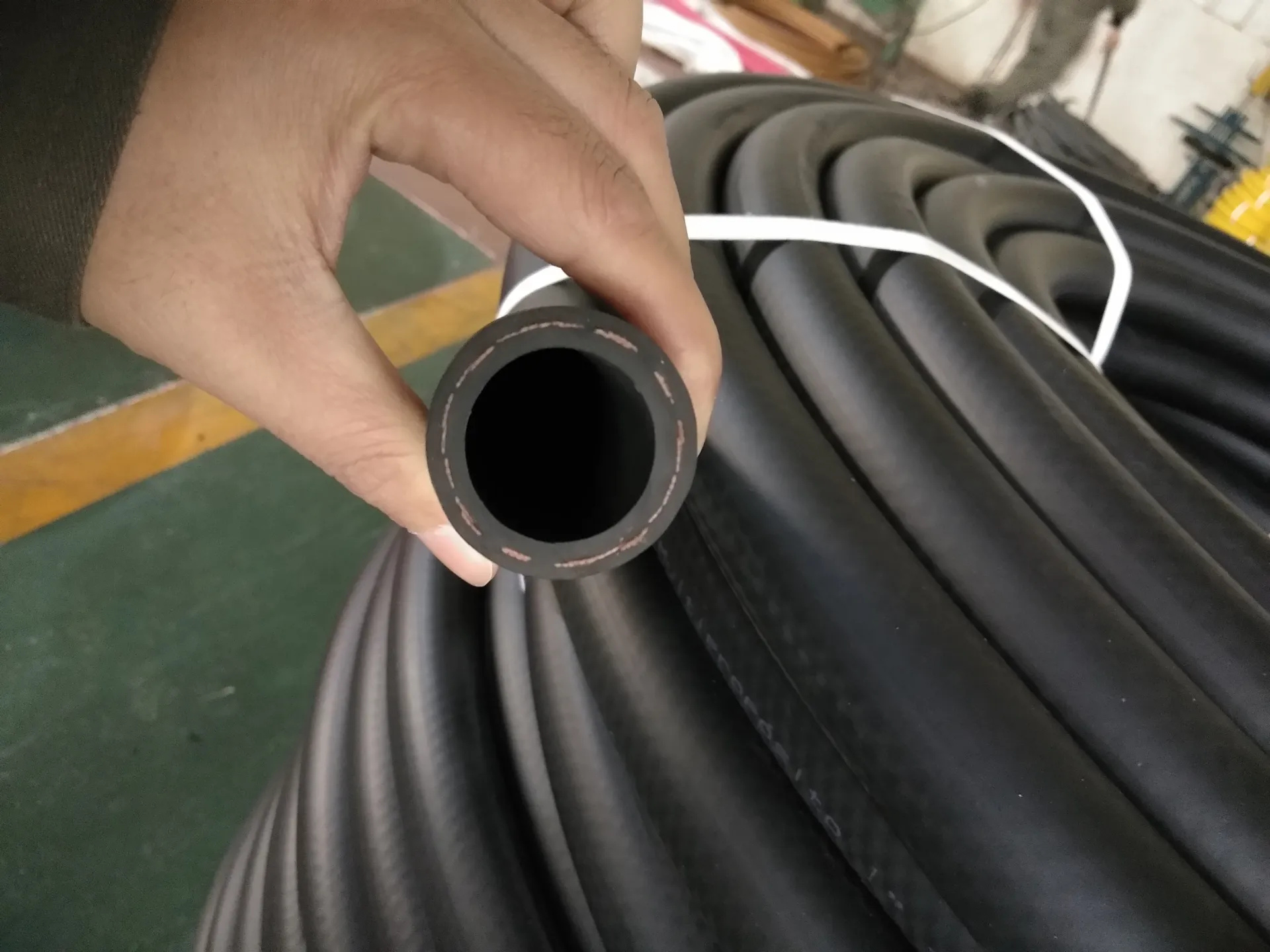
Resin hoses represent a crucial component in numerous industrial fluid transfer applications, encompassing sectors such as chemical processing, agriculture, oil & gas, and specialized manufacturing. Unlike traditional rubber or metal hoses, resin hoses are constructed from thermoplastic materials – typically polyethylene (PE), polypropylene (PP), polyvinyl chloride (PVC), or fluoropolymers like PTFE and PFA – offering a unique combination of chemical resistance, flexibility, and lightweight construction. As exporters, understanding the nuances of resin hose manufacturing, performance characteristics, and compliance standards is paramount to meeting diverse and demanding client requirements. This guide provides a comprehensive technical overview of resin hoses, addressing material science, manufacturing processes, performance parameters, potential failure modes, and relevant industry regulations, targeted towards B2B industrial technology professionals and procurement managers involved in international trade.
Material Science & Manufacturing
The core of resin hose performance lies in the selection of thermoplastic materials. Polyethylene (PE), particularly High-Density Polyethylene (HDPE), provides excellent chemical resistance to acids, alkalis, and many solvents, coupled with good flexibility and low cost. However, PE has limited temperature resistance. Polypropylene (PP) offers improved temperature resistance compared to PE, generally up to 80°C, along with good chemical inertness. PVC, while economical and versatile, suffers from potential plasticizer leaching and lower temperature performance. Fluoropolymers, such as Polytetrafluoroethylene (PTFE) and Perfluoroalkoxy (PFA), stand out for exceptional chemical resistance across a broad temperature range (-200°C to +260°C for PTFE), but at a significantly higher cost.
Manufacturing processes vary depending on the chosen resin and hose specifications. Extrusion is the predominant method, where thermoplastic granules are melted and forced through a die to form a continuous tube. Subsequent processes include cooling, sizing, and optionally, braiding or spiraling for reinforcement. Braiding, typically using high-tensile polyester or aramid fibers, significantly increases burst pressure and kink resistance. Spiraling, using PVC or metal wire, offers similar reinforcement benefits at a lower cost. Layer construction is critical; some hoses employ multi-layer extrusion, combining different resins to optimize properties – for instance, an inner layer of PTFE for chemical compatibility and an outer layer of PVC for abrasion resistance. Parameter control during extrusion—melt temperature, die pressure, pull speed, and cooling rate—is crucial to ensure dimensional accuracy, consistent wall thickness, and optimal material crystallinity, influencing long-term performance. Post-extrusion quality control includes pressure testing, dimensional inspection, and chemical resistance verification.
Performance & Engineering
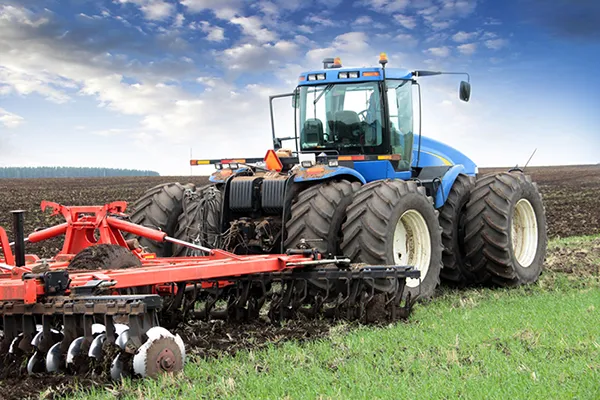
Resin hose performance is governed by several key engineering parameters. Burst pressure, the maximum pressure the hose can withstand before rupture, is determined by material strength, wall thickness, and reinforcement type. Working pressure is typically specified as a fraction of burst pressure (e.g., 1/4 or 1/3) to provide a safety margin. Tensile strength, measuring the resistance to axial pulling forces, is vital for applications involving tension or dynamic loading. Elongation at break indicates the hose's ability to stretch before failure. Chemical resistance, rigorously assessed through immersion testing with various media, dictates suitability for specific applications. Permeation rate, the rate at which gases or liquids migrate through the hose wall, is critical for handling hazardous or sensitive fluids. Environmental resistance encompasses UV stability (preventing degradation from sunlight), ozone resistance, and temperature cycling performance.
Force analysis is essential during hose design. Internal pressure creates hoop stress in the hose wall, which is counteracted by the tensile strength of the material and any reinforcement. External bending and twisting generate complex stress patterns, potentially leading to fatigue failure. Finite Element Analysis (FEA) is increasingly employed to simulate these stress distributions and optimize hose geometry and reinforcement schemes. Compliance requirements vary by industry and region. For instance, food-grade hoses must comply with FDA regulations (21 CFR 177) regarding material extractables. Hoses used in potable water systems require NSF/ANSI 61 certification. Oil & gas applications demand API specifications and adherence to safety standards such as ATEX for potentially explosive environments.
Technical Specifications
| Parameter | PE Hose (LDPE) | PP Hose | PVC Hose (Phthalate Plasticized) | PTFE Lined Hose (Stainless Steel Braided) |
|---|---|---|---|---|
| Operating Temperature (°C) | -40 to 60 | 0 to 80 | -20 to 60 | -196 to 260 |
| Burst Pressure (PSI) | 150 | 200 | 250 | 5000 |
| Chemical Resistance | Good to many acids & alkalis | Excellent to most chemicals | Fair; susceptible to some solvents | Virtually universal |
| Tensile Strength (MPa) | 10 | 25 | 15 | 70 (braid dependent) |
| Wall Thickness (mm) | 1.5 | 2.0 | 2.5 | 3.0 (liner) + 2.0 (braid) |
| Typical Applications | Irrigation, low-pressure fluid transfer | Chemical transfer, venting | Garden hoses, general-purpose transfer | High-purity chemical handling, extreme temperatures |
Failure Mode & Maintenance
Resin hose failures typically stem from several mechanisms. Fatigue cracking, arising from repeated bending and flexing, is common, particularly near fittings. Chemical attack, where the fluid being conveyed degrades the hose material, can lead to embrittlement and leakage. Abrasion, caused by contact with abrasive particles or surfaces, erodes the outer layer, reducing wall thickness and increasing the risk of rupture. Permeation, especially with volatile fluids, can cause swelling and dimensional instability. Environmental degradation, including UV exposure and ozone cracking, weakens the material over time. Delamination, the separation of layers in multi-layer hoses, compromises structural integrity. Oxidation, particularly in PP and PE, can cause chain scission and loss of mechanical properties.
Preventative maintenance is crucial. Regular visual inspection for cracks, abrasions, and swelling is essential. Pressure testing should be conducted periodically to verify integrity. Proper fitting installation and tightening are critical to prevent leaks and stress concentrations. Avoid exposing hoses to incompatible chemicals or extreme temperatures beyond their specifications. Store hoses in a cool, dry, and dark environment to minimize UV degradation. When decommissioning, ensure proper disposal according to local regulations. For PTFE-lined hoses, inspect the braid for corrosion or damage. Damaged hoses should be replaced immediately; attempting repairs can compromise safety and reliability.
Industry FAQ
Q: What is the primary difference between LDPE and HDPE resin hoses, and how does this impact their suitability for different chemical applications?
A: LDPE (Low-Density Polyethylene) is more flexible but exhibits lower tensile strength and chemical resistance compared to HDPE (High-Density Polyethylene). HDPE’s tighter molecular structure provides superior resistance to a wider range of chemicals, including stronger acids and solvents. Therefore, LDPE is often preferred for irrigation or low-pressure water transfer, while HDPE is better suited for more aggressive chemical environments, although still limited compared to fluoropolymers.
Q: How does the braiding material affect the burst pressure and service life of a resin hose?
A: Braiding significantly enhances the burst pressure by providing structural support and resisting axial expansion under pressure. Polyester braiding is common and offers a good balance of strength and cost. Aramid fiber braiding (e.g., Kevlar) provides even higher tensile strength and cut resistance, extending service life in demanding applications. The braid’s coverage (percentage of hose circumference covered) also impacts performance; higher coverage generally translates to increased burst pressure and durability.
Q: What are the implications of using phthalate plasticizers in PVC hoses, and are there alternatives available?
A: Phthalate plasticizers improve PVC's flexibility but are subject to regulation due to potential health and environmental concerns. They can leach out over time, contaminating the fluid being conveyed and potentially impacting human health. Alternatives include phthalate-free plasticizers like DOTP (Dioctyl Terephthalate) and DINCH (Diisononyl Cyclohexanoate), or switching to alternative resin materials like PP or fluoropolymers that don't require plasticizers.
Q: What specific tests are performed to verify the chemical resistance of a resin hose, and how are the results interpreted?
A: Chemical resistance is typically assessed through immersion testing. Hose samples are submerged in various chemicals at specific concentrations and temperatures for defined periods (e.g., 24 hours, 72 hours, 1 week). After immersion, changes in weight, hardness, tensile strength, and elongation are measured. A significant reduction in these properties indicates poor chemical resistance. Standardized tests like ASTM D543 follow specified procedures and reporting requirements.
Q: How does temperature affect the performance characteristics of resin hoses, and what precautions should be taken during operation?
A: Temperature significantly impacts resin hose properties. Higher temperatures generally reduce tensile strength, increase elongation, and accelerate chemical attack. Exceeding the hose's maximum operating temperature can lead to premature failure. Lower temperatures can reduce flexibility and increase brittleness. Precautions include selecting a hose material suitable for the operating temperature range, avoiding sudden temperature changes, and ensuring the hose is adequately insulated if exposed to extreme temperatures.
Conclusion
Resin hoses provide a versatile and cost-effective solution for a wide range of fluid transfer applications. However, selecting the appropriate material and construction for a specific application necessitates a thorough understanding of the underlying material science, manufacturing processes, and performance characteristics. The choice hinges on factors such as chemical compatibility, temperature requirements, pressure demands, and environmental conditions.
As exporters, providing detailed technical specifications, relevant compliance certifications, and guidance on proper installation and maintenance is paramount to ensuring customer satisfaction and mitigating potential risks. Continued advancements in resin technology promise to further enhance hose performance, durability, and sustainability, offering new opportunities for innovation and growth within the industry.