


r7 twin hose suppliers Performance Analysis
Introduction
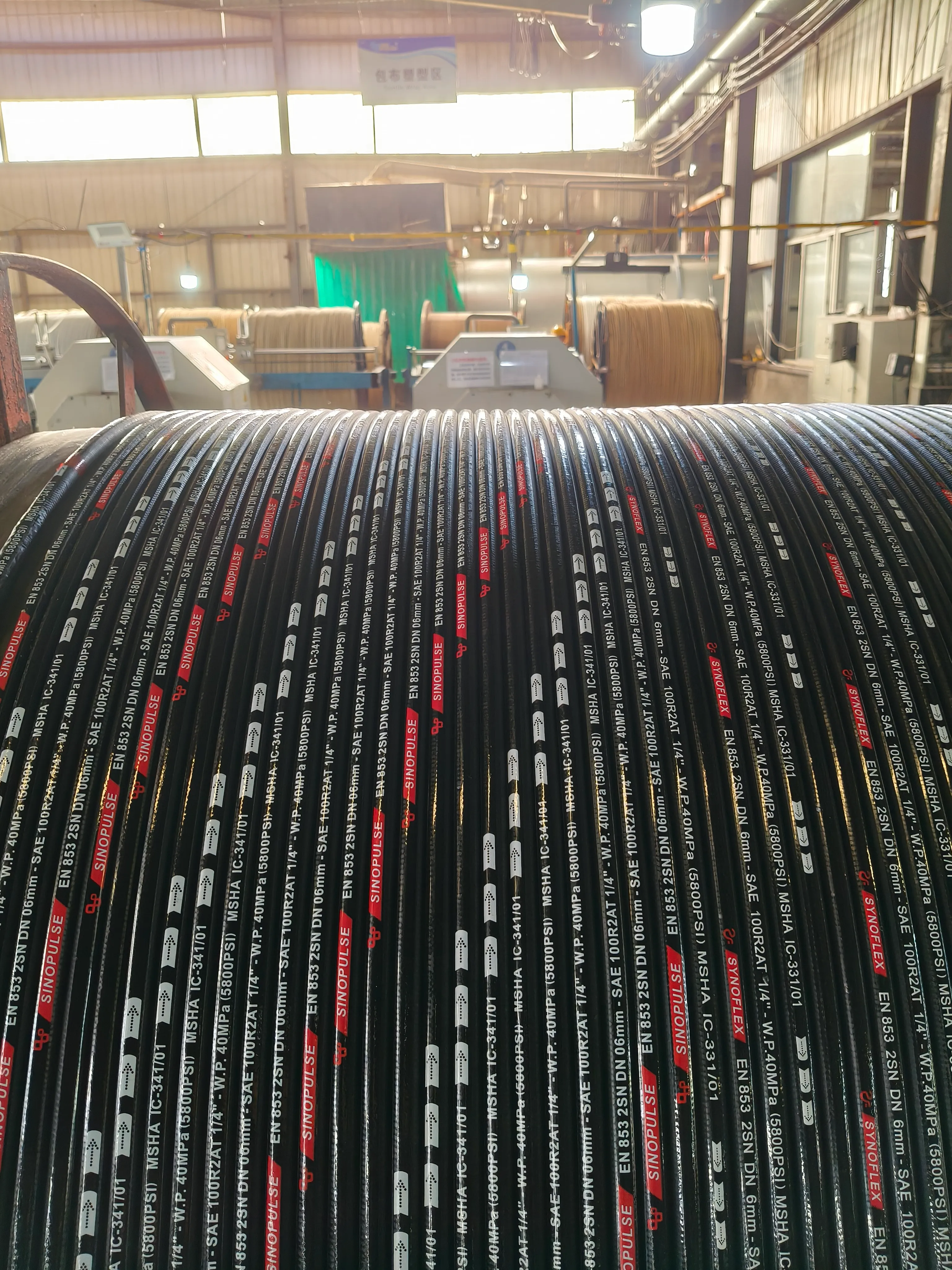
R7 twin hose assemblies are critical components in hydraulic systems, specifically designed for high-pressure applications demanding robust performance and reliability. These hoses, characterized by their two-hose construction within a protective outer cover, serve primarily in demanding environments like construction machinery, agricultural equipment, and industrial manufacturing. Their technical position within the supply chain places them as a direct replacement or upgrade component for existing hydraulic systems, impacting overall operational efficiency and safety. Core performance characteristics include burst pressure, working pressure, temperature resistance, and resistance to hydraulic fluids, all of which are governed by stringent industry standards. A key challenge for end-users is selecting a supplier capable of consistently delivering hoses meeting specified performance criteria and adhering to quality control protocols. Failure to do so can result in costly downtime, system damage, and potential safety hazards.
Material Science & Manufacturing
R7 twin hose construction typically utilizes a synthetic rubber inner tube, commonly composed of nitrile rubber (NBR) for oil resistance, or ethylene propylene diene monomer (EPDM) for phosphate ester fluid compatibility. Reinforcement layers, crucial for pressure containment, typically consist of multiple spiraled, high-tensile steel wire layers. The outer cover, providing abrasion and environmental protection, is commonly manufactured from Chlorinated Polyethylene (CPE) or Polyurethane (PU). Manufacturing begins with extrusion of the inner tube and application of the steel wire reinforcement via a spiral winding process. Precise tension control during winding is paramount to ensure uniform pressure resistance and prevent localized weaknesses. The outer cover is then extruded over the reinforcement, and the assembly is vulcanized – a process involving heat and pressure to chemically crosslink the rubber compounds, enhancing their mechanical properties. Key parameters include the steel wire gauge, pitch, and coating; rubber compound formulation; and vulcanization temperature and duration. Deviation from optimal parameters can lead to reduced burst pressure, premature aging, and increased permeability. Chemical compatibility between the inner tube, reinforcement, and outer cover is also critical; incompatible materials can result in swelling, cracking, or delamination. Quality control involves hydrostatic pressure testing to 1.5 times the working pressure and impulse pressure testing to verify fatigue resistance.
Performance & Engineering
The performance of R7 twin hoses is dictated by several engineering principles. Force analysis focuses on hoop stress within the hose wall due to internal pressure. The steel wire reinforcement is engineered to withstand these stresses without yielding or fracturing. Fatigue life, influenced by cyclic pressure fluctuations (impulse pressure), is a critical design consideration. The outer cover’s abrasion resistance is engineered to protect the reinforcement from external damage. Environmental resistance is assessed based on exposure to temperature extremes, UV radiation, ozone, and various chemical fluids. Compliance with industry standards, such as SAE J517, dictates minimum performance requirements for burst pressure, working pressure, and temperature range. A critical engineering challenge is minimizing pressure drop along the hose length. This is addressed through smooth bore construction and optimal hose diameter selection. Furthermore, the coupling connection method (crimped, swaged, or field-attachable) directly impacts overall system performance and leak resistance. Proper coupling selection and installation are essential to achieving the rated working pressure and preventing premature failure. Bend radius is also a critical parameter; exceeding the minimum bend radius can cause kinking, internal damage, and reduced flow capacity.
Technical Specifications
| Parameter | Unit | SAE J517 R7 Type | Typical Value (Supplier A) |
|---|---|---|---|
| Working Pressure | psi | Up to 2,250 | 2,000 |
| Burst Pressure | psi | 6,750 | 6,000 |
| Temperature Range | °F | -40 to +212 | -40 to +220 |
| Inner Tube Material | - | NBR/EPDM | NBR |
| Reinforcement | Layers | Multiple Steel Wire Spiral | 6 Spiral |
| Outer Cover Material | - | CPE/PU | CPE |
Failure Mode & Maintenance
Common failure modes in R7 twin hoses include burst failure due to exceeding working pressure, fatigue cracking from cyclic loading, abrasion damage to the outer cover, and permeation of hydraulic fluid through the inner tube. Burst failures are typically catastrophic and result from exceeding the hose’s pressure rating or pre-existing damage. Fatigue cracking initiates from localized stress concentrations, often at coupling connections or damaged areas of the cover. Abrasion damage reduces the cover's protective capability, exposing the reinforcement to corrosion and potential failure. Permeation leads to fluid loss, reduced system efficiency, and potential environmental contamination. Failure analysis often involves examining the fracture surface to determine the root cause. Regular inspection for cuts, abrasions, kinks, and leaks is crucial for preventative maintenance. Hoses should be replaced if any signs of damage are observed. Proper storage practices – avoiding direct sunlight, extreme temperatures, and contact with incompatible chemicals – extend hose lifespan. Coupling connections should be inspected for tightness and corrosion. Crimped couplings should be visually inspected for proper crimp depth. When replacing hoses, ensure compatibility with the hydraulic fluid and system pressure requirements. Periodic fluid analysis can identify contaminants that contribute to hose degradation.
Industry FAQ
Q: What is the primary difference between R7 and R6 hydraulic hoses, and when would I choose R7?
A: R7 hoses offer significantly higher working pressures (up to 2,250 psi) and burst pressures (up to 6,750 psi) compared to R6 hoses. R7 is selected when the hydraulic system operates at higher pressures, often found in heavier-duty applications like large construction equipment or industrial presses. R6 is suitable for lower-pressure systems.
Q: How does temperature affect the performance of R7 hoses, and what temperature ranges are generally acceptable?
A: Extreme temperatures can significantly impact the performance of R7 hoses. High temperatures accelerate rubber degradation and reduce burst pressure. Low temperatures can decrease flexibility and increase the risk of cracking. The standard temperature range for R7 hoses is -40°F to +212°F. Exceeding these limits requires specialized hose formulations.
Q: What are the common causes of hose leaks, and how can they be prevented?
A: Common causes include loose or corroded coupling connections, damage to the inner tube from abrasion or chemical attack, and deterioration of the hose material due to aging. Prevention involves regular inspection of couplings, proper hose routing to avoid abrasion, and ensuring compatibility between the hose material and the hydraulic fluid.
Q: What is the importance of proper hose routing and bend radius, and what are the recommended guidelines?
A: Improper routing can lead to abrasion, kinking, and fatigue failure. Maintaining the recommended minimum bend radius (typically 8-10 times the hose diameter) prevents internal damage and ensures smooth fluid flow. Avoid sharp bends and direct contact with hot surfaces or moving parts.
Q: What are the key considerations when selecting a hose supplier for R7 twin hoses?
A: Key considerations include the supplier’s quality control procedures, adherence to industry standards (SAE J517), material traceability, testing capabilities, and responsiveness to technical inquiries. A reputable supplier should provide documentation verifying hose performance and compliance.
Conclusion
R7 twin hoses represent a critical component in high-pressure hydraulic systems, demanding a thorough understanding of material science, manufacturing processes, and performance engineering. Selecting a supplier capable of consistently delivering hoses meeting stringent quality standards and adhering to relevant industry regulations is paramount for ensuring system reliability and safety. A comprehensive approach to preventative maintenance, including regular inspections and proper storage, is essential for maximizing hose lifespan and minimizing the risk of costly failures.
Future advancements in R7 hose technology will likely focus on developing more durable and chemically resistant materials, optimizing reinforcement configurations to further increase pressure ratings, and incorporating smart sensing technologies for real-time condition monitoring. Prioritizing these developments will contribute to improved operational efficiency, reduced downtime, and enhanced safety in demanding hydraulic applications.