


oem r1/1sn hose companies Performance Engineering

Introduction
OEM R1/1SN hydraulic hose represents a critical component in fluid power systems across diverse industries, including construction, agriculture, mining, and manufacturing. Classified under SAE J517 standard, R1/1SN hoses are designed for medium-pressure applications and feature a single wire braid reinforcement embedded within a synthetic rubber inner tube and outer cover. Their technical position resides as a foundational element in hydraulic circuits, transmitting pressurized fluid to actuators and other hydraulic components. Core performance characteristics encompass burst pressure, working pressure, temperature range, and fluid compatibility, dictating the hose’s suitability for specific operational demands. A key industry pain point centers around ensuring consistent dimensional accuracy during manufacturing to prevent premature failure due to incompatibility with fittings, alongside maintaining robust abrasion resistance in harsh operating environments. Furthermore, managing fluid compatibility across diverse hydraulic fluids (mineral oil, synthetic fluids, etc.) is paramount to avoid swelling, degradation, and ultimately, system failure.
Material Science & Manufacturing
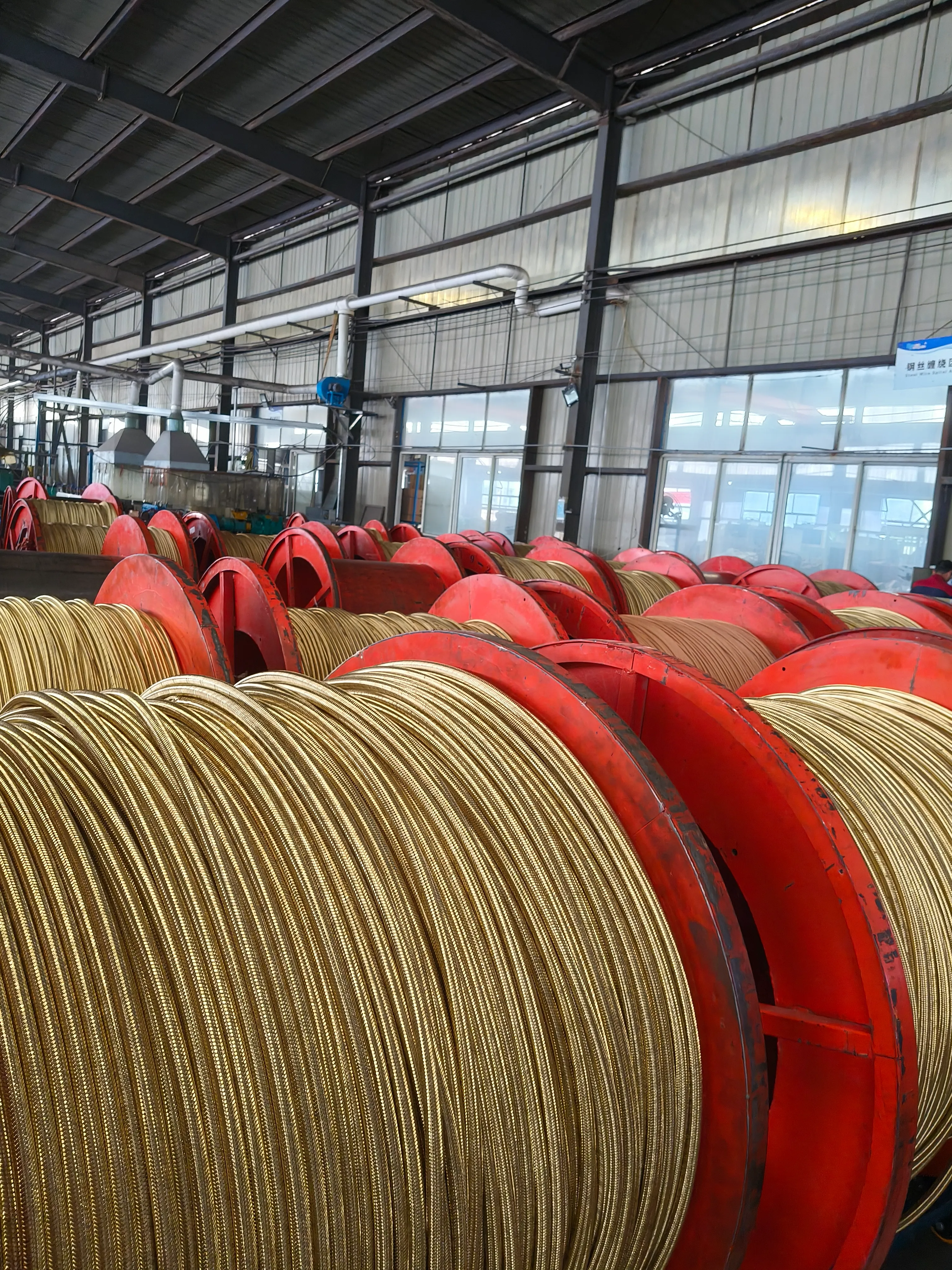
The composition of R1/1SN hose is critical to its performance. The inner tube is typically constructed from synthetic rubber, commonly nitrile (NBR) for mineral oil compatibility, or EPDM for applications requiring resistance to phosphate ester fluids. NBR possesses good abrasion resistance and tensile strength, while EPDM exhibits superior weather resistance. The reinforcement braid is almost exclusively high-tensile steel wire, specifying a single layer to achieve the '1SN' designation. The outer cover usually comprises a synthetic rubber blend – often a combination of SBR (Styrene-Butadiene Rubber) and NBR – providing abrasion, ozone, and weather protection. Manufacturing begins with extrusion of the inner tube, followed by precise winding of the steel wire braid. Precise tension control during braiding is vital to ensure uniform pressure resistance. Subsequently, the outer cover is extruded, bonding with the inner tube and braid through vulcanization. Vulcanization, typically using sulfur-based compounds, imparts the desired elasticity, strength, and chemical resistance to the hose assembly. Key parameter control includes temperature and duration of vulcanization, wire tension, rubber compound viscosity, and dimensional tolerances during extrusion. Failure to maintain these parameters can result in uneven reinforcement distribution, weak bonding, and compromised burst strength.
Performance & Engineering
Performance of R1/1SN hose is primarily dictated by its ability to withstand internal pressure without failure. Force analysis involves calculating hoop stress within the inner tube based on fluid pressure and hose diameter. This hoop stress is resisted by the tensile strength of the rubber and, critically, the compressive strength of the steel wire braid. The braid’s geometry and wire diameter directly influence the hose's burst pressure, which is typically four times the working pressure. Environmental resistance is a major engineering consideration. Exposure to extreme temperatures (both high and low) can affect rubber elasticity and reduce burst pressure. Ozone cracking, particularly in SBR-based covers, is another concern. Compliance with SAE J517 necessitates rigorous testing, including burst testing, pressure impulse testing (simulating hydraulic shocks), and temperature cycling. Functional implementation requires careful selection of hose end fittings, ensuring proper crimp size and material compatibility to create a leak-proof seal. Incorrect crimping can lead to fitting slippage or hose blow-off. Furthermore, bend radius is critical; exceeding the minimum bend radius introduces stress concentrations that accelerate fatigue failure.
Technical Specifications
| Parameter | Metric | Imperial | Test Standard |
|---|---|---|---|
| Working Pressure | 10.5 MPa | 1500 psi | SAE J517 |
| Burst Pressure | 42 MPa | 6000 psi | SAE J517 |
| Temperature Range | -40°C to +100°C | -40°F to +212°F | SAE J517 |
| Inner Tube Material | Nitrile Rubber (NBR) | Nitrile Rubber (NBR) | ASTM D2000 |
| Reinforcement | Single Steel Wire Braid | Single Steel Wire Braid | SAE J517 |
| Outer Cover Material | SBR/NBR Blend | SBR/NBR Blend | ASTM D2000 |
Failure Mode & Maintenance
Common failure modes in R1/1SN hose include burst failure due to exceeding pressure limits, fatigue cracking initiated by repeated bending and pressure cycling, abrasion damage to the outer cover, and degradation of the inner tube due to incompatible fluids. Fatigue cracking typically originates at areas of stress concentration, such as near fittings or at the bend radius. Abrasion can compromise the protective function of the outer cover, exposing the reinforcement braid to corrosion. Swelling or softening of the inner tube signifies fluid incompatibility. Failure analysis often involves microscopic examination of the fracture surface to identify the root cause (e.g., ductile fracture indicates overpressure, brittle fracture suggests fatigue). Maintenance protocols should include regular visual inspection for abrasion, cracking, or leaks. Avoid sharp bends and ensure adequate clearance to prevent hose rubbing against adjacent components. Periodically check fittings for tightness and corrosion. If fluid incompatibility is suspected, the hose must be replaced. Proper storage is also essential; hoses should be stored in a cool, dry environment away from direct sunlight and ozone sources. A preventative maintenance schedule, based on operating hours and environmental conditions, is highly recommended.
Industry FAQ
Q: What is the significance of the ‘SN’ designation in R1/1SN hose?
A: The ‘SN’ designation signifies a single wire braid reinforcement within the hose construction. ‘S’ indicates synthetic rubber, and ‘N’ specifically denotes the use of a single layer of steel wire braid for reinforcement, defining a specific pressure and performance capability as per SAE J517.
Q: Can R1/1SN hose be used with synthetic hydraulic fluids besides mineral oil?
A: While NBR inner tubes offer good compatibility with mineral oils, using R1/1SN hose with synthetic fluids (e.g., phosphate ester-based) requires an EPDM inner tube. Using the wrong inner tube material will lead to swelling, degradation, and ultimately, hose failure. Always verify fluid compatibility with the hose manufacturer's specifications.
Q: What is the acceptable minimum bend radius for R1/1SN hose?
A: The minimum bend radius is typically specified by the hose manufacturer and is crucial to prevent kinking and fatigue failure. Generally, it's around 6-8 times the hose inside diameter. Exceeding this radius introduces stress concentrations that significantly reduce hose lifespan.
Q: How do I determine the correct crimp size for hose end fittings?
A: Correct crimp size is critical for a leak-proof seal. The fitting manufacturer will provide specific crimp charts based on hose ID, fitting type, and material. Using an incorrect crimp size can lead to fitting slippage or hose blow-off, resulting in catastrophic failure. Calibration of the crimping machine is also essential.
Q: What impact does temperature have on the performance of R1/1SN hose?
A: Extreme temperatures affect the rubber compounds. High temperatures can reduce the hose's burst pressure and accelerate degradation. Low temperatures can decrease flexibility, increasing the risk of cracking during bending. SAE J517 specifies performance characteristics across a defined temperature range, and exceeding these limits will compromise hose reliability.
Conclusion
OEM R1/1SN hydraulic hose serves as a vital, yet often underestimated, component in countless hydraulic systems. Its performance is intrinsically linked to material selection, precise manufacturing processes, and adherence to industry standards like SAE J517. Understanding the interplay between pressure, temperature, fluid compatibility, and mechanical stresses is paramount for ensuring reliable operation and preventing catastrophic failures.
Addressing the core pain points – dimensional consistency, abrasion resistance, and fluid compatibility – through rigorous quality control and preventative maintenance programs, is essential. Continued advancements in rubber compound technology and reinforcement materials will likely lead to improved hose performance and durability. Proper hose selection, installation, and maintenance remain the cornerstone of any robust hydraulic system.