


oem polyurethane hose companies Performance Analysis
Introduction
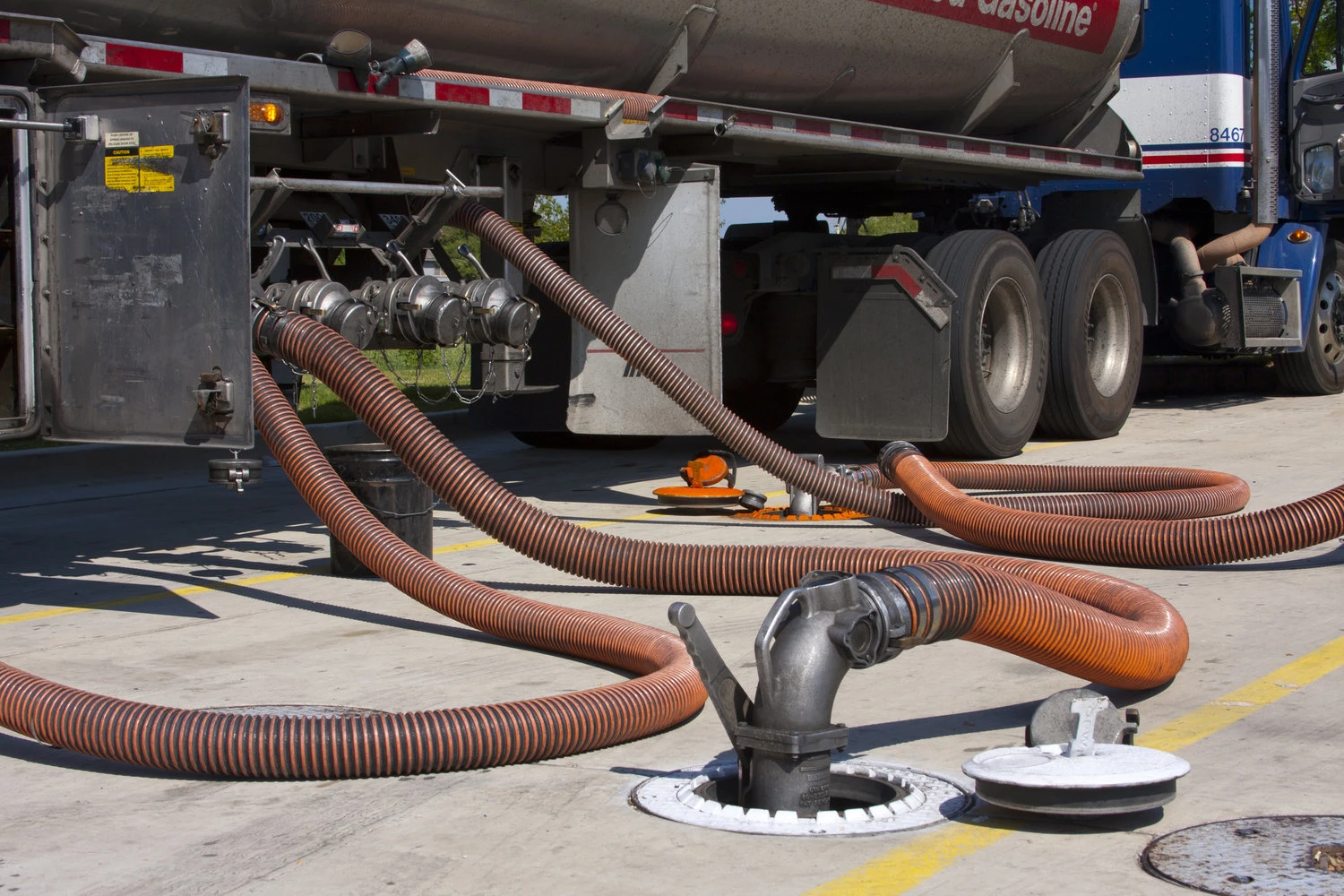
Polyurethane (PU) hoses represent a significant advancement in fluid conveyance technology, particularly within Original Equipment Manufacturer (OEM) applications. Unlike traditional rubber hoses, PU hoses offer superior abrasion resistance, flexibility, and resistance to oils, chemicals, and high pressures. This guide provides a comprehensive technical overview of PU hoses tailored for OEM integration, addressing material science, manufacturing considerations, performance characteristics, failure modes, and relevant industry standards. The OEM polyurethane hose market serves diverse sectors including hydraulic systems, pneumatic tooling, chemical processing, food and beverage, and automotive applications. A core industry pain point revolves around consistently achieving long-term fluid compatibility and preventing premature hose failure due to environmental factors and aggressive media. This document aims to provide the technical depth required to mitigate these risks and optimize hose selection for specific application demands. The performance characteristics—specifically burst pressure, working pressure, and temperature range—are paramount considerations, along with long-term durability and resistance to kinking and fatigue.
Material Science & Manufacturing
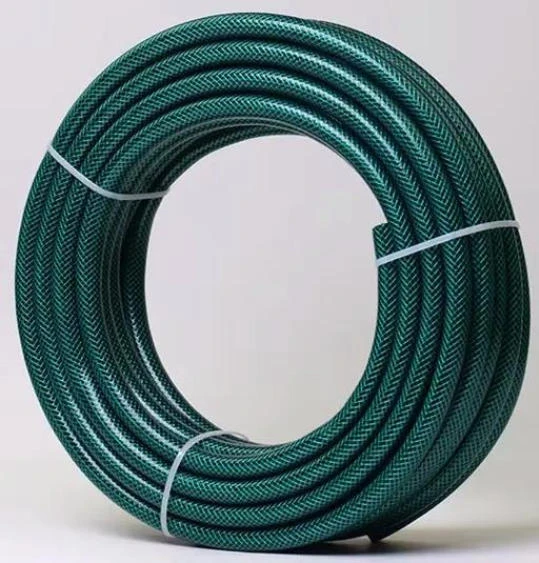
PU hoses are typically manufactured from thermoplastic polyurethane (TPU), a versatile elastomer known for its exceptional mechanical properties. The TPU’s properties are heavily influenced by its chemical composition, specifically the ratio of polyol to isocyanate, and the type of chain extender used. Polyols commonly employed include polyester and polyether polyols, impacting hydrolysis resistance and flexibility, respectively. Isocyanates like MDI (methylene diphenyl diisocyanate) provide the necessary reactivity for polymerization. Manufacturing processes for PU hoses typically involve extrusion, where molten TPU is forced through a die to create the hose profile. Critical parameters during extrusion include melt temperature (typically 180-220°C), screw speed, and die pressure. Reinforcement layers, often comprised of textile braids (typically polyester or aramid fibers) or spiral steel wire, are integrated during or immediately after extrusion to enhance burst pressure capabilities. The adhesion between the TPU matrix and the reinforcement layer is critical and often achieved through chemical bonding or mechanical interlock. Post-extrusion processes may include curing to enhance physical properties and dimensional stability. The choice of TPU grade is paramount; different formulations offer varying levels of resistance to specific chemicals, UV exposure, and hydrolysis. A common manufacturing challenge is maintaining consistent wall thickness and reinforcement distribution throughout the hose length, impacting performance consistency.
Performance & Engineering
The performance of a PU hose is governed by several key engineering principles. Burst pressure is directly related to the tensile strength of the TPU material and the reinforcement layer’s capacity to withstand hoop stress. Hose diameters and wall thicknesses are meticulously calculated to meet or exceed specified working pressures with an appropriate safety factor (typically 4:1). Flexibility is a critical attribute, particularly in dynamic applications. This is governed by the TPU’s elongation at break and the hose’s bend radius. Fatigue life is a crucial consideration, especially in applications involving repeated flexing or pulsation. Fatigue failure is often initiated at stress concentrators, such as fittings or areas of localized wall thinning. Environmental resistance is paramount. Hydrolytic stability (resistance to degradation in the presence of water) is particularly important for polyester-based TPUs. Oil resistance is assessed based on compatibility with specific hydraulic fluids and lubricants, using standardized immersion testing. Temperature range is also a key performance factor; TPU materials exhibit a glass transition temperature below which they become brittle. Force analysis during hose design must consider both static and dynamic loading conditions, as well as potential external stresses. Compliance with industry standards such as SAE J517 (hydraulic hose) and ISO 10076 (hydraulic hose) is essential for ensuring product safety and reliability.
Technical Specifications
| Parameter | Unit | Typical Value (Standard Grade) | Typical Value (High-Performance Grade) |
|---|---|---|---|
| Working Pressure | PSI | 3000 | 5000 |
| Burst Pressure | PSI | 12000 | 20000 |
| Temperature Range | °F | -40 to +176 | -67 to +212 |
| Tensile Strength | MPa | 35 | 50 |
| Elongation at Break | % | 400 | 500 |
| Hardness (Shore A) | 95A | 98A |
Failure Mode & Maintenance
PU hose failures can manifest in several forms. Abrasion wear is common in applications with high particle concentrations or abrasive media. This typically occurs on the inner diameter. Hydrolytic degradation results in swelling and loss of mechanical properties, particularly in polyester-based TPUs exposed to humid environments. Chemical attack can cause swelling, cracking, or softening of the hose material, depending on the specific chemical involved. Fatigue cracking, initiated by repeated flexing, typically propagates from stress concentrators. Kinking, caused by excessive bending, can restrict flow and potentially lead to hose rupture. Delamination, the separation of the TPU matrix from the reinforcement layer, indicates poor adhesion or excessive stress. Oxidation, caused by prolonged exposure to high temperatures and oxygen, can lead to hardening and cracking. Preventive maintenance includes regular visual inspections for signs of wear, swelling, or cracking. Proper hose routing and support are crucial to prevent kinking and abrasion. Using compatible fittings and ensuring proper crimping or clamping are essential for preventing leaks. Maintaining a clean operating environment minimizes abrasive wear. Regularly testing the fluid being conveyed ensures compatibility with the hose material. Scheduled replacement based on application-specific operating conditions and manufacturer recommendations is paramount.
Industry FAQ
Q: What are the key differences between polyester and polyether-based PU hoses, and how do these differences impact their suitability for different applications?
A: Polyester-based PU hoses generally exhibit higher tensile strength and abrasion resistance, making them suitable for high-pressure, demanding applications. However, they are more susceptible to hydrolysis (degradation in the presence of water). Polyether-based PU hoses offer superior hydrolysis resistance and flexibility, making them ideal for applications involving water or humid environments, but they typically have lower tensile strength and abrasion resistance.
Q: How does the reinforcement layer affect the burst pressure and fatigue life of a PU hose?
A: The reinforcement layer provides the primary structural support for resisting burst pressure. Higher strength reinforcement materials (e.g., aramid fibers vs. polyester braids) and increased layer count directly correlate with higher burst pressures. The reinforcement also influences fatigue life; a more flexible and durable reinforcement layer can better withstand repeated flexing and reduce the risk of fatigue cracking.
Q: What considerations should be made when selecting fittings for PU hoses to ensure a leak-free and reliable connection?
A: Fittings must be compatible with the PU hose material and designed to withstand the operating pressure and temperature. Proper crimping or clamping is essential to ensure a secure connection. Avoid fittings with sharp edges or burrs that could damage the hose. Consider using fittings specifically designed for PU hoses, as they often feature a tapered sealing surface to prevent leaks.
Q: How can I determine the chemical compatibility of a PU hose with a specific fluid?
A: Chemical compatibility charts provided by hose manufacturers are a good starting point. However, it’s crucial to perform immersion testing with the specific fluid under actual operating conditions. Immerse a sample of the hose in the fluid for a specified period at the operating temperature and then assess for changes in volume, hardness, and tensile strength.
Q: What is the impact of UV exposure on the long-term performance of PU hoses, and what mitigation strategies can be employed?
A: Prolonged exposure to UV radiation can cause degradation of the TPU material, leading to cracking and loss of mechanical properties. Mitigation strategies include using UV-stabilized TPU formulations, protecting the hose from direct sunlight with shielding or coatings, and regularly inspecting the hose for signs of UV damage.
Conclusion
Polyurethane hoses provide a robust and versatile solution for fluid conveyance in a wide array of OEM applications. Understanding the interplay between material science, manufacturing processes, and engineering principles is critical for selecting the appropriate hose for a given application. Factors such as working pressure, temperature range, chemical compatibility, and fatigue life must be carefully considered to ensure long-term reliability and prevent premature failure. A proactive approach to maintenance, including regular inspections and timely replacement, is essential for maximizing hose service life and minimizing downtime.
Future developments in PU hose technology are focused on enhancing hydrolysis resistance, improving abrasion resistance, and developing more sustainable TPU formulations. The integration of smart sensors into PU hoses for real-time monitoring of pressure, temperature, and structural integrity is also an emerging trend. Continued research and development will further expand the application range of PU hoses and solidify their position as a critical component in various industrial systems.