


oem flexible hydraulic hose pricelist Performance Analysis
Introduction
OEM flexible hydraulic hoses are critical components in fluid power systems, designed to transmit hydraulic fluid under pressure. They represent a significant portion of the overall hydraulic system cost and reliability. These hoses serve a diverse range of industries, including construction equipment, agricultural machinery, material handling, oil and gas, and industrial manufacturing. The market for these hoses is driven by the need for flexible, durable, and leak-proof fluid conveyance solutions. This guide details the material science, manufacturing processes, performance characteristics, failure modes, and industry standards associated with OEM flexible hydraulic hoses, providing a comprehensive technical overview for procurement managers, engineers, and maintenance personnel. Core performance is defined by pressure rating, temperature resistance, fluid compatibility, and burst strength, dictated by application requirements. The OEM (Original Equipment Manufacturer) designation implies hoses produced to specific customer specifications, often with stringent quality control and traceability requirements.
Material Science & Manufacturing
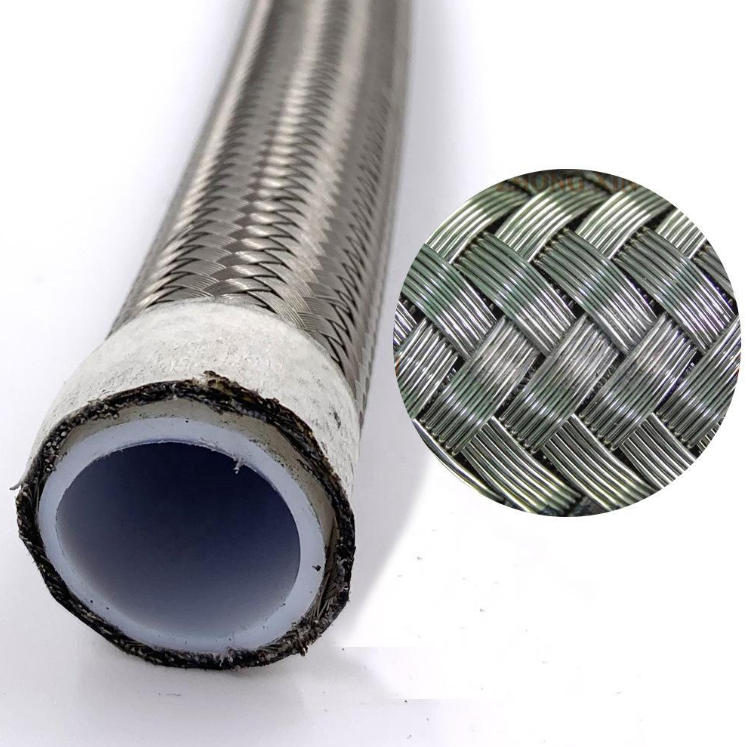
Hydraulic hoses are typically constructed from multiple layers, each serving a specific function. The inner tube, crucial for fluid compatibility, is commonly made from synthetic rubbers such as nitrile (NBR) for petroleum-based fluids, or fluoropolymers like PTFE (Teflon) for aggressive chemicals. Reinforcement layers provide strength and resistance to pressure. These layers often consist of multiple braids of high-strength steel wire, or spiral-wound steel wire, with the number and configuration directly impacting the hose’s working pressure. The outer cover provides abrasion and weather resistance, typically composed of synthetic rubber compounds such as chloroprene (Neoprene) or polyurethane. Manufacturing involves several key processes. The inner tube is extruded, followed by the application of reinforcement layers via braiding or winding machines. Precise tension control during braiding is critical to ensure uniform pressure resistance. Following reinforcement, the outer cover is extruded, and the hose is cured under heat and pressure to vulcanize the rubber components. Critical parameters include rubber compound formulation, wire diameter and tensile strength, braid angle, and curing temperature/time. Improper curing can lead to reduced elasticity and premature failure. Material selection is heavily influenced by fluid type, operating temperature, and pressure requirements. For example, phosphate ester fluids require specialized fluoropolymer inner tubes to prevent degradation.
Performance & Engineering
The performance of a hydraulic hose is governed by several engineering principles. Burst pressure, working pressure, and safety factor are paramount. Working pressure is typically defined as 1/4 of the burst pressure. Fatigue resistance is a critical consideration in dynamic applications, and is assessed through repetitive pressure cycling tests. Hose bending radius is also important; exceeding the minimum bend radius can cause kinking and internal damage, leading to failure. Environmental resistance, particularly to ozone, UV radiation, and temperature extremes, significantly impacts hose longevity. Finite Element Analysis (FEA) is often used to optimize hose design and predict stress distribution under various loading conditions. Fluid compatibility must be carefully considered to prevent swelling, softening, or degradation of the inner tube. Impulse pressure, or pressure spikes, are particularly damaging and require specialized hose constructions with enhanced reinforcement. Compliance with industry standards, such as SAE J517 and EN 853, ensures consistent performance and safety. The hydraulic fluid’s viscosity and temperature affect the pressure drop within the hose, necessitating appropriate hose diameter selection. Furthermore, proper hose assembly, including the correct fitting selection and crimping procedure, is critical to ensure a leak-free and reliable connection.
Technical Specifications
| Parameter | Unit | Specification Range | Testing Standard |
|---|---|---|---|
| Working Pressure | MPa | 10 - 420 | SAE J517 / EN 853 |
| Burst Pressure | MPa | 40 - 1680 | SAE J517 / EN 853 |
| Temperature Range | °C | -40 to +100 (NBR), -60 to +260 (PTFE) | SAE J517 / EN 853 |
| Inner Tube Material | - | NBR, PTFE, EPDM | ASTM D2000 |
| Reinforcement Material | - | Steel Wire (1/2/3/4/6 spiral), Textile Braid | ASTM A228 |
| Outer Cover Material | - | Neoprene, Polyurethane | ASTM D2000 |
Failure Mode & Maintenance
Hydraulic hose failure can stem from several mechanisms. Fatigue cracking, induced by repetitive bending and pressure cycling, is a common mode, particularly near fittings. Abrasion damage, caused by contact with abrasive surfaces, can compromise the outer cover and expose reinforcement layers. Oil degradation and incompatibility can lead to inner tube swelling, softening, and cracking. Excessive heat can accelerate rubber degradation and reduce hose flexibility. Improper installation, such as over-tightening or incorrect fitting selection, can induce stress concentrations and premature failure. Kinking, resulting from exceeding the minimum bend radius, causes internal damage and restriction of fluid flow. Corrosion of the reinforcement wires can significantly reduce hose strength. Maintenance involves regular visual inspection for signs of abrasion, cracking, swelling, or leakage. Hose assemblies should be replaced at recommended intervals, even if no visible damage is present, based on operating conditions and fluid type. Proper storage, away from direct sunlight and extreme temperatures, is essential to maintain hose integrity. When replacing hoses, ensure compatibility with the hydraulic fluid and operating pressure. Crimping procedures must adhere to manufacturer specifications to ensure a secure and leak-free connection. Preventative maintenance programs, including fluid analysis and hose replacement schedules, are crucial for minimizing downtime and ensuring system reliability.
Industry FAQ
Q: What is the impact of impulse pressure on hydraulic hose life?
A: Impulse pressure, or rapid pressure fluctuations, significantly reduces hose life. These pressure spikes create dynamic stresses that exceed the hose’s static working pressure, leading to fatigue failure of the reinforcement layers. Hoses designed for impulse applications incorporate specialized construction features, such as tighter braid patterns or anti-collapse rings, to mitigate these effects.
Q: How does fluid compatibility affect hose selection?
A: Fluid compatibility is paramount. Using an incompatible fluid can cause the inner tube to swell, soften, or degrade, leading to leakage and potential system failure. For example, phosphate ester fluids require PTFE inner tubes, while petroleum-based fluids are compatible with NBR. Always consult fluid compatibility charts and manufacturer recommendations.
Q: What is the correct procedure for crimping hose fittings?
A: Proper crimping is crucial for a leak-free connection. The crimping machine must be calibrated to the specific fitting and hose combination. Incorrect crimping pressure can lead to either a loose connection (resulting in leakage) or over-compression (damaging the hose). Follow the fitting manufacturer’s crimping specifications meticulously.
Q: How often should hydraulic hoses be replaced as part of preventative maintenance?
A: Replacement frequency depends on operating conditions, fluid type, and hose application. As a general guideline, hoses should be inspected annually and replaced every 3-5 years, or sooner if visible damage is detected. Critical applications or those exposed to harsh environments may require more frequent replacement.
Q: What are the key differences between spiral-wound and braided hose reinforcement?
A: Spiral-wound reinforcement provides higher pressure ratings and greater flexibility than braided reinforcement. Braided hoses are more resistant to kinking and are typically less expensive. Spiral-wound hoses are commonly used in high-pressure applications, while braided hoses are suitable for lower-pressure, general-purpose applications.
Conclusion
OEM flexible hydraulic hoses are integral components within complex fluid power systems, demanding careful consideration of material science, manufacturing techniques, and performance parameters. Selecting the appropriate hose requires a thorough understanding of the application's operating pressure, temperature, fluid compatibility, and environmental conditions. Ignoring these critical factors can lead to premature failure, system downtime, and potential safety hazards.
Ongoing maintenance, including regular inspection and adherence to recommended replacement schedules, is paramount to ensuring long-term reliability and system efficiency. Advancements in materials and manufacturing processes continue to push the boundaries of hydraulic hose performance, leading to increased durability, reduced weight, and improved resistance to harsh environments. Staying abreast of these developments is crucial for engineers and procurement professionals seeking to optimize hydraulic system performance and minimize life cycle costs.