


oem and obm hydraulic hose companies Material Science Performance Analysis
Introduction
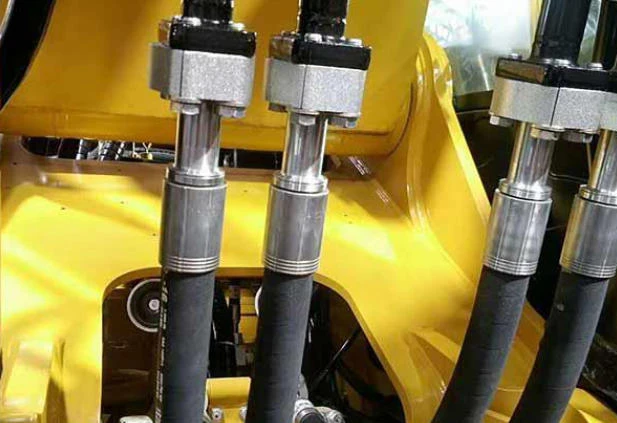
Hydraulic hoses, critical components in fluid power systems, transfer hydraulic fluid to actuate machinery. OEM (Original Equipment Manufacturer) and OBM (Original Brand Manufacturer) hydraulic hose companies serve distinct roles within the supply chain. OEMs typically manufacture hoses to the specifications of larger equipment manufacturers (e.g., construction, agricultural machinery). OBMs, conversely, develop, manufacture, and brand their own hydraulic hose lines, often focusing on broader market distribution and aftermarket replacement. This guide provides a comprehensive technical overview of hydraulic hoses, focusing on material science, manufacturing processes, performance characteristics, failure modes, and relevant industry standards, tailored for procurement and engineering professionals involved with both OEM and OBM suppliers. The increasing demand for higher pressure ratings, improved chemical resistance, and enhanced durability necessitates a deep understanding of hose construction and material properties to mitigate risk and optimize system performance. Key performance metrics include burst pressure, working pressure, temperature range, and fluid compatibility. The core pain point within the industry revolves around ensuring hose longevity and preventing catastrophic failure, which can lead to significant downtime and safety hazards.
Material Science & Manufacturing
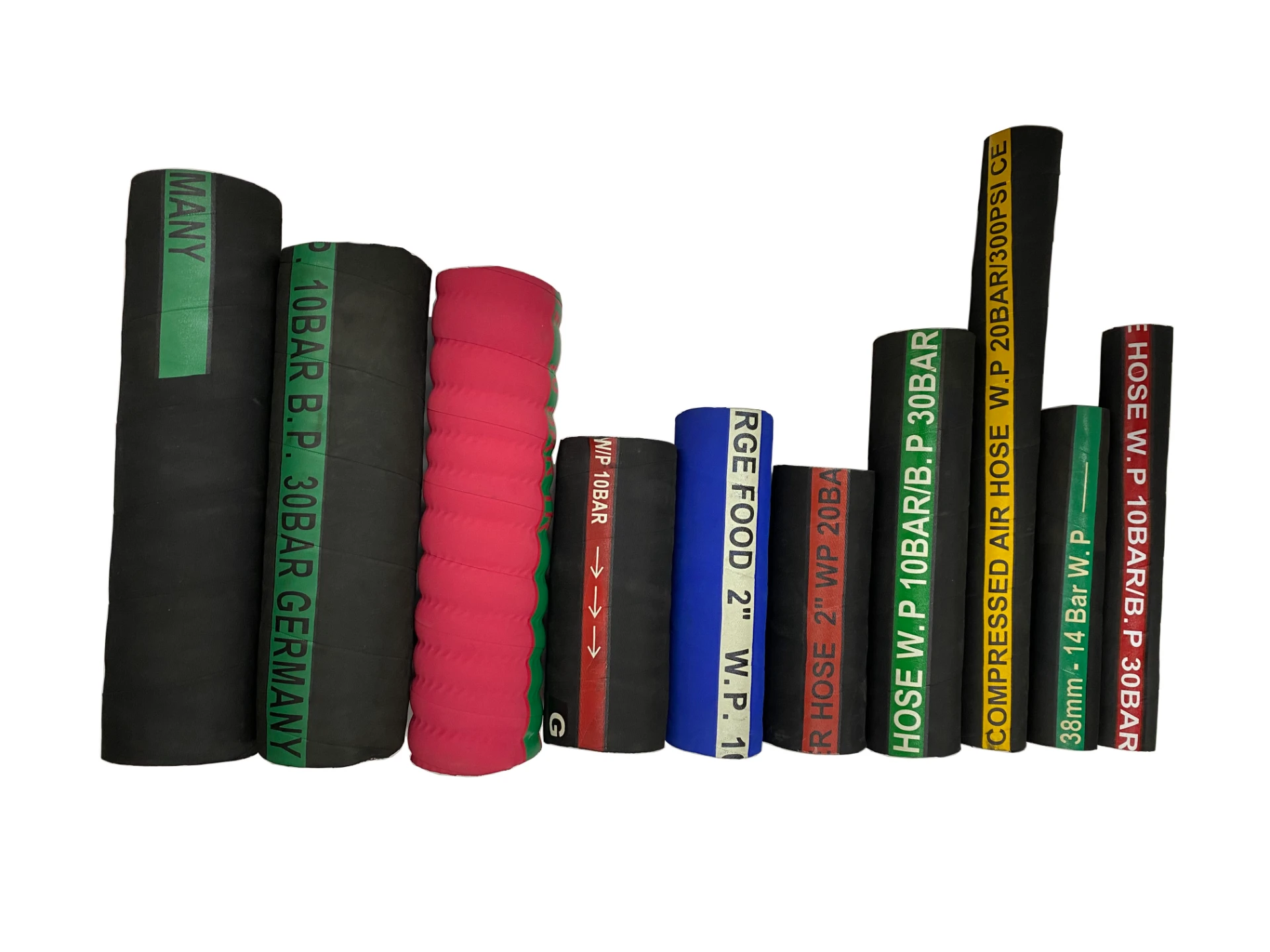
Hydraulic hoses are typically constructed from multiple layers, each contributing to specific performance characteristics. The inner tube, providing fluid compatibility, is commonly made from nitrile rubber (NBR) for petroleum-based fluids, ethylene-propylene diene monomer (EPDM) for phosphate ester fluids, or fluoropolymers (PTFE, FKM) for aggressive chemicals. Reinforcement layers dictate pressure capability and include braided textiles (typically high-tensile steel wire) or spiral-wound steel wire. The outer cover, protecting against abrasion, weathering, and oil degradation, is usually a synthetic rubber blend (SBR, CR). Manufacturing processes vary depending on hose type. Braided hoses involve extruding the inner tube and cover, followed by applying and securing the braided reinforcement. Spiral-wound hoses utilize a continuous winding process of high-tensile steel wire over an extruded inner tube, followed by a cover extrusion. Critical parameters during manufacturing include extrusion temperature control (influencing rubber viscosity and uniformity), wire tension during braiding/winding (affecting burst pressure), and curing time/temperature (dictating rubber cross-linking and physical properties). Material selection necessitates careful consideration of fluid properties (viscosity, temperature, chemical composition) and operational conditions. For example, hoses intended for use with biodegradable hydraulic fluids require specialized inner tube materials to prevent degradation. Steel wire used in reinforcement undergoes surface treatment (e.g., galvanization) to enhance corrosion resistance. Batch consistency in material properties and precise control of manufacturing parameters are paramount to ensure product reliability.
Performance & Engineering
Hydraulic hose performance is governed by a complex interplay of material properties and engineering design. Burst pressure, the maximum pressure a hose can withstand before rupture, is a primary design criterion. Working pressure, typically 50-75% of burst pressure, dictates the safe operating limit. Hose flexibility, crucial for routing and minimizing stress concentrations, is influenced by reinforcement layer construction and outer cover material. Environmental resistance – encompassing temperature extremes, UV exposure, ozone attack, and chemical exposure – impacts hose longevity. Finite Element Analysis (FEA) is routinely employed to model stress distribution within the hose under various loading conditions (internal pressure, bending, axial tension). Fatigue life, the number of pressure cycles a hose can endure before failure, is a critical performance parameter, particularly in applications with frequent start-stop operation. Compliance with industry standards (SAE J517, DIN EN 853, ISO 6897) is essential to ensure safety and interchangeability. Hose selection must account for potential shock loads (hydraulic hammer) which can significantly exceed steady-state operating pressure. Proper hose assembly, including correct crimping procedures and fitting selection, is vital to achieve rated performance. Fittings must be chemically compatible with both the hose and the hydraulic fluid. Proper routing, avoiding sharp bends and abrasion points, is crucial for maximizing hose lifespan.
Technical Specifications
| Parameter | SAE 100R2AT | DIN EN 853 2SN | SAE 100R6 | Typical Application |
|---|---|---|---|---|
| Working Pressure (PSI) | 2000 | 2200 | 1200 | High-pressure hydraulic systems |
| Burst Pressure (PSI) | 8000 | 8800 | 4800 | Emergency backup systems |
| Temperature Range (°F) | -40 to +212 | -40 to +212 | -40 to +176 | Industrial equipment operation |
| Inner Tube Material | NBR | NBR | NBR | Petroleum-based hydraulic fluids |
| Reinforcement | Two steel wire braids | Two steel wire spirals | Six steel wire spirals | High-pressure applications |
| Outer Cover Material | Synthetic Rubber (SBR) | Synthetic Rubber (SBR) | Synthetic Rubber (SBR) | Abrasion and weathering resistance |
Failure Mode & Maintenance
Hydraulic hose failure commonly stems from several mechanisms. Fatigue cracking, induced by repeated pressure cycling and bending, initiates at stress concentration points (e.g., fitting crimps, hose bends). Abrasion, caused by external contact with abrasive surfaces, degrades the outer cover, exposing reinforcement layers to corrosion. Ozone cracking, prevalent in environments with high ozone concentration, attacks unsaturated elastomers in the cover. Chemical degradation occurs when the inner tube is exposed to incompatible fluids, leading to swelling, softening, and eventual permeation. Corrosion of steel reinforcement, initiated by moisture ingress, reduces hose strength. Improper installation, including over-tightening or incorrect fitting selection, introduces stress concentrations and premature failure. Maintenance involves regular visual inspection for signs of damage (cracks, abrasions, swelling), leak detection, and pressure testing. Hoses should be replaced proactively based on manufacturer's recommendations or if damage is detected. Proper storage, away from direct sunlight, ozone sources, and extreme temperatures, extends hose lifespan. Flushing the hydraulic system periodically removes contaminants that can accelerate hose degradation. Crimping procedures should be regularly verified to ensure consistent and reliable connections. When replacing hoses, ensure compatibility with the hydraulic fluid and operating conditions.
Industry FAQ
Q: What is the primary difference between a braided hose and a spiral hose in terms of pressure handling?
A: Spiral hoses generally offer higher pressure ratings than braided hoses due to the continuous winding of steel wire, providing greater hoop strength to resist expansion under pressure. Braided hoses use intersecting wires, which offer flexibility but less radial containment. The spiral construction distributes stress more evenly around the hose circumference.
Q: How does temperature affect the working pressure of a hydraulic hose?
A: Elevated temperatures typically reduce the working pressure of a hydraulic hose. Rubber materials lose stiffness and strength at higher temperatures, decreasing their ability to withstand internal pressure. Conversely, very low temperatures can reduce flexibility and increase the risk of cracking.
Q: What role does the fitting play in the overall performance and reliability of a hydraulic hose assembly?
A: The fitting is critical. It must be properly crimped onto the hose to create a leak-proof, mechanically sound connection. Incorrect crimping (over or under) can lead to premature failure. Fitting material must be compatible with the hose and hydraulic fluid to prevent corrosion and degradation. The fitting’s pressure rating must equal or exceed the hose's working pressure.
Q: How can I identify a hose that is compatible with a specific hydraulic fluid?
A: Refer to the hose manufacturer's chemical compatibility chart. These charts detail which inner tube materials are suitable for various hydraulic fluids. Key factors include fluid type (petroleum-based, synthetic, water-glycol), temperature range, and concentration of additives.
Q: What are the signs that a hydraulic hose needs to be replaced, even if it's not visibly leaking?
A: Look for cracks in the cover, localized swelling or softening of the rubber, kinks or flat spots, corrosion on the reinforcement wires (visible if the cover is damaged), and any signs of age-related deterioration (e.g., loss of flexibility). Periodic pressure testing can also reveal hidden weaknesses.
Conclusion
The selection and maintenance of hydraulic hoses are integral to the reliable operation of hydraulic systems. Understanding the interplay between material science, manufacturing processes, and performance characteristics is crucial for mitigating failure risks and maximizing service life. OEM and OBM hose companies each play a vital role, with OEMs focusing on tailored solutions and OBMs providing broader market access. Adhering to industry standards, conducting thorough inspections, and utilizing appropriate maintenance practices are paramount.
Future trends in hydraulic hose technology include the development of more durable and chemically resistant materials, intelligent hoses with integrated sensors for real-time monitoring, and improved manufacturing techniques to enhance quality and consistency. A proactive approach to hose management, incorporating predictive maintenance strategies and data analytics, will further optimize performance and reduce downtime in demanding industrial applications.