


odm wire braid hydraulic hose factory Performance Analysis
Introduction
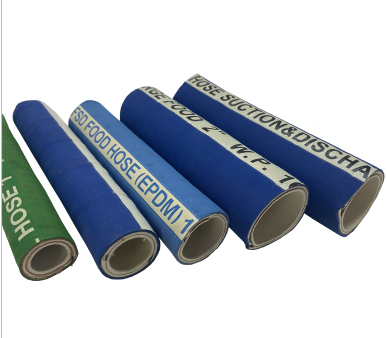
Wire braid hydraulic hose represents a critical component in fluid power systems across numerous industries, including construction, agriculture, manufacturing, and automotive. This guide details the intricacies of Original Design Manufacturing (ODM) for wire braid hydraulic hose, covering material selection, manufacturing processes, performance characteristics, failure modes, and relevant industry standards. Unlike rubber hoses lacking reinforcement, wire braid hoses utilize high-tensile steel wire spirally wound between layers of rubber, providing significantly enhanced pressure capabilities, burst strength, and resistance to kinking. ODM services specialize in custom hose design and production, accommodating specific application requirements regarding pressure, temperature, fluid compatibility, and length. The core performance characteristic of wire braid hose lies in its ability to reliably transmit hydraulic fluid under high pressure and fluctuating temperatures while maintaining structural integrity over extended operational lifecycles. This guide is intended for engineers, procurement managers, and quality control personnel involved in the specification, procurement, and maintenance of these essential hydraulic components.
Material Science & Manufacturing
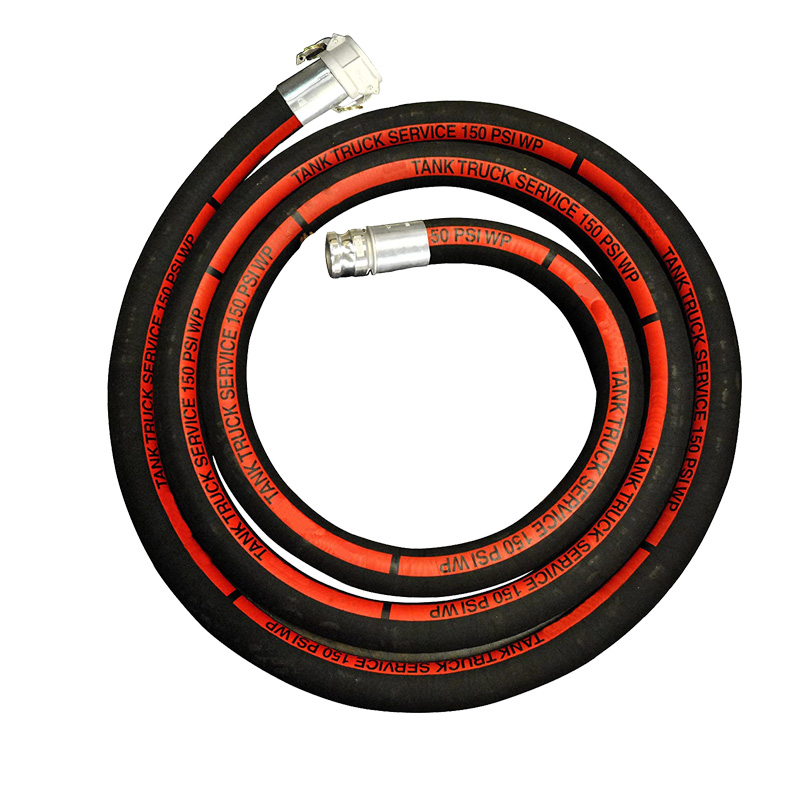
The construction of wire braid hydraulic hose necessitates careful material selection and precise manufacturing processes. The inner tube is typically composed of synthetic rubber compounds such as nitrile (NBR), ethylene propylene diene monomer (EPDM), or fluoroelastomer (FKM), chosen for their compatibility with the intended hydraulic fluid. NBR offers good resistance to petroleum-based fluids, EPDM excels in applications involving water-based fluids and high temperatures, and FKM provides superior resistance to aggressive chemicals and extreme temperatures. The reinforcement layer, consisting of high-tensile steel wire (typically carbon steel, though stainless steel is used in corrosive environments), is spirally wound to provide strength and prevent bursting. The wire's tensile strength and flexibility are crucial parameters. The cover layer, often a synthetic rubber such as chloroprene (CR) or a thermoplastic polyurethane (TPU), provides abrasion resistance, weather protection, and resistance to oil and chemicals. Manufacturing involves several key steps: Inner tube extrusion, followed by precise winding of the steel wire reinforcement, then outer cover extrusion. Post-extrusion processes include vulcanization (curing) to cross-link the rubber compounds, enhancing their strength and elasticity. Parameter control during vulcanization – temperature, pressure, and time – is critical to achieving optimal mechanical properties. Skiving the ends to facilitate fitting attachment is also a standard procedure. Quality control includes rigorous pressure testing, impulse testing, and dimensional inspection at various stages of production.
Performance & Engineering
The performance of wire braid hydraulic hose is governed by several critical engineering considerations. Burst pressure, defined as the pressure at which the hose fails catastrophically, is a primary specification. Working pressure is typically specified as a fraction of the burst pressure (e.g., 1/4 or 1/3), providing a safety factor. Impulse pressure, representing pressure fluctuations in the hydraulic system, is also vital; repeated pressure surges can cause fatigue failure. The hose’s ability to withstand these impulses is assessed through impulse testing. Temperature range is another important factor, as both high and low temperatures can degrade rubber compounds and affect their flexibility. Fluid compatibility must be verified to prevent swelling, cracking, or other forms of degradation. Force analysis considers the tensile and radial forces exerted on the hose during operation, factoring in internal pressure and external bending. Bending radius is critical to prevent kinking and stress concentration. Compliance requirements vary by industry and region, including standards set by SAE International, the European Union, and other regulatory bodies. Finite element analysis (FEA) is often employed in ODM to optimize hose design for specific applications, minimizing weight while maximizing performance and lifespan. Additionally, consideration must be given to the hose’s susceptibility to ozone cracking, UV degradation, and abrasion in the intended operating environment.
Technical Specifications
| Parameter | Unit | Typical Value (1" ID Hose) | Test Standard |
|---|---|---|---|
| Working Pressure | psi | 2000 | SAE J517 |
| Burst Pressure | psi | 8000 | SAE J517 |
| Temperature Range | °F | -40 to +212 | SAE J517 |
| Inner Tube Material | - | NBR | ASTM D2000 |
| Reinforcement | - | 2 Wire Braid (Steel) | SAE J517 |
| Cover Material | - | CR | ASTM D2000 |
| Minimum Bend Radius | inches | 6 | Manufacturer Specification |
Failure Mode & Maintenance
Wire braid hydraulic hose is susceptible to several failure modes. Fatigue cracking, arising from repeated pressure cycling and flexing, is a common issue, particularly near fittings. Corrosion of the steel wire reinforcement can occur in environments with moisture and corrosive fluids, leading to reduced strength and eventual failure. Abrasion from external contact can damage the cover, exposing the reinforcement to corrosion and leading to leakage. Kinking, caused by exceeding the minimum bend radius, can damage the inner tube and reinforcement. Delamination, the separation of rubber layers, can result from improper vulcanization or exposure to incompatible fluids. Oxidation of the rubber compounds, accelerated by high temperatures and UV exposure, leads to hardening and cracking. Proper maintenance is crucial to maximizing hose lifespan. Regular visual inspections should be conducted to check for abrasions, cracks, leaks, and kinks. Hoses should be replaced if any signs of damage are detected. Fluid compatibility should be verified to prevent degradation. Hose connections should be properly torqued to prevent leaks. Avoid exceeding the maximum working pressure and temperature. Store hoses in a cool, dry place away from direct sunlight and ozone sources. Implement a preventative maintenance schedule to proactively identify and address potential issues.
Industry FAQ
Q: What is the impact of hydraulic fluid type on hose selection?
A: Hydraulic fluid compatibility is paramount. Using an incompatible fluid can cause the inner tube to swell, soften, or crack, leading to premature failure. For example, phosphate ester fluids require specialized hose constructions using materials like FKM or PTFE. Always consult fluid compatibility charts and manufacturer specifications to ensure proper fluid selection.
Q: How does steel wire braid count affect hose performance?
A: Increasing the number of steel wire braids enhances the hose’s pressure capacity and resistance to kinking. A single braid hose is suitable for lower pressure applications, while multiple braid hoses (typically two or four) are used in higher-pressure systems. However, increasing braid count also reduces hose flexibility.
Q: What are the implications of impulse testing and how are results interpreted?
A: Impulse testing simulates the pressure pulsations common in hydraulic systems. The test assesses the hose’s ability to withstand repeated pressure surges without failure. Results are typically expressed as the number of cycles to failure at a specified pressure and frequency. A higher number of cycles indicates better impulse performance.
Q: What are the key considerations when specifying hose fittings?
A: Fittings must be properly sized and rated for the hose’s pressure and temperature specifications. Compatibility between the hose and fitting materials is critical to prevent corrosion. The fitting’s crimp type and quality significantly impact the hose assembly’s integrity. Regular inspection and retorquing of fittings are essential to prevent leaks.
Q: How does temperature affect the lifespan of a wire braid hose?
A: Elevated temperatures accelerate the degradation of rubber compounds, reducing their elasticity and increasing their susceptibility to cracking. Low temperatures can cause rubber to become brittle and less flexible. Operating outside the hose’s specified temperature range can significantly reduce its service life. Using hoses specifically designed for high or low-temperature applications is crucial.
Conclusion
Wire braid hydraulic hose remains a cornerstone of modern hydraulic systems, providing a robust and reliable solution for fluid power transmission. Successful ODM of these hoses necessitates a comprehensive understanding of material science, manufacturing processes, performance engineering, and relevant industry standards. Careful consideration of factors such as fluid compatibility, pressure ratings, temperature ranges, and potential failure modes is paramount to ensuring optimal hose performance and longevity.
Future developments in hydraulic hose technology are likely to focus on improved materials, such as advanced synthetic rubbers and lightweight reinforcement materials, to enhance performance and reduce weight. Smart hose technology, incorporating sensors to monitor pressure, temperature, and leakage, is also emerging, enabling predictive maintenance and improved system reliability. The continued demand for high-performance, durable, and safe hydraulic hoses will drive innovation and further refine the ODM process.