


odm thermoplastic hose supplier Performance Analysis
Introduction
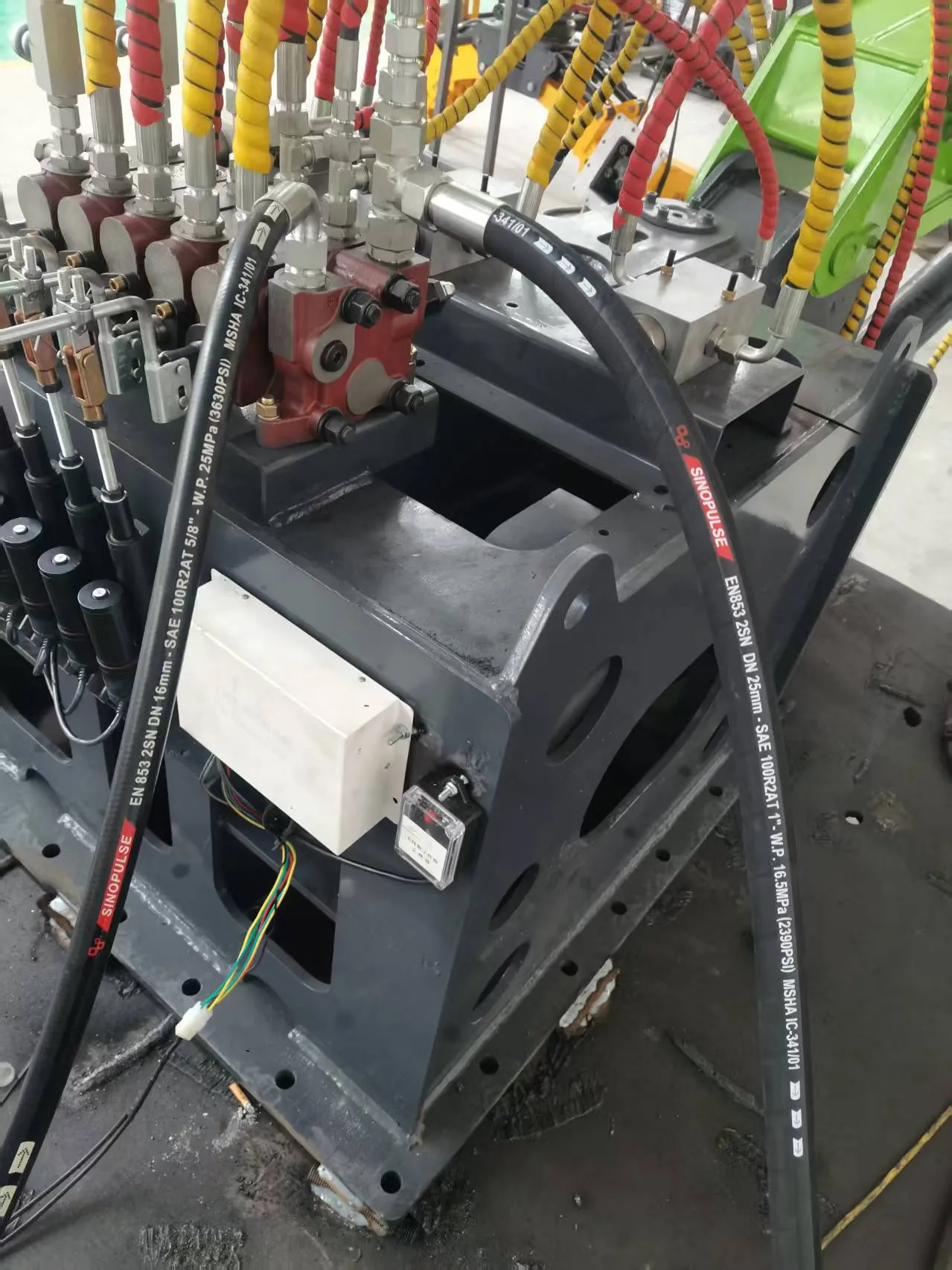
Thermoplastic hoses, supplied increasingly through Original Design Manufacturing (ODM) partnerships, represent a critical component in fluid transfer systems across diverse industries including automotive, agriculture, construction, and industrial manufacturing. These hoses are favored for their flexibility, corrosion resistance, and cost-effectiveness compared to traditional rubber hoses and metal tubing. The ODM model allows for customization of hose construction – material selection, reinforcement layers, and end fitting integration – to meet highly specific application requirements. This guide provides a comprehensive technical overview of thermoplastic hoses, encompassing material science, manufacturing processes, performance characteristics, failure modes, and relevant industry standards. A core industry pain point is achieving consistent performance across varying chemical environments and operating pressures, and this document addresses these concerns with detailed analyses. Furthermore, efficient quality control and traceability facilitated through robust ODM partnerships are essential to minimize downtime and ensure operational safety.
Material Science & Manufacturing
Thermoplastic hoses are typically constructed from a polymer matrix reinforced with textile or high-tensile fiber braiding. Common thermoplastic materials include Polyvinyl Chloride (PVC), Polyethylene (PE), Polypropylene (PP), Polyamide (Nylon), and Polyurethane (PU). PVC offers excellent chemical resistance and low cost, making it suitable for general-purpose applications. PE provides superior flexibility and impact resistance, while PP demonstrates higher temperature resistance. Nylon excels in abrasion resistance and oil resistance, and PU provides excellent flexibility and high-pressure capability. The reinforcement layer, commonly composed of polyester, nylon, or aramid fibers, provides burst strength and resistance to kinking. Manufacturing typically involves extrusion of the thermoplastic material, followed by braiding or spiraling of the reinforcement layer, and finally, application of an outer protective layer. Key process parameters include extrusion temperature, braiding tension, and cooling rate, all of which impact the final hose properties. Differential Scanning Calorimetry (DSC) is crucial for verifying the degree of crystallinity in the polymer, directly affecting strength and flexibility. Proper control of these parameters ensures dimensional accuracy, uniform wall thickness, and optimal mechanical performance. Material compatibility with the conveyed fluid is paramount; for instance, prolonged exposure of PVC to certain solvents can cause swelling and degradation.

Performance & Engineering
The performance of a thermoplastic hose is dictated by its ability to withstand internal pressure, external loads, temperature variations, and chemical exposure. Burst pressure, determined through hydrostatic testing according to standards like ISO 3096, is a critical parameter. Hose tensile strength, measured according to ASTM D2370, indicates its resistance to pulling forces. Flexibility is assessed by bend radius testing, ensuring the hose can navigate tight corners without kinking or damaging the polymer matrix. Environmental resistance encompasses UV stability, ozone resistance, and chemical compatibility. Long-term exposure to UV radiation can lead to polymer degradation, causing embrittlement and cracking. Chemical compatibility is assessed by immersion testing, evaluating changes in dimensions, weight, and mechanical properties after prolonged exposure to specific fluids. Force analysis considers hoop stress generated by internal pressure and longitudinal stress due to end-fitting attachment. Finite Element Analysis (FEA) is frequently employed to optimize hose design and predict stress concentrations. Compliance with industry regulations such as REACH and RoHS is essential, dictating permissible levels of restricted substances and ensuring environmental responsibility. Furthermore, understanding the hose's behavior under cyclical loading (fatigue analysis) is critical for applications involving pulsating flows.
Technical Specifications
| Parameter | PVC Hose | Nylon Hose | Polyurethane Hose | Operating Temperature Range (°C) |
|---|---|---|---|---|
| Maximum Working Pressure (PSI) | 300 | 500 | 600 | -40 to +80 |
| Burst Pressure (PSI) | 900 | 1500 | 1800 | -40 to +100 |
| Tensile Strength (MPa) | 15 | 30 | 45 | -20 to +60 |
| Minimum Bend Radius (mm) | 150 | 100 | 75 | -30 to +90 |
| Chemical Resistance | Good (acids, alkalis) | Excellent (oils, fuels) | Excellent (abrasives, solvents) | -10 to +70 |
| Durometer Hardness (Shore A) | 70A | 70A | 95A | -40 to +120 |
Failure Mode & Maintenance
Common failure modes in thermoplastic hoses include burst failure due to exceeding pressure limits, kinking resulting from excessive bending, cracking caused by UV degradation or chemical attack, and permeation leading to fluid loss. Burst failures typically originate at weakened points in the hose wall, such as imperfections in the polymer matrix or areas of high stress concentration around fittings. Kinking restricts flow and can lead to localized stress buildup, eventually causing cracking. UV degradation manifests as surface chalking, followed by embrittlement and cracking. Chemical attack can cause swelling, softening, or dissolution of the polymer. Permeation, particularly in thinner-walled hoses, results in the diffusion of fluid through the hose wall. Preventative maintenance includes regular visual inspections for cracks, kinks, and abrasions. Pressure testing should be performed periodically to verify the hose's integrity. Proper storage is crucial; hoses should be stored in a cool, dry place away from direct sunlight and chemicals. When handling hoses, avoid sharp bends and excessive tension. If damage is detected, the hose should be replaced immediately. For extended service life, consider using protective sleeves or coatings to shield the hose from UV radiation and abrasion. Detailed failure analysis, including microscopic examination of fractured surfaces, can help identify the root cause of failure and prevent recurrence.
Industry FAQ
Q: What are the key considerations when selecting a thermoplastic hose for conveying abrasive slurries?
A: When handling abrasive slurries, the primary concern is abrasion resistance. Polyurethane (PU) hoses are generally the best choice due to their superior abrasion resistance compared to PVC or Nylon. The hose wall thickness should be maximized, and a smooth inner surface is preferred to minimize friction and wear. Additionally, consider a hose with a robust reinforcement layer to prevent collapse under vacuum conditions.
Q: How does temperature affect the working pressure rating of a thermoplastic hose?
A: Generally, as temperature increases, the working pressure rating of a thermoplastic hose decreases. This is because the polymer matrix loses strength and flexibility at elevated temperatures. Always consult the manufacturer’s specifications for derating factors at different temperatures. Operating a hose above its rated temperature significantly increases the risk of failure.
Q: What is the significance of the reinforcement layer in a thermoplastic hose?
A: The reinforcement layer provides the hose with its burst strength and resistance to kinking. It prevents the hose from expanding excessively under pressure and maintains its structural integrity. Different reinforcement materials, such as polyester, nylon, and aramid, offer varying levels of strength and flexibility. The appropriate reinforcement material depends on the specific application requirements.
Q: Can thermoplastic hoses be used for vacuum applications? What considerations are important?
A: Yes, certain thermoplastic hoses are suitable for vacuum applications, but proper selection is crucial. The hose must be capable of withstanding the negative pressure without collapsing. A robust reinforcement layer, typically a spiral-wound construction, is essential to prevent implosion. The hose should also be free of leaks and have a smooth inner surface to minimize flow restriction.
Q: What are the advantages of using an ODM for thermoplastic hose sourcing?
A: Utilizing an ODM provides several benefits, including customization options to meet specific application needs, cost-effectiveness through economies of scale, access to specialized manufacturing expertise, and reduced lead times. A strong ODM partnership also facilitates rigorous quality control and traceability, ensuring consistent performance and reliability. Effective communication and clear specification of requirements are vital for a successful ODM collaboration.
Conclusion
Thermoplastic hoses offer a versatile and cost-effective solution for a wide range of fluid transfer applications. Understanding the interplay between material science, manufacturing processes, and performance characteristics is paramount for selecting the optimal hose for a given application. Careful consideration of factors such as pressure, temperature, chemical compatibility, and abrasion resistance, coupled with adherence to relevant industry standards, is essential to ensure reliable and safe operation.
The increasing trend towards ODM sourcing provides opportunities for tailored solutions and improved cost efficiency. However, it necessitates a robust quality control system and clear communication with the ODM partner. Ongoing monitoring, preventative maintenance, and proactive failure analysis are vital for maximizing the service life and minimizing the risk of downtime. Continuous advancements in thermoplastic materials and manufacturing technologies will further enhance the performance and durability of these critical components.