


odm polyester yarn braid r7 r8 hose Performance Analysis
Introduction
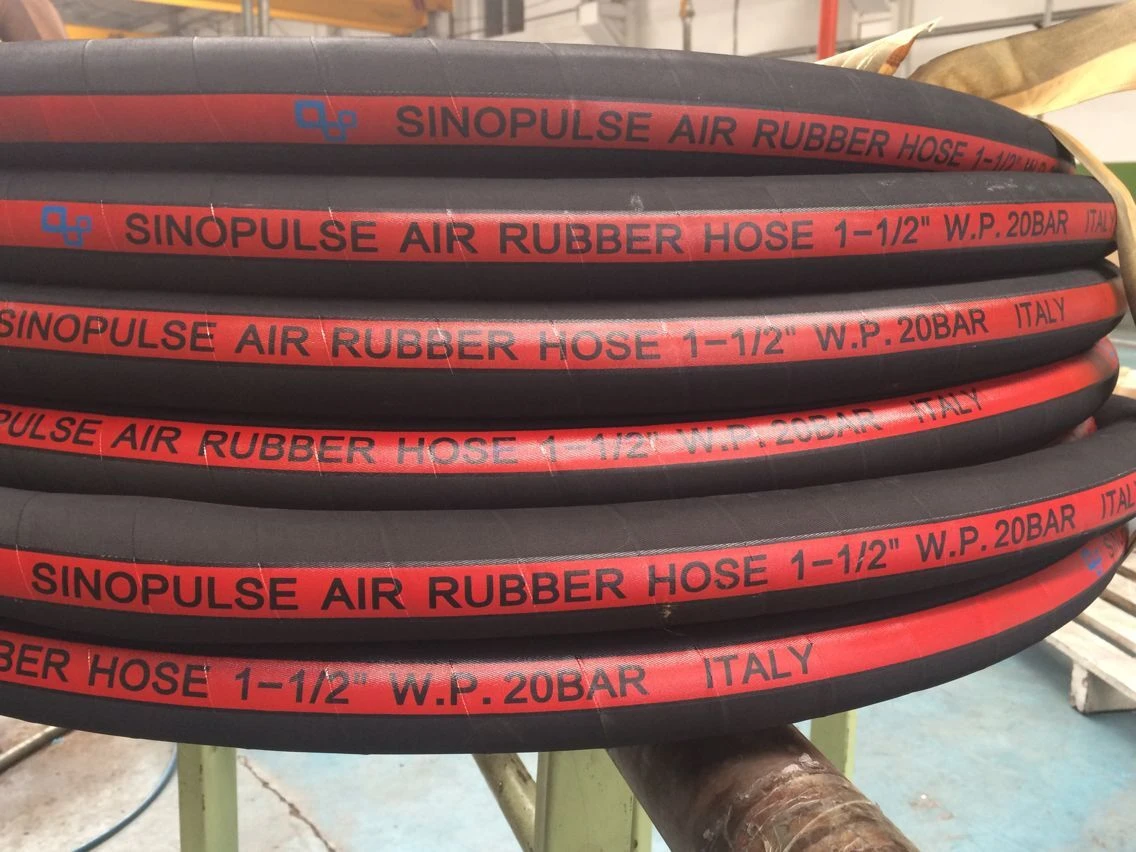
ODM polyester yarn braid R7/R8 hose represents a crucial component in hydraulic fluid power systems, utilized extensively across diverse industrial applications including construction machinery, agricultural equipment, material handling, and industrial manufacturing. These hoses are designed for the transmission of hydraulic power, offering a robust solution for conveying fluids under high pressure and demanding operational conditions. The R7 and R8 designations refer to specific Society of Automotive Engineers (SAE) performance standards, dictating pressure capacity and operational temperature ranges. Polyester yarn reinforcement provides high tensile strength and resistance to elongation, while the synthetic rubber inner tube ensures fluid compatibility. A key industry pain point is ensuring consistent quality in outsourced manufacturing (ODM) to maintain reliability and prevent catastrophic failures due to hose rupture, leading to downtime and safety hazards. Selecting the appropriate hose, considering factors like fluid type, pressure, temperature, and environmental exposure, is paramount for optimal performance and longevity.
Material Science & Manufacturing
The core materials of an ODM polyester yarn braid R7/R8 hose directly influence its performance characteristics. The inner tube is typically constructed from a synthetic rubber compound, commonly nitrile (NBR), ethylene propylene diene monomer (EPDM), or chloroprene rubber (CR), chosen based on fluid compatibility. Nitrile exhibits excellent resistance to petroleum-based fluids, while EPDM excels in phosphate ester and high-temperature applications. Chloroprene offers a balance of properties and good abrasion resistance. The reinforcement layer consists of high-tenacity polyester yarn, providing the tensile strength necessary to withstand high internal pressures. Polyester's inherent properties, including low elongation and good dimensional stability, are critical. The outer cover is generally a synthetic rubber, such as polyurethane or chloroprene, providing protection against abrasion, weathering, ozone, and chemical attack.
Manufacturing involves several critical stages. The inner tube is extruded through a die to achieve the desired bore and wall thickness. Polyester yarn is then wound onto a mandrel in a precise helical pattern, ensuring uniform coverage and strength distribution. The number of yarn layers dictates the hose’s pressure rating – R7 hoses typically have fewer layers than R8. A bonding adhesive is applied to promote adhesion between the yarn and the inner tube. Following yarn application, the outer cover is extruded over the reinforcement layer. Key parameter control includes maintaining consistent yarn tension during winding, accurate adhesive application, and precise temperature control during extrusion to prevent material degradation. Post-extrusion, the hose undergoes a curing process to vulcanize the rubber compounds and enhance their mechanical properties. Quality control measures, including pressure testing to 1.5 times the working pressure, dimensional checks, and visual inspection for defects, are essential.
Performance & Engineering
The performance of an R7/R8 hose is dictated by several engineering considerations. Burst pressure, working pressure, and temperature range are key specifications. R7 hoses are typically rated for working pressures up to 2500 psi, while R8 hoses can handle pressures up to 3000 psi. Temperature resistance varies depending on the rubber compound, but generally ranges from -40°C to +100°C. The hose’s bend radius is another critical parameter; exceeding the minimum bend radius can cause kinking and premature failure. Fatigue resistance is particularly important in applications involving continuous flexing or vibration. Finite Element Analysis (FEA) is commonly employed during the design phase to optimize the reinforcement structure and predict stress concentrations. Chemical compatibility must be considered to prevent degradation of the inner tube and subsequent fluid leakage. The hose's outer cover must resist abrasion and environmental factors specific to the application environment. A core pain point is ensuring the hose’s performance doesn’t degrade significantly over time, necessitating robust material selection and manufacturing processes.
Force analysis involves calculating the hoop stress within the hose wall under internal pressure. This stress is proportional to the pressure and radius, and inversely proportional to the wall thickness. The polyester yarn reinforcement bears the majority of this stress. Compliance requirements, such as those outlined by SAE standards (J517 for pressure ratings, J1926 for dimensions), must be met. Additionally, regulations regarding fluid containment and environmental protection (e.g., REACH, RoHS) may apply. The implementation of a robust quality management system, including statistical process control (SPC), is crucial for maintaining consistent performance.
Technical Specifications
| Parameter | R7 Hose | R8 Hose | Unit |
|---|---|---|---|
| Working Pressure | 2000 | 3000 | psi |
| Burst Pressure | 8000 | 12000 | psi |
| Temperature Range | -40 to +100 | -40 to +100 | °C |
| Reinforcement Material | Polyester Yarn | Polyester Yarn | - |
| Inner Tube Material (Typical) | NBR | NBR | - |
| Outer Cover Material (Typical) | Chloroprene | Polyurethane | - |
Failure Mode & Maintenance
Common failure modes in polyester yarn braid R7/R8 hoses include burst failure due to exceeding the pressure rating, kink failure resulting from excessive bending, abrasion damage to the outer cover, and degradation of the inner tube due to incompatible fluids or prolonged exposure to harsh environments. Fatigue cracking can occur in applications with continuous flexing, initiating at stress concentration points (e.g., fittings). Delamination between the reinforcement and the rubber layers can also lead to failure. Oxidation of the rubber compounds can cause hardening and cracking, reducing the hose's flexibility and strength. A critical failure analysis point is identifying the root cause – was it material defect, manufacturing flaw, improper installation, or exceeding operational limits?
Preventative maintenance is essential for maximizing hose lifespan. Regular visual inspection for cracks, abrasions, and leaks should be conducted. Hoses should be replaced if any signs of damage are detected. Ensure proper installation procedures are followed, including using the correct fittings and avoiding excessive bending. Fluid compatibility should be verified before use. Avoid exposing the hose to extreme temperatures or corrosive chemicals. Proper storage – away from direct sunlight, ozone sources, and extreme temperatures – is also crucial. A robust hose management program, including tracking hose age and usage, can help proactively identify and replace potentially failing hoses.
Industry FAQ
Q: What is the primary difference between R7 and R8 hoses, and when would I choose one over the other?
A: The primary difference lies in their working and burst pressure ratings. R8 hoses offer higher pressure capacity (typically 3000 psi) compared to R7 hoses (typically 2000 psi). Choose R8 when the hydraulic system operates at higher pressures, or when a greater safety margin is desired. R7 is suitable for lower-pressure applications where cost optimization is a priority.
Q: How does fluid compatibility impact the lifespan of a polyester yarn braid hose?
A: Fluid incompatibility can cause the inner tube to swell, soften, or degrade, leading to leaks and premature failure. Selecting the correct inner tube material (NBR, EPDM, or CR) based on the fluid being conveyed is critical. Consult compatibility charts to ensure the rubber compound is resistant to the specific fluid.
Q: What causes kinking in a hose, and how can it be prevented?
A: Kinking occurs when the hose is bent beyond its minimum bend radius, causing internal collapse and restricting fluid flow. Prevention involves ensuring the hose has sufficient clearance and is routed correctly to avoid sharp bends. Using hoses with a tighter bend radius specification can also mitigate this issue.
Q: What are the implications of using an ODM supplier, and how can quality be assured?
A: Utilizing an ODM supplier can lead to cost savings but introduces risks related to quality control. Thorough vetting of the supplier, including factory audits, material testing, and adherence to quality management systems (e.g., ISO 9001), is crucial. Implementing rigorous incoming inspection procedures and periodic performance testing of finished hoses are also essential.
Q: What role does the outer cover play in hose longevity, and what materials are best suited for different environments?
A: The outer cover provides critical protection against abrasion, weathering, ozone, and chemical attack. Polyurethane offers excellent abrasion resistance, making it suitable for harsh environments. Chloroprene provides good overall protection and is more cost-effective. Regular inspection of the outer cover for damage is vital to prevent degradation of the reinforcement layers.
Conclusion
ODM polyester yarn braid R7/R8 hoses are foundational components in hydraulic systems, demanding a thorough understanding of material science, manufacturing processes, and operational parameters. Ensuring correct hose selection, proper installation, and regular maintenance are paramount for maximizing lifespan and preventing costly failures. The choice between R7 and R8 hinges on system pressure requirements, while fluid compatibility and environmental factors dictate the appropriate rubber compound for the inner tube and outer cover.
Looking ahead, advancements in material technology, such as the development of more durable and chemically resistant rubber compounds, alongside enhanced manufacturing techniques, will continue to improve hose performance and reliability. Implementing predictive maintenance strategies, leveraging sensor technology to monitor hose condition in real-time, will become increasingly prevalent. Careful consideration of sourcing strategies and robust quality control measures are essential to mitigate the risks associated with ODM suppliers and ensure long-term operational efficiency.