


msha hydraulic hose quotes Performance Analysis
Introduction
MSHA (Mine Safety and Health Administration) hydraulic hoses are specialized high-pressure fluid conveyance systems designed for use in demanding underground mining environments. These hoses differ significantly from standard industrial hydraulic hoses due to their stringent construction requirements, focusing on fire resistance, abrasion resistance, and impulse performance. The “quote” aspect in procurement pertains not merely to price, but to a complete specification conforming to MSHA standards (30 CFR Part 7, specifically relating to fire resistance) and the end-user’s operational demands. This guide details the material science, manufacturing processes, performance characteristics, failure modes, and maintenance protocols critical for procuring and utilizing MSHA hydraulic hoses, addressing the core industry challenge of maintaining operational safety and minimizing downtime in hazardous mining operations. The key performance indicators center around burst pressure, fire resistance time, abrasion resistance (measured via Taber abrasion tests), and impulse testing to simulate shock loads common in hydraulic systems operating heavy machinery.
Material Science & Manufacturing
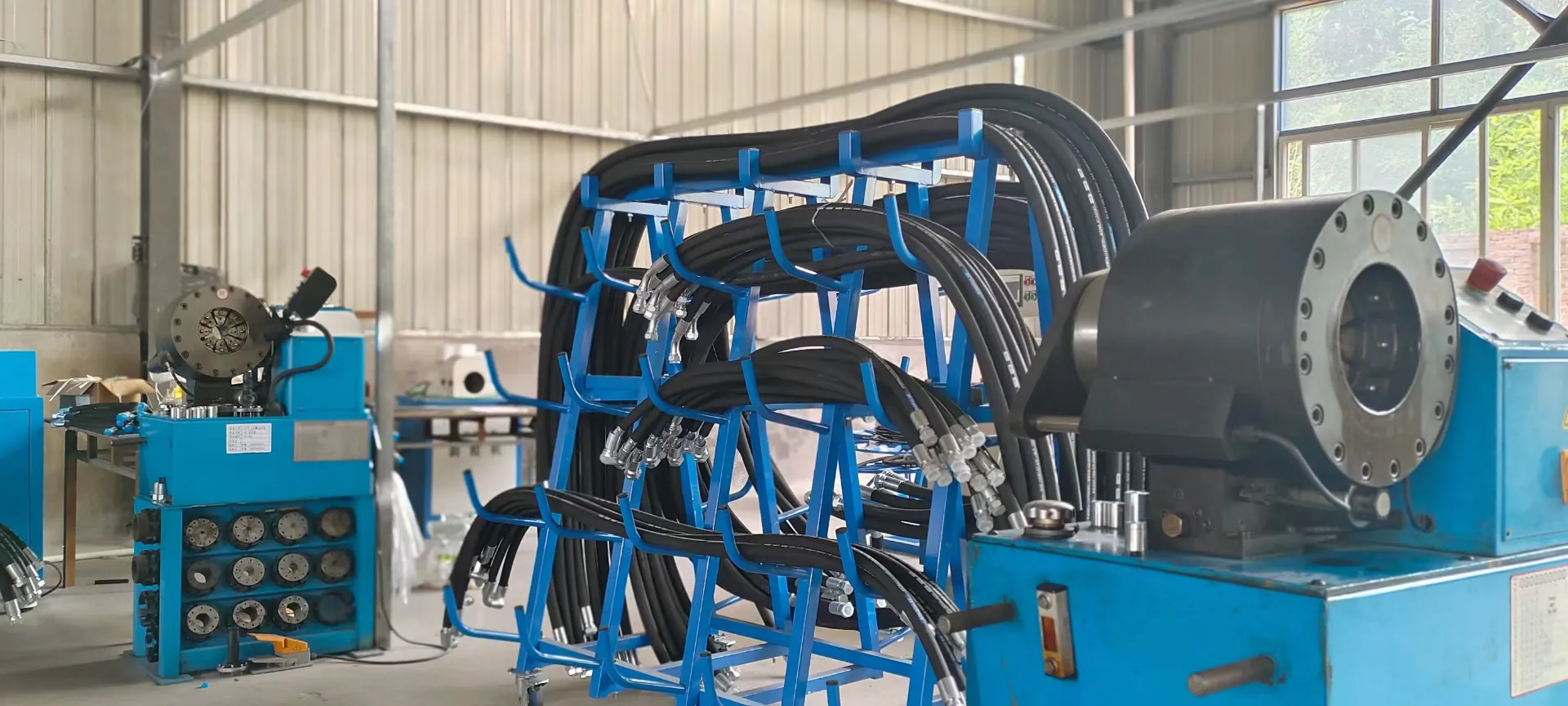
MSHA hydraulic hoses are typically constructed with an inner tube of synthetic rubber, specifically nitrile rubber (NBR) for oil resistance, or ethylene propylene diene monomer (EPDM) for compatibility with phosphate ester hydraulic fluids. Reinforcement layers are critical and consist of multiple braids of high-tensile steel wire. The number and construction of these braids directly determine the hose’s working and burst pressures. Crucially, MSHA hoses employ a fire-resistant cover, traditionally a blend of synthetic rubbers with incorporated flame retardants (typically based on magnesium hydroxide or aluminum trihydrate). The manufacturing process involves precise extrusion of the inner tube, spiraling of the steel wire reinforcement, and then extrusion of the cover. Parameter control is paramount: wire tension during braiding must be consistent to ensure uniform pressure resistance; rubber compound mixing must adhere to strict formulations to achieve specified fire resistance; and curing processes (temperature and time) must be optimized to maximize the physical properties of the rubber. A critical manufacturing step is the application of a bonding agent between the rubber and steel to prevent separation under pressure and flexing. Post-manufacturing, hoses undergo rigorous testing – hydraulic pressure testing to burst, impulse testing to simulate shock loading, and fire resistance testing as mandated by MSHA.

Performance & Engineering
The performance of MSHA hydraulic hoses is dictated by several engineering considerations. Force analysis focuses on hoop stress within the hose walls under pressure, calculating the required reinforcement layers to withstand anticipated working pressures with an adequate safety factor (typically 4:1). Environmental resistance is critical; mining environments present exposure to abrasive dust, corrosive fluids, and extreme temperatures. The cover material must resist abrasion and degradation from these factors. Compliance with 30 CFR Part 7 is non-negotiable – the hose must withstand direct flame exposure for a specified duration without burning through (typically 5 minutes, as per MSHA testing protocols). Functional implementation requires careful consideration of hose bend radius to avoid kinking and subsequent failure. Fitting selection is also crucial; improper fittings can create stress concentrations and lead to premature failure. Impulse testing, simulating rapid pressure fluctuations, is critical to evaluate the hose’s ability to withstand shock loads generated by hydraulic actuators. The hose assembly's overall dynamic performance dictates system reliability and operator safety. A key engineering challenge lies in balancing fire resistance with flexibility, as increased fire retardant loading can often reduce the rubber's elongation and flexibility.
Technical Specifications
| Parameter | Typical Value (1" ID Hose) | Test Standard | Critical Considerations |
|---|---|---|---|
| Working Pressure (PSI) | 3000-5000 | SAE J517 | Select based on system operating pressure and safety factor. |
| Burst Pressure (PSI) | 12000-20000 | SAE J517 | Minimum 4:1 safety factor relative to working pressure. |
| Fire Resistance (minutes) | ≥5 | 30 CFR Part 7 | Mandatory for MSHA compliance; documented test reports required. |
| Abrasion Resistance (Taber Abrasion Index) | ≤50 mg loss | ASTM D5963 | Impacts hose lifespan in abrasive mining environments. |
| Impulse Cycles (at 125% WP) | ≥100,000 | SAE J518 | Critical for hydraulic systems with frequent start/stop cycles. |
| Temperature Range (°F) | -40 to +212 | SAE J517 | Consider ambient temperature and fluid temperature. |
Failure Mode & Maintenance
MSHA hydraulic hoses are susceptible to several failure modes. Fatigue cracking, caused by repeated flexing and pressure cycles, is common, particularly near fittings. Delamination, or separation of the reinforcement layers from the rubber, can occur due to improper bonding or exposure to harsh chemicals. Abrasion wear gradually thins the cover, leading to eventual burst failure. Oxidation and UV degradation can embrittle the rubber, reducing its flexibility and strength. Fitting failure, often due to corrosion or improper tightening, is a frequent cause of leaks and hose rupture. Maintenance involves regular visual inspections for cuts, abrasions, bulges, and leaks. Hoses should be replaced immediately if any damage is detected. Proper routing and support are essential to prevent kinking and excessive bending. Systematic fluid analysis can identify contaminants that accelerate wear. Hose assemblies should be periodically pressure tested to verify integrity. Record-keeping of hose replacement dates and failure analyses is crucial for proactive maintenance planning. Consider utilizing hose protection sleeves in high-wear areas to extend hose life and improve safety.
Industry FAQ
Q: What is the primary difference between a standard industrial hydraulic hose and an MSHA-approved hydraulic hose?
A: The critical difference lies in the fire resistance. MSHA hoses are specifically designed to withstand direct flame exposure for a minimum of five minutes without burning through, a requirement mandated by the Mine Safety and Health Administration for underground mining applications. Standard industrial hoses do not typically meet this requirement.
Q: How does the steel wire braiding configuration impact the working pressure of an MSHA hose?
A: The number of braids and the wire diameter directly influence the hose's pressure rating. More braids and larger diameter wire provide greater tensile strength and, consequently, a higher working and burst pressure. Hose manufacturers carefully engineer the braiding configuration to meet specific pressure requirements while maintaining flexibility.
Q: What types of hydraulic fluids are compatible with typical MSHA hose inner tube materials?
A: Nitrile rubber (NBR) inner tubes are generally compatible with petroleum-based hydraulic fluids. Ethylene Propylene Diene Monomer (EPDM) inner tubes are specifically formulated for compatibility with phosphate ester hydraulic fluids, which are often used in mining applications due to their fire-resistant properties.
Q: What are the common causes of premature failure in MSHA hydraulic hoses within a mining environment?
A: Common causes include abrasion from rock and debris, kinking due to improper routing, exposure to corrosive fluids and chemicals, fatigue cracking from repeated flexing, and impact damage from machinery. Regular inspection and preventative maintenance are essential to mitigate these risks.
Q: What documentation is typically required to verify MSHA compliance of a hydraulic hose?
A: Verification typically requires a Certificate of Compliance from the hose manufacturer, demonstrating that the hose has been successfully tested to meet the requirements of 30 CFR Part 7. This includes documented test reports for fire resistance, burst pressure, and impulse testing.
Conclusion
MSHA hydraulic hoses represent a critical safety component in underground mining operations. Their specialized construction, focusing on fire resistance and durability, differentiates them from standard industrial hoses. Successful procurement and utilization necessitate a thorough understanding of material science, manufacturing processes, performance specifications, and potential failure modes. Adherence to MSHA regulations and implementation of a robust preventative maintenance program are paramount to ensuring operational safety and minimizing downtime.
Looking ahead, advancements in hose materials and manufacturing techniques, such as the development of more abrasion-resistant polymers and improved bonding agents, will likely further enhance the performance and longevity of MSHA hydraulic hoses. The growing emphasis on predictive maintenance, utilizing sensor technology to monitor hose condition in real-time, also presents opportunities to optimize maintenance schedules and proactively prevent failures, ultimately contributing to a safer and more efficient mining operation.