


mining hydraulic hose supplier Performance Analysis
Introduction
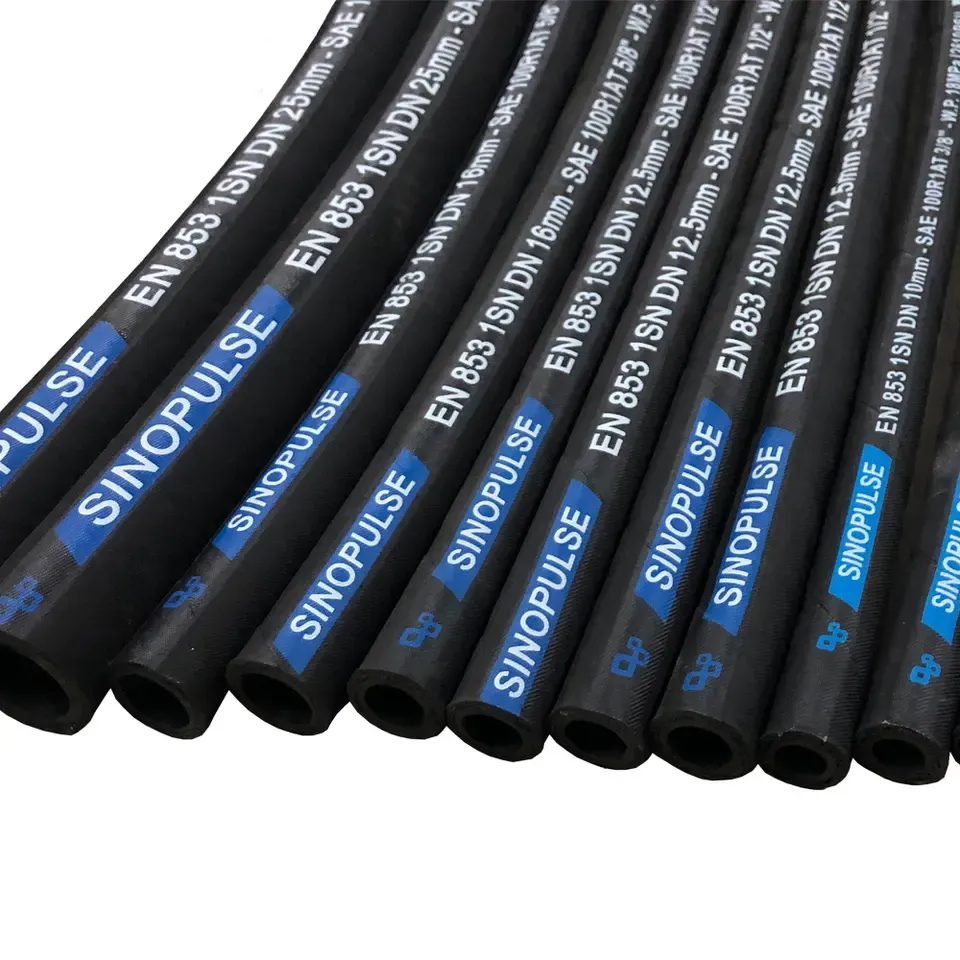
Mining hydraulic hose is a critical component in heavy machinery used for excavation, material handling, and drilling operations. Positioned within the fluid power transmission system, these hoses facilitate the delivery of pressurized hydraulic fluid to actuators – cylinders, motors, and valves – enabling the robust operation required in harsh mining environments. Unlike general-purpose hydraulic hoses, mining hoses are engineered to withstand significantly higher working pressures, extreme temperatures, abrasive materials, and frequent flexing, addressing the unique challenges of subsurface extraction. Core performance characteristics center around burst pressure, working pressure, abrasion resistance (measured by various rub tests), and fluid compatibility, all impacting operational safety and equipment uptime. The consistent demand for increased productivity and reduced maintenance within the mining sector drives ongoing development in hose materials, construction techniques, and performance monitoring capabilities.
Material Science & Manufacturing
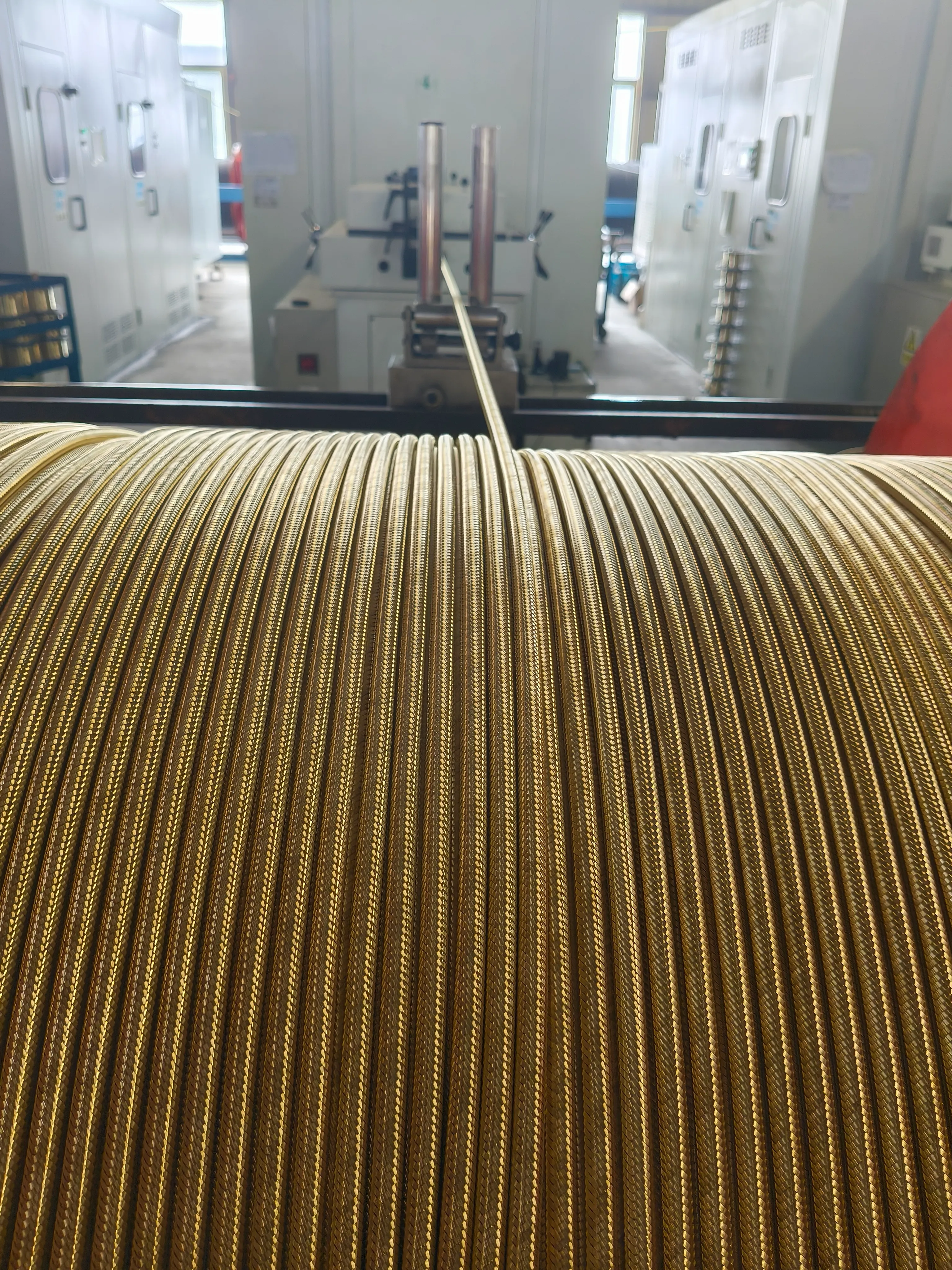
Mining hydraulic hoses commonly utilize a multi-layered construction. The inner tube, in direct contact with the hydraulic fluid, is typically composed of synthetic rubbers like nitrile (NBR), chloroprene (CR), or ethylene propylene diene monomer (EPDM). NBR offers excellent oil resistance, CR provides good abrasion and weathering resistance, and EPDM excels in high-temperature applications and compatibility with phosphate ester fluids. Reinforcement layers provide the hose's pressure-bearing capacity. These are often constructed from multiple spiraled or braided high-tensile steel wire. The number and arrangement of these layers directly correlate to the hose’s working and burst pressures. An intermediate cover layer often incorporates synthetic fiber braiding (aramid or polyester) for added flexibility and kink resistance. Finally, the outer cover, vital for environmental protection, is typically formulated from a blend of synthetic rubbers like CR or polyurethane, chosen for their abrasion, ozone, and UV resistance.
Manufacturing processes include inner tube extrusion, reinforcement layer winding or braiding, and outer cover extrusion. Precise control of extrusion temperatures, pressures, and material ratios is crucial to ensure consistent wall thickness and bonding between layers. Steel wire surface treatment (e.g., zinc coating) is employed to enhance adhesion and corrosion resistance. Post-extrusion, hoses undergo vulcanization (curing) under controlled temperature and pressure to develop the desired physical and mechanical properties. Quality control includes hydrostatic testing (proof pressure testing) to verify pressure integrity, impulse testing to simulate dynamic loads, and dimensional inspections. Specialized manufacturing techniques like 'shark bite' or 'field attachable' fitting technology are also utilized to facilitate on-site repair and maintenance.
Performance & Engineering
The performance of a mining hydraulic hose is dictated by several engineering considerations. Stress analysis, utilizing Finite Element Analysis (FEA) software, is employed during the design phase to optimize reinforcement layer configuration and predict hose behavior under pressure and bending. Burst pressure is a critical safety parameter; hoses must withstand pressures significantly exceeding their rated working pressure. Impulse pressure testing simulates the pressure pulsations common in hydraulic systems, assessing the hose’s ability to endure repeated stress cycles without failure. Abrasion resistance is paramount in mining applications where hoses are exposed to abrasive materials like rock, ore, and sand. Standardized abrasion tests, such as the Taber Abrasion Test, quantify material loss under controlled conditions.
Environmental resistance, including resistance to ozone, UV radiation, and extreme temperatures, is equally important. The hose cover material selection directly impacts these properties. Flex fatigue is a major failure mechanism; hoses subjected to constant bending and flexing can experience fatigue cracking. Engineers account for this by optimizing hose routing and utilizing materials with high flex fatigue resistance. Compliance requirements, such as those stipulated by MSHA (Mine Safety and Health Administration) in the US, dictate specific standards for hose construction and testing to ensure worker safety. Proper hose fitting selection and installation are also crucial for optimal performance and preventing leakage or blow-off failures.
Technical Specifications
| Parameter | Unit | Typical Value (Mining Hose - High Pressure) | Test Standard |
|---|---|---|---|
| Working Pressure | PSI (MPa) | 5000 – 10,000 (34.5 – 69) | SAE J517 |
| Burst Pressure | PSI (MPa) | 15,000 – 30,000 (103 – 207) | SAE J517 |
| Temperature Range | °F (°C) | -40 to +250 (-40 to +121) | SAE J517 |
| Abrasion Resistance | mg/cm³ | < 50 (Taber Abrasion Test) | ASTM D5963 |
| Impulse Cycles | Cycles to Failure | > 200,000 | SAE J518 |
| Inner Tube Material | - | NBR, CR, or EPDM | SAE J200 |
Failure Mode & Maintenance
Common failure modes in mining hydraulic hoses include burst failures due to exceeding pressure limits, abrasion-induced wear of the outer cover leading to reinforcement exposure, flex fatigue cracking at bend points, and contamination-related degradation of the inner tube. Burst failures are often sudden and catastrophic, posing a significant safety risk. Abrasion can be gradual but progressively weakens the hose, increasing the risk of failure. Flex fatigue is exacerbated by improper hose routing and insufficient support. Contamination, such as metallic particles or water, can compromise the sealing properties of the hose and accelerate wear. Oxidation of the rubber compounds, particularly in high-temperature environments, can lead to hardening and cracking.
Preventative maintenance is crucial. Regular visual inspections should identify signs of abrasion, cracking, or leakage. Hose routing should be optimized to minimize bending stress and avoid contact with abrasive surfaces. Hydraulic fluid should be regularly analyzed for contamination and filtered appropriately. Hoses should be replaced at recommended intervals, even if no visible damage is apparent. Proper fitting installation, using correctly sized and torqued fittings, is essential. When replacing hoses, ensure compatibility with the hydraulic fluid being used. Specialized hose protection sleeves can be employed in highly abrasive environments to extend hose life. Proper storage of hoses, shielded from sunlight and extreme temperatures, will also preserve material integrity.
Industry FAQ
Q: What is the significance of spiral reinforcement versus braided reinforcement in a mining hose?
A: Spiral reinforcement generally provides higher pressure ratings and superior kink resistance compared to braided reinforcement. However, braided hoses often offer better flexibility, making them suitable for applications with tight bend radii. Mining hoses often utilize multiple layers of spiraled steel wire to maximize pressure capacity, as this is a primary concern in demanding underground environments.
Q: How does temperature affect the lifespan of a mining hydraulic hose?
A: Extreme temperatures, both high and low, can accelerate the degradation of rubber compounds. High temperatures promote oxidation and hardening, while low temperatures can reduce flexibility and increase the risk of cracking. Choosing a hose with a temperature rating appropriate for the operating environment is critical.
Q: What are the potential consequences of using an incompatible hydraulic fluid with a hose?
A: Incompatible fluids can cause swelling, softening, or degradation of the inner tube material, leading to leakage, reduced pressure capacity, and premature failure. Always verify fluid compatibility before installing a hose.
Q: How important is proper hose fitting installation, and what are common mistakes to avoid?
A: Proper fitting installation is paramount. Common mistakes include over-tightening (damaging the hose end) or under-tightening (leading to leakage), using incorrect fitting types, and failing to clean fitting surfaces before assembly. Always follow the manufacturer’s torque specifications and use appropriately sized wrenches.
Q: What is the role of MSHA (Mine Safety and Health Administration) in regulating mining hydraulic hoses?
A: MSHA sets safety standards for mining equipment, including hydraulic hoses. These standards address requirements for hose construction, testing, and maintenance to minimize the risk of hose failures and protect miners from potential hazards. Compliance with MSHA regulations is mandatory for mining operations in the US.
Conclusion
Mining hydraulic hoses represent a specialized engineering solution designed to withstand the uniquely challenging conditions inherent in the extraction industry. Their performance is critically dependent on material selection, manufacturing precision, and adherence to stringent industry standards. Understanding the complex interplay between pressure ratings, abrasion resistance, temperature stability, and potential failure modes is essential for ensuring operational safety, minimizing downtime, and maximizing equipment lifespan.
Future advancements in mining hose technology will likely focus on the development of more durable materials, improved abrasion resistance coatings, and integrated sensor systems for real-time performance monitoring and predictive maintenance. Furthermore, the increased adoption of environmentally friendly hydraulic fluids will necessitate the development of hoses with enhanced compatibility and reduced environmental impact. Continuous refinement of these critical components will play a vital role in driving efficiency and safety within the mining sector.