


hydraulic rubber welding hose Performance Analysis
Introduction
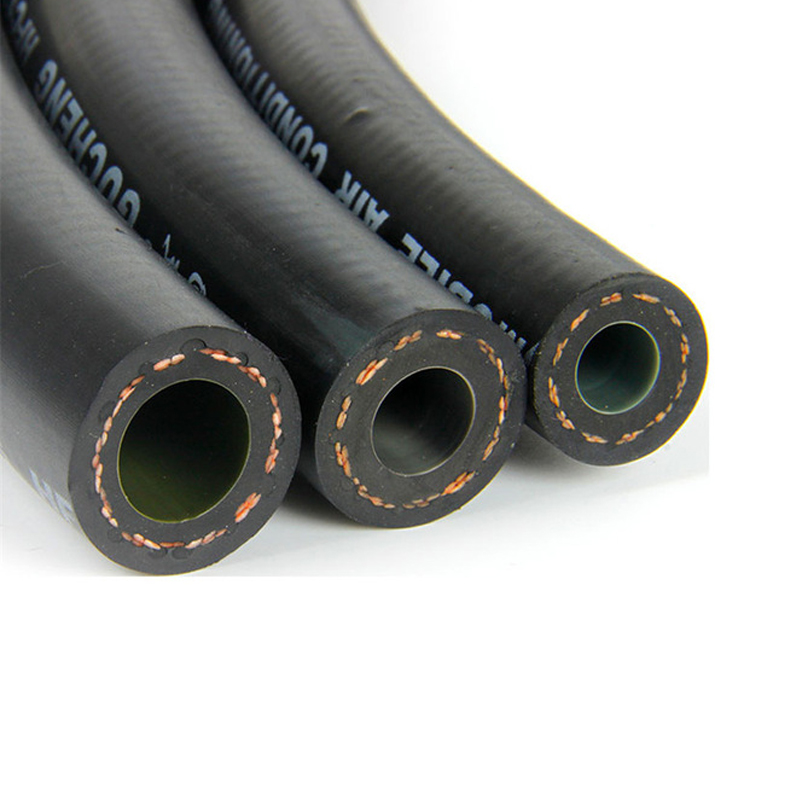
Hydraulic rubber welding hose is a critical component in fluid power systems, designed for the transmission of hydraulic fluid under high pressure and temperature conditions. Its unique characteristic lies in the vulcanized rubber bonded to a reinforcing structure, typically comprised of multiple layers of high-tensile steel wire, allowing for flexibility and resistance to operational stresses. Positioned within the hydraulic system between the pump, valves, and actuators, the hose facilitates power delivery. Core performance metrics include burst pressure, working pressure, temperature range, and fluid compatibility. A key industry pain point revolves around maintaining consistent weld quality during hose end attachment, ensuring long-term operational reliability and preventing catastrophic failures. Selection is dictated by fluid type (mineral oil, synthetic fluids, etc.), pressure requirements, and environmental operating conditions. The industry trend leans towards lightweight, high-strength hose constructions offering enhanced flexibility and extended service life.
Material Science & Manufacturing
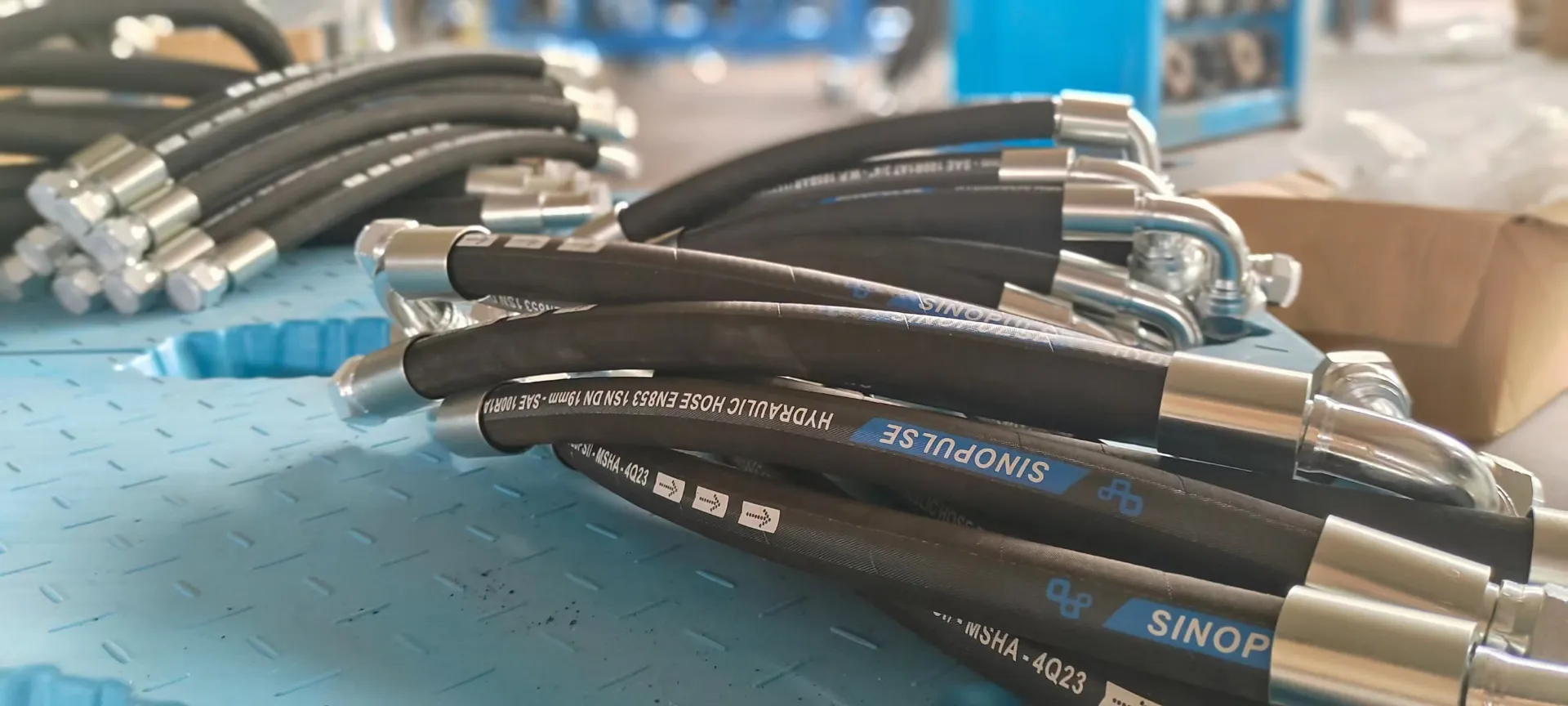
The primary material in hydraulic rubber welding hose is a synthetic rubber compound, typically based on Nitrile Rubber (NBR), Ethylene Propylene Diene Monomer (EPDM), or Chlorinated Polyethylene (CM). NBR offers excellent resistance to petroleum-based fluids, while EPDM excels in high-temperature applications and offers superior weathering resistance. CM provides enhanced resistance to ozone and aging. Reinforcement layers are typically high-tensile steel wire, spirally wound or braided, providing the necessary strength to withstand high pressures. The steel wire’s metallurgical composition is crucial, often utilizing high-carbon steel with specific surface treatments for corrosion resistance. Manufacturing commences with rubber extrusion, forming the inner and outer tube layers. Steel wire is then precisely wound or braided around a central mandrel. The assembly undergoes a vulcanization process – a chemical process involving heat and pressure – that crosslinks the rubber molecules, improving its elasticity, strength, and resistance to degradation. Precise control of temperature, pressure, and curing time is paramount during vulcanization to achieve optimal material properties. End fittings are typically attached via a welding process utilizing a specific alloy filler metal compatible with both the hose and fitting material, requiring skilled operators and stringent quality control to ensure weld integrity. Post-weld heat treatment may be employed to relieve stresses and enhance metallurgical bonding.
Performance & Engineering
The performance of hydraulic rubber welding hose is governed by several critical engineering principles. Force analysis focuses on hoop stress within the hose wall due to internal pressure. This stress is directly proportional to the internal pressure and the hose diameter, and inversely proportional to the hose wall thickness. The reinforcing layers are designed to withstand these tensile forces, preventing hose rupture. Fatigue analysis is essential, as hoses are subjected to cyclic pressure loading throughout their service life. Finite Element Analysis (FEA) is routinely used to model stress distribution and predict fatigue life. Environmental resistance is a significant consideration. Exposure to high temperatures can degrade the rubber compound, reducing its elasticity and strength. Exposure to corrosive fluids can cause swelling and cracking. Therefore, material selection is critical, and specialized compounds are employed for harsh environments. Compliance requirements, such as those set forth by SAE International (SAE J517, SAE J518), dictate minimum performance standards for burst pressure, working pressure, and temperature range. Functional implementation involves careful consideration of hose routing to minimize bending stress and abrasion. Proper support structures are essential to prevent hose sagging and damage. The selection of appropriate fittings is also crucial to ensure a leak-free and secure connection.
Technical Specifications
| Parameter | Unit | Typical Value (NBR Hose) | Typical Value (EPDM Hose) |
|---|---|---|---|
| Working Pressure | MPa | 25 | 20 |
| Burst Pressure | MPa | 75 | 60 |
| Temperature Range | °C | -40 to +100 | -50 to +150 |
| Inner Tube Material | - | Nitrile Rubber (NBR) | Ethylene Propylene Diene Monomer (EPDM) |
| Reinforcement | Layers | 4 Spiral Steel Wire | 6 Spiral Steel Wire |
| Outer Cover Material | - | Synthetic Rubber | Synthetic Rubber |
Failure Mode & Maintenance
Hydraulic rubber welding hose failure can manifest in several ways. Fatigue cracking, originating at areas of high stress concentration (e.g., near fittings or bends), is a common failure mode. Delamination, the separation of rubber layers from the reinforcing wires, can occur due to insufficient bonding during vulcanization or exposure to harsh chemicals. Rubber degradation, caused by oxidation, ozone attack, or exposure to incompatible fluids, leads to loss of elasticity and cracking. Abrasion, caused by rubbing against other components, can wear away the outer cover, exposing the reinforcement layers. Weld failure at the hose-fitting interface represents a critical failure point, often initiated by corrosion or cyclic loading. Maintenance involves regular visual inspection for signs of cracking, swelling, or abrasion. Pressure testing should be conducted periodically to identify leaks or weaknesses. Proper hose routing and support are crucial to prevent damage. Avoid sharp bends and ensure adequate clearance from moving parts. When replacing a hose, always use fittings specifically designed for that hose type and pressure rating. A preventative maintenance program, including scheduled inspections and replacements, is essential to minimize downtime and prevent catastrophic failures. Proper fluid filtration is vital to remove contaminants that can accelerate hose degradation.
Industry FAQ
Q: What is the impact of fluid incompatibility on hose life?
A: Fluid incompatibility can significantly reduce hose life. Certain fluids can cause the rubber compound to swell, soften, or crack, leading to premature failure. For example, using a petroleum-based fluid in a hose designed for synthetic fluids can cause rapid degradation. Always verify fluid compatibility with the hose manufacturer's specifications.
Q: How do I determine the correct working pressure for my application?
A: The working pressure should be based on the maximum system pressure, including any pressure spikes or surges. It is crucial to select a hose with a working pressure rating that is significantly higher than the maximum system pressure, providing a safety factor. Consider a safety factor of 4:1 as a best practice.
Q: What are the key considerations for hose bend radius?
A: Maintaining the specified minimum bend radius is critical to prevent kinking and fatigue failure. Excessive bending stresses can damage the reinforcement layers and reduce hose life. The manufacturer's datasheet will specify the minimum bend radius for a given hose size and type.
Q: How does temperature affect hose performance?
A: Temperature extremes can significantly impact hose performance. High temperatures can degrade the rubber compound and reduce its elasticity, while low temperatures can make the rubber brittle and prone to cracking. Always operate the hose within its specified temperature range.
Q: What are the best practices for hose storage?
A: Store hoses in a cool, dry, and dark location, away from direct sunlight, ozone sources, and incompatible fluids. Avoid storing hoses in bent or twisted positions. Proper storage helps to maintain the hose's flexibility and prevent degradation.
Conclusion
Hydraulic rubber welding hose represents a sophisticated engineering solution for fluid power transmission, demanding careful consideration of material science, manufacturing processes, and operational parameters. The long-term reliability and safe operation of hydraulic systems are inextricably linked to the proper selection, installation, and maintenance of these critical components. Understanding the potential failure modes and adhering to industry standards are paramount for maximizing service life and minimizing downtime.
The trend towards higher pressures, more demanding operating environments, and increasingly complex hydraulic systems necessitates a continued focus on material innovation and advanced manufacturing techniques. Future developments are likely to include the adoption of lightweight materials, improved corrosion resistance, and enhanced monitoring capabilities to predict and prevent hose failures, solidifying the vital role of hydraulic rubber welding hose in a wide range of industrial applications.