


Hydraulic Hose Guard Performance Analysis
Introduction
Hydraulic hose guards represent a critical safety component within fluid power systems, designed to mitigate the risk of hose failure and subsequent damage to personnel, equipment, and the environment. Positioned within the industry chain as a secondary protective element, following hose selection and installation, hose guards are fundamentally focused on containment and impact resistance. Their core performance characteristics center around resisting abrasion, puncture, and burst forces resulting from external damage. Commonly constructed from various polymeric and metallic materials, the effectiveness of a hose guard directly correlates to its ability to absorb and distribute kinetic energy from impacts, preventing catastrophic hose rupture. The increasing complexity of hydraulic systems, coupled with stringent safety regulations across industries, has driven the demand for robust and reliable hose guard solutions. A key pain point within the industry revolves around selecting the appropriate guard material and design to withstand the specific operating environment – including temperature extremes, chemical exposure, and varying pressure levels – while maintaining ease of installation and inspection.
Material Science & Manufacturing
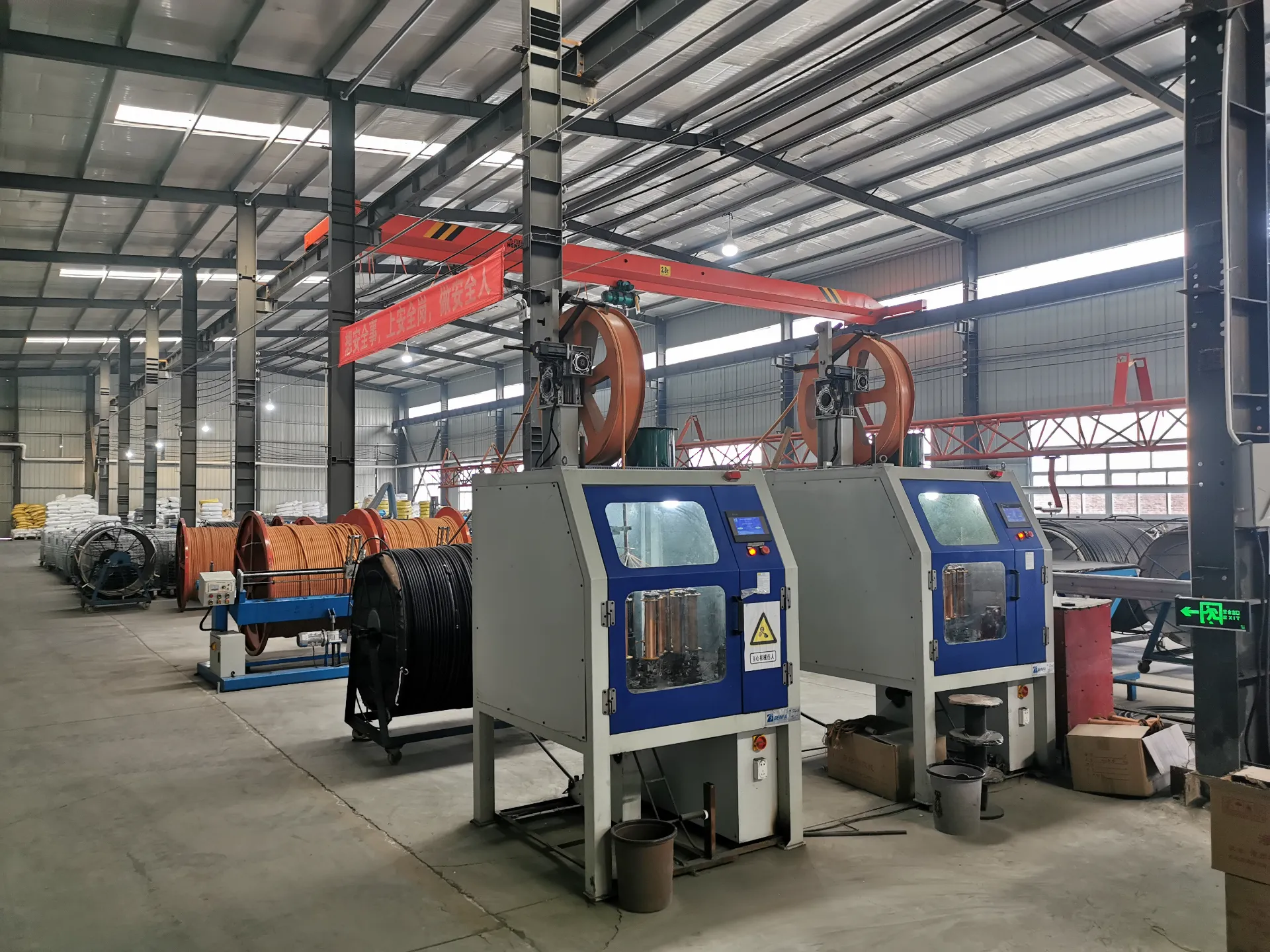
The efficacy of hydraulic hose guards is fundamentally rooted in the material science of their construction. Common materials include high-density polyethylene (HDPE), polypropylene (PP), nylon, and various steel alloys. HDPE and PP offer excellent impact resistance and chemical inertness, making them suitable for general-purpose applications. Nylon provides superior abrasion resistance but can be susceptible to moisture absorption, potentially reducing its dimensional stability. Steel guards, typically constructed from carbon steel or stainless steel, deliver the highest levels of impact and puncture resistance but are heavier and prone to corrosion if not properly treated. Manufacturing processes vary based on the chosen material. Polymeric guards are often produced through extrusion, thermoforming, or injection molding. Extrusion allows for continuous profiles, ideal for covering long hose runs. Thermoforming is employed for complex shapes, providing localized protection. Injection molding facilitates high-volume production of precisely dimensioned components. Steel guards are typically manufactured through stamping, bending, and welding. Critical manufacturing parameters include material thickness, weld quality (for steel guards), and dimensional accuracy. Proper material selection considers factors like tensile strength, impact strength (measured via Charpy or Izod tests), and chemical compatibility with the hydraulic fluid. Surface treatments like galvanization or powder coating are often applied to steel guards to enhance corrosion resistance. Parameter control during molding, like melt temperature and injection pressure, directly impacts the final product’s mechanical properties and resistance to environmental degradation.
Performance & Engineering
The performance of a hydraulic hose guard is dictated by its ability to withstand external forces and prevent hose failure. Force analysis involves assessing impact energy, abrasion forces, and potential puncture loads. Impact resistance is often evaluated using drop-weight tests, measuring the energy required to penetrate the guard. Abrasion resistance is quantified through Taber abrasion tests, determining the material loss over a specified number of cycles. Engineering considerations extend to the guard's mounting method, ensuring secure attachment to the hose and surrounding structures. Common mounting techniques include clamp-on designs, wrap-around sleeves, and adhesive bonding. The chosen method must account for vibration, thermal expansion, and potential relative movement between the hose and the guard. Environmental resistance is a crucial performance aspect. Exposure to UV radiation, extreme temperatures, and corrosive chemicals can degrade the guard material, reducing its effectiveness. Material selection should prioritize UV stabilizers and chemical resistance properties appropriate for the intended application. Compliance requirements vary by industry and geographic location. For example, in the mining industry, hose guards must meet stringent standards for impact resistance and fire retardancy. Functional implementation requires careful consideration of hose bending radius and clearance requirements. The guard should not restrict hose movement or induce stress concentrations that could lead to premature failure. Finite element analysis (FEA) is increasingly used to optimize guard designs, predicting stress distributions and identifying potential weak points.
Technical Specifications
| Material | Impact Resistance (Joules) | Abrasion Resistance (mg loss) | Operating Temperature Range (°C) |
|---|---|---|---|
| HDPE | 20 | 50 | -40 to 80 |
| Polypropylene (PP) | 15 | 60 | -20 to 100 |
| Nylon 6 | 25 | 40 | -30 to 120 |
| Carbon Steel (Galvanized) | 50 | 20 | -50 to 150 |
| Stainless Steel 304 | 60 | 15 | -196 to 343 |
| UV Stabilized HDPE | 20 | 50 | -40 to 80 |
Failure Mode & Maintenance
Hydraulic hose guard failure can manifest in several ways. Impact cracking, particularly in polymeric guards, occurs when the guard sustains a force exceeding its impact resistance threshold. Abrasion wear gradually reduces the material thickness, compromising its protective capability. Fatigue cracking can develop in steel guards subjected to cyclic loading, especially around weld points. Delamination, observed in multi-layered guards, results from the separation of layers due to bond failure. Degradation, caused by UV exposure or chemical attack, weakens the material, reducing its mechanical properties. Oxidation, primarily affecting steel guards, leads to corrosion and loss of structural integrity. Proper maintenance is crucial for maximizing hose guard lifespan. Regular visual inspections should be conducted to identify cracks, abrasions, and corrosion. Damaged guards should be replaced immediately. For steel guards, periodic cleaning and re-coating may be necessary to prevent corrosion. Tighten mounting hardware to ensure secure attachment. Avoid exposing polymeric guards to harsh chemicals or extreme temperatures outside their specified operating range. Consider employing a preventative maintenance schedule based on operating conditions and exposure levels. Detailed records of inspections and maintenance activities should be maintained for traceability and performance analysis. Failure analysis should be performed on prematurely failed guards to identify root causes and prevent recurrence.
Industry FAQ
Q: What is the primary difference between a spiral guard and a sleeve guard?
A: Spiral guards offer continuous coverage along the hose length, providing superior abrasion protection and allowing for hose flexibility. Sleeve guards, typically split designs, are easier to install but may not provide complete coverage and can be prone to shifting. The choice depends on the severity of the abrasion risk and the ease of installation requirements.
Q: How does temperature affect the performance of a polymeric hose guard?
A: Extreme temperatures can significantly impact polymeric hose guards. High temperatures can reduce their tensile strength and impact resistance, while low temperatures can make them brittle and prone to cracking. The specified operating temperature range for the guard material must be considered.
Q: What are the key considerations when selecting a hose guard for a mobile hydraulic application?
A: For mobile applications, flexibility, abrasion resistance, and secure mounting are paramount. Spiral guards are often preferred for their continuous coverage and ability to accommodate hose movement. The guard should be lightweight to minimize added weight to the machine and resistant to vibration-induced loosening.
Q: Is it necessary to use a hose guard even if the hydraulic hose is already reinforced?
A: Yes. Hose reinforcement primarily protects against internal pressure failure. A hose guard protects against external damage – abrasion, impact, and puncture – which can still compromise the hose, even if it is reinforced. They address different failure modes.
Q: How do I determine the correct size hose guard for a specific hose diameter?
A: Hose guard manufacturers typically provide sizing charts based on hose outside diameter. The guard should fit snugly but not excessively tightly, allowing for proper hose movement. Overly tight guards can induce stress concentrations, while overly loose guards can shift and provide inadequate protection.
Conclusion
Hydraulic hose guards are indispensable components for ensuring the safe and reliable operation of fluid power systems. Their selection and implementation are predicated on a thorough understanding of material science, manufacturing processes, and engineering principles. The ability to withstand external forces, resist environmental degradation, and comply with industry regulations are paramount performance considerations. By carefully evaluating operating conditions, potential failure modes, and maintenance requirements, engineers and procurement professionals can effectively mitigate the risk of hose failure and protect personnel and equipment.
Future trends in hose guard technology will likely focus on the development of lighter-weight, high-strength materials, incorporating smart sensing capabilities for real-time condition monitoring, and utilizing advanced manufacturing techniques to optimize designs for specific applications. The increasing emphasis on proactive maintenance and predictive analytics will drive the demand for hose guards that provide actionable data regarding their structural integrity and performance, ultimately enhancing system safety and reducing downtime.