


High quality thermoplastic hose exporter Performance Analysis
Introduction
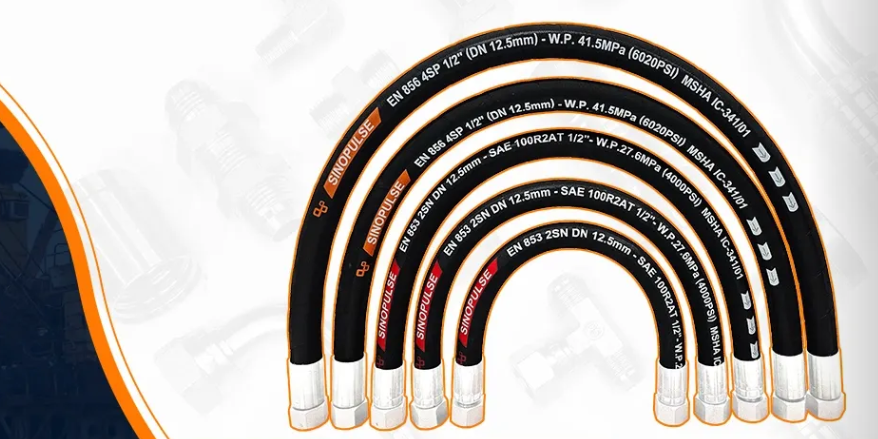
Thermoplastic hoses represent a critical component in numerous fluid transfer applications across diverse industries, including agriculture, automotive, construction, and industrial manufacturing. These hoses, distinguished by their polymeric construction, offer advantages in weight, flexibility, and cost-effectiveness compared to traditional rubber hoses. This guide provides an in-depth technical analysis of high-quality thermoplastic hose construction, performance characteristics, failure modes, and industry standards. The primary focus is on understanding the material science underpinning these products and the critical engineering considerations required for reliable, long-term operation. The escalating demand for lightweight, corrosion-resistant, and application-specific hose solutions drives continued innovation in thermoplastic hose technology. Core performance is dictated by burst pressure, temperature resistance, chemical compatibility and abrasion resistance; parameters that are inherently tied to the polymer selection and manufacturing process.
Material Science & Manufacturing
High-quality thermoplastic hoses are typically constructed from polymers such as Polyvinyl Chloride (PVC), Polyethylene (PE), Polypropylene (PP), Polyamide (Nylon), and Thermoplastic Polyurethane (TPU). PVC offers cost-effectiveness and good chemical resistance, while PE provides flexibility and low-temperature performance. Polyamide excels in abrasion resistance and high-pressure applications, and TPU delivers superior flexibility and oil resistance. The selection of the core polymer dictates the hose's ultimate performance envelope. Manufacturing processes vary depending on the polymer and hose application. Extrusion is the most common method, where molten polymer is forced through a die to create a continuous hose profile. Reinforcement layers, typically constructed from textile braids (polyester, nylon) or spiral-wound steel wire, are integrated during or after extrusion to enhance burst pressure capabilities. The braid angle and wire pitch are critical parameters influencing pressure rating and flexibility. Post-extrusion processes include cooling, coiling, and quality control testing. Key parameter control focuses on maintaining consistent polymer melt temperature, die pressure, and cooling rates to ensure uniform wall thickness and prevent defects like voids or stress concentrations. Chemical compatibility between the polymer and reinforcement materials is vital to avoid degradation or bond failure. The inclusion of plasticizers in PVC formulations impacts flexibility and low-temperature performance but can also lead to leaching over time.
Performance & Engineering
The performance of a thermoplastic hose is dictated by a complex interplay of material properties and engineering design. Force analysis is crucial in determining the hose's ability to withstand internal pressure. The hoop stress within the hose wall increases linearly with pressure and is inversely proportional to the wall thickness. Reinforcement layers significantly reduce hoop stress, allowing for higher operating pressures. Fatigue analysis is essential for applications involving cyclic pressure loading, as repeated stress cycles can lead to crack initiation and propagation. Environmental resistance is another critical factor. Exposure to UV radiation can cause polymer degradation, reducing tensile strength and flexibility. Temperature extremes can also affect performance; elevated temperatures can lower burst pressure, while low temperatures can embrittle the polymer. Chemical compatibility dictates the hose's suitability for different fluids. Exposure to incompatible chemicals can cause swelling, softening, or cracking. Compliance requirements, such as those mandated by regulatory bodies like the Society of Automotive Engineers (SAE) and the Deutsches Institut für Normung (DIN), dictate minimum performance standards for specific applications. Functional implementation requires careful consideration of hose routing, bend radius, and connection methods to avoid kinking, abrasion, or leakage. The selection of appropriate fittings is paramount, ensuring a secure and leak-proof connection.
Technical Specifications
| Parameter | Unit | Typical Value (PVC Hose) | Typical Value (Nylon Hose) |
|---|---|---|---|
| Working Pressure | PSI | 300 | 500 |
| Burst Pressure | PSI | 900 | 1500 |
| Temperature Range | °F | -20 to 150 | -40 to 250 |
| Tensile Strength | PSI | 6000 | 10000 |
| Elongation at Break | % | 300 | 200 |
| Chemical Resistance | Rating (1-5) | 3 | 4 |
Failure Mode & Maintenance
Thermoplastic hoses are susceptible to several failure modes. Fatigue cracking, resulting from repeated pressure cycles, is a common issue, particularly in high-pressure applications. Delamination, or separation of reinforcement layers, can occur due to poor bonding or chemical attack. Degradation, caused by UV exposure, oxidation, or chemical attack, leads to a loss of mechanical properties. Abrasion, resulting from contact with abrasive surfaces, can wear through the hose wall. Kinking, caused by excessive bending, restricts flow and can lead to localized stress concentrations. Oxidation, especially in polymers exposed to oxygen at elevated temperatures, causes crosslinking and brittleness. Regular visual inspection for cracks, bulges, or abrasion is essential. Proper storage, away from direct sunlight and extreme temperatures, prolongs hose life. When handling hoses, avoid sharp bends and ensure compatibility with the conveyed fluid. For minor abrasions, repair sleeves can provide temporary protection. If significant damage is detected, the hose should be replaced immediately. Preventative maintenance includes flushing the hose periodically to remove debris and contaminants. Utilizing appropriate fittings and ensuring proper installation are crucial for preventing leaks and premature failure.
Industry FAQ
Q: What is the impact of plasticizer migration in PVC hoses, and how can it be mitigated?
A: Plasticizer migration, where plasticizers leach out of the PVC matrix, causes the hose to become brittle and lose flexibility over time. This is exacerbated by exposure to certain chemicals and elevated temperatures. Mitigation strategies include using higher-molecular-weight plasticizers, incorporating plasticizer stabilizers, and selecting alternative polymer materials like TPU for applications requiring long-term flexibility and chemical resistance.
Q: How does the braid angle in reinforced thermoplastic hoses affect pressure rating and flexibility?
A: A smaller braid angle generally provides a higher pressure rating as it distributes the load more effectively along the hose wall. However, it also reduces flexibility. Conversely, a larger braid angle increases flexibility but lowers the pressure rating. The optimal braid angle is a compromise between these two factors, dictated by the specific application requirements.
Q: What testing methods are used to verify the chemical compatibility of a thermoplastic hose with a specific fluid?
A: Immersion testing is a common method, where the hose material is submerged in the fluid for a specified period at a controlled temperature. Changes in weight, volume, hardness, and tensile strength are measured to assess the impact of the fluid on the hose. Accelerated aging tests, simulating long-term exposure, are also used. ASTM D471 is a standard test method for rubber property–effect of liquids.
Q: What are the key considerations when selecting fittings for thermoplastic hoses?
A: Fitting material compatibility with both the hose polymer and the conveyed fluid is paramount. The fitting's pressure rating must exceed the hose's working pressure. Proper crimping or clamping is essential to ensure a leak-proof connection. Consider the fitting's connection type (threaded, barbed, quick-connect) based on application requirements. Incorrectly sized or incompatible fittings are a leading cause of hose failures.
Q: How do different reinforcement materials (steel wire vs. textile braid) impact hose performance characteristics?
A: Steel wire reinforcement provides significantly higher burst pressures and abrasion resistance compared to textile braids. However, steel wire hoses are generally less flexible and more susceptible to corrosion. Textile braids offer greater flexibility and are more cost-effective, but provide lower pressure ratings and abrasion resistance. The choice depends on the specific application demands.
Conclusion
High-quality thermoplastic hoses represent a versatile and reliable solution for a wide array of fluid transfer needs. Understanding the interplay between material science, manufacturing processes, and engineering principles is critical for selecting the appropriate hose for a given application. The selection process must consider factors such as pressure requirements, temperature extremes, chemical compatibility, and environmental conditions. Proper maintenance and regular inspection are vital for maximizing hose lifespan and preventing catastrophic failures.
Continued innovation in thermoplastic hose technology is focused on developing new polymer formulations with enhanced performance characteristics, optimizing reinforcement techniques, and improving manufacturing processes. Future trends include the use of bio-based polymers, smart hoses with integrated sensors for real-time monitoring, and self-healing materials that can repair minor damage. Adherence to relevant international standards and a commitment to rigorous quality control are essential for ensuring the long-term reliability and safety of these critical components.