


high quality metal hose supplier Performance Analysis

Introduction
Metal hoses are critical components in numerous industrial applications, providing a flexible conduit for the transport of fluids, gases, and solids. Their construction, utilizing metallic and often composite materials, offers resilience to high pressures, temperatures, and corrosive environments. This guide details the materials, manufacturing processes, performance characteristics, failure modes, and maintenance procedures specific to high-quality metal hoses. These hoses differ significantly from rubber or plastic hoses, offering superior mechanical strength, thermal resistance, and resistance to degradation from exposure to oils, chemicals, and abrasion. Their position in the industry chain extends from raw material sourcing (stainless steel, alloys, polymers) through fabrication, assembly, and finally, integration into complex systems like hydraulic machinery, automotive exhaust systems, and chemical processing plants. Core performance indicators include pressure rating, burst pressure, temperature range, flexibility, and chemical compatibility. Understanding these parameters is essential for selecting the appropriate hose for a given application and ensuring long-term operational reliability.
Material Science & Manufacturing
The foundation of a high-quality metal hose lies in its material composition. Common materials include 304/316L stainless steel, offering excellent corrosion resistance and weldability. Other alloys, such as Inconel and Hastelloy, are utilized in extremely corrosive or high-temperature applications. The core material’s tensile strength, yield strength, and elongation are rigorously tested according to ASTM A370. Manufacturing typically involves helical winding of pre-formed metal strips, followed by welding – often using TIG (Tungsten Inert Gas) or laser welding – to create a continuous, flexible structure. Parameter control during welding is paramount; excessive heat input can lead to sensitization (chromium depletion) in stainless steel, reducing corrosion resistance. Post-welding heat treatment may be employed to restore ductility and relieve residual stresses. Bellows formation is a critical step, dictating the hose’s flexibility and pressure-bearing capacity. The pitch and diameter of the winding, along with the material thickness, directly influence these parameters. Protective layers, such as braided stainless steel or polymer coatings, are often added to enhance abrasion resistance and provide additional corrosion protection. The braiding process requires precise control of wire tension to ensure uniform coverage and prevent distortion of the hose’s internal geometry. Surface finishing, including passivation for stainless steel, is crucial for maximizing corrosion resistance.
Performance & Engineering
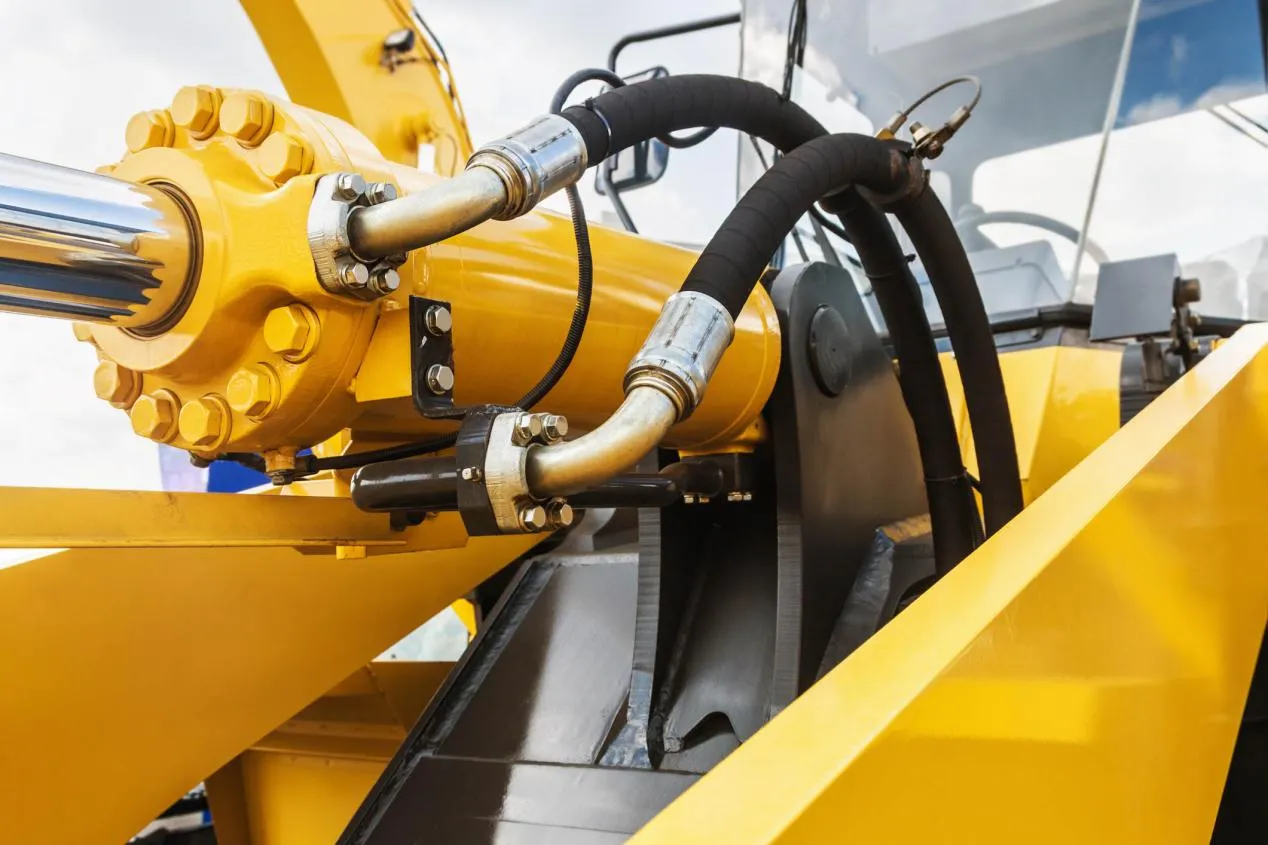
Metal hose performance is heavily influenced by both internal and external pressures, temperature fluctuations, and media compatibility. Force analysis under pressure involves calculating hoop stress and longitudinal stress within the hose wall. The Von Mises stress criterion is frequently used to assess the risk of yielding or fracture. Flexibility is a key design parameter, and is dictated by the hose's corrugation profile and material properties. Fatigue life is a critical consideration, particularly in applications involving cyclic loading. S-N curves (stress vs. number of cycles) are generated to predict fatigue failure under specific loading conditions. Environmental resistance is assessed through exposure to various chemicals, oils, and temperatures, often according to ISO 1780 and ASTM D1308. Compliance requirements, particularly in industries like aerospace and automotive, necessitate adherence to stringent testing protocols and documentation. For example, automotive exhaust systems require hoses capable of withstanding high temperatures, vibration, and exposure to corrosive exhaust gases. Functional implementation also demands consideration of end fitting connections. Crimping, swaging, or welding techniques must ensure a leak-proof and mechanically robust joint, capable of transmitting the intended pressure and flow rates. Proper installation, including avoiding excessive bending radius and ensuring adequate support, is crucial for maximizing hose life and preventing premature failure.
Technical Specifications
| Parameter | Unit | Stainless Steel 304 | Stainless Steel 316L |
|---|---|---|---|
| Working Pressure | PSI | 5000 | 6000 |
| Burst Pressure | PSI | 15000 | 18000 |
| Temperature Range | °F | -40 to 650 | -40 to 750 |
| Minimum Bend Radius | inches | 6 | 8 |
| Material Thickness | inches | 0.020 | 0.025 |
| Corrosion Resistance | ASTM B117 Hours to Failure | >1000 | >2000 |
Failure Mode & Maintenance
Metal hose failure modes typically fall into several categories. Fatigue cracking, initiated by cyclic stress, is common, particularly at the hose’s connection points or within the corrugated section. Corrosion, both localized pitting and general corrosion, can significantly reduce hose wall thickness and lead to leakage or rupture. Erosion, caused by abrasive particles in the fluid stream, can wear away the hose’s inner lining. Over-bending or kinking can permanently deform the hose, restricting flow and compromising its structural integrity. Intergranular corrosion, stemming from sensitization during welding, is a concern in stainless steel hoses. Maintenance involves regular visual inspections for signs of cracking, corrosion, or abrasion. Pressure testing, using hydrostatic or pneumatic methods, can identify leaks or structural weaknesses. Cleaning the hose’s exterior to remove contaminants prevents corrosion initiation. For hoses exposed to corrosive environments, periodic passivation treatments can restore the protective chromium oxide layer. Proper storage, avoiding exposure to harsh chemicals or extreme temperatures, is also crucial. Replacement should occur when any signs of significant degradation are detected or when the hose approaches the end of its design life. Detailed record-keeping of inspection and maintenance activities is essential for proactive management of hose integrity.
Industry FAQ
Q: What are the key differences between corrugated and smoothly formed metal hoses and which is preferable for high-pressure hydraulic applications?
A: Corrugated metal hoses offer significantly greater flexibility than smoothly formed hoses. However, the corrugations introduce stress concentrations, reducing their pressure-bearing capacity for a given wall thickness. For high-pressure hydraulic applications, while flexibility is important, a smoothly formed hose with a thicker wall is often preferable to provide a higher burst pressure and improved fatigue life. The choice hinges on a trade-off between flexibility and pressure capacity, and requires detailed engineering analysis of the specific application.
Q: How does the choice of braiding material (stainless steel vs. other alloys) impact the hose's performance and longevity?
A: Stainless steel braiding provides excellent corrosion resistance and tensile strength, making it a common choice for most applications. However, other alloys, such as Monel or Inconel, may be preferred in extremely corrosive environments or at very high temperatures. The braiding also provides mechanical protection against abrasion and impact damage. The quality of the braiding process – specifically, wire tension and coverage – significantly impacts the hose's overall performance. Uneven braiding can lead to localized stress concentrations and premature failure.
Q: What is the impact of improper installation – specifically, exceeding the minimum bend radius – on the lifespan of a metal hose?
A: Exceeding the minimum bend radius induces excessive stress in the hose wall, leading to premature fatigue failure. The corrugations are designed to flex within a certain range; forcing the hose into a tighter bend can cause cracking or permanent deformation. Proper installation requires adhering to the manufacturer's specified bend radius and providing adequate support to prevent kinking or twisting.
Q: What testing methods are used to verify the integrity and performance of high-quality metal hoses before shipment?
A: Common testing methods include hydrostatic testing (pressurizing the hose with fluid to a specified pressure), pneumatic testing (using compressed air), leak testing (detecting any fluid or air leakage), and impulse testing (subjecting the hose to cyclic pressure pulses). Non-destructive testing methods, such as dye penetrant inspection and radiographic inspection, can identify internal defects. Material certifications and dimensional inspections are also performed to ensure compliance with specifications.
Q: How do different types of end fittings impact the overall performance and reliability of a metal hose assembly?
A: The selection of end fittings is critical for ensuring a leak-proof and mechanically robust connection. Crimped fittings offer a secure and reliable connection but require precise crimping parameters. Swaged fittings provide a permanent connection, and welded fittings offer the highest strength but require skilled welding technicians. The compatibility of the fitting material with the hose material and the conveyed fluid is essential to prevent corrosion or galvanic effects.
Conclusion
High-quality metal hoses represent a sophisticated engineering solution for fluid and gas transfer in demanding industrial environments. Their performance and longevity are intrinsically linked to material selection, manufacturing precision, and adherence to rigorous quality control standards. Understanding the inherent failure modes, coupled with implementing proactive maintenance procedures, is crucial for maximizing operational reliability and minimizing downtime.
Advancements in materials science, such as the development of new high-strength alloys and polymer coatings, continue to enhance the performance capabilities of metal hoses. Future trends will likely focus on developing lighter-weight hoses with improved corrosion resistance and greater flexibility. Furthermore, the integration of smart sensors into hose assemblies will enable real-time monitoring of pressure, temperature, and strain, providing valuable insights for predictive maintenance and optimizing overall system performance.