


high quality coal mining hoses service Performance Analysis

Introduction
Coal mining hoses are specialized fluid conveyance systems critical to the safe and efficient operation of both surface and underground coal extraction processes. These hoses, distinct from general industrial hoses, are engineered to withstand the particularly abrasive and demanding conditions inherent in coal mining, including exposure to coal dust, slurry, and aggressive hydraulic fluids under high pressure. Their technical position lies within the broader hydraulic systems used for powering mining equipment like continuous miners, longwall shearers, and roof supports, as well as for slurry transport and water management. Core performance characteristics center around burst pressure, abrasion resistance, oil resistance, and compliance with stringent safety regulations to prevent catastrophic failure and ensure operator safety. The primary pain point in the industry revolves around hose lifespan; premature failure leads to costly downtime, maintenance, and potential safety hazards. Another key concern is maintaining consistent fluid delivery performance despite the highly variable operating conditions found in mines.
Material Science & Manufacturing
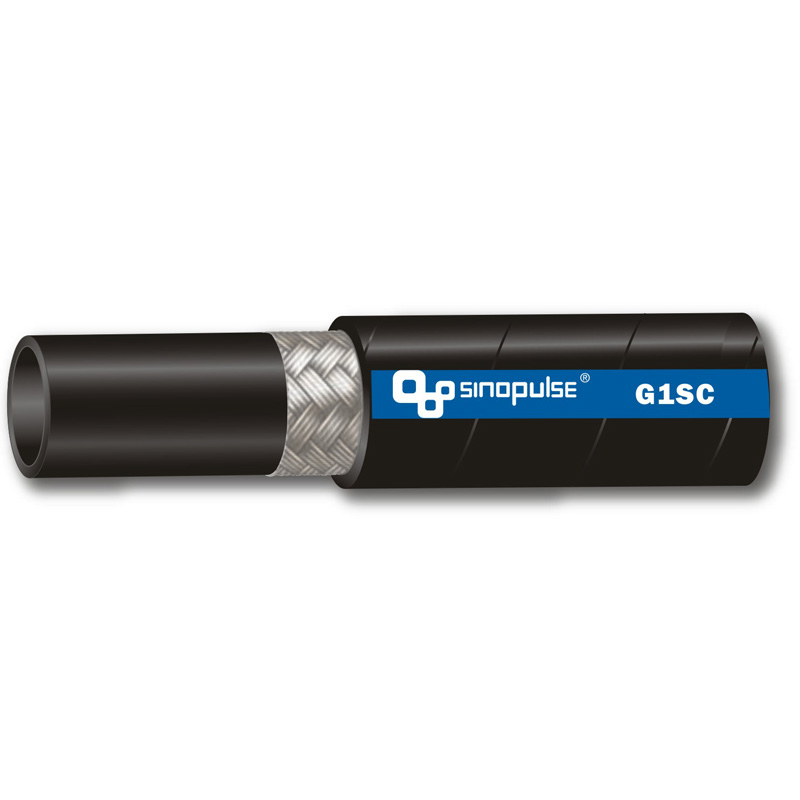
The construction of high-quality coal mining hoses relies heavily on specific material choices. The inner tube is typically constructed from a synthetic rubber compound, most commonly a blend of Nitrile (NBR) or Chloroprene (CR) rubber, formulated for exceptional oil resistance and abrasion resistance. NBR provides superior resistance to petroleum-based hydraulic fluids, while CR offers better resistance to ozone and weathering. Reinforcement layers are crucial for withstanding high pressures. These layers generally consist of multiple plies of high-tensile steel wire, spiraled or braided, providing structural integrity. The cover layer is typically a Chlorosulfonated Polyethylene (CSM) or a specialized polyurethane blend, selected for its robust abrasion resistance, resistance to ozone cracking, and weatherability. The manufacturing process begins with the extrusion of the inner tube to precise dimensions. Subsequently, reinforcement layers are applied, either through spiral winding or braiding, meticulously controlling tension and ply angle to achieve the specified burst pressure. A bonding agent is applied between each layer to ensure cohesive adhesion, critical for preventing delamination. Finally, the cover is extruded over the reinforcement, and the hose undergoes curing – a vulcanization process using heat and pressure to cross-link the rubber compounds, imparting their final physical and chemical properties. Key parameter control focuses on maintaining consistent rubber compound formulations, precise reinforcement winding/braiding tension, accurate curing temperature and duration, and rigorous dimensional inspection.
Performance & Engineering
Performance of coal mining hoses is dictated by several critical engineering considerations. Burst pressure, the maximum pressure the hose can withstand before failure, is fundamentally governed by the reinforcement layer configuration – wire diameter, ply number, and braiding/winding angle. Finite Element Analysis (FEA) is often employed during the design phase to optimize reinforcement structure for specific pressure requirements and predict stress distribution under load. Abrasion resistance is paramount, given the constant exposure to abrasive coal dust and slurry. The cover material’s hardness (measured by Shore A durometer) and wear resistance (evaluated using Taber abrasion tests) are key metrics. Environmental resistance is equally important. Underground mines often have high humidity and potential exposure to corrosive gases. Hose materials must resist degradation from these elements. Hydraulic fluid compatibility is crucial; the inner tube material must not swell, degrade, or leach contaminants into the fluid. Compliance with industry standards such as MSHA (Mine Safety and Health Administration) regulations is non-negotiable. These regulations dictate minimum burst pressure requirements, material specifications, and testing protocols. Force analysis must also consider dynamic loading from pulsations and vibrations inherent in hydraulic systems. Fatigue life, the number of pressure cycles a hose can endure before failure, is a critical design parameter.
Technical Specifications
| Parameter | Unit | Typical Value (High-Quality Mining Hose) | Test Standard |
|---|---|---|---|
| Working Pressure | PSI | 5000-6000 | SAE J517 |
| Burst Pressure | PSI | 15000-18000 | SAE J517 |
| Inner Tube Material | - | NBR/CR Blend | ASTM D2000 |
| Reinforcement | - | Multiple Layers of High-Tensile Steel Wire | ISO 6802 |
| Cover Material | - | CSM/Polyurethane | ASTM D2000 |
| Abrasion Resistance (Taber Abrasion) | mg Loss | ≤ 50 | ASTM D5963 |
Failure Mode & Maintenance
Common failure modes in coal mining hoses include burst failure due to exceeding pressure limits, pinhole leaks from abrasion or damage to the cover, and hose splitting due to fatigue cracking in the reinforcement layers. Delamination, the separation of layers, is another frequent issue arising from inadequate bonding during manufacturing or exposure to extreme temperatures. Oxidation and cracking of the cover material can occur due to ozone exposure or UV degradation, particularly in surface mining applications. Internal degradation of the rubber compounds can be caused by incompatible hydraulic fluids or contamination. Failure analysis often involves microscopic examination of fracture surfaces to determine the root cause. Maintenance protocols are crucial for extending hose lifespan. Regular visual inspection for signs of abrasion, cracking, or swelling is essential. Pressure testing should be conducted periodically to verify hose integrity. Proper hose routing and support are vital to prevent kinking and abrasion. Hose connections should be securely tightened and inspected for leaks. Fluid contamination should be minimized through the use of appropriate filtration systems. Avoid sharp bends or excessive flexing, and ensure hoses are not subjected to direct impact from mining equipment. Proper storage in a cool, dry place away from direct sunlight is also recommended.
Industry FAQ
Q: What differentiates a coal mining hose from a standard industrial hydraulic hose?
A: Coal mining hoses are specifically engineered for a far more abrasive and hazardous environment. They feature significantly enhanced abrasion resistance in the cover material, often utilizing CSM or specialized polyurethane blends. The reinforcement is typically heavier-duty, with more plies of steel wire, to withstand higher pressures and dynamic loading. Furthermore, coal mining hoses must meet stringent MSHA safety regulations and demonstrate superior resistance to coal dust, slurry, and hydraulic fluids commonly used in mining operations.
Q: How important is wire braiding/winding angle in determining hose burst pressure?
A: The braiding/winding angle is critical. A shallower angle provides greater flexibility but lower burst pressure, while a steeper angle increases burst pressure but reduces flexibility. Optimizing this angle involves a trade-off based on the application’s requirements. FEA modelling is extensively used to determine the optimal angle for a given hose diameter and pressure rating.
Q: What are the consequences of using an incompatible hydraulic fluid with a coal mining hose?
A: Using an incompatible fluid can cause the inner tube material to swell, soften, or degrade, leading to premature failure. It can also cause the fluid to contaminate and create unwanted deposits within the hose, restricting flow and potentially damaging hydraulic components. Always verify fluid compatibility with the hose manufacturer’s specifications.
Q: What is the best method for inspecting a coal mining hose for potential failure?
A: A thorough visual inspection is the first step. Look for signs of abrasion, cuts, cracks, bulging, or discoloration. Check hose connections for leaks or damage. Gently flex the hose to identify any stiff spots or areas of weakness. Consider using a pressure testing kit to verify the hose's ability to withstand its rated working pressure. Document all inspections.
Q: What is the typical lifespan of a high-quality coal mining hose under normal operating conditions?
A: Lifespan varies depending on operating conditions, but a well-maintained, high-quality coal mining hose can typically last between 12 to 24 months. Highly abrasive environments, extreme temperatures, and frequent flexing will shorten lifespan. Regular inspections and proactive maintenance are essential for maximizing hose service life.
Conclusion
High-quality coal mining hoses are essential components within the demanding environment of coal extraction. Their construction, leveraging specialized rubber compounds and robust reinforcement layers, is meticulously engineered to withstand high pressures, abrasive materials, and challenging operating conditions. Understanding the material science, manufacturing processes, and potential failure modes is critical for ensuring reliable performance, maximizing lifespan, and upholding stringent safety standards.
Future advancements in hose technology will likely focus on developing even more abrasion-resistant cover materials, incorporating intelligent sensors for real-time monitoring of hose condition, and exploring alternative reinforcement materials for improved strength-to-weight ratios. Continued adherence to industry standards and proactive maintenance programs will remain paramount to optimizing the performance and safety of these critical fluid conveyance systems.