


famous teflon/ptfe hose company Performance Analysis
Introduction
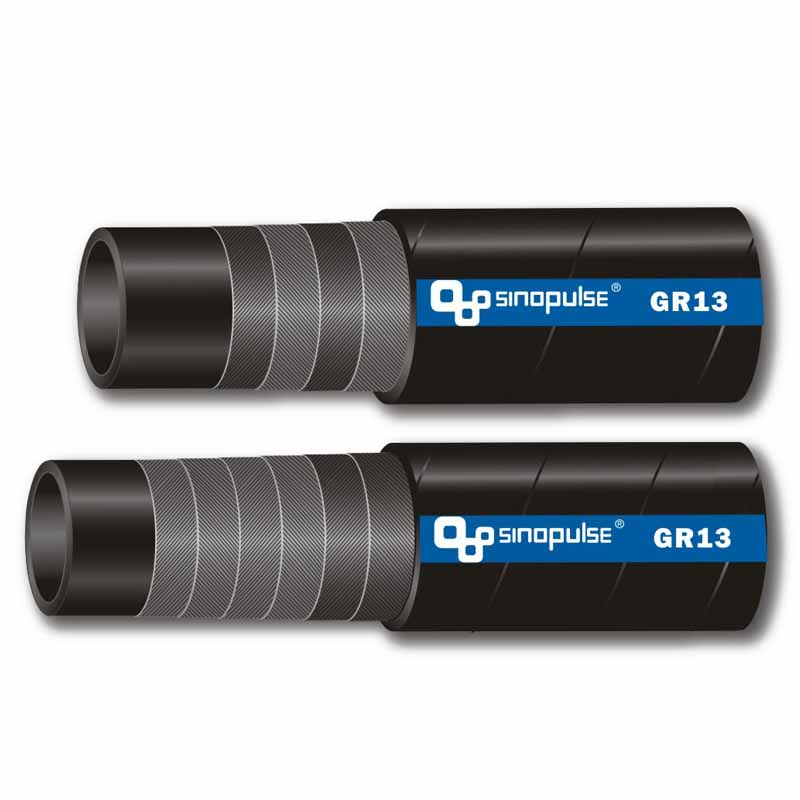
Polytetrafluoroethylene (PTFE) hoses, commonly referred to as Teflon® hoses (a DuPont trademark), represent a critical component in fluid transfer systems across a diverse range of industries, including chemical processing, aerospace, automotive, and food & beverage. These hoses are uniquely positioned due to their exceptional chemical inertness, high-temperature resistance, and low coefficient of friction. Their technical position within the supply chain falls between raw material (PTFE resin) production, hose fabrication (extrusion, braiding, assembly), and final integration into end-use applications like hydraulic systems, fluid handling in corrosive environments, and specialized conduit for sensitive materials. Core performance characteristics include maintaining fluid purity, resisting degradation from harsh chemicals, and ensuring leak-free operation under extreme conditions. Industry pain points center around ensuring consistent PTFE resin quality, achieving reliable bonding between PTFE and reinforcement layers, and maintaining dimensional stability under pressure and temperature fluctuations. The selection of appropriate PTFE hose construction directly impacts process efficiency, product quality, and overall system safety.
Material Science & Manufacturing
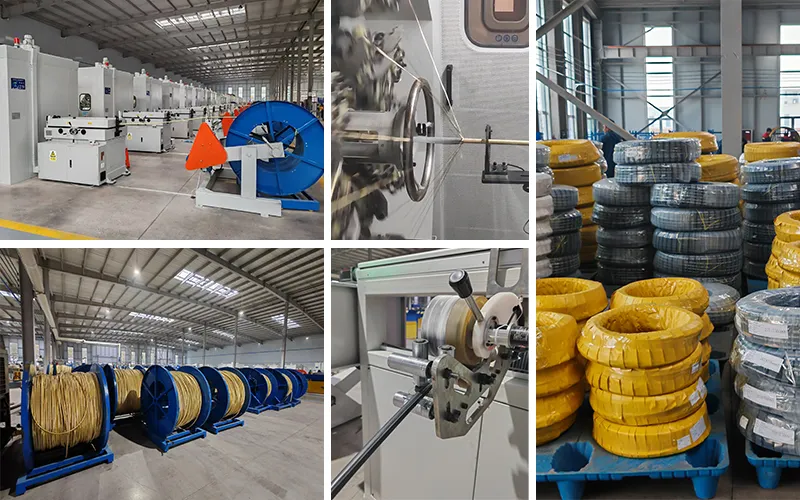
The primary raw material for PTFE hoses is polytetrafluoroethylene resin, a synthetic fluoropolymer of tetrafluoroethylene. PTFE exhibits remarkable chemical resistance owing to the strong carbon-fluorine bonds, making it virtually impervious to most chemicals. Its physical properties include a low coefficient of friction (0.04), a wide operating temperature range (-200°C to +260°C), and excellent dielectric properties. Manufacturing typically begins with PTFE resin powder undergoing a melt-extrusion or paste-extrusion process. Melt extrusion requires high temperatures and specialized equipment, while paste extrusion utilizes a water-based dispersion of PTFE resin. Reinforcement layers, usually composed of stainless steel braid (304 or 316), are critical for pressure containment. The braiding process involves intricate weaving patterns to achieve desired burst pressures and flexibility. The PTFE tube is then skived to create a textured inner surface that promotes adhesion to the reinforcement braid. Critical parameters during manufacturing include resin molecular weight (influences processability and mechanical properties), braid density (directly impacts pressure rating), and sintering temperature (affects PTFE crystallinity and permeation resistance). Post-sintering cooling rates are also controlled to minimize residual stresses and dimensional distortions. Quality control includes hydrostatic testing to verify burst pressure and dimensional inspections to ensure conformance to specifications.
Performance & Engineering
PTFE hose performance is largely dictated by its ability to withstand internal pressure, external pressure, and exposure to various fluids and environmental conditions. Force analysis considers hoop stress within the PTFE liner and axial stress on the reinforcement braid. Higher pressures necessitate higher braid densities and potentially multiple braid layers. Environmental resistance is a key consideration; while PTFE is chemically inert, prolonged exposure to certain high-temperature fluids can lead to localized swelling or degradation of the reinforcement layer. Compliance requirements vary by industry. For food and beverage applications, hoses must meet FDA 21 CFR 177.1550 standards for food contact safety. Aerospace applications demand adherence to AMS 7286 specifications for fluid transfer systems. Hydraulic systems necessitate compliance with SAE J517 standards for pressure ratings and temperature limits. Functional implementation often involves specialized fittings designed for PTFE hose, employing crimping or swaging techniques to create a secure seal. The choice of fitting material (stainless steel, carbon steel, alloy) must be compatible with the fluid being transferred and the operating temperature range. Permeation rates of the fluid through the PTFE liner must also be considered, especially for applications handling volatile or hazardous substances. Fatigue life under cyclic pressure loading is a crucial performance characteristic, particularly in hydraulic systems experiencing frequent pulsations.
Technical Specifications
| Parameter | Unit | Typical Value (Single Braid) | Typical Value (Double Braid) |
|---|---|---|---|
| Working Pressure | psi | 200 | 400 |
| Burst Pressure | psi | 800 | 1600 |
| Temperature Range | °F | -100 to +450 | -100 to +450 |
| Inner Diameter | inch | 0.25 – 4 | 0.25 – 4 |
| Outer Diameter | inch | 0.375 – 4.5 | 0.5 – 5 |
| Chemical Resistance | Rating | Excellent (to most chemicals) | Excellent (to most chemicals) |
Failure Mode & Maintenance
PTFE hose failures typically stem from several mechanisms. Fatigue cracking in the reinforcement braid can occur due to cyclic pressure fluctuations, especially near fittings. Permeation of corrosive fluids through the PTFE liner, albeit slow, can lead to corrosion of the reinforcement layer over time. Delamination between the PTFE liner and the braid can result from improper skiving during manufacturing or inadequate bonding. Abrasion from fluid particulate matter can degrade the PTFE liner, leading to leaks. Oxidation of the reinforcement braid at elevated temperatures can reduce its strength and flexibility. Maintenance recommendations include regular visual inspections for cracks, bulges, or discoloration. Pressure testing should be performed periodically to verify hose integrity. Avoid sharp bending radii, as this can stress the reinforcement braid. Proper fitting installation is crucial; over-tightening can damage the hose, while under-tightening can lead to leaks. When handling corrosive fluids, ensure the reinforcement material is compatible to prevent internal corrosion. Replace hoses exhibiting any signs of degradation or exceeding their service life. Implementing a preventative maintenance schedule based on application severity and fluid compatibility is vital for maximizing hose lifespan and ensuring system safety.
Industry FAQ
Q: What is the impact of PTFE resin molecular weight on hose performance?
A: Higher molecular weight PTFE resin generally leads to improved mechanical properties, such as tensile strength and elongation, and reduced permeability. However, it can also increase processing difficulty and cost. Lower molecular weight resins are easier to process but may exhibit lower performance characteristics.
Q: How does the braid material (304 vs. 316 stainless steel) affect corrosion resistance?
A: 316 stainless steel contains molybdenum, which significantly enhances its resistance to chloride corrosion, making it preferable for applications involving saltwater, brines, or other chloride-containing fluids. 304 stainless steel offers adequate corrosion resistance for many applications but is less resistant to chloride attack.
Q: What are the limitations of PTFE hoses regarding electrostatic discharge (ESD)?
A: PTFE is an excellent electrical insulator and can accumulate static charge. In applications involving flammable fluids or powders, ESD can pose a significant safety hazard. Conductive PTFE liners or grounding techniques may be required to dissipate static charge.
Q: Can PTFE hoses be used with abrasive fluids or slurries?
A: While PTFE has a low coefficient of friction, prolonged exposure to highly abrasive fluids or slurries can cause gradual wear and erosion of the PTFE liner. Selecting a hose with a thicker liner and/or incorporating abrasion-resistant additives can mitigate this issue.
Q: What is the effect of temperature cycling on PTFE hose lifespan?
A: Repeated temperature cycling can induce thermal stress within the PTFE liner and reinforcement braid, potentially leading to fatigue cracking or delamination. Selecting a hose with a flexible construction and avoiding rapid temperature changes can extend lifespan.
Conclusion
PTFE hoses represent a crucial technology for fluid transfer in demanding environments due to their unparalleled chemical inertness and temperature resistance. Understanding the intricacies of material science, manufacturing processes, and performance characteristics is paramount for selecting the optimal hose configuration for a specific application. Proper installation, maintenance, and adherence to relevant industry standards are vital to maximizing hose lifespan and ensuring system safety and reliability.
Future advancements in PTFE hose technology are focused on developing new PTFE resin formulations with enhanced mechanical properties, improving bonding techniques between PTFE and reinforcement layers, and incorporating smart sensing capabilities for real-time monitoring of hose condition and performance. These innovations will further expand the application range of PTFE hoses and address the evolving needs of various industries.