


famous msha hydraulic hose Performance Analysis

Introduction
MSHA hydraulic hose, specifically those manufactured by Famous Hydraulic Hose, represents a critical component in a diverse range of industrial applications, predominantly within the mining sector but extending to construction, agriculture, and material handling. These hoses are engineered to convey hydraulic fluid under extremely high pressures and in challenging environmental conditions, demanding robust construction and adherence to stringent safety regulations. Their technical position within the industrial chain is paramount, acting as the vital link between hydraulic power units and the actuators that perform work. Core performance characteristics include high burst pressure, resistance to abrasion and chemical attack, flexibility at low temperatures, and importantly, compliance with Mine Safety and Health Administration (MSHA) regulations for flame resistance and non-conductivity. The primary industry pain point addressed by MSHA-approved hoses is the prevention of catastrophic failure in high-risk environments, mitigating fire hazards and ensuring operator safety. A failure in a non-MSHA approved hose within a mining operation can result in significant downtime, costly repairs, and potential injuries or fatalities.
Material Science & Manufacturing
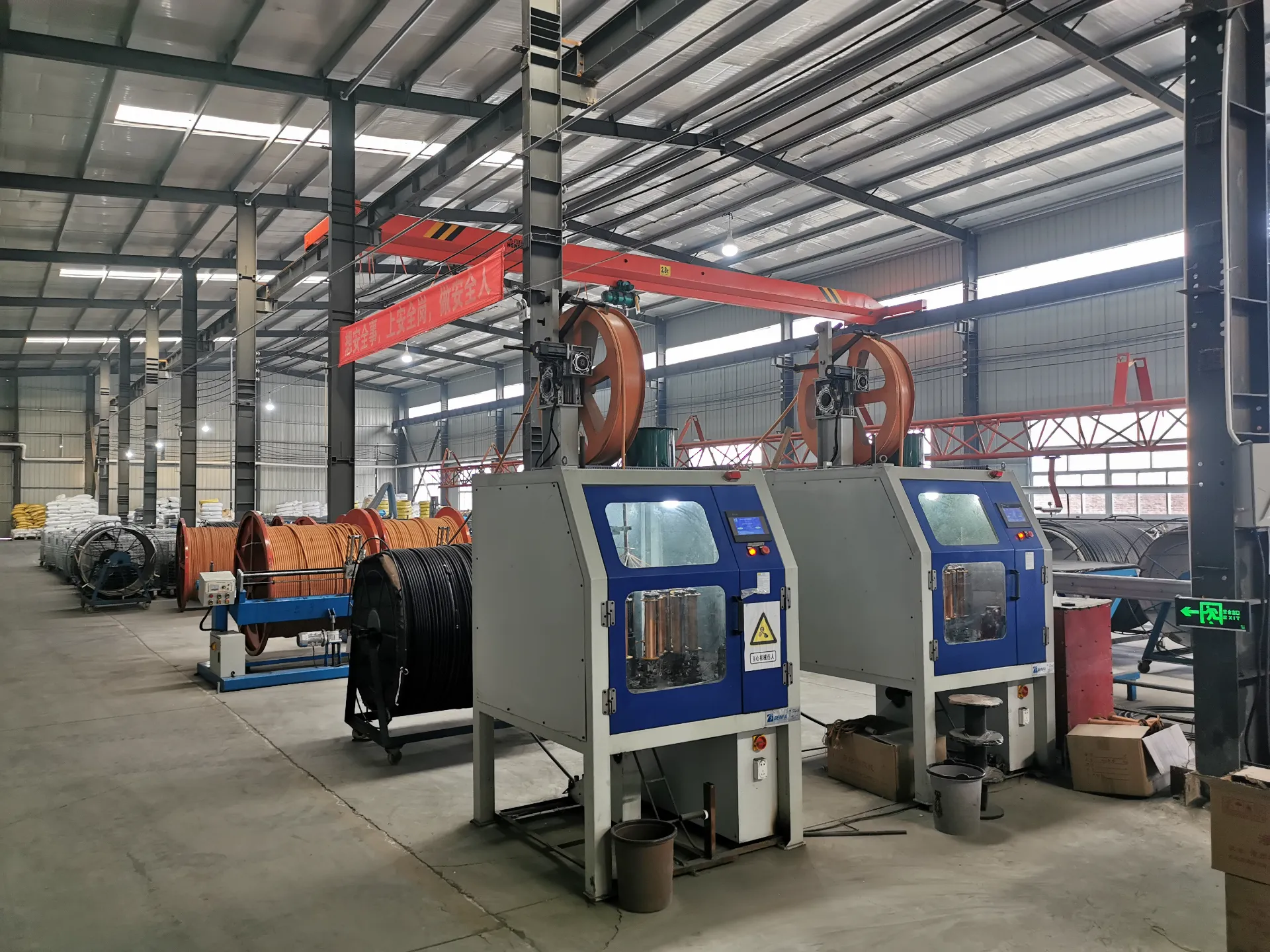
MSHA hydraulic hose construction typically involves multiple layers utilizing distinct material properties. The inner tube, critical for fluid compatibility, is commonly composed of synthetic rubbers like nitrile (NBR) for petroleum-based fluids or ethylene propylene diene monomer (EPDM) for phosphate ester fluids. NBR exhibits excellent resistance to oil, fuel, and hydraulic fluids, while EPDM offers superior resistance to heat, ozone, and weathering. Reinforcement layers provide the hose’s structural integrity and pressure handling capabilities. These layers generally consist of multiple spiraled or braided high-tensile steel wires. The number and construction (spiral vs. braid) directly correlate to the hose's working pressure and burst strength. Between the reinforcement and the outer cover, a rubber skim layer provides adhesion and serves as a lubricant during hose flexing. The outer cover, responsible for environmental protection and abrasion resistance, is usually a synthetic rubber blend such as chloroprene (CR) known for its resilience or polyurethane (PU) for exceptional abrasion resistance. Manufacturing processes include extrusion for the inner tube and outer cover, followed by calendering of the reinforcement layers. Steel wire is typically pre-treated with zinc or a zinc-nickel alloy for corrosion protection. Precise control of extrusion temperatures, curing times, and wire tension during braiding/spiraling are paramount. Post-production testing includes hydrostatic pressure testing to verify burst strength and impulse testing to assess fatigue life. MSHA flame resistance is achieved through the inclusion of specific flame-retardant additives within the cover compound and rigorous testing according to MSHA standards.
Performance & Engineering
The performance of a MSHA hydraulic hose is governed by several key engineering principles. Burst pressure, the maximum pressure the hose can withstand before failure, is a critical safety parameter. Working pressure, significantly lower than burst pressure, is the recommended operating pressure, typically calculated as 50-75% of the burst pressure. Impulse pressure, representing pressure fluctuations, dictates the hose's fatigue life. Flexural fatigue is a common failure mode, arising from repeated bending and unbending, necessitating robust reinforcement construction. Environmental resistance is also crucial. Exposure to extreme temperatures (both high and low) affects rubber compound flexibility and strength. Chemical exposure can lead to swelling, degradation, and permeation of the inner tube. Hose assemblies also need to account for end fitting connections. Incorrect fitting selection or improper crimping can create stress concentration points, leading to premature failure. Finite Element Analysis (FEA) is frequently employed in hose design to model stress distribution under various loading conditions. Compliance with MSHA standards dictates specific requirements for flame resistance (self-extinguishing behavior) and electrical conductivity (to prevent static discharge), impacting material selection and manufacturing processes. The hose must exhibit minimal permeability to prevent fluid leakage, maintaining system efficiency and environmental safety.
Technical Specifications
| Parameter | Unit | Typical Value (Famous MSHA Hose - Series 100) | Standard Compliance |
|---|---|---|---|
| Working Pressure | PSI | 5000 | MSHA 30 CFR Part 7 |
| Burst Pressure | PSI | 15000 | ISO 3862 |
| Temperature Range | °F | -40 to +212 | SAE J30R3 |
| Inner Tube Material | - | Nitrile Rubber (NBR) | ASTM D2000 |
| Reinforcement | - | Multiple Spiral High-Tensile Steel Wire | ISO 8432 |
| Outer Cover Material | - | Chloroprene (CR) | ASTM D2000 |
Failure Mode & Maintenance
MSHA hydraulic hoses are susceptible to several failure modes. Fatigue cracking, stemming from repeated flexing, is a common issue, particularly in high-impulse applications. Abrasion, caused by contact with abrasive surfaces (rock, dirt, equipment), degrades the outer cover, exposing the reinforcement layers. Chemical attack from hydraulic fluids, corrosive materials, or environmental contaminants can cause swelling, softening, or cracking of the rubber compounds. Pinholes in the inner tube can develop due to internal pressure and fluid deterioration. Fitting failure, often due to improper crimping or corrosion, leads to leakage and potential hose rupture. MSHA flame resistance can be compromised if the cover is significantly damaged, exposing the underlying materials. Regular maintenance is crucial for maximizing hose life. This includes visual inspections for abrasion, cracking, or swelling. Checking fitting tightness and ensuring proper alignment. Monitoring hydraulic fluid condition and preventing contamination. Replacing hoses at recommended intervals, even if no visible damage is apparent, is a proactive measure. Proper storage – away from direct sunlight, ozone sources, and extreme temperatures – also extends hose life. After a hose failure, a thorough root cause analysis should be conducted to prevent recurrence.
Industry FAQ
Q: What is the significance of MSHA approval for hydraulic hoses used in mining operations?
A: MSHA approval signifies that the hose meets stringent safety requirements for flame resistance and non-conductivity, mitigating the risk of fire and static discharge in potentially explosive mining environments. Non-approved hoses can be a significant safety hazard and are often prohibited by mine safety regulations.
Q: How does temperature affect the performance of a MSHA hydraulic hose?
A: Extreme temperatures can significantly impact hose performance. Low temperatures can reduce flexibility and increase the risk of cracking, while high temperatures can soften the rubber compounds and reduce their strength. Choosing a hose with a temperature range appropriate for the application is critical.
Q: What is the difference between spiral and braided reinforcement in a hydraulic hose?
A: Spiral reinforcement offers higher flexibility and is better suited for applications requiring tight bends, while braided reinforcement provides greater pressure resistance and is preferred for high-pressure systems. The choice depends on the specific application requirements.
Q: How often should MSHA hydraulic hoses be inspected and replaced?
A: Regular inspections, at least monthly, are recommended. Hoses should be replaced immediately if any damage, such as abrasion, cracking, or swelling, is detected. A preventative replacement schedule, based on operating hours or a fixed time interval (e.g., annually), is also advisable.
Q: What type of hydraulic fluid is compatible with a standard nitrile (NBR) inner tube?
A: NBR inner tubes are generally compatible with petroleum-based hydraulic fluids, mineral oils, and some synthetic lubricants. However, they are not suitable for phosphate ester fluids, which require an EPDM inner tube for compatibility.
Conclusion
MSHA hydraulic hose, like those produced by Famous Hydraulic Hose, represents a specialized engineering solution designed to address the demanding requirements of high-pressure, high-risk industrial environments. The selection of appropriate materials, meticulous manufacturing processes, and strict adherence to safety standards are paramount to ensuring reliable performance and preventing catastrophic failures. The interplay between material science, mechanical engineering, and regulatory compliance defines the core technical characteristics of these critical components.
Future advancements in hydraulic hose technology will likely focus on the development of more durable and lightweight materials, improved abrasion resistance, and enhanced monitoring systems for proactive failure detection. Integrating smart sensors within the hose construction could provide real-time data on pressure, temperature, and internal fluid condition, enabling predictive maintenance and optimizing operational efficiency. Continued refinement of MSHA standards will also drive innovation in flame-resistant and non-conductive materials, further enhancing safety in challenging industrial applications.