


discount wrapped cover hydraulic hose exporter Performance Analysis
Introduction
Wrapped cover hydraulic hose represents a critical component in fluid power systems across diverse industries, including construction, agriculture, manufacturing, and material handling. This guide provides an in-depth technical analysis of these hoses, focusing on their construction, material properties, performance characteristics, failure modes, and relevant industry standards. Unlike smooth bore or internally ribbed hoses, the wrapped cover design utilizes layers of spirally wound reinforcement encased within a protective outer cover, providing a balance of flexibility, pressure capability, and abrasion resistance. These hoses are specifically designed for medium to high-pressure applications, offering a cost-effective alternative to fully braided hoses in situations where extreme flexibility isn’t paramount. Understanding the nuances of wrapped cover hose construction is crucial for ensuring system reliability, minimizing downtime, and adhering to stringent safety regulations. A key pain point in the industry is consistently achieving reliable performance in demanding environments, which necessitates a thorough understanding of material compatibility, manufacturing tolerances, and potential degradation mechanisms.
Material Science & Manufacturing
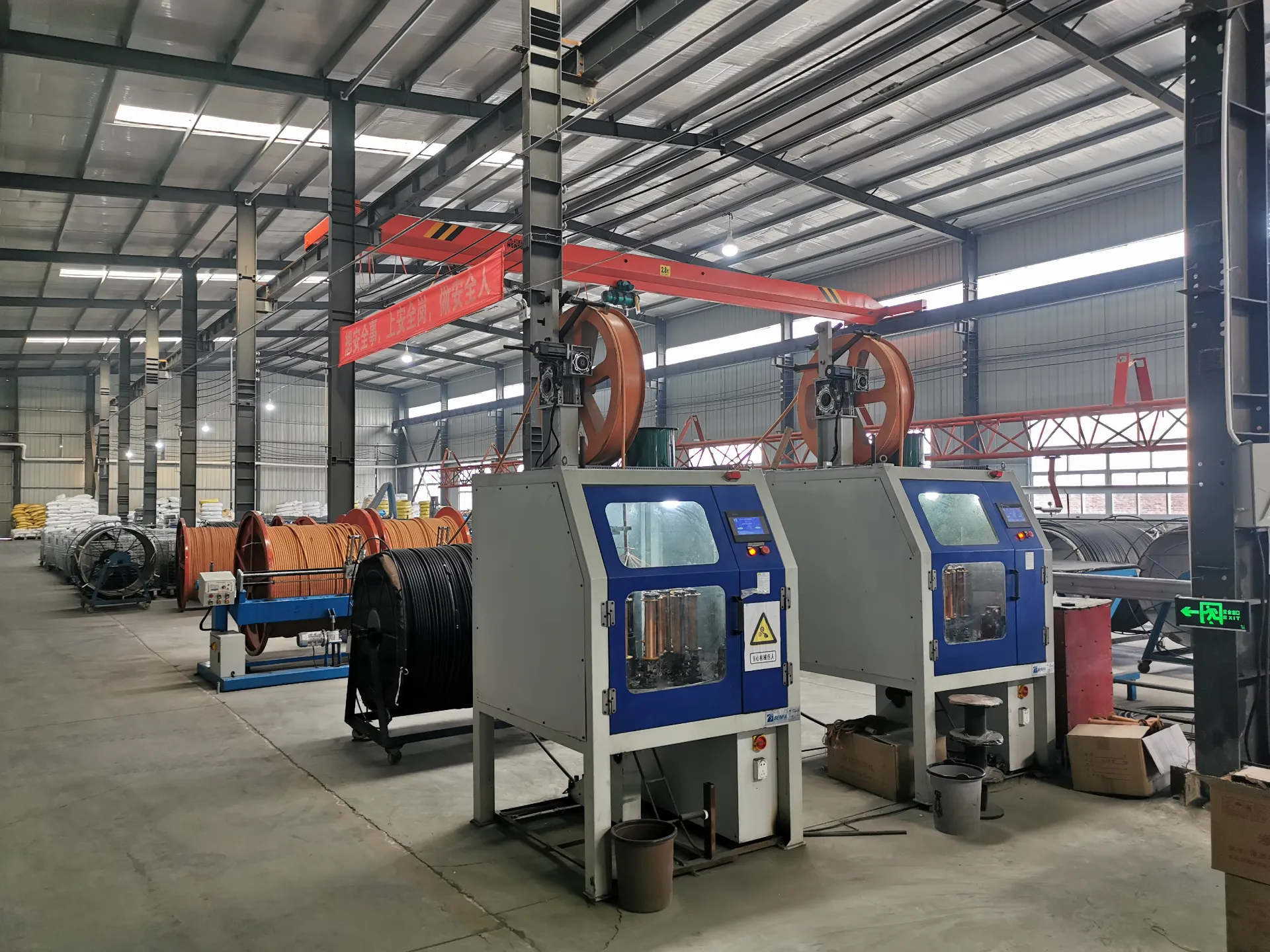
The construction of a wrapped cover hydraulic hose begins with the inner tube, typically comprised of synthetic rubber compounds like nitrile (NBR), ethylene propylene diene monomer (EPDM), or polychloroprene (CR), selected based on fluid compatibility. NBR offers excellent resistance to petroleum-based oils, while EPDM excels with phosphate ester fluids. CR provides good resistance to ozone and weathering. This inner tube must exhibit low permeability to prevent fluid loss and maintain system pressure. The reinforcement layer is the defining characteristic of wrapped cover hose. It usually consists of multiple spirals of high-tensile steel wire, precisely wound under tension. The number of spirals and the wire diameter dictate the hose's working pressure. Steel wire is chosen for its strength and ability to resist stretching under load. The wrapping process demands meticulous control of winding tension and spiral spacing to ensure uniform pressure distribution. Finally, the outer cover, typically a blend of synthetic rubbers such as SBR (styrene-butadiene rubber) or CR, provides environmental protection against abrasion, ozone, weathering, and oil. Manufacturing parameter control is paramount; variations in rubber compound viscosity, wire tension, and cover adhesion significantly impact hose performance and longevity. Post-manufacturing, each hose undergoes hydrostatic testing to verify its pressure rating and identify potential defects. Chemical compatibility between the inner tube, reinforcement, and cover materials is a critical consideration to prevent degradation and ensure long-term service life.

Performance & Engineering
The performance of wrapped cover hydraulic hose is primarily dictated by its ability to withstand internal pressure without bursting or leaking. Burst pressure is typically four times the working pressure, representing a safety factor. Force analysis involves considering hoop stress within the inner tube and axial stress within the reinforcement layers. Finite element analysis (FEA) is commonly used to model stress distribution under various loading conditions, optimizing reinforcement configuration for maximum pressure capacity. Environmental resistance is another crucial performance parameter. Exposure to extreme temperatures, UV radiation, and corrosive substances can degrade the rubber compounds, reducing flexibility and potentially leading to failure. The hose must maintain its mechanical properties within a specified temperature range. Compliance requirements, such as those mandated by SAE (Society of Automotive Engineers) and EN (European Norms) standards, dictate minimum performance criteria for burst pressure, impulse pressure, and temperature range. Impulse pressure, representing pressure surges in the hydraulic system, is a critical design consideration. Hose end connections play a vital role in overall system performance. Proper crimping techniques and fitting selection are essential to prevent leakage and ensure a secure connection. The flexibility of wrapped cover hose is limited compared to fully braided hoses. The bend radius must be maintained within specified limits to prevent kinking and damage to the reinforcement layers.
Technical Specifications
| Parameter | Unit | Typical Value (1" ID Hose) | Testing Standard |
|---|---|---|---|
| Working Pressure | PSI | 2000 | SAE J517 |
| Burst Pressure | PSI | 8000 | SAE J517 |
| Temperature Range | °F | -40 to +212 | SAE J517 |
| Inner Tube Material | - | NBR | ASTM D2000 |
| Reinforcement | - | 4 Spiral Steel Wire | SAE J517 |
| Cover Material | - | SBR | ASTM D2000 |
Failure Mode & Maintenance
Wrapped cover hydraulic hose is susceptible to several failure modes. Fatigue cracking, resulting from repeated flexing and pressure cycles, is a common cause of failure, particularly near hose ends. Delamination, the separation of the cover from the reinforcement layers, can occur due to inadequate adhesion or exposure to harsh chemicals. The steel wire reinforcement is prone to corrosion, especially in humid or corrosive environments. This corrosion weakens the reinforcement, reducing the hose’s pressure capacity. Abrasion damage to the outer cover can expose the reinforcement to the environment, accelerating corrosion. Kinking, caused by exceeding the minimum bend radius, can damage the reinforcement and lead to leakage. Oxidation of the rubber compounds, due to exposure to oxygen and ozone, causes hardening and cracking. Preventative maintenance is crucial for extending hose life. Regular visual inspections should be conducted to identify signs of damage, such as cracks, abrasions, or bulges. Hoses should be replaced if any damage is detected. Proper hose routing and support are essential to minimize stress and abrasion. Using compatible fittings and ensuring proper crimping are critical for preventing leaks. Maintaining a clean hydraulic system, free from contaminants, reduces wear and tear on the hose. Periodic fluid analysis can help identify potential issues before they lead to failure.
Industry FAQ
Q: What is the primary difference between wrapped cover hose and braided hose in terms of pressure capability and flexibility?
A: Braided hose, constructed with multiple layers of interwoven steel wire, generally offers higher pressure ratings and superior burst strength compared to wrapped cover hose. However, this comes at the cost of reduced flexibility. Wrapped cover hose provides a good balance between pressure capacity and flexibility, making it suitable for applications where extreme flexibility isn’t a critical requirement. The spiral wound reinforcement in wrapped hose allows for some bending, but it’s less flexible than the interwoven structure of braided hose.
Q: How does temperature affect the performance of a wrapped cover hydraulic hose?
A: Temperature significantly impacts the performance of the rubber compounds in the hose. High temperatures can cause the rubber to soften and lose its elasticity, reducing its ability to withstand pressure. Low temperatures can cause the rubber to harden and become brittle, increasing the risk of cracking. Exceeding the specified temperature range can lead to premature failure. Proper material selection (e.g., EPDM for high-temperature applications) is critical.
Q: What types of fluids are compatible with nitrile (NBR) inner tubes?
A: NBR inner tubes offer excellent compatibility with a wide range of petroleum-based hydraulic fluids, including mineral oils, lubricating oils, and synthetic hydraulic fluids. However, NBR is not recommended for use with phosphate ester fluids or certain aggressive chemicals. Compatibility charts should always be consulted before selecting a hose for a specific application.
Q: What are the common causes of hose end failure, and how can they be prevented?
A: Hose end failures are often caused by improper crimping, incompatible fittings, or excessive stress due to improper hose routing. Ensuring the correct crimp size and using fittings specifically designed for hydraulic hose are essential. Proper hose support and avoiding sharp bends can also prevent stress concentration at the hose ends. Regular inspection of the crimp and fitting for signs of corrosion or damage is also recommended.
Q: How important is the correct bend radius for a wrapped cover hose, and what happens if it’s exceeded?
A: Maintaining the correct bend radius is critical. Exceeding the minimum bend radius can cause damage to the steel wire reinforcement, leading to kinking, reduced flow, and eventual failure. The reinforcement spirals can become distorted, weakening the hose and creating a potential leak path. The specified bend radius is always provided by the hose manufacturer and should be strictly adhered to during installation.
Conclusion
Wrapped cover hydraulic hose remains a widely utilized and cost-effective solution for medium to high-pressure fluid power applications. Its performance is fundamentally governed by the interplay between material selection, manufacturing precision, and operational conditions. A thorough understanding of the hose’s construction – from the inner tube’s fluid compatibility to the reinforcement’s tensile strength and the cover’s environmental resistance – is paramount for ensuring system reliability and minimizing the risk of catastrophic failure.
Moving forward, advancements in rubber compound technology and reinforcement materials will continue to enhance the performance and longevity of wrapped cover hose. The adoption of more sophisticated non-destructive testing methods during manufacturing and improved hose routing and support practices in the field will further mitigate potential failure modes. Continuous monitoring of fluid condition and adherence to established maintenance schedules are also crucial for maximizing hose service life and ensuring the safe and efficient operation of hydraulic systems.