


discount hydraulic hose supplier Performance Analysis

Introduction
Hydraulic hose assemblies are critical components in fluid power systems, transmitting hydraulic fluid to actuators and other components. Their performance directly impacts system efficiency, reliability, and safety. This guide provides a comprehensive technical overview of hydraulic hoses, focusing on material science, manufacturing processes, performance characteristics, failure modes, and relevant industry standards, specifically addressing considerations for sourcing from a discount hydraulic hose supplier. The industry currently faces challenges in balancing cost optimization with maintaining acceptable levels of performance and safety. Lower-priced hoses often raise concerns regarding material quality, manufacturing consistency, and long-term durability. This guide aims to equip engineers and procurement professionals with the knowledge to evaluate potential suppliers and make informed decisions, particularly when considering cost-effective options. Core performance characteristics include pressure rating, temperature range, fluid compatibility, and resistance to abrasion, kinking, and chemical attack.
Material Science & Manufacturing
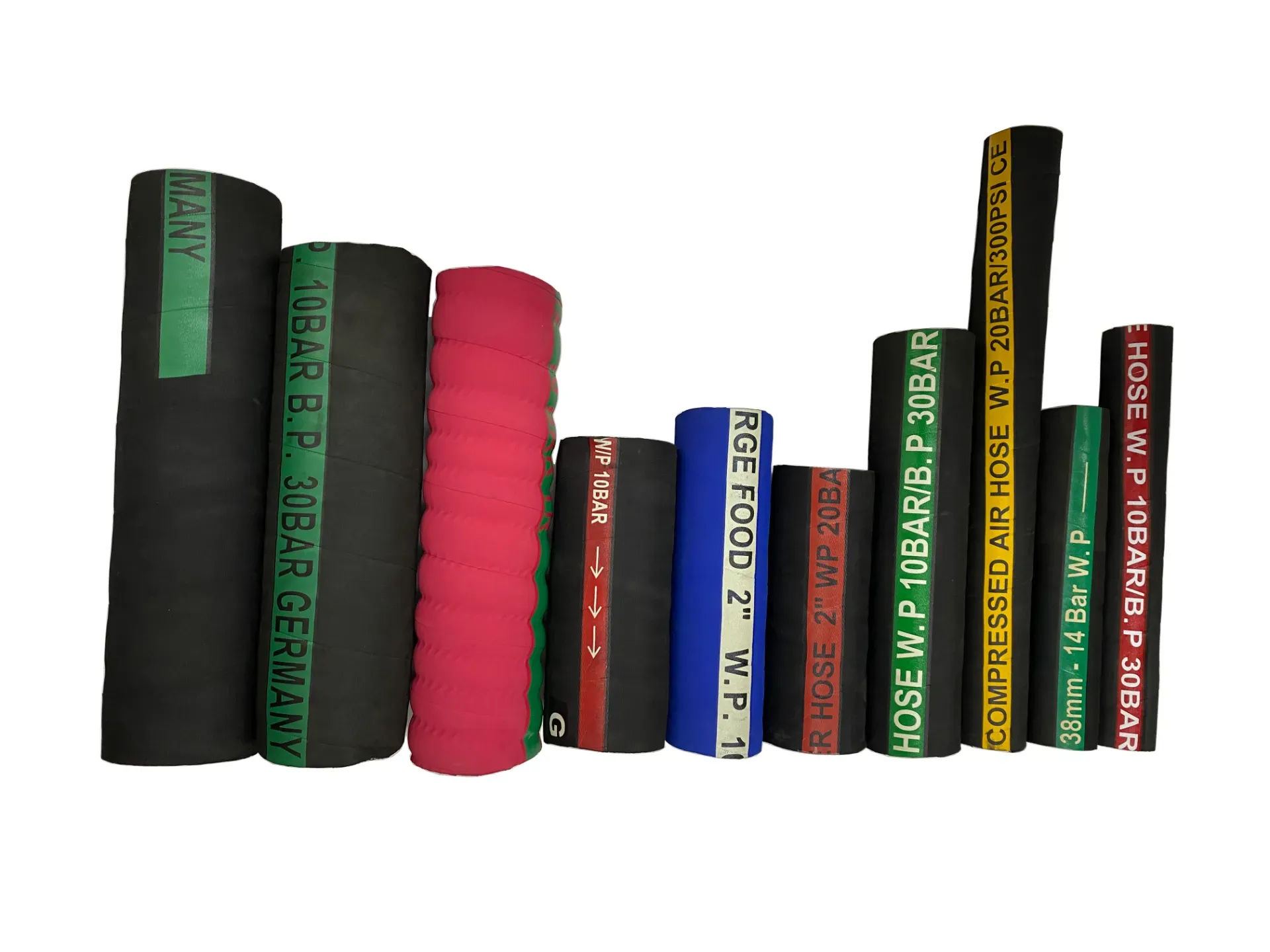
Hydraulic hoses are typically constructed from a combination of materials, each contributing to specific performance attributes. The inner tube, which conveys the fluid, is commonly made from synthetic rubbers such as nitrile (NBR), chloroprene (CR), or fluorocarbon (FKM/Viton). NBR offers good resistance to petroleum-based fluids and is a cost-effective choice for general-purpose applications. CR provides improved ozone and weather resistance. FKM offers exceptional resistance to high temperatures, aggressive chemicals, and fuels, but at a higher cost. The reinforcement layer, crucial for withstanding internal pressure, is usually comprised of multiple layers of high-tensile steel wire, spiraled or braided. The number and configuration of these wires directly correlate with the hose's pressure rating. Exterior cover materials, such as polyurethane (PU) or a blend of rubber compounds, provide abrasion, ozone, and weather protection. Manufacturing processes vary depending on hose type. Braided hoses are manufactured by spiraling steel wire around a mandrel, followed by extrusion of the inner tube and cover. Spiral hoses use a single, continuously wound high-tensile wire. Critical parameters during manufacturing include wire tension control, rubber compound mixing ratios, curing time and temperature, and dimensional accuracy. Inconsistent curing can lead to reduced rubber elasticity and premature failure. Steel wire quality and treatment (e.g., zinc coating for corrosion resistance) are also vital. A discount supplier may compromise on these quality control measures.
Performance & Engineering
Hydraulic hose performance is governed by several engineering principles. Burst pressure, working pressure, and safety factor are critical parameters. Working pressure is typically defined as 50-70% of the burst pressure, determined through standardized burst testing. Hose selection must account for dynamic pressure surges (pressure spikes) caused by pump pulsations, valve closures, and sudden changes in flow rate. Fatigue resistance is paramount, especially in applications involving continuous flexing or vibration. Hose assemblies are also subject to environmental factors such as temperature extremes, UV exposure, and chemical contamination. The coefficient of thermal expansion of the hose material must be considered, particularly in long hose runs. Proper hose routing and support are essential to prevent kinking, abrasion, and excessive stress on connections. Fitting selection is equally important; mismatched fittings can lead to leakage and failure. Force analysis during installation and operation should identify potential stress concentration points. Compliance with industry standards, such as SAE J517 (Hydraulic Hose – Performance Characteristics) and ISO 1875 (Rubber hoses for hydraulic applications), is mandatory in many applications. A discounted hose might meet minimum pressure ratings but fall short in dynamic performance or environmental resistance.
Technical Specifications
| Parameter | SAE 100R2AT | SAE 100R6A | DIN EN 856 4SH | Typical Discount Hose |
|---|---|---|---|---|
| Working Pressure (PSI) | 2250 | 2000 | 2070 | 1800 - 2000 |
| Burst Pressure (PSI) | 6750 | 6000 | 6210 | 5400 - 6000 |
| Temperature Range (°F) | -40 to +212 | -40 to +212 | -40 to +212 | -40 to +185 |
| Inner Tube Material | Synthetic Rubber (NBR) | Synthetic Rubber (NBR) | Synthetic Rubber (NBR) | Synthetic Rubber (NBR/SBR blend) |
| Reinforcement | Two Steel Wire Braids | Four Spiral Steel Wires | Four Spiral Steel Wires | Two Steel Wire Braids (potentially lower grade steel) |
| Cover Material | Synthetic Rubber (CRM) | Synthetic Rubber (CRM) | Synthetic Rubber (CRM) | Synthetic Rubber (CRM/SBR blend) |
Failure Mode & Maintenance
Hydraulic hose failures can manifest in several ways. Fatigue cracking, initiated by repeated flexing, is a common failure mode. Abrasion, caused by external contact with surfaces, can wear through the cover and reinforcement. Kinking, resulting from excessive bending, restricts fluid flow and can damage the inner tube. Internal corrosion or erosion, due to incompatible fluids or contamination, degrades the inner tube. Pressure surges can exceed the hose’s working pressure, leading to burst failure. Fitting failures, such as leakage or detachment, are often attributed to improper installation or corrosion. Oxidation of the rubber compounds can cause hardening and cracking over time, especially with exposure to ozone and UV radiation. Maintenance practices include regular visual inspections for signs of wear, kinking, or leakage. Pressure testing can identify weakened hoses. Hoses should be replaced at recommended intervals, based on operating conditions and fluid compatibility. Proper storage (cool, dry, dark) prevents premature degradation. For discount hoses, more frequent inspections are recommended. Failure analysis should include examination of the fracture surface to determine the root cause and prevent recurrence. Discount hoses may exhibit accelerated failure rates due to lower quality materials and manufacturing processes.
Industry FAQ
Q: What are the key differences in performance between a spiral-wound hose and a braided hose?
A: Spiral-wound hoses generally offer higher pressure ratings and are more resistant to kinking than braided hoses. This is due to the continuous winding of steel wire, which provides greater reinforcement. Braided hoses are more flexible and easier to route in tight spaces. The choice depends on the application's pressure requirements and routing constraints.
Q: How does fluid compatibility affect hydraulic hose life?
A: Selecting a hose with an inner tube material compatible with the hydraulic fluid is critical. Incompatible fluids can cause the rubber to swell, soften, or degrade, leading to premature failure. For example, using petroleum-based fluids in a hose not rated for them can cause rapid deterioration.
Q: What impact does temperature have on hydraulic hose performance?
A: Extreme temperatures can significantly impact hose performance. High temperatures can cause the rubber to harden and lose elasticity, while low temperatures can make it brittle. Hose materials are rated for specific temperature ranges, and exceeding these limits can lead to failure.
Q: How important are hose fittings, and what should I look for?
A: Hose fittings are just as critical as the hose itself. They must be properly sized, crimped, and made of compatible materials. Look for fittings that meet industry standards (e.g., SAE J514) and have a corrosion-resistant coating. Improperly installed or corroded fittings are a common source of leakage and failure.
Q: If I'm considering a discount hydraulic hose supplier, what specific quality control checks should I prioritize?
A: Prioritize checks on burst pressure testing documentation, material certifications (especially for steel wire), and dimensional accuracy. Request samples for your own testing. Inquire about their curing process and quality control procedures for rubber compounds. A reputable discount supplier should be transparent about their manufacturing process and willing to provide documentation.
Conclusion
The selection of hydraulic hoses is a critical engineering decision, directly impacting system performance, reliability, and safety. While cost is a factor, compromising on quality to achieve a lower price can lead to increased maintenance costs, downtime, and potential safety hazards. Understanding the material science, manufacturing processes, and performance characteristics of hydraulic hoses is essential for making informed decisions. Careful consideration should be given to the operating conditions, fluid compatibility, and potential failure modes.
When evaluating a discount hydraulic hose supplier, it is imperative to scrutinize their quality control procedures and material certifications. Rigorous testing and adherence to industry standards are non-negotiable. A proactive maintenance program, including regular inspections and timely replacement, is crucial for maximizing hose life and preventing catastrophic failures. By prioritizing performance and reliability, even within a cost-conscious framework, you can ensure the long-term integrity and efficiency of your hydraulic systems.