


discount durable rubber hydraulic hose Performance Analysis
Introduction
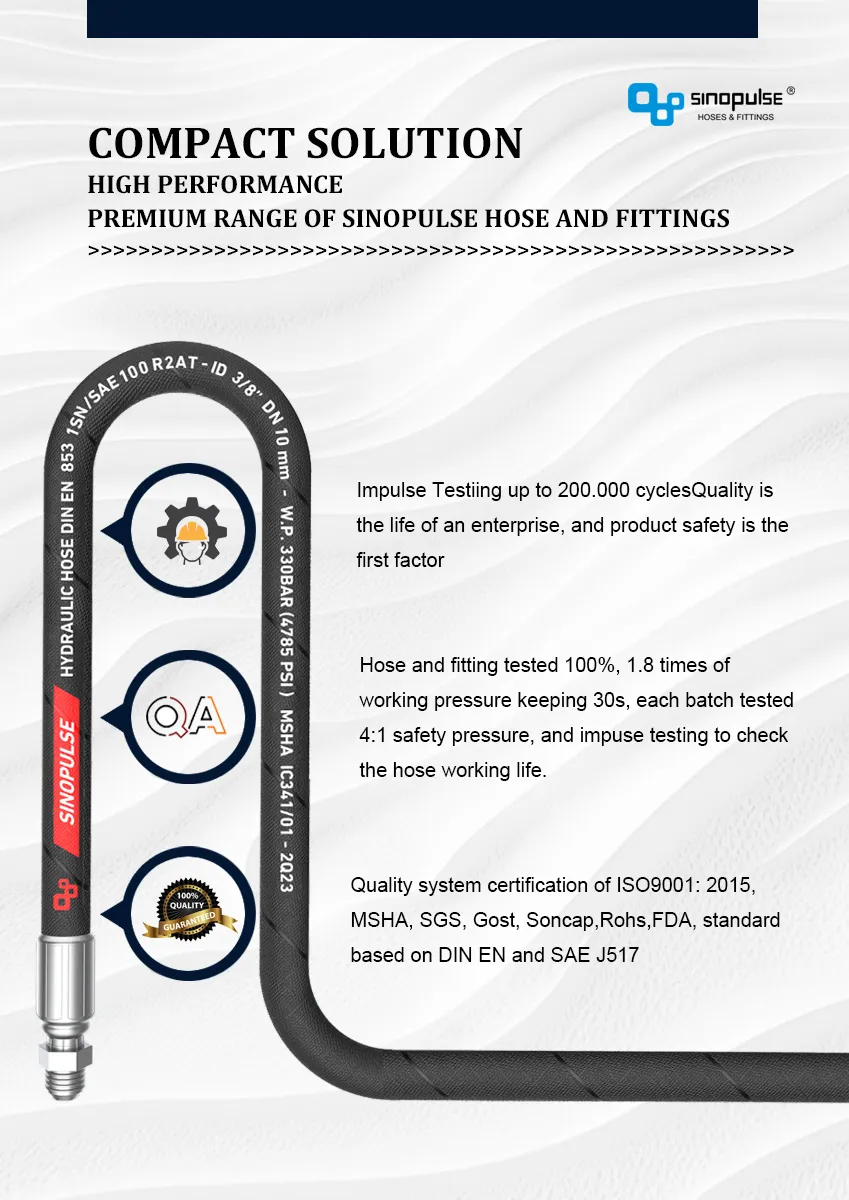
Rubber hydraulic hose, particularly of the 'discount durable' category, represents a critical component in fluid power systems across numerous industries. These hoses facilitate the transmission of hydraulic fluid under substantial pressure, enabling the operation of heavy machinery in sectors like construction, agriculture, manufacturing, and materials handling. Positioned within the hydraulic system between the pump and actuators (cylinders, motors), the hose’s integrity directly impacts system efficiency, reliability, and safety. Discount durable hoses typically aim to balance cost-effectiveness with acceptable performance criteria, often employing synthetic rubber compounds and reinforcement layers to achieve adequate burst pressure, temperature resistance, and fluid compatibility. Core performance characteristics include working pressure, burst pressure, temperature range, and resistance to hydraulic fluid degradation. A critical pain point within the industry is balancing cost reduction with maintaining sufficient safety margins and longevity, particularly given the potential for catastrophic failure and associated downtime.
Material Science & Manufacturing
The construction of a discount durable rubber hydraulic hose begins with the selection of appropriate raw materials. The inner tube typically comprises a synthetic rubber compound formulated for compatibility with the intended hydraulic fluid (mineral oil, synthetic hydraulic fluids, etc.). Common polymers include nitrile rubber (NBR) for general oil resistance, ethylene propylene diene monomer (EPDM) for phosphate ester fluids, and chloroprene rubber (CR) for good all-around performance. The reinforcement layer is crucial for withstanding high pressures and preventing hose rupture. This layer often consists of multiple plies of high-tensile steel wire, spirally wound or braided. The number and gauge of the steel wires dictate the hose’s pressure rating. The outer cover, designed for abrasion and environmental protection, generally employs a synthetic rubber like CR or a blend of CR and NBR. Manufacturing processes include extrusion of the inner tube and outer cover, followed by the application of the reinforcement layer. Braiding is performed on specialized machines, ensuring consistent wire density and coverage. Parameter control is paramount, focusing on rubber compound mixing ratios (critical for achieving desired properties like tensile strength and elongation), curing time and temperature (affecting crosslinking density and thus elasticity), and wire winding tension (influencing burst pressure). Dimensional accuracy and adherence to strict tolerances are maintained throughout the process to ensure proper fitting and sealing.
Performance & Engineering
Performance of a rubber hydraulic hose is governed by principles of fluid mechanics and material strength. The hose must withstand internal pressure generated by the hydraulic pump without expansion or failure. Force analysis involves calculating hoop stress within the hose wall, considering the pressure, radius, and wall thickness. Reinforcement layers are engineered to resist tensile stresses resulting from the internal pressure. Environmental resistance is also critical. Exposure to extreme temperatures (both high and low), ozone, UV radiation, and various chemicals can degrade the rubber compounds, leading to loss of flexibility and eventual failure. Hydraulic hoses are often subjected to significant bending and flexing during operation, leading to fatigue. Fatigue life is influenced by the amplitude and frequency of bending, as well as the material’s fatigue strength. Compliance requirements include adherence to industry standards (SAE, EN, DIN) regarding pressure ratings, temperature ranges, and fluid compatibility. Functional implementation considerations involve selecting the correct hose size and length, ensuring proper end fitting attachment (crimping, swaging), and routing the hose to avoid excessive bending or abrasion. Leakage is a primary concern, requiring careful selection of fittings and proper installation procedures.
Technical Specifications
| Parameter | Unit | Typical Value (Discount Durable Hose) | Test Standard |
|---|---|---|---|
| Working Pressure | PSI | 2000-3000 | SAE J517 |
| Burst Pressure | PSI | 6000-9000 | SAE J517 |
| Temperature Range | °F | -40 to +212 | SAE J517 |
| Inner Tube Material | - | NBR (Nitrile Rubber) | ASTM D2000 |
| Reinforcement | Layers | 2-4 Spiral Wire | SAE J517 |
| Outer Cover Material | - | CR (Chloroprene Rubber) | ASTM D2000 |
Failure Mode & Maintenance
Rubber hydraulic hoses are susceptible to several failure modes. Fatigue cracking is a common issue, resulting from repeated bending and flexing, particularly near fittings. The cracks initiate on the inner surface and propagate through the wall, eventually leading to rupture. Another failure mode is abrasion, caused by rubbing against other components or abrasive surfaces. This damages the outer cover, exposing the reinforcement layer to corrosion. Degradation of the rubber compounds due to exposure to heat, ozone, or chemicals can cause hardening, cracking, and loss of elasticity. Swelling of the inner tube due to incompatibility with the hydraulic fluid can also lead to failure. Corrosion of the steel reinforcement, especially in humid environments, weakens the hose and increases the risk of rupture. Maintenance procedures include regular visual inspection for cracks, abrasion, or leaks. Hoses should be replaced if any damage is detected. Proper routing to avoid excessive bending and abrasion is essential. Regularly checking fluid compatibility is crucial. Crimped fittings should be inspected for proper attachment and tightness. Implementing a preventative maintenance schedule can significantly extend the lifespan of hydraulic hoses and reduce the risk of catastrophic failure.
Industry FAQ
Q: What is the impact of exceeding the working pressure of a rubber hydraulic hose?
A: Exceeding the working pressure significantly reduces the hose’s lifespan and dramatically increases the risk of catastrophic failure. The internal pressure creates stress on the hose walls and reinforcement layers. Beyond the working pressure, the stress exceeds the material’s yield strength, leading to permanent deformation and potential rupture. Repeatedly exceeding the working pressure, even by a small amount, causes fatigue damage, accelerating the onset of failure.
Q: How does hydraulic fluid type affect hose selection?
A: Hydraulic fluid compatibility is paramount. Different fluids require different inner tube materials. For example, phosphate ester fluids require EPDM rubber, while mineral oil typically uses NBR. Using an incompatible fluid can cause the inner tube to swell, soften, or degrade, leading to leaks and eventual failure. Always consult the hose manufacturer’s specifications for fluid compatibility.
Q: What are the common causes of hose leaks at the fitting connection?
A: Leaks at fittings are often caused by improper crimping, damaged fittings, or mismatched components. Incorrect crimping can result in insufficient sealing force, allowing fluid to escape. Damaged or corroded fittings can also create leak paths. Using incompatible fitting types or sizes can lead to leaks as well. Ensure proper installation procedures are followed and fittings are inspected for damage.
Q: What is the role of the outer cover in hydraulic hose performance?
A: The outer cover provides crucial protection against abrasion, environmental factors (UV, ozone, chemicals), and mechanical damage. It shields the reinforcement layer from corrosion and prevents fluid from escaping in the event of inner tube failure. A damaged or degraded outer cover compromises the hose’s integrity and significantly reduces its lifespan.
Q: How does temperature affect the performance and longevity of a rubber hydraulic hose?
A: Extreme temperatures can significantly impact hose performance. High temperatures accelerate rubber degradation, leading to hardening and cracking. Low temperatures can cause the rubber to become brittle and lose flexibility. Operating outside the hose’s specified temperature range reduces its lifespan and increases the risk of failure. Temperature fluctuations can also induce stress due to thermal expansion and contraction.
Conclusion
Discount durable rubber hydraulic hoses represent a balance between cost-effectiveness and essential performance requirements for fluid power applications. Understanding the material science behind their construction, including the properties of rubber compounds and reinforcement materials, is vital for selecting the appropriate hose for a given application. Careful attention to manufacturing parameters, performance characteristics (pressure ratings, temperature range, fluid compatibility), and potential failure modes is crucial for ensuring reliable operation and minimizing downtime.
The longevity and safety of these hoses depend heavily on proper installation, regular inspection, and adherence to preventative maintenance practices. By recognizing the industry’s pain points – balancing cost with safety, and addressing issues like fatigue, abrasion, and fluid compatibility – engineers and procurement managers can optimize hose selection and maintenance, maximizing the return on investment and ensuring the continued operational integrity of hydraulic systems.