


discount coal mining hoses pricelist Performance Analysis
Introduction
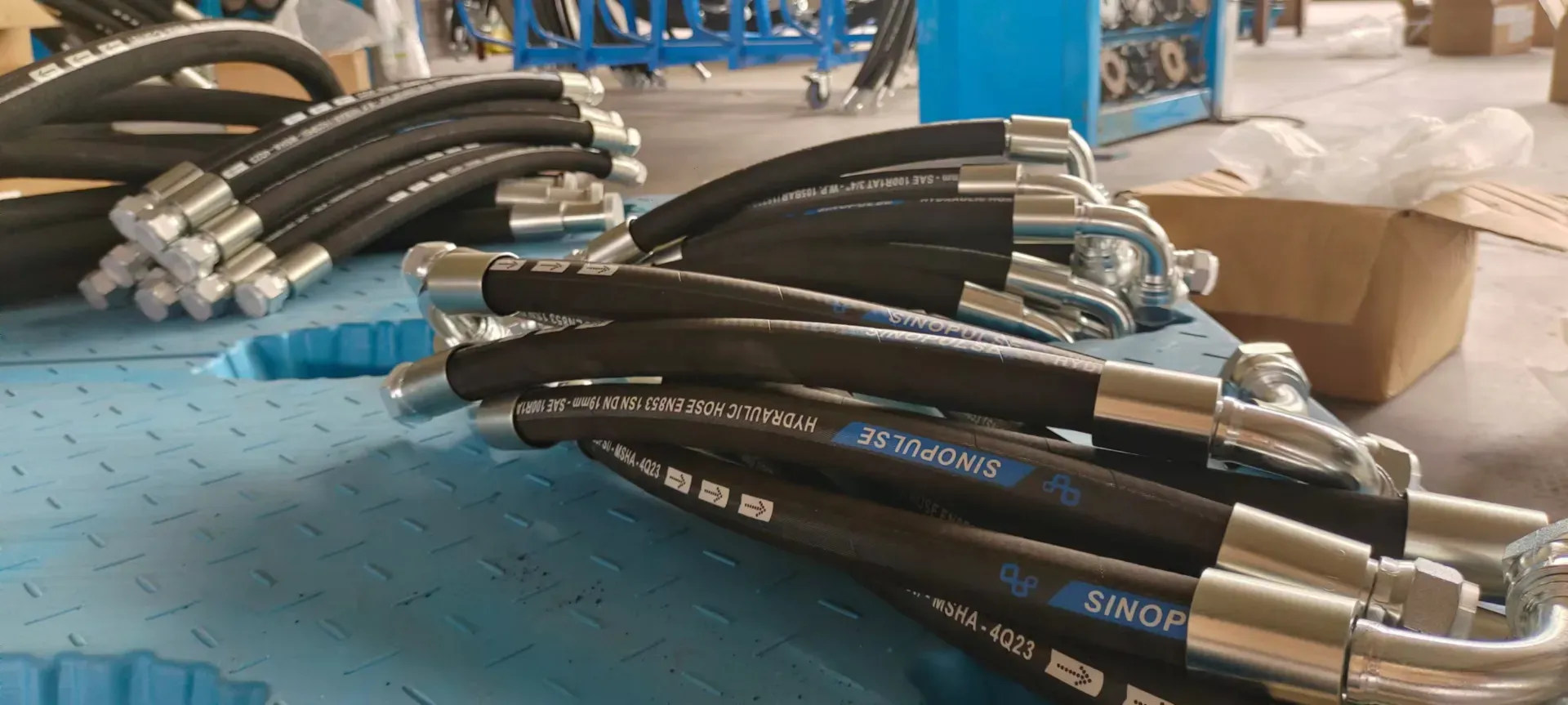
Coal mining hoses are critical components in surface and underground coal extraction operations, responsible for transporting slurries, water, and air under extreme conditions. These hoses differ significantly from standard industrial hoses due to the harsh environment they endure – abrasion from coal particles, high pressures, exposure to corrosive materials, and the constant risk of physical damage. Discount coal mining hoses pricelist refers to offerings that balance performance requirements with cost-effectiveness, often utilizing specific material compositions and manufacturing processes to achieve an acceptable service life without exceeding budget constraints. The core performance characteristics revolve around burst pressure, abrasion resistance, chemical compatibility with coal mine drainage and associated fluids, and flexibility for ease of installation and operation within confined spaces. Selection is paramount, as hose failure can lead to significant production downtime, environmental hazards, and safety risks.
Material Science & Manufacturing
The primary material used in coal mining hoses is synthetic rubber, with varying compositions tailored to specific applications. Ethylene Propylene Diene Monomer (EPDM) rubber is a common choice due to its excellent resistance to water, steam, and weathering. However, for enhanced abrasion resistance, particularly against hard coal particles, blends incorporating higher levels of carbon black and specialized polymer modifiers are employed. Nitrile rubber (NBR) is often used for its oil resistance, essential when handling lubricating fluids and hydraulic systems in mining equipment. Reinforcement layers are crucial, commonly constructed from multiple plies of high-tensile steel wire helix, embedded within the rubber matrix. The number and gauge of these wires directly impact the hose’s burst pressure capability. Manufacturing typically involves a process of extrusion, where the rubber compound is forced through a die to form the hose body. This is followed by the application of reinforcement layers and a final outer cover. Key parameter control during extrusion includes maintaining consistent rubber temperature, extrusion speed, and cure time. Post-extrusion curing is vital to achieve optimal rubber vulcanization, ensuring the desired physical properties – tensile strength, elongation, and hardness. Quality control includes hydrostatic pressure testing to verify burst strength and dimensional inspection to confirm adherence to specifications. The selection of raw materials must adhere to stringent environmental regulations regarding phthalates and other restricted substances.

Performance & Engineering
Performance in coal mining hoses is dictated by a complex interplay of forces and environmental factors. Force analysis involves calculating the hoop stress generated by internal pressure, which must be safely contained by the reinforcement layers. Fatigue analysis is critical, as hoses are subjected to cyclical pressure fluctuations during operation. Abrasion resistance is assessed using standardized tests involving the controlled impingement of abrasive particles against the hose surface. Environmental resistance includes evaluating the hose’s ability to withstand prolonged exposure to coal mine drainage (CMD), which often contains high concentrations of sulfates, chlorides, and heavy metals. Chemical compatibility testing is performed to ensure the rubber compound does not degrade or swell in contact with these substances. Compliance requirements are multifaceted, encompassing MSHA (Mine Safety and Health Administration) regulations in the United States, and equivalent standards in other mining jurisdictions. These regulations specify minimum burst pressures, marking requirements, and material traceability. Functional implementation often involves specialized fittings designed for high-pressure applications and quick disconnection to facilitate maintenance. Bend radius is also a critical engineering parameter, as excessive bending can induce stress concentrations and premature failure. Proper hose support systems are necessary to minimize stress and prevent kinking.
Technical Specifications
| Parameter | Unit | Standard Grade | Premium Grade |
|---|---|---|---|
| Working Pressure | PSI | 200 | 300 |
| Burst Pressure | PSI | 600 | 900 |
| Abrasion Resistance (Taber Index) | mg loss | <50 | <30 |
| Tensile Strength | MPa | 20 | 25 |
| Elongation at Break | % | 400 | 500 |
| Temperature Range | °F | -40 to +180 | -40 to +200 |
Failure Mode & Maintenance
Coal mining hoses are prone to several failure modes. Fatigue cracking, resulting from repeated pressure cycles, is common, often initiating at points of high stress concentration, such as near fittings. Abrasion wear leads to thinning of the hose wall, eventually resulting in leakage or burst failure. Chemical degradation occurs when the rubber compound is exposed to corrosive substances in CMD, causing it to become brittle and lose its elasticity. Delamination, the separation of reinforcement layers from the rubber matrix, can occur due to inadequate bonding or exposure to high temperatures. Oxidation, caused by exposure to oxygen and ozone, can lead to surface cracking and loss of flexibility. Maintenance strategies include regular visual inspection for signs of wear, cracking, or bulging. Pressure testing should be performed periodically to verify the hose’s integrity. Proper storage is essential; hoses should be stored in a cool, dry place, away from direct sunlight and ozone sources. When replacing hoses, ensure compatibility with the application and use properly torqued fittings. Implement a preventative maintenance schedule to rotate hoses and proactively identify potential issues before they escalate into catastrophic failures. Avoid sharp bends and kinking during installation and operation. Proper hose guarding is crucial to prevent physical damage from falling rocks or equipment.
Industry FAQ
Q: What is the impact of sulfate concentration in coal mine drainage on hose lifespan?
A: High sulfate concentrations in CMD accelerate rubber degradation, particularly in EPDM compounds. Sulfates promote hydrolysis, breaking down the polymer chains and reducing the hose’s flexibility and tensile strength. Selecting hoses with specialized rubber formulations resistant to sulfate attack, and implementing regular monitoring of CMD composition, are crucial mitigation strategies.
Q: How does the steel wire helix construction affect burst pressure?
A: The number and gauge of the steel wire helix layers directly determine the hose’s burst pressure capacity. Increasing the number of layers and using thicker gauge wire provides greater reinforcement, allowing the hose to withstand higher internal pressures. However, increased reinforcement also reduces flexibility.
Q: What fitting types are most suitable for high-pressure coal mining applications?
A: Swaged or crimped fittings are generally preferred for high-pressure coal mining hoses, as they provide a secure and leak-proof connection. Threaded fittings are less common due to the risk of loosening under vibration. The fitting material must be compatible with the hose material and the conveyed fluid.
Q: What is the significance of MSHA certification for coal mining hoses?
A: MSHA certification demonstrates that the hose meets specific safety standards established by the Mine Safety and Health Administration. This certification is often legally required for use in US coal mines and ensures that the hose has undergone rigorous testing and inspection.
Q: How can we minimize abrasion damage to coal mining hoses?
A: Minimizing abrasion damage requires selecting hoses with high abrasion resistance rubber compounds, implementing proper hose routing to avoid contact with abrasive surfaces, and utilizing hose guards to provide physical protection. Regular inspection and replacement of worn hoses are also crucial.
Conclusion
The selection and maintenance of discount coal mining hoses pricelist are critical to the safe and efficient operation of any coal mining operation. Understanding the material science, manufacturing processes, and performance characteristics of these hoses is essential for mitigating the risks associated with hose failure. Factors such as abrasion resistance, chemical compatibility, burst pressure, and compliance with relevant safety regulations must be carefully considered when choosing a hose.
Prioritizing preventative maintenance, including regular inspections, pressure testing, and proper storage, will significantly extend hose lifespan and reduce the likelihood of costly downtime and hazardous incidents. Ongoing research and development continue to refine hose materials and manufacturing techniques, leading to improved performance and durability in these demanding applications.