


custom rubber hose pricelist Performance Analysis

Introduction
Custom rubber hose represents a critical component in numerous industrial applications, facilitating the safe and efficient transfer of fluids, gases, and particulate matter. Unlike standardized hose products, custom solutions are engineered to meet highly specific performance requirements dictated by the application's operating pressure, temperature, chemical compatibility, and physical space constraints. This guide provides an in-depth examination of the materials science, manufacturing processes, performance characteristics, failure modes, and relevant industry standards pertaining to custom rubber hose, offering a comprehensive resource for engineers, procurement professionals, and maintenance personnel. The selection of appropriate custom rubber hose is paramount to system reliability, safety, and overall operational efficiency. Cost analysis, while important, must be considered in conjunction with total lifecycle cost, including maintenance, potential downtime due to failure, and safety implications. This analysis will focus on providing the technical understanding necessary to make informed decisions when specifying and sourcing custom rubber hose.
Material Science & Manufacturing
The foundation of custom rubber hose lies in the precise selection of elastomer compounds and reinforcement materials. Common elastomer bases include Nitrile (NBR), Ethylene Propylene Diene Monomer (EPDM), Chloroprene (Neoprene), Silicone, Viton (FKM), and Polyurethane (PU). Nitrile offers excellent resistance to oils and fuels, making it prevalent in hydraulic applications. EPDM excels in outdoor applications due to its ozone and weathering resistance. Viton provides superior resistance to high temperatures and aggressive chemicals, while Silicone is favored for food-grade and medical applications. Polyurethane offers high abrasion resistance and load-bearing capacity. Reinforcement layers typically consist of textile braids (polyester, aramid) or wire spirals (high tensile steel). The choice depends on the required pressure rating and flexibility. Manufacturing processes vary depending on hose construction. Extrusion is used to form the rubber body, followed by reinforcement layer application (braiding or spiraling). Vulcanization, a chemical process involving cross-linking of the elastomer molecules with sulfur or peroxides, imparts strength, elasticity, and temperature resistance. Critical process parameters include extrusion temperature, curing time, and pressure. Improper control of these parameters can lead to defects such as porosity, incomplete curing, or dimensional inconsistencies. Post-processing operations include trimming, skiving (reducing hose thickness at the ends), and end fitting attachment, often utilizing crimping or swaging techniques. Quality control throughout the process involves rigorous testing of material properties (tensile strength, elongation, hardness) and dimensional accuracy.
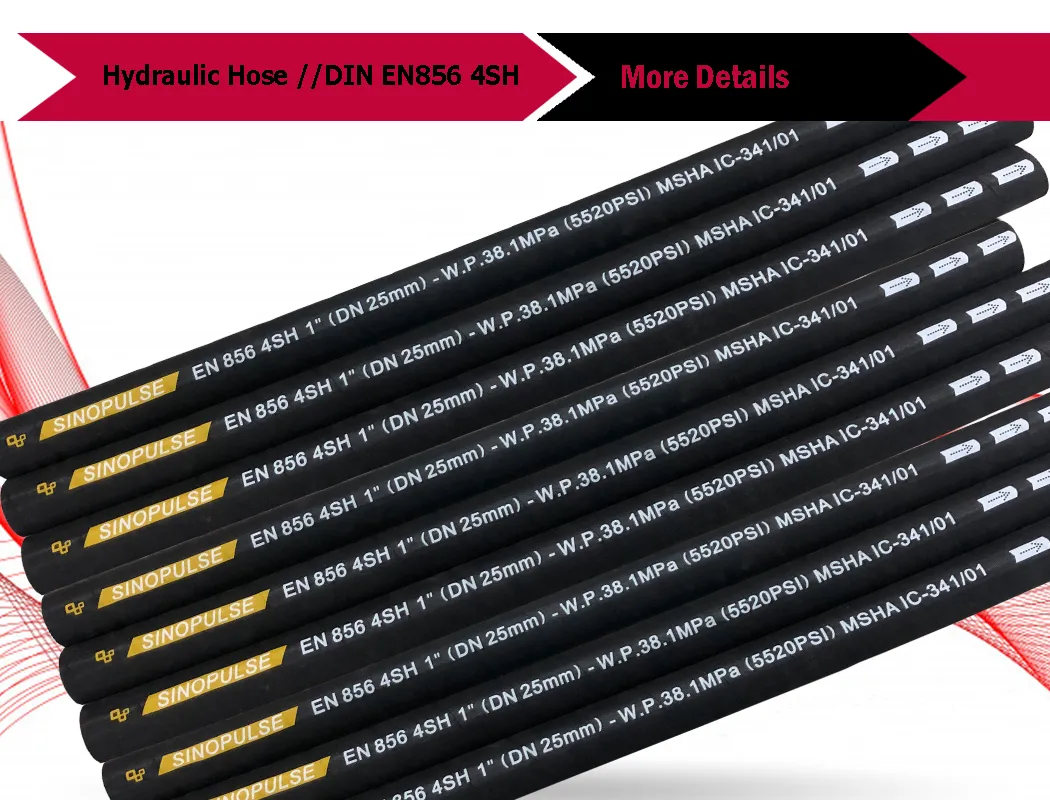
Performance & Engineering
The performance of custom rubber hose is governed by several key engineering considerations. Burst pressure, working pressure, and safety factor are critical parameters. Burst pressure represents the maximum pressure the hose can withstand before catastrophic failure, while working pressure is the recommended operating pressure, typically a fraction of the burst pressure. Safety factors are applied to account for pressure surges, dynamic loading, and material degradation over time. Flexibility and bend radius are crucial for applications involving tight routing or movement. Excessive bending can induce stress concentration and accelerate fatigue failure. Temperature resistance dictates the hose's ability to maintain its properties at elevated or sub-zero temperatures. Chemical compatibility ensures that the elastomer does not degrade or swell upon contact with the conveyed fluid. Permeation, the diffusion of fluids through the hose wall, can be a concern with certain gases and volatile liquids. Hose selection must account for potential permeation rates and their impact on safety and environmental regulations. Fatigue life, the number of cycles the hose can withstand before failure, is paramount in dynamic applications. Finite element analysis (FEA) is often employed to model stress distributions and predict fatigue life under various loading conditions. Standards such as SAE J517 and ISO 6807 provide guidelines for pressure ratings and performance testing.
Technical Specifications
| Parameter | Unit | Typical Range (NBR/Steel Wire) | Typical Range (EPDM/Textile Braid) |
|---|---|---|---|
| Working Pressure | PSI | 500-5000 | 200-800 |
| Burst Pressure | PSI | 2000-20000 | 800-3200 |
| Temperature Range | °F | -40 to 250 | -50 to 300 |
| Inner Diameter | inches | 0.25-6 | 0.25-4 |
| Outer Diameter | inches | 0.5-8 | 0.75-5 |
| Bend Radius | inches | 4-12 | 6-18 |
Failure Mode & Maintenance
Common failure modes in custom rubber hose include burst, leakage, kinking, and degradation. Burst failure is typically caused by exceeding the working pressure or a sudden pressure surge. Leakage can result from pinholes, cracks, or compromised end fittings. Kinking occurs when the hose is bent beyond its allowable bend radius, causing internal damage and restricted flow. Degradation arises from exposure to incompatible chemicals, UV radiation, ozone, or extreme temperatures. Oxidation can lead to hardening and cracking of the elastomer. Maintenance is crucial for extending hose life and preventing failures. Regular visual inspections should be conducted to identify signs of wear, damage, or degradation. Hose should be replaced if any of these signs are observed. Proper storage is essential; hoses should be stored in a cool, dry place away from direct sunlight and ozone sources. Avoid twisting or kinking hoses during installation and operation. End fittings should be inspected for corrosion and tightness. Periodic pressure testing can help identify potential leaks before they escalate. A comprehensive hose management program, including record-keeping of hose specifications, installation dates, and maintenance history, can significantly reduce the risk of failure and associated costs.
Industry FAQ
Q: What is the impact of chemical compatibility on the lifespan of a custom rubber hose?
A: Chemical compatibility is paramount. Exposure to incompatible chemicals can cause swelling, softening, hardening, or cracking of the elastomer, leading to premature failure. The specific chemical resistance of each elastomer varies; therefore, a thorough understanding of the conveyed fluid's composition is essential. Testing the hose material with the fluid in a controlled environment is the most reliable method for verifying compatibility.
Q: How does reinforcement material affect the pressure rating and flexibility of the hose?
A: Reinforcement materials directly influence both pressure rating and flexibility. Steel wire reinforcement provides the highest pressure rating but reduces flexibility. Textile braids (polyester, aramid) offer greater flexibility but have a lower pressure rating. The number of layers and the weave pattern also impact these characteristics. A balance must be struck between pressure requirements and flexibility needs.
Q: What are the key considerations when selecting a hose for high-temperature applications?
A: For high-temperature applications, elastomer selection is critical. Viton (FKM) and Silicone are commonly used due to their excellent thermal stability. The hose construction must also be designed to withstand thermal expansion and contraction. The working pressure should be derated at elevated temperatures, as the elastomer's strength typically decreases with increasing temperature.
Q: How can I prevent premature failure due to kinking or twisting?
A: Maintaining a proper bend radius is essential to prevent kinking. Ensure the hose is routed with sufficient clearance and avoid sharp bends. Prevent twisting by using swivel fittings or allowing sufficient slack in the hose routing. Regular visual inspections can identify early signs of kinking or twisting.
Q: What is the role of standards like SAE J517 in specifying custom rubber hose?
A: SAE J517 provides a standardized classification system for hydraulic hose, including performance requirements, marking requirements, and testing procedures. Referencing SAE J517 ensures that the hose meets industry-recognized standards for safety and performance. However, custom applications may require specifications that exceed or deviate from the standard, necessitating additional testing and documentation.
Conclusion
The successful implementation of custom rubber hose solutions necessitates a thorough understanding of materials science, manufacturing processes, performance characteristics, and potential failure modes. Effective specification requires careful consideration of the application’s operating conditions, chemical compatibility, pressure requirements, and temperature range. Proactive maintenance and adherence to relevant industry standards, such as SAE J517 and ISO 6807, are crucial for maximizing hose lifespan and ensuring operational safety.
Looking forward, advancements in elastomer technology and reinforcement materials will continue to drive improvements in hose performance and durability. The integration of sensors and data analytics for real-time monitoring of hose condition will enable predictive maintenance and reduce the risk of catastrophic failures. Collaboration between hose manufacturers, engineers, and end-users is essential for developing innovative solutions that address the evolving needs of diverse industrial applications.