


custom mining hydraulic hose factory Performance Analysis
Introduction
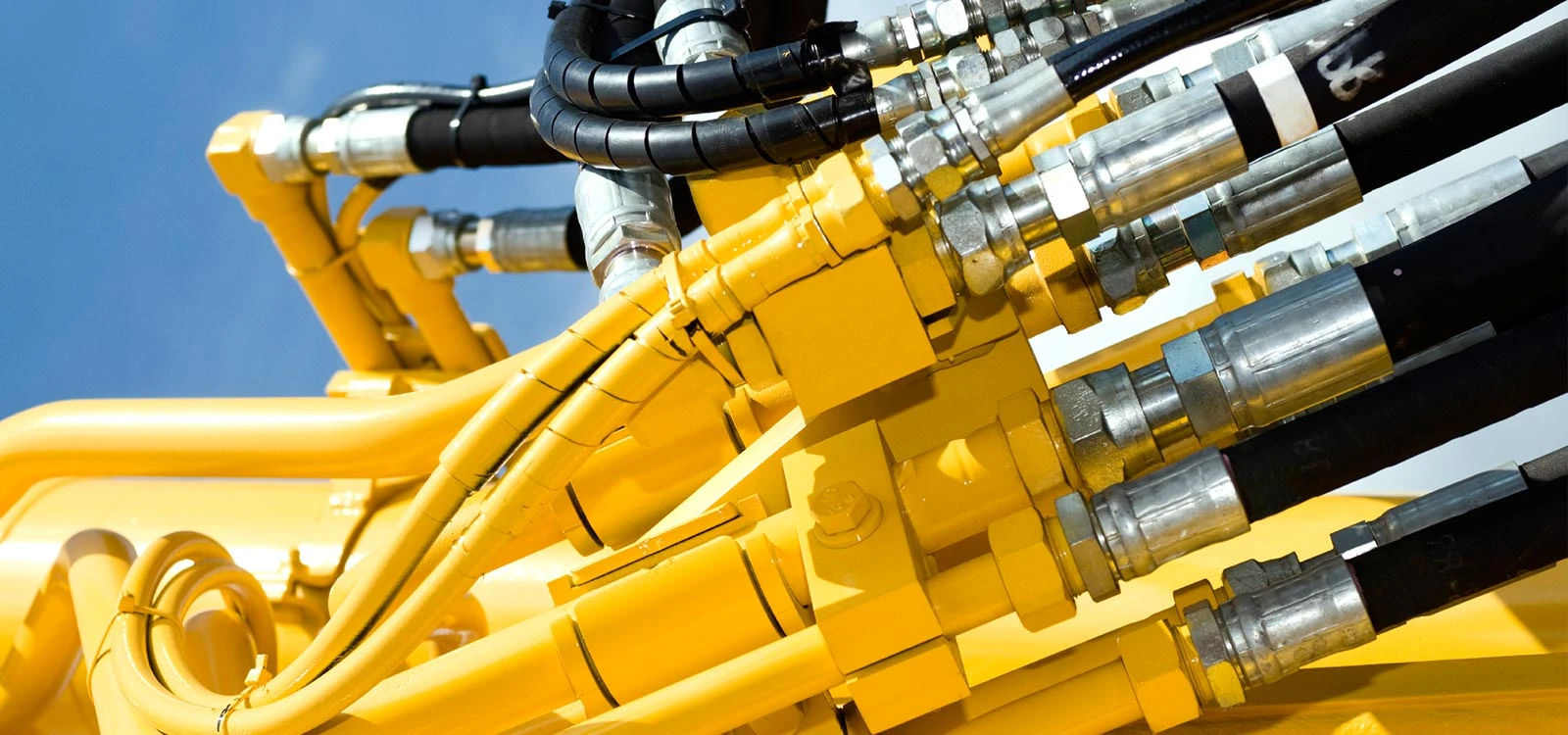
Custom mining hydraulic hose is a critical component in the safe and efficient operation of heavy machinery utilized in surface and underground mining environments. These hoses differ significantly from standard industrial hydraulic hoses due to the extreme operating conditions encountered in mining applications, demanding enhanced durability, abrasion resistance, and pressure capacity. Positioned within the hydraulic power transmission system of mining equipment – including excavators, loaders, drill rigs, and longwall systems – these hoses facilitate the transfer of hydraulic fluid, enabling the operation of actuators, motors, and other hydraulic components. Core performance characteristics include high burst pressure, resistance to extreme temperatures, and compatibility with specialized hydraulic fluids used in mining operations. This guide provides a comprehensive technical overview of custom mining hydraulic hose, encompassing material science, manufacturing processes, performance considerations, failure modes, and relevant industry standards.
Material Science & Manufacturing
Mining hydraulic hoses are constructed from a variety of materials selected for their resistance to abrasion, chemical attack, and high pressures. The inner tube is commonly constructed from synthetic rubbers such as nitrile (NBR), chloroprene (CR), or ethylene propylene diene monomer (EPDM), chosen based on fluid compatibility and temperature range. NBR offers excellent resistance to petroleum-based hydraulic fluids, while EPDM excels in high-temperature applications and compatibility with phosphate ester fluids. The reinforcement layer is a crucial element, typically comprised of multiple spiral plies of high-tensile steel wire. The number and diameter of these wires directly impact the hose’s burst pressure and flexibility. External cover materials generally consist of a synthetic rubber compound – often polyurethane – providing exceptional abrasion and weather resistance. Manufacturing begins with the extrusion of the inner tube, followed by the spiral winding of the reinforcement wires. The cover is then extruded over the reinforcement, and the hose is vulcanized to bond the layers and achieve the desired mechanical properties. Critical parameters during manufacturing include wire tension control, vulcanization temperature and time, and dimensional accuracy. Achieving consistent reinforcement layer winding is paramount for maintaining burst strength and preventing premature failure. Post-manufacturing, each hose undergoes hydrostatic testing to verify its ability to withstand specified pressure levels without leakage or rupture.
Performance & Engineering
The performance of a mining hydraulic hose is dictated by several engineering factors. Force analysis focuses on hoop stress – the stress acting circumferentially within the hose wall due to internal pressure – and longitudinal stress, arising from pressure and bending. Hose bending radius is critical; exceeding the minimum bend radius induces excessive stress and accelerates fatigue failure. Environmental resistance is paramount; mining environments expose hoses to extreme temperatures, abrasive dust, and corrosive chemicals. The hose must maintain its flexibility and integrity across a wide temperature range (-40°C to +100°C is typical). Compliance requirements, such as MSHA (Mine Safety and Health Administration) standards in the US, dictate specific performance criteria including flame resistance and fluid compatibility. Functional implementation requires careful consideration of hose routing to minimize bending and abrasion. Selecting the correct hose end fittings – including crimp type, material, and thread type – is equally important to ensure a leak-free and mechanically sound connection. Furthermore, the hose’s ability to withstand continuous pulsations and pressure spikes caused by hydraulic pump operation needs to be assessed. Finite element analysis (FEA) is commonly employed to simulate stress distributions within the hose under various loading conditions, optimizing design parameters for maximum performance and longevity.
Technical Specifications
| Working Pressure (PSI) | Burst Pressure (PSI) | Temperature Range (°C) | Inner Tube Material |
|---|---|---|---|
| 3000 | 9000 | -40 to +100 | NBR (Nitrile Rubber) |
| 4000 | 12000 | -30 to +120 | CR (Chloroprene Rubber) |
| 5000 | 15000 | -50 to +135 | EPDM (Ethylene Propylene Diene Monomer) |
| 6000 | 18000 | -40 to +100 | UHMWPE (Ultra-High Molecular Weight Polyethylene) – Inner Tube Lining |
| 7500 | 22500 | -30 to +120 | NBR/EPDM Blend |
| 10000 | 30000 | -20 to +80 | Specialty Polymer Blend (Fluid Specific) |
Failure Mode & Maintenance
Mining hydraulic hose failure typically stems from several modes. Fatigue cracking, induced by repeated bending and pressure pulsations, is a common failure mechanism. Abrasion, caused by contact with abrasive materials like rock and soil, erodes the outer cover, exposing the reinforcement layer to corrosion. Pinholes in the inner tube, resulting from fluid degradation or internal abrasion, lead to leakage. Delamination occurs when the bonding between layers fails, reducing the hose’s burst strength. Oxidation of the rubber compounds, accelerated by high temperatures and exposure to UV radiation, causes embrittlement and cracking. Proper maintenance is crucial to extend hose life. Regular visual inspections should identify abrasions, cuts, bulges, or leaks. Pressure testing should be performed periodically to verify hose integrity. Hose routing should be optimized to minimize bending and abrasion. Hydraulic fluid should be regularly analyzed to identify contaminants that can damage the hose. When replacing hoses, ensure the new hose has the correct specifications for the application and that fittings are properly crimped. Avoid over-tightening fittings, which can damage the hose end. Implementing a hose management program – including hose identification, tracking, and replacement schedules – can significantly reduce downtime and improve safety. Detailed failure analysis of prematurely failed hoses helps identify root causes and implement preventative measures.
Industry FAQ
Q: What is the primary difference between a standard industrial hydraulic hose and a mining hydraulic hose?
A: The primary difference lies in the enhanced durability and abrasion resistance required for mining applications. Mining hoses feature thicker covers, more robust reinforcement layers, and specialized rubber compounds designed to withstand the harsh conditions present in mining environments, including extreme temperatures, abrasive dust, and corrosive chemicals. Standard industrial hoses typically lack these enhanced features.
Q: How does temperature affect the performance of a mining hydraulic hose?
A: Extreme temperatures – both high and low – significantly impact hose performance. High temperatures accelerate rubber degradation and reduce burst pressure. Low temperatures can cause the rubber to become brittle and less flexible. Mining hoses are designed with temperature ranges in mind, and exceeding these ranges can lead to premature failure. Selecting a hose with the appropriate temperature rating for the specific application is critical.
Q: What are the key considerations when selecting hose end fittings?
A: Compatibility with the hose material, pressure rating, and thread type are paramount. Fittings must be correctly crimped to ensure a leak-free connection and adequate mechanical strength. Using incompatible fittings can lead to premature failure. The fitting material must also be compatible with the hydraulic fluid being used.
Q: What role does hydraulic fluid play in hose failure?
A: Hydraulic fluid compatibility is crucial. Using the wrong fluid can cause the inner tube to swell, degrade, or crack. Contaminated fluid – containing abrasive particles or water – can also damage the hose internally. Regular fluid analysis and filtration are essential for maintaining hose integrity.
Q: How can a hose management program improve hose life and reduce downtime?
A: A hose management program involves tracking hose history, conducting regular inspections, implementing preventative maintenance schedules, and performing detailed failure analysis. This proactive approach allows for early identification of potential problems, timely hose replacement, and optimization of hose routing to minimize wear and tear, ultimately reducing downtime and improving safety.
Conclusion
Custom mining hydraulic hose represents a specialized engineering solution designed to meet the demanding requirements of the mining industry. Its performance relies heavily on a careful selection of materials, precise manufacturing processes, and adherence to stringent industry standards. Understanding the principles of material science, force analysis, and potential failure modes is essential for ensuring safe and reliable operation of mining equipment.
Moving forward, advancements in hose technology will likely focus on developing more durable and abrasion-resistant materials, as well as incorporating smart hose monitoring systems capable of detecting early signs of degradation. Implementing robust hose management programs and prioritizing preventative maintenance will remain crucial for maximizing hose life and minimizing operational costs in the challenging mining environment.