


custom metal hose pricelist Performance Analysis
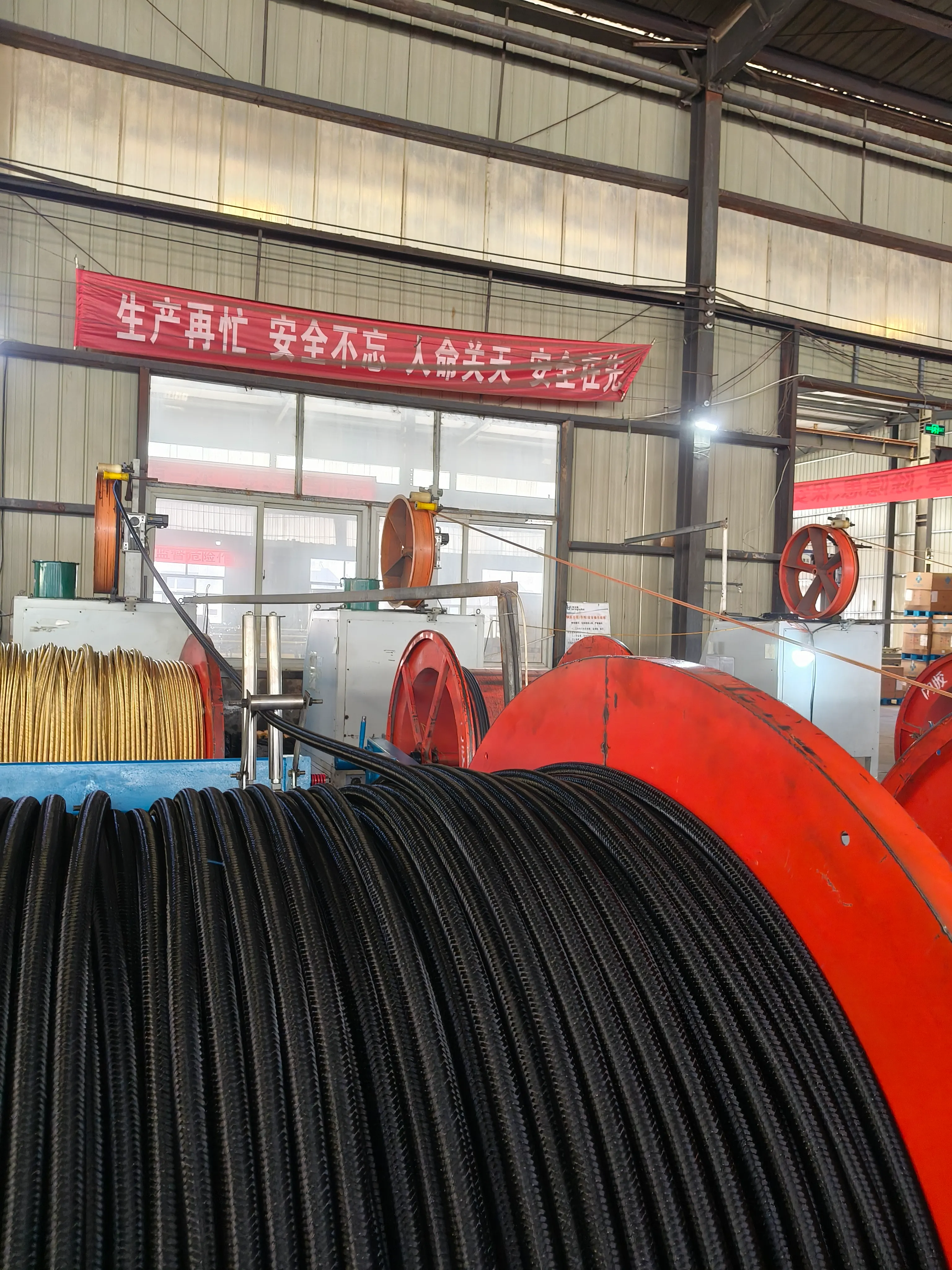
Introduction
Custom metal hose assemblies represent a critical component in fluid transfer systems across diverse industrial applications, including hydraulic machinery, automotive engineering, chemical processing, and aerospace. Unlike standardized hose offerings, custom metal hose designs are engineered to meet highly specific operational parameters dictated by pressure, temperature, fluid compatibility, bend radius, and spatial constraints. Their technical position within the supply chain extends from raw material sourcing (typically stainless steel, carbon steel, or alloy variants) through precision forming, welding, end fitting attachment, and rigorous quality control. Core performance metrics center around burst pressure, working pressure, fatigue life, corrosion resistance, and the ability to maintain dimensional stability under cyclic loading. A significant industry pain point revolves around accurately predicting long-term performance in demanding environments and managing lead times associated with non-standard configurations. This guide details the material science, manufacturing processes, performance characteristics, failure modes, and relevant standards governing custom metal hose assemblies.
Material Science & Manufacturing
The foundation of a high-performance metal hose lies in the selection of appropriate materials. 304/316L stainless steel is commonly employed for its excellent corrosion resistance and high tensile strength, particularly in applications involving aggressive fluids or corrosive atmospheres. Carbon steel offers a cost-effective solution for less demanding environments, while alloy combinations (e.g., Inconel, Hastelloy) provide superior resistance to extreme temperatures and specific chemical attacks. Manufacturing begins with the production of corrugated tubing, typically via helical winding or annular forming. Helical winding involves continuously wrapping a strip of metal around a mandrel, creating a spiral convolution. Annular forming employs a die to create a series of rings that are then joined to form the corrugated structure. Critical parameters during forming include the pitch (distance between convolutions) and the helix angle, both of which directly influence the hose’s flexibility and pressure-bearing capacity. Subsequent welding processes – often employing TIG (Tungsten Inert Gas) or laser welding – ensure seamless joining of the convolutions. End fitting attachment, accomplished through welding, brazing, or mechanical crimping, demands precise control to maintain the integrity of the connection and prevent stress concentrations. Post-manufacturing treatments, such as passivation (for stainless steel) and annealing (for stress relief), further enhance performance and durability. Chemical compatibility assessments are crucial, involving exposure testing to the intended fluid media to verify material resistance to degradation.

Performance & Engineering
Engineering analysis of metal hose assemblies focuses on several key areas: pressure containment, fatigue resistance, and dynamic behavior. Burst pressure testing, conducted according to industry standards (see footer), determines the maximum pressure the hose can withstand before failure. Working pressure, typically specified as a fraction of the burst pressure (e.g., 50%), defines the safe operating limit. Fatigue life, assessed through cyclic pressure testing, evaluates the hose’s ability to endure repeated stress cycles without cracking or leaking. Finite Element Analysis (FEA) is frequently employed to model stress distribution within the hose under various loading conditions, including internal pressure, external bending, and axial tension. This allows engineers to optimize the hose’s geometry and material selection to minimize stress concentrations and maximize lifespan. Environmental resistance is also paramount. Factors like temperature extremes, UV exposure, and salt spray can accelerate corrosion and degrade material properties. Specialized coatings or material choices are implemented to mitigate these effects. Compliance with industry-specific regulations – such as those governing hydraulic systems in aerospace or chemical processing – is essential, often requiring rigorous testing and documentation to demonstrate adherence to safety and performance standards. Flexibility, measured by bend radius, is a critical parameter dictated by the application's spatial constraints and the need to accommodate movement and vibration.
Technical Specifications
| Parameter | Stainless Steel 304 | Carbon Steel | Inconel 625 | Typical Operating Pressure (PSI) |
|---|---|---|---|---|
| Tensile Strength (MPa) | 550-700 | 400-550 | 950-1100 | 500 - 4000 |
| Burst Pressure (PSI) | 4000-6000 | 2500-4000 | 7000-9000 | N/A - Dependent on Diameter & Wall Thickness |
| Corrosion Resistance | Excellent | Moderate (requires coating) | Superior | N/A |
| Temperature Range (°C) | -196 to 650 | -40 to 250 | -196 to 980 | -40 to 200 (dependent on fluid) |
| Minimum Bend Radius (inches) | 2.5x Diameter | 3x Diameter | 2x Diameter | N/A |
| Wall Thickness (mm) | 0.5 - 3.0 | 0.8 - 4.0 | 1.0 - 5.0 | N/A |
Failure Mode & Maintenance
Metal hose assemblies are susceptible to several failure modes. Fatigue cracking, initiated by repeated stress cycles, is a common occurrence, particularly at the weld points or where the hose is subjected to significant bending. Corrosion, both internal and external, can lead to material degradation and eventual leakage. Erosion, caused by abrasive particles in the fluid stream, can wear away the inner lining. Over-pressurization, exceeding the working pressure limit, results in catastrophic failure. Improper installation, such as excessive bending or twisting, introduces stress concentrations and accelerates fatigue. Maintenance protocols should include regular visual inspections for signs of corrosion, cracking, or abrasion. Pressure testing, performed periodically, verifies the hose’s integrity. Lubrication of end fittings, where applicable, prevents seizing and facilitates disassembly for inspection or replacement. Replacement should be considered based on the hose’s service life, exposure to harsh environments, and the results of periodic inspections. Proper storage, protected from moisture and contaminants, extends the hose’s lifespan. Failure analysis, involving microscopic examination of fractured surfaces, can identify the root cause of failure and inform preventative measures.
Industry FAQ
Q: What is the impact of convolution pitch on hose flexibility and pressure rating?
A: A smaller convolution pitch generally increases flexibility, allowing for tighter bend radii. However, it also reduces the hose’s pressure-bearing capacity as the wall thickness is reduced. Conversely, a larger pitch provides higher pressure ratings but diminishes flexibility. The optimal pitch is determined by balancing these competing requirements for a specific application.
Q: How does the choice of welding process affect the hose assembly’s integrity?
A: TIG (Tungsten Inert Gas) welding is widely preferred due to its precise control and ability to produce high-quality, consistent welds with minimal heat-affected zones. Laser welding offers even greater precision and speed but requires specialized equipment. Improper welding – such as insufficient penetration or excessive heat input – can create defects that compromise the hose’s strength and resistance to fatigue.
Q: What considerations should be made when selecting end fittings for corrosive environments?
A: End fittings should be manufactured from materials compatible with both the hose material and the fluid being conveyed. Stainless steel fittings are often used with stainless steel hoses, but the specific grade (e.g., 316L) should be chosen based on the corrosivity of the fluid. Consider using specialized coatings or plating to further enhance corrosion resistance.
Q: How can I determine the appropriate safety factor for a custom metal hose application?
A: Safety factors typically range from 4:1 to 8:1, depending on the severity of the operating conditions and the criticality of the application. Higher safety factors are recommended for applications involving high pressures, extreme temperatures, or potentially hazardous fluids. Compliance with relevant industry standards often dictates the minimum acceptable safety factor.
Q: What is the role of passivation in extending the service life of stainless steel hoses?
A: Passivation is a chemical treatment that removes free iron from the surface of stainless steel, promoting the formation of a protective chromium oxide layer. This layer enhances the steel’s corrosion resistance by preventing the formation of rust. Proper passivation is crucial for maximizing the lifespan of stainless steel hoses, especially in corrosive environments.
Conclusion
Custom metal hose assemblies are engineered solutions tailored to meet the exacting demands of diverse industrial applications. Their performance is intrinsically linked to material selection, manufacturing precision, and a thorough understanding of the operating environment. Careful consideration of factors such as pressure, temperature, fluid compatibility, and fatigue life is crucial to ensure long-term reliability and prevent premature failure.
Future advancements in metal hose technology are likely to focus on the development of lighter-weight materials, improved corrosion resistance, and enhanced manufacturing techniques. The integration of sensors for real-time monitoring of pressure and temperature will enable predictive maintenance and further enhance safety and reliability. Continued adherence to industry standards and rigorous testing protocols will remain essential for maintaining the integrity and performance of these critical components.