


custom hydraulic rubber hose Performance Analysis
Introduction
Custom hydraulic rubber hose constitutes a critical component within fluid power systems, facilitating the transmission of pressurized hydraulic fluid to actuate machinery. Unlike standardized hose offerings, custom hoses are engineered to precise specifications addressing unique application demands. These demands can include specific length requirements, end fitting configurations, pressure ratings exceeding standard values, specialized rubber compounds for compatibility with aggressive fluids, and enhanced thermal or abrasion resistance. The role of custom hydraulic hose extends across diverse industries including construction, agriculture, mining, manufacturing, and aerospace, supporting vital operational functions. A primary industry pain point lies in selecting the appropriate hose construction to ensure both operational efficiency and long-term reliability, minimizing downtime and costly failures. The performance of a hydraulic system is directly linked to the integrity of the hose, making meticulous design and material selection paramount. Failure to adequately address fluid compatibility, pressure fluctuations, and environmental factors can lead to catastrophic system breakdowns and safety hazards.
Material Science & Manufacturing
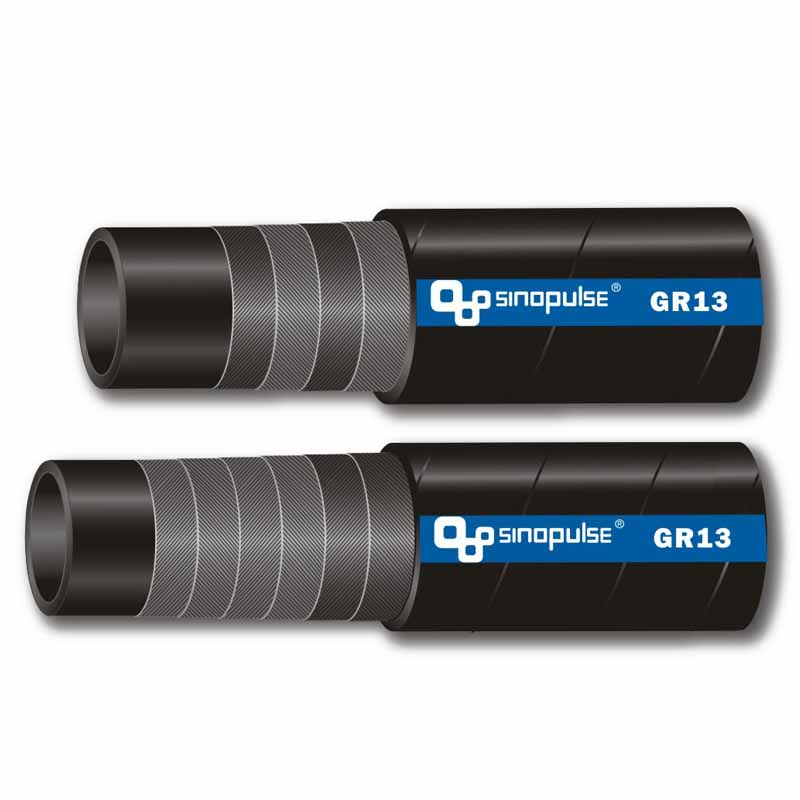
The core construction of a custom hydraulic rubber hose typically comprises several layers, each contributing to its overall performance. The inner tube, the layer in direct contact with the fluid, is commonly formulated from synthetic rubbers such as nitrile (NBR), ethylene propylene diene monomer (EPDM), or fluorocarbon (FKM/Viton). NBR provides excellent resistance to petroleum-based fluids, while EPDM offers superior resistance to heat, ozone, and weathering. FKM provides the highest level of chemical resistance, but at a higher cost. The reinforcement layer provides the hose’s pressure handling capability. Braiding, typically constructed from high-tensile steel wire, is the most common reinforcement method. Spiral reinforcement, utilizing steel wire wound in a helical pattern, is used for higher pressure applications. The outer cover, often made from synthetic rubber like chloroprene (CR), protects the reinforcement layer from abrasion, weathering, and chemical exposure.
Manufacturing processes for custom hoses involve precision extrusion of the inner tube and outer cover, followed by the application of the reinforcement layer. Braiding machines interweave the steel wire according to a specified pattern and density, directly impacting burst pressure. Spiral winding utilizes specialized machinery to precisely apply the steel wire around the inner tube. Critical parameters during manufacturing include maintaining consistent rubber compound viscosity, accurate braiding tension, and precise control of cure temperature and pressure during vulcanization. Quality control measures include dimensional checks, pressure testing to 1.5 times the working pressure, and impulse testing to simulate dynamic loading. Improper curing can lead to reduced elasticity and premature failure. Incorrect braid tension can compromise the hose’s ability to withstand pressure surges. Adherence to ISO 3862 standards for hydraulic hose dimensions is critical.

Performance & Engineering
The performance of a custom hydraulic hose is dictated by several key engineering considerations. Burst pressure, working pressure, and impulse pressure ratings are fundamental. Burst pressure represents the maximum pressure the hose can withstand before failure; working pressure is a fraction of the burst pressure, typically 50-75%, representing the safe operating limit. Impulse pressure refers to the hose’s ability to withstand pressure spikes or pulsations. Force analysis involves calculating the tensile forces generated within the hose due to internal pressure, bending radius, and dynamic loading. A tighter bending radius increases stress concentration, reducing the hose's lifespan.
Environmental resistance is also crucial. Exposure to extreme temperatures, UV radiation, ozone, and corrosive chemicals can degrade the rubber compounds. Proper material selection, such as using FKM for aggressive fluids or CR for ozone exposure, is essential. Compliance requirements vary by industry and region. For example, the automotive industry often mandates hoses meeting SAE J517 standards. The aerospace industry requires stringent testing and traceability per AS9100 standards. Additionally, considerations like fluid compatibility must address the specific characteristics of the hydraulic fluid, including viscosity, temperature range, and chemical composition. Incompatibility can lead to swelling, softening, or degradation of the inner tube, resulting in leakage or failure.
Technical Specifications
| Parameter | Unit | Typical Value (NBR Inner Tube, Steel Wire Braid) | Typical Value (FKM Inner Tube, Spiral Steel Wire) |
|---|---|---|---|
| Working Pressure | PSI | 2000 | 5000 |
| Burst Pressure | PSI | 8000 | 20000 |
| Temperature Range | °F | -40 to 212 | -20 to 450 |
| Inner Diameter | inches | 0.5 - 4.0 | 0.5 - 6.0 |
| Outer Diameter | inches | 0.75 - 5.0 | 1.0 - 7.0 |
| Minimum Bend Radius | inches | 4 - 12 | 6 - 18 |
Failure Mode & Maintenance
Custom hydraulic hoses are susceptible to various failure modes. Fatigue cracking, initiated by repeated bending and flexing, is a common failure mechanism, particularly near end fittings. Delamination, the separation of layers within the hose construction, can occur due to improper bonding during manufacturing or exposure to incompatible fluids. Degradation of the rubber compounds, caused by heat, ozone, UV radiation, or chemical attack, reduces the hose’s flexibility and strength. Oxidation can lead to hardening and cracking of the outer cover. Abrasion can damage the outer cover, exposing the reinforcement layer to corrosion.
Preventive maintenance is critical to maximizing hose lifespan. Regular visual inspections should identify signs of cracking, swelling, abrasion, or leakage. Proper routing and support are essential to minimize bending stress and abrasion. Using the correct end fittings and tightening them to the specified torque prevents leakage and reduces stress concentration. Avoid exceeding the hose's working pressure and temperature limits. Regularly check fluid compatibility to ensure the hose material is suitable for the hydraulic fluid in use. If damage is detected, the hose should be replaced immediately. Proper storage, away from direct sunlight, heat sources, and ozone-generating equipment, is also crucial. Implementing a scheduled hose replacement program, based on operating hours or a predetermined time interval, can further enhance reliability.
Industry FAQ
Q: What factors should I consider when selecting a rubber compound for a custom hydraulic hose intended for use with phosphate ester-based hydraulic fluid?
A: Phosphate ester fluids are highly aggressive and require exceptional chemical resistance. Standard NBR or EPDM are unsuitable. Fluorocarbon (FKM/Viton) is the recommended material for both the inner tube and, ideally, the outer cover, to prevent swelling, degradation, and leakage. Furthermore, the reinforcement braiding should be encapsulated to prevent corrosion from fluid ingress. Careful consideration of the specific phosphate ester formulation is necessary, as variations exist.
Q: How does hose length affect pressure ratings, and what considerations should be made for long hose runs?
A: Longer hose lengths experience increased pressure drop due to frictional losses. Furthermore, increased length introduces greater flexibility and susceptibility to vibration, potentially leading to fatigue failure. For long hose runs, consider using a larger inner diameter to reduce pressure drop. Provide adequate support to prevent kinking and abrasion, and utilize anti-vibration clamps to dampen oscillations.
Q: What are the implications of using an improper bending radius for a hydraulic hose?
A: Exceeding the minimum recommended bending radius induces stress concentration in the hose wall, significantly reducing its lifespan and burst pressure. Repeated bending beyond the allowable radius can lead to fatigue cracking and premature failure. Always adhere to the manufacturer's specified minimum bend radius, and ensure adequate clearance for hose movement during operation.
Q: What are the key differences between braided and spiral reinforcement in hydraulic hoses, and when would I choose one over the other?
A: Braided reinforcement is suitable for moderate pressure applications and offers good flexibility. Spiral reinforcement provides significantly higher pressure ratings, but typically exhibits less flexibility. Choose braided reinforcement for applications requiring frequent bending or tight routing. Opt for spiral reinforcement when high pressure and impulse pressures are critical, and flexibility is less of a concern.
Q: How can I ensure proper end fitting attachment to a custom hydraulic hose to prevent leakage and failure?
A: Utilize end fittings specifically designed for the hose material and pressure rating. Employ a proper crimping process using calibrated tooling and dies to achieve a secure and leak-proof connection. Adhere strictly to the manufacturer’s recommended crimp specifications. Avoid over-crimping, which can damage the hose reinforcement, or under-crimping, which can lead to leakage. Regular torque checks are vital to maintain seal integrity.
Conclusion
Custom hydraulic rubber hose represents a sophisticated engineered product crucial for reliable fluid power transmission. Proper material selection, precision manufacturing, and meticulous attention to engineering principles are essential to ensure optimal performance and longevity. Understanding the potential failure modes and implementing a robust preventative maintenance program are critical for minimizing downtime and maximizing operational efficiency. The complexity of these systems demands a thorough understanding of fluid compatibility, pressure ratings, and environmental factors.
Future trends in hydraulic hose technology focus on lightweight materials, improved chemical resistance, and enhanced sensor integration for real-time monitoring of hose condition. The development of self-healing rubber compounds and smart hoses with integrated leak detection systems hold significant promise for improving reliability and reducing maintenance costs. Ultimately, the effective implementation of custom hydraulic hose solutions requires a collaborative approach between engineers, procurement specialists, and hose manufacturers to address specific application requirements and ensure long-term operational success.