


custom coal mining hoses company Performance Analysis

Introduction
Coal mining hoses are specialized fluid conveyance systems designed to withstand the extreme conditions inherent in underground and surface coal extraction. These hoses differ significantly from standard industrial hoses due to the unique demands of the coal mining environment, including abrasive materials, high pressures, potential exposure to flammable gases, and rigorous safety regulations. They are critical components in hydraulic systems powering mining equipment – longwall shearers, continuous miners, power supports, and conveyance systems – and are also employed in water and slurry transfer applications. This technical guide provides a comprehensive overview of coal mining hose construction, material science, performance characteristics, failure modes, maintenance protocols, and relevant industry standards. The core performance of these hoses centers on burst pressure, abrasion resistance, oil resistance, and flame resistance, representing significant challenges in material selection and manufacturing. Failure can lead to costly downtime, environmental hazards, and, most critically, safety risks for mine personnel.
Material Science & Manufacturing
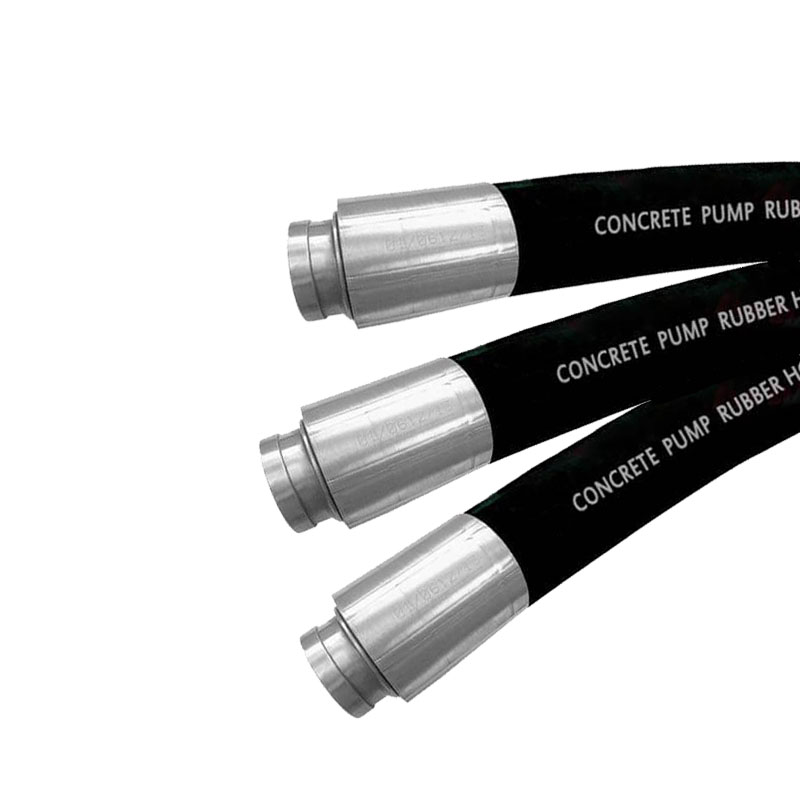
The construction of coal mining hoses typically involves multiple layers, each contributing specific performance characteristics. The core tube, in direct contact with the conveyed fluid, is commonly constructed from synthetic rubbers like nitrile (NBR), chloroprene (CR – Neoprene), or ethylene propylene diene monomer (EPDM) chosen for their oil, water, and chemical resistance. NBR offers excellent resistance to petroleum-based fluids, while CR provides superior resistance to weathering and ozone. EPDM is frequently used for water and steam applications. Reinforcement layers are crucial for withstanding high pressures and preventing hose collapse. These layers commonly comprise multiple plies of high-tensile steel wire (spiral or braided) or textile reinforcement such as polyester or aramid fibers. Steel wire provides the highest pressure capacity, but also increases hose weight and reduces flexibility. Aramid fibers offer a high strength-to-weight ratio but are more susceptible to degradation from abrasion. The cover layer provides external protection against abrasion, weathering, and chemical attack. Commonly used cover materials include CR, NBR, and polyurethane. Flame-resistant (FR) compounds are frequently incorporated into the cover formulation to mitigate fire hazards in underground mining environments. Manufacturing processes include extrusion of the inner tube and cover, followed by spiral winding or braiding of the reinforcement layers. Critical parameter control during manufacturing includes precise control of rubber compound mixing ratios, wire tension during winding, and vulcanization (curing) time and temperature to ensure optimal bond strength and material properties. Post-manufacturing testing involves hydrostatic testing to verify burst pressure and leak testing to ensure integrity.
Performance & Engineering
The performance of coal mining hoses is dictated by a complex interplay of forces and environmental factors. Force analysis centers on burst pressure, which is determined by the reinforcement layer construction and material strength. Hose selection must account for the maximum system pressure and a significant safety factor (typically 4:1). Abrasion resistance is paramount due to the presence of coal dust and rock fragments. The cover material and reinforcement layer arrangement significantly impact abrasion performance. Flexibility is also critical, particularly in tight spaces within mining equipment. Hose bend radius should be carefully considered to prevent kinking and fatigue failure. Environmental resistance encompasses resistance to oils, fuels, hydraulic fluids, and corrosive chemicals commonly found in mining operations. Furthermore, the hoses must withstand temperature extremes – from sub-zero temperatures in winter to elevated temperatures near machinery. Compliance requirements are stringent, governed by organizations like MSHA (Mine Safety and Health Administration) in the United States and equivalent regulatory bodies internationally. These regulations specify requirements for flame resistance, burst pressure, and material traceability. Functional implementation requires precise hose routing and proper fitting selection to minimize stress concentrations and prevent leaks. Hose assemblies must be regularly inspected for wear, damage, and proper torque on fittings.
Technical Specifications
| Parameter | Unit | Typical Value (NBR Lined, Steel Wire Reinforced) | Typical Value (EPDM Lined, Textile Reinforced) |
|---|---|---|---|
| Working Pressure | PSI | 5,000 | 3,000 |
| Burst Pressure | PSI | 20,000 | 12,000 |
| Temperature Range | °F | -40 to 212 | -50 to 250 |
| Abrasion Resistance (Taber Abrasion Index) | mg loss | < 50 | 80-120 |
| Oil Resistance (ASTM D792) | % Volume Change | < ±5 | < ±10 |
| Flame Resistance (UL94 V-0) | Classification | Pass | Pass |
Failure Mode & Maintenance
Coal mining hoses are susceptible to various failure modes. Fatigue cracking, particularly near fittings and bend points, is a common issue resulting from cyclical pressure and flexing. Delamination of reinforcement layers can occur due to improper bonding during manufacturing or exposure to harsh chemicals. Degradation of the rubber compounds due to ozone exposure, UV radiation, and chemical attack leads to loss of flexibility and eventual cracking. Abrasion wear on the cover reduces its protective capability and exposes the reinforcement layers to corrosion. Oxidation of steel wire reinforcement can compromise its strength. Pinholes and leaks can develop due to damage from sharp objects or internal corrosion. Maintenance solutions include regular visual inspection for cuts, abrasions, swelling, and leaks. Hose assemblies should be pressure tested periodically to verify integrity. Proper storage is crucial to prevent ozone degradation and UV damage. Avoid kinking or over-bending hoses. Fittings should be inspected for corrosion and proper torque. Replace hoses immediately if any signs of damage or degradation are observed. Document all inspections and maintenance activities for traceability and compliance purposes. A preventative maintenance schedule is highly recommended.
Industry FAQ
Q: What is the significance of MSHA approval for coal mining hoses?
A: MSHA (Mine Safety and Health Administration) approval signifies that the hose meets rigorous safety standards specific to the coal mining environment. This includes flame resistance testing, burst pressure verification, and material traceability requirements. Using MSHA-approved hoses is legally mandated in many mining operations and is crucial for ensuring worker safety and regulatory compliance.
Q: How does the choice of reinforcement material (steel wire vs. textile) impact hose performance?
A: Steel wire reinforcement offers significantly higher burst pressure capability and resistance to collapse under vacuum conditions. However, it makes the hose heavier and less flexible. Textile reinforcement (aramid or polyester) provides a higher strength-to-weight ratio and greater flexibility but has a lower pressure rating. The optimal choice depends on the specific application requirements and operating pressures.
Q: What is the impact of hydraulic fluid compatibility on hose longevity?
A: Incompatible hydraulic fluids can cause swelling, softening, or cracking of the hose inner tube, leading to premature failure. It's essential to select a hose with an inner tube material compatible with the specific hydraulic fluid used in the system. Refer to chemical compatibility charts to ensure appropriate material selection.
Q: How can I identify potential abrasion wear on a coal mining hose?
A: Regularly inspect the hose cover for cuts, abrasions, and thinning. Pay close attention to areas where the hose is in contact with abrasive materials or rocks. Use a thickness gauge to measure the cover thickness and identify areas of significant wear. Look for exposed reinforcement layers, which indicate critical wear and necessitate immediate replacement.
Q: What is the best practice for storing unused coal mining hoses?
A: Store unused hoses in a cool, dry, and dark location away from direct sunlight, ozone sources (e.g., electric motors), and extreme temperatures. Protect hoses from physical damage and ensure they are not subjected to prolonged bending or compression. Ideally, store hoses in a coiled position to prevent kinking.
Conclusion
Coal mining hoses represent a critical safety component in a demanding industrial environment. Proper selection, based on a thorough understanding of material science, engineering principles, and regulatory requirements, is paramount. The interplay between burst pressure, abrasion resistance, chemical compatibility, and flame resistance dictates the optimal hose configuration for each specific application. Ignoring these factors can lead to catastrophic failure, resulting in downtime, environmental hazards, and, most importantly, risk to personnel.
The future of coal mining hose technology will likely focus on the development of lighter-weight, more durable materials with enhanced abrasion resistance and improved flame retardancy. Advancements in composite materials and polymer technology will play a key role in achieving these goals. Continuous monitoring and predictive maintenance strategies, enabled by sensor technology and data analytics, will further enhance hose reliability and safety. Adherence to industry standards and best practices, coupled with ongoing innovation, remains essential for ensuring the safe and efficient operation of coal mining operations.