


china smooth cover hydraulic hose manufacturers Performance Analysis
Introduction
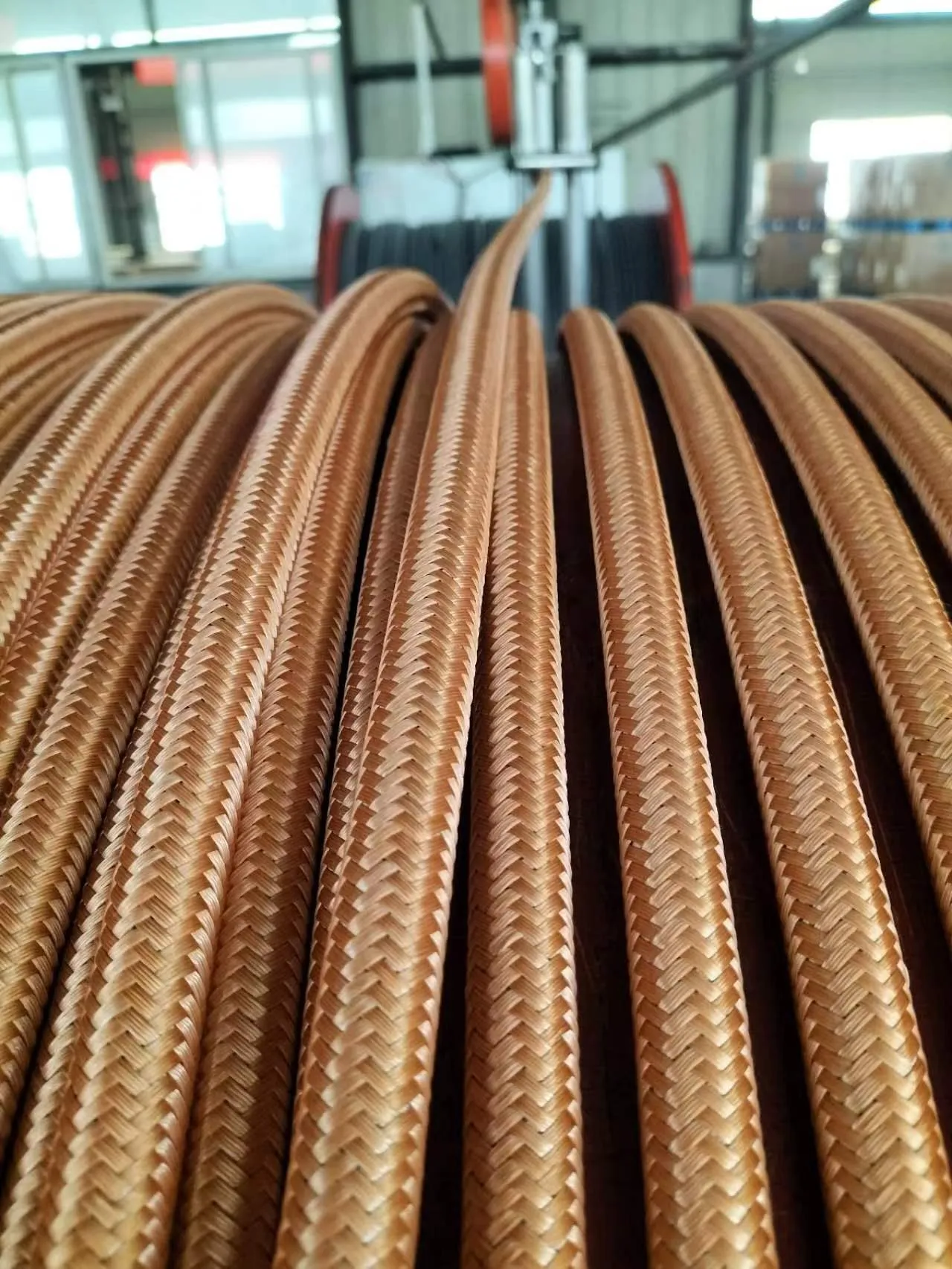
Smooth cover hydraulic hose, manufactured extensively in China, represents a critical component in hydraulic power transmission systems across diverse industrial applications. These hoses are specifically engineered to convey pressurized hydraulic fluid, enabling the operation of heavy machinery in sectors such as construction, agriculture, manufacturing, and material handling. Their technical position within the industry chain is as a final assembly element, reliant on upstream production of synthetic rubber compounds, reinforcement materials (typically steel wire), and cover materials. Core performance characteristics center around pressure rating, burst pressure, temperature resistance, fluid compatibility, and abrasion resistance. A key pain point for end-users is consistently achieving reliable performance under extreme operating conditions and ensuring long service life, demanding stringent quality control from Chinese manufacturers and adherence to international standards. The smooth cover distinguishes this hose type, offering reduced friction loss compared to textured covers, vital for maintaining efficient hydraulic system operation.
Material Science & Manufacturing
The foundation of smooth cover hydraulic hose lies in the careful selection and processing of constituent materials. The inner tube is typically constructed from synthetic rubbers, primarily Nitrile Rubber (NBR) due to its excellent oil resistance, or Ethylene Propylene Diene Monomer (EPDM) for phosphate ester-based fluids. NBR’s chemical structure (polyacrylonitrile) allows it to withstand degradation from petroleum-based hydraulic fluids. The reinforcement layer is crucial for pressure containment. High-tensile steel wire, either single-wire or multi-wire braided configurations, is commonly used. The number of layers directly correlates with the hose's maximum working pressure. The cover, providing abrasion and weather resistance, is typically a blend of synthetic rubbers such as Chloroprene (CR) or Styrene-Butadiene Rubber (SBR). Manufacturing involves several key processes. The inner tube is extruded, followed by the application of the reinforcement layer via a spiral winding or braiding machine. Precise tension control during reinforcement application is paramount to prevent premature failure. The outer cover is then extruded over the reinforcement, followed by vulcanization – a heat-curing process that crosslinks the rubber polymers, imparting elasticity and strength. Critical parameters during vulcanization include temperature, pressure, and cure time. Post-vulcanization testing includes hydrostatic pressure testing, impulse testing, and dimensional checks to ensure compliance with specifications. Quality control also extends to raw material sourcing, focusing on consistency of rubber compounds and steel wire tensile strength.

Performance & Engineering
Hydraulic hose performance is dictated by a complex interplay of material properties and engineering design. Force analysis considers both static and dynamic loads. Static loads include the continuous operating pressure, while dynamic loads encompass pressure surges (hydraulic shock) and mechanical stresses from bending, twisting, and vibration. Burst pressure, typically four times the working pressure, is a critical safety factor. Environmental resistance is equally important. Exposure to extreme temperatures (high and low), ozone, ultraviolet radiation, and corrosive chemicals can degrade the rubber compounds. The smooth cover contributes to reduced friction loss during fluid flow, optimizing energy efficiency. However, it’s also more susceptible to abrasion than textured covers, necessitating careful application considerations. Compliance requirements are stringent. Hoses must meet standards set by organizations like SAE International (J517, J518) and EN 853, which specify testing procedures and performance criteria. Functional implementation demands correct hose assembly. Improper crimping of fittings can lead to leakage or premature failure. Hose routing is also critical to avoid excessive bending, twisting, or contact with abrasive surfaces. Proper hose guards should be employed in high-wear areas.
Technical Specifications
| Parameter | Unit | SAE 100R2 AT | SAE 100R6 AT |
|---|---|---|---|
| Working Pressure | MPa | 10.5 | 21 |
| Burst Pressure | MPa | 31.5 | 63 |
| Temperature Range | °C | -40 to +100 | -40 to +100 |
| Inner Tube | Material | NBR | NBR |
| Reinforcement | Material | Single Wire Braid | Multiple Wire Braid |
| Cover | Material | Smooth CR | Smooth CR |
Failure Mode & Maintenance
Failure modes in smooth cover hydraulic hoses are diverse and often interconnected. Fatigue cracking, initiated by cyclic pressure fluctuations and mechanical stresses, is a common occurrence. Delamination, the separation of reinforcement layers, can occur due to improper bonding during manufacturing or exposure to corrosive fluids. Degradation of the rubber compounds, caused by exposure to extreme temperatures, ozone, or UV radiation, reduces elasticity and strength. Oxidation leads to hardening and cracking of the rubber. Abrasion wears away the cover, exposing the reinforcement layer to corrosion. Improper installation, particularly incorrect crimping of fittings, creates stress concentrations and accelerates failure. Internal hose erosion can occur due to particulate contamination in the hydraulic fluid. Maintenance is crucial for extending hose life. Regular visual inspections should identify signs of cracking, abrasion, or swelling. Pressure testing can reveal leaks. Hydraulic fluid should be regularly analyzed for contamination and replaced as needed. Hose routing should be periodically checked and adjusted to minimize stress. Damaged hoses should be replaced immediately. Utilizing proper hose guards and employing preventative maintenance schedules are critical for minimizing downtime and ensuring safe operation.
Industry FAQ
Q: What is the impact of steel wire braid construction on hydraulic hose performance?
A: The number of layers and the type of steel wire braid directly impact the hose’s pressure rating and flexibility. Single-wire braid hoses are generally more flexible but have lower pressure ratings compared to multi-wire braid hoses, which offer higher strength but reduced flexibility. Choosing the correct braid construction depends on the specific application’s pressure and bend radius requirements.
Q: How does temperature affect the service life of a smooth cover hydraulic hose?
A: Extreme temperatures, both high and low, significantly degrade rubber compounds. High temperatures accelerate oxidation and reduce elasticity, while low temperatures can cause rubber to become brittle and crack. Exceeding the hose’s specified temperature range will drastically reduce its service life.
Q: What fluid compatibility considerations are crucial when selecting a hydraulic hose?
A: Using a hose with incompatible fluids will cause the inner tube to swell, soften, or degrade, leading to leakage and premature failure. NBR is suitable for petroleum-based fluids, while EPDM is better suited for phosphate ester fluids. Always verify fluid compatibility before installation.
Q: What are the best practices for preventing abrasion damage to smooth cover hydraulic hoses?
A: Smooth covers are more susceptible to abrasion than textured covers. Employing hose guards in areas prone to wear, ensuring proper hose routing away from abrasive surfaces, and regularly inspecting the cover for damage are crucial preventative measures.
Q: How often should hydraulic hoses be replaced as part of a preventative maintenance program?
A: Replacement frequency depends on the severity of the application and operating conditions. Generally, hoses should be inspected annually and replaced every 5-7 years, or sooner if signs of damage are detected. Critical applications may require more frequent replacement intervals.
Conclusion
Smooth cover hydraulic hose manufactured in China constitutes a vital link in countless hydraulic systems. Achieving optimal performance and longevity requires a comprehensive understanding of material science, manufacturing processes, and potential failure modes. Proper material selection – prioritizing rubber compounds appropriate for the conveyed fluid and steel reinforcement capable of withstanding operating pressures – is foundational. Careful control of manufacturing parameters, particularly during vulcanization, is equally important.
Looking ahead, advancements in rubber technology and reinforcement materials will continue to enhance hose performance. The integration of smart sensors for real-time pressure and temperature monitoring will further optimize maintenance schedules and prevent catastrophic failures. Adherence to stringent international standards and a commitment to quality control by Chinese manufacturers will be essential to maintaining competitiveness in the global market.