


cheap flexible rubber hydraulic hose pricelist Performance Analysis

Introduction
Flexible rubber hydraulic hose is a critical component in hydraulic systems across diverse industries, including construction, agriculture, manufacturing, and automotive. These hoses transmit fluid power, enabling the operation of machinery and equipment. “Cheap” in this context refers to a price point focused on value engineering, prioritizing cost-effectiveness without necessarily compromising essential performance characteristics for standard industrial applications. This guide provides a comprehensive technical overview of cheap flexible rubber hydraulic hoses, encompassing material science, manufacturing processes, performance parameters, failure modes, and relevant industry standards. The core performance of these hoses revolves around their ability to withstand high pressures, maintain flexibility under varying temperatures, and resist degradation from exposure to hydraulic fluids and environmental factors. A key pain point in the industry is balancing cost with reliability, particularly in applications where hose failure can lead to significant downtime and safety hazards. This document is intended for procurement managers, engineers, and maintenance personnel seeking a detailed understanding of these hoses to make informed decisions.
Material Science & Manufacturing
The primary material constituents of a cheap flexible rubber hydraulic hose are synthetic rubber (typically SBR - Styrene-Butadiene Rubber, or NBR - Nitrile Butadiene Rubber), reinforcing layers, and an outer cover. SBR is commonly used for its cost-effectiveness and general-purpose resilience, while NBR offers superior resistance to petroleum-based hydraulic fluids. The choice between these rubbers directly impacts chemical compatibility and operational lifespan. Reinforcing layers are crucial for withstanding internal pressure. These commonly consist of multiple plies of high-tensile steel wire, spirally or braided, which contribute significantly to burst pressure ratings. Cheaper hoses may utilize fewer plies or a less robust wire gauge. The outer cover is generally composed of a synthetic rubber compound, such as EPDM (Ethylene Propylene Diene Monomer) for weather and ozone resistance, or SBR for abrasion resistance.
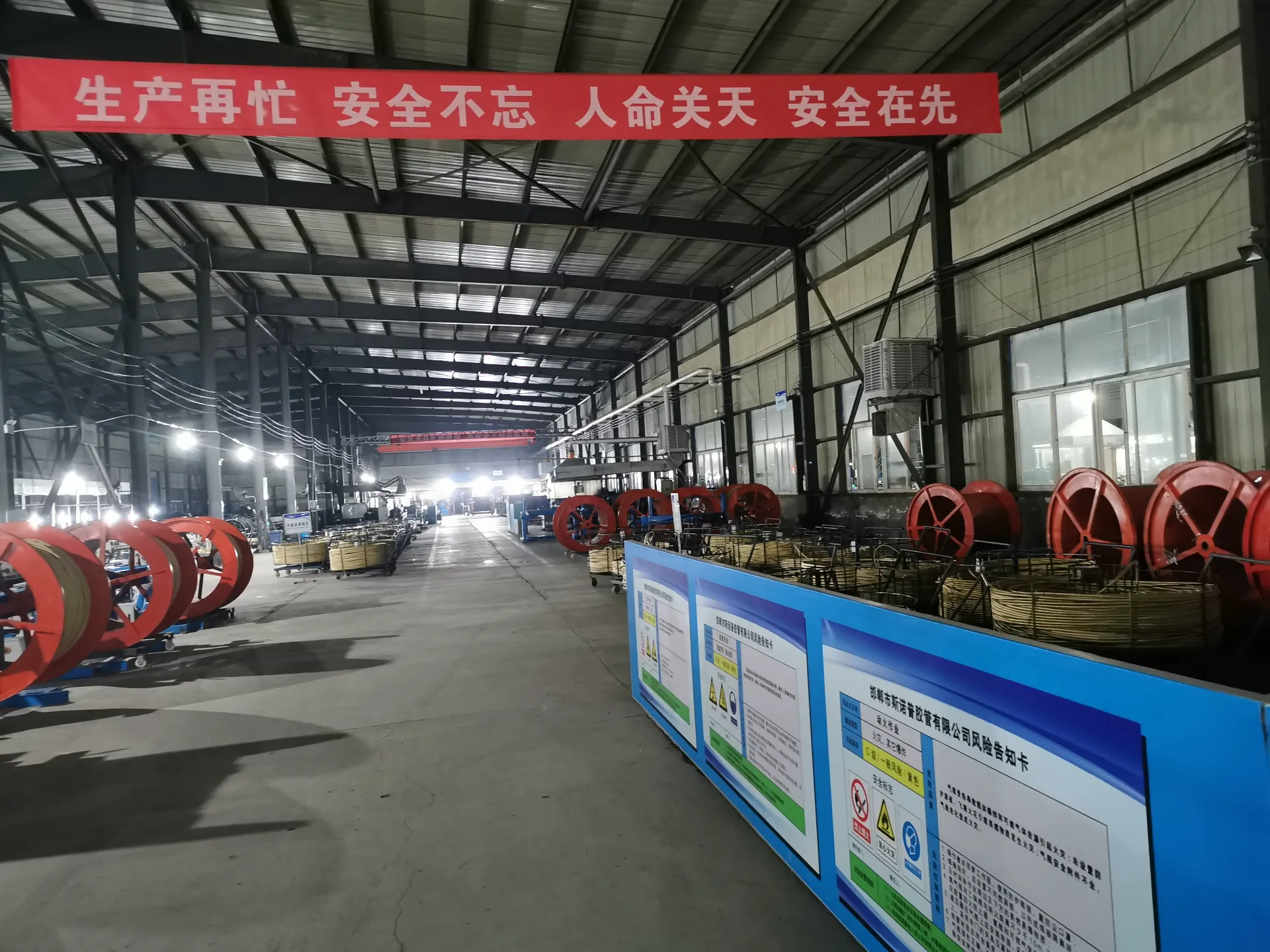
Manufacturing involves several key steps: inner tube extrusion, reinforcement layer winding/braiding, outer cover extrusion, and end fitting crimping. Extrusion parameters – temperature, pressure, and die design – critically influence the uniformity and dimensional accuracy of the rubber layers. The winding or braiding process must ensure consistent tension and coverage of the reinforcement wires to prevent localized stress concentrations. Crimping, the attachment of fittings to the hose ends, is arguably the most critical process, as a faulty crimp can lead to immediate or premature failure. Proper crimp calibration, using standardized dies and procedures, is essential. Parameter control during manufacturing focuses on maintaining consistent rubber compound formulations, achieving precise layer thicknesses, and ensuring secure and leak-proof fitting attachment. Chemical compatibility testing of the rubber compounds with common hydraulic fluids (ISO 6945) is a critical quality control step.
Performance & Engineering
The performance of a flexible rubber hydraulic hose is dictated by its ability to withstand internal pressure, external pressure, temperature variations, and fluid compatibility. Burst pressure, the maximum pressure the hose can withstand before failure, is a key performance metric, directly related to the number and gauge of reinforcing layers. Working pressure, typically a fraction of the burst pressure (often specified as a 4:1 safety factor), defines the safe operating limit. Flexibility, measured by bend radius, is crucial for routing the hose in confined spaces. Lower-cost hoses often exhibit a larger bend radius, limiting their applicability in tight installations. Environmental resistance, specifically to ozone, UV radiation, and temperature extremes, impacts the hose's longevity. Engineering considerations include force analysis to determine stress distribution under pressure and bending, ensuring the hose doesn't exceed its elastic limit. Fatigue life, the number of pressure cycles the hose can endure before failure, is critical in dynamic applications. Compliance requirements, such as those mandated by SAE J517 (for automotive applications) and EN 853/857 (for industrial applications), dictate minimum performance standards and testing procedures.
The fundamental equation governing pressure containment is the thin-walled cylinder formula: σ = (Pr) / t, where σ is the hoop stress, P is the internal pressure, r is the inner radius, and t is the wall thickness. Increasing wall thickness (t) or decreasing inner radius (r) increases the hose’s burst pressure capacity. However, this also impacts flexibility. Temperature affects rubber elasticity; elevated temperatures reduce tensile strength and increase susceptibility to degradation, while low temperatures can cause embrittlement. Understanding these relationships is crucial for selecting the appropriate hose for the intended application.
Technical Specifications
| Parameter | Unit | Typical Value (Low-Cost Hose) | Typical Value (Mid-Range Hose) |
|---|---|---|---|
| Working Pressure | PSI | 1500 | 2500 |
| Burst Pressure | PSI | 4500 | 7500 |
| Inner Diameter | inch | 0.5 - 1.0 | 0.5 - 2.0 |
| Outer Diameter | inch | 0.75 - 1.25 | 1.0 - 2.5 |
| Reinforcement Type | - | Single Wire Braid | Double Wire Braid / Spiral |
| Temperature Range | °F | -40 to +212 | -40 to +250 |
Failure Mode & Maintenance
Common failure modes for cheap flexible rubber hydraulic hoses include burst failure (due to exceeding working pressure), fitting blow-off (due to improper crimping or corrosion), kinking (reducing flow and potentially causing internal damage), abrasion (caused by external contact with abrasive surfaces), and degradation (due to chemical attack or environmental exposure). Burst failures typically initiate at weak points in the hose wall, such as imperfections in the rubber compound or localized stress concentrations around reinforcement wires. Fitting blow-off is often caused by corrosion of the fitting or inadequate crimp strength. Kinking occurs when the hose is bent beyond its minimum bend radius, causing internal damage to the reinforcement layers. Oxidation and ozone cracking can lead to surface fissures and eventual failure of the rubber compound. Fatigue cracking, resulting from repeated pressure cycling, is another significant failure mechanism.
Preventive maintenance involves regular visual inspection for signs of damage, such as cuts, abrasions, cracks, and leaks. Check fittings for corrosion and ensure proper tightness. Avoid exceeding the hose's working pressure. Implement a hose replacement schedule based on operating conditions and usage frequency. Store hoses in a cool, dry, and dark environment to minimize degradation. When replacing a hose, always use fittings specifically designed for that hose type and ensure proper crimping. Proper hose routing, avoiding sharp bends and contact with abrasive surfaces, is also essential. If a hose shows any signs of damage, it should be removed from service immediately and replaced. Implement a fluid analysis program to detect contaminants that may accelerate hose degradation.
Industry FAQ
Q: What is the primary difference between SBR and NBR rubber in hydraulic hoses?
A: SBR (Styrene-Butadiene Rubber) is more cost-effective and provides good general-purpose resistance. NBR (Nitrile Butadiene Rubber) offers significantly better resistance to petroleum-based hydraulic fluids, making it suitable for applications where fluid compatibility is paramount, though at a higher cost. SBR is prone to swelling and degradation when exposed to certain hydraulic fluids.
Q: How does the number of reinforcement layers impact the hose’s performance?
A: Increasing the number of reinforcement layers directly increases the hose's burst pressure capacity and resistance to deformation under pressure. Each layer contributes to the overall strength and stiffness of the hose. However, more layers generally reduce flexibility.
Q: What causes fitting blow-off and how can it be prevented?
A: Fitting blow-off is typically caused by improper crimping during assembly, corrosion of the fitting or hose end, or exceeding the hose's pressure limits. Prevention involves ensuring proper crimp calibration, using corrosion-resistant fittings, maintaining the hose within its working pressure range, and regular inspection for corrosion.
Q: What is the recommended bend radius for a typical flexible rubber hydraulic hose?
A: The recommended bend radius varies depending on the hose's diameter and construction. Generally, a minimum bend radius of 6-8 times the hose's inner diameter is recommended to avoid kinking and internal damage. Consult the manufacturer's specifications for specific recommendations.
Q: How does temperature affect the lifespan of a rubber hydraulic hose?
A: Elevated temperatures can accelerate rubber degradation, reducing its tensile strength and increasing its susceptibility to cracking. Low temperatures can cause embrittlement, making the hose more prone to failure upon flexing. Maintaining the hose within its specified temperature range is crucial for maximizing its lifespan.
Conclusion
Cheap flexible rubber hydraulic hoses represent a cost-effective solution for a wide range of hydraulic applications. However, understanding their limitations and the critical factors influencing their performance is crucial for ensuring safe and reliable operation. Material selection, manufacturing quality, and proper maintenance practices are all essential considerations. Lower-cost hoses typically trade off some performance characteristics – such as burst pressure, temperature range, and flexibility – for affordability.
Procurement decisions should be based on a thorough assessment of application requirements, balancing cost with the necessary performance and safety features. Implementing a proactive maintenance program, including regular inspections and timely hose replacement, is paramount for preventing failures and minimizing downtime. Continuous monitoring of industry standards and advancements in hose technology will further optimize selection and lifespan.