


ce certification r1/1sn hose pricelist Performance Analysis
Introduction
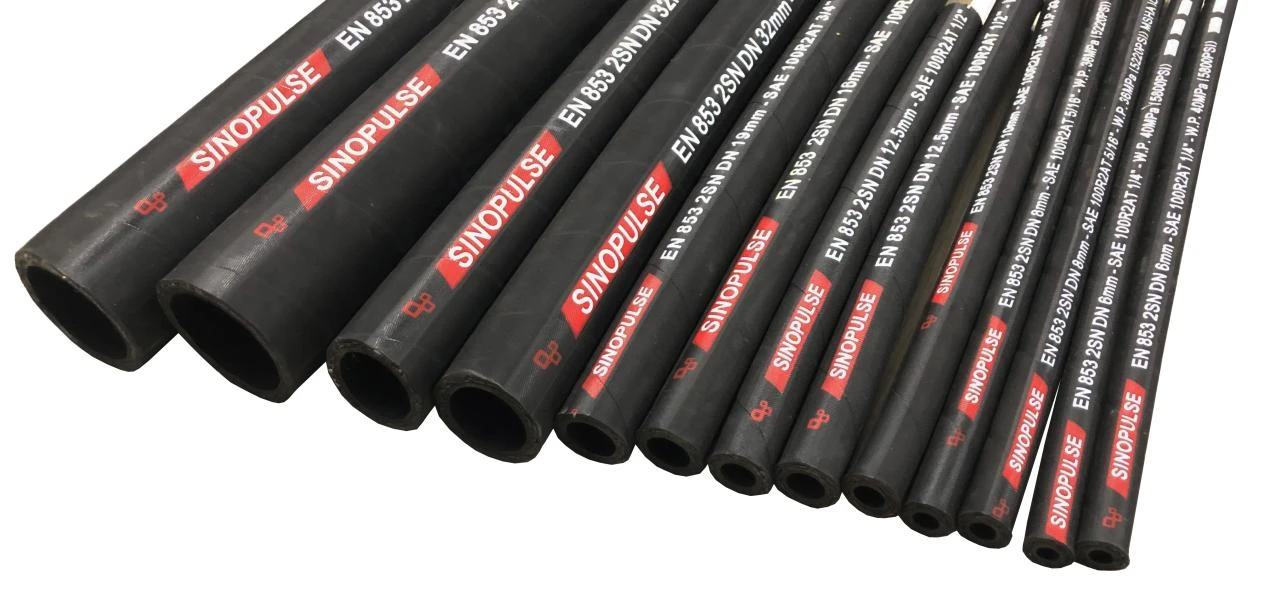
The R1/1SN hydraulic hose, compliant with CE certification, represents a critical component in fluid power systems across diverse industrial applications. Positioned within the hydraulic system's conveyance chain, this hose is engineered to transmit hydraulic fluid under significant pressure, facilitating the operation of machinery in sectors such as construction, agriculture, material handling, and manufacturing. Its core performance characteristics are defined by its working pressure, burst pressure, temperature range, and resistance to hydraulic fluid compatibility. The ‘1SN’ designation specifies a single wire braid reinforcement construction, offering a balance of flexibility and pressure handling capability. CE certification confirms adherence to European health, safety, and environmental protection standards, ensuring a baseline of quality and safety for operation within the European Economic Area. This guide provides an in-depth technical analysis of the R1/1SN hose, covering material science, manufacturing processes, performance characteristics, potential failure modes, and relevant industry standards.
Material Science & Manufacturing
The R1/1SN hose construction typically involves four key layers: the inner tube, reinforcement, outer cover, and potentially an intermediate layer. The inner tube is commonly formulated from a blend of synthetic rubbers, primarily Nitrile (NBR) or Ethylene Propylene Diene Monomer (EPDM). NBR exhibits excellent resistance to petroleum-based hydraulic fluids, while EPDM offers superior resistance to heat, ozone, and weathering. The choice depends on the specific fluid compatibility requirements of the application. The reinforcement layer, denoted by the ‘1SN’ specification, consists of a single braid of high-strength steel wire. The steel wire is typically drawn from carbon steel, undergoing surface treatment (zinc coating is common) to inhibit corrosion. The outer cover is generally constructed from Chloroprene (CR) rubber, providing resistance to abrasion, ozone, weathering, and oil. Manufacturing begins with the extrusion of the inner tube and outer cover. The steel wire braid is then helically wound around a mandrel. The inner tube is subsequently inserted over the mandrel and braid, followed by the outer cover. Vulcanization, a chemical process involving heat and pressure, is then employed to crosslink the rubber compounds, imparting the final mechanical properties and ensuring a robust bond between the layers. Key parameter control during manufacturing includes precise control of rubber compound formulations, wire braid tension, and vulcanization temperature and duration. Inconsistent vulcanization can lead to compromised physical properties and premature failure.
Performance & Engineering
The performance of an R1/1SN hose is heavily dictated by its ability to withstand internal pressure, external pressure, temperature variations, and fluid compatibility. Force analysis involves calculating hoop stress within the inner tube under pressure, which is directly related to the hose’s diameter and working pressure. The steel wire braid provides tensile strength to counteract this hoop stress, preventing bursting. The hose’s bend radius is also a critical engineering parameter; exceeding the minimum bend radius can induce stress concentrations in the reinforcement layer, leading to fatigue failure. Environmental resistance encompasses the hose's ability to withstand exposure to ozone, UV radiation, and temperature fluctuations. Prolonged exposure to these elements can cause rubber degradation, resulting in cracking and reduced flexibility. Compliance requirements for CE certification mandate adherence to EN ISO 6897 (Hydraulic hoses – Textile reinforcement – Burst pressure testing) and EN ISO 6898 (Hydraulic hoses – Steel wire reinforcement – Burst pressure testing) which detail rigorous testing procedures for burst pressure, impulse pressure, and fatigue life. Functional implementation relies on proper hose assembly with compatible fittings, ensuring a leak-free and secure connection. Improper crimping can compromise the hose’s integrity and lead to catastrophic failure.
Technical Specifications
| Parameter | Typical Value (R1/1SN) | Units | Test Standard |
|---|---|---|---|
| Working Pressure | 20 | MPa | EN ISO 6897 |
| Burst Pressure | 80 | MPa | EN ISO 6897 |
| Temperature Range | -40 to +100 | °C | Manufacturer Specification |
| Inner Tube Material | NBR/EPDM | - | SAE J200 |
| Reinforcement | Single Steel Wire Braid | - | EN ISO 6898 |
| Outer Cover Material | CR | - | SAE J200 |
Failure Mode & Maintenance
Common failure modes in R1/1SN hoses include burst failure due to exceeding the working pressure, fatigue cracking originating from stress concentrations (often near fittings or at the bend radius), abrasion damage to the outer cover, and fluid incompatibility leading to inner tube degradation. Burst failure is typically catastrophic, resulting in sudden fluid release and potential injury. Fatigue cracking is a progressive process, starting as microscopic cracks that propagate under cyclic loading. Abrasion can compromise the protective outer layer, exposing the reinforcement to corrosion. Fluid incompatibility can cause swelling, softening, or cracking of the inner tube. Maintenance should focus on visual inspection for signs of damage (cracks, abrasion, swelling), regular leak checks, and proper hose routing to avoid excessive bending or kinking. Replacing hoses at recommended intervals (based on operating conditions and fluid type) is crucial. When replacing a hose, ensure compatibility with the hydraulic fluid and utilize appropriately sized and rated fittings. Avoid using damaged or corroded fittings, and always follow the manufacturer's instructions for assembly and installation. Proper storage of unused hoses in a cool, dry, and dark environment will extend their service life.
Industry FAQ
Q: What is the significance of the 'SN' designation in R1/1SN, and how does it affect hose performance?
A: The ‘SN’ designation indicates a single steel wire braid reinforcement. This construction provides a balance between flexibility and pressure handling capacity. Compared to hoses with multiple braids or spiral reinforcement, 1SN hoses offer greater flexibility, making them suitable for applications with tight bend radii. However, they have a lower pressure rating than hoses with more robust reinforcement.
Q: What types of hydraulic fluids are compatible with a typical R1/1SN hose (NBR inner tube)?
A: NBR inner tubes offer excellent compatibility with most petroleum-based hydraulic fluids, including mineral oils, lubricating oils, and hydraulic oils. However, they are not recommended for use with phosphate ester fluids, which can cause swelling and degradation of the NBR material. Always consult a fluid compatibility chart before selecting a hose for a specific application.
Q: How does temperature affect the performance and lifespan of an R1/1SN hose?
A: Temperature extremes can significantly impact hose performance. High temperatures accelerate rubber degradation and reduce the hose's pressure rating. Low temperatures can reduce flexibility and increase the risk of cracking. Operating the hose within its specified temperature range (-40°C to +100°C) is critical for maximizing its lifespan and ensuring safe operation.
Q: What are the best practices for inspecting an R1/1SN hose for potential failures?
A: Regular visual inspection should include checking for cracks, abrasion, swelling, or discoloration of the rubber components. Inspect fittings for leaks or corrosion. Pay close attention to areas near fittings and at bend radii, as these are common locations for failure initiation. Also, check for any signs of kinking or twisting.
Q: What is the impact of improper hose routing on the lifespan and safety of an R1/1SN hose?
A: Improper hose routing can lead to excessive bending, kinking, or abrasion, all of which can significantly reduce the hose’s lifespan and create safety hazards. Avoid sharp bends, ensure adequate clearance from moving parts, and use hose guards or clamps to prevent abrasion in areas prone to wear.
Conclusion
The R1/1SN hydraulic hose, when properly selected, installed, and maintained, provides a reliable and cost-effective solution for fluid power transmission. Its single steel wire braid construction offers a pragmatic balance of flexibility and pressure handling capabilities, suitable for a wide range of industrial applications. Understanding the material science behind its construction, the intricacies of its manufacturing process, and the potential failure modes is paramount for ensuring long-term performance and operational safety.
Adherence to relevant industry standards like EN ISO 6897 and 6898, coupled with proactive maintenance practices including regular visual inspections and fluid compatibility checks, are essential for mitigating risks and maximizing the service life of this critical hydraulic component. Continued advancements in rubber compound technology and manufacturing processes will likely lead to even more durable and reliable R1/1SN hoses in the future.