


ce certification ptfe hose products Performance Analysis

Introduction
Polytetrafluoroethylene (PTFE) hoses, particularly those bearing CE certification, represent a critical component in fluid transfer systems across diverse industrial applications. These hoses are distinguished by their exceptional chemical inertness, wide temperature range, and low coefficient of friction. The CE marking signifies conformity with health, safety, and environmental protection standards as stipulated by European legislation. Within the industrial chain, PTFE hoses operate as the crucial interface between fluid sources – pumps, reactors, or storage vessels – and the application points, be they hydraulic actuators, chemical processing equipment, or analytical instrumentation. Their core performance characteristics revolve around maintaining fluid integrity, preventing leaks, and withstanding aggressive environments. A key pain point within the industry lies in ensuring consistent material quality and manufacturing processes to guarantee reliable performance and compliance, avoiding costly downtime and potential safety hazards. The certification process validates the manufacturer’s adherence to rigorous testing and quality control protocols.
Material Science & Manufacturing
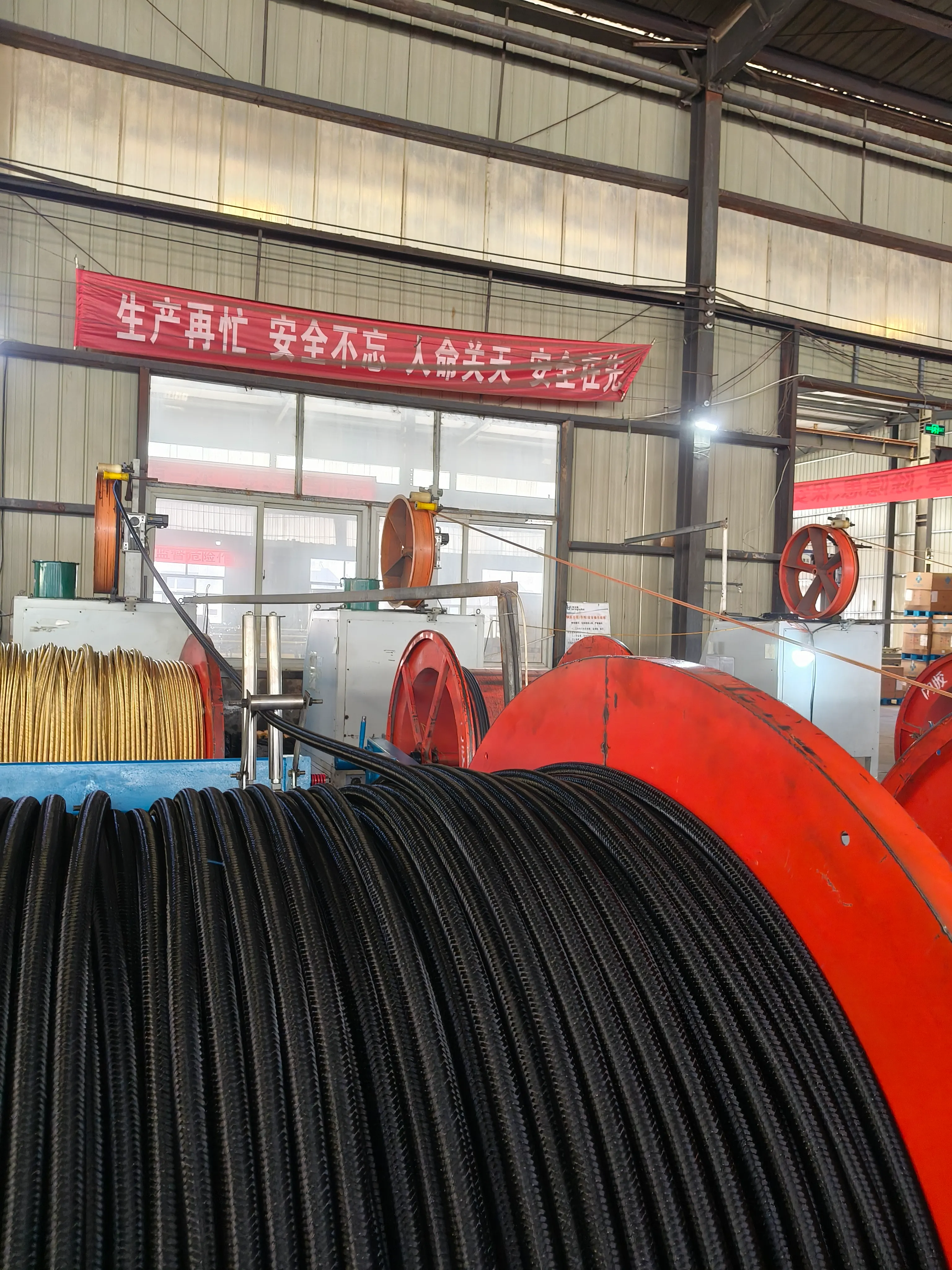
PTFE, (C2F4)n, is a synthetic fluoropolymer characterized by its high molecular weight and crystalline structure. The raw material, PTFE resin, is typically produced through the polymerization of tetrafluoroethylene. Key physical properties include a melting point of 327°C (621°F), a dielectric constant of approximately 2.1, and a remarkably low coefficient of friction (0.04). Chemical compatibility is nearly universal; PTFE resists degradation from strong acids, bases, and most organic solvents. Manufacturing CE certified PTFE hoses involves several critical steps. The process usually begins with PTFE resin powder being sintered and extruded into a seamless tube. Sintering, performed at temperatures near the melting point, fuses the PTFE particles without fully melting the material, preserving its desirable properties. Subsequent processes include diameter calibration, wall thickness control (crucially influencing burst pressure), and surface treatment to enhance bonding with end fittings. Critical parameters during extrusion include temperature control to prevent degradation, screw speed to ensure homogenous mixing, and die design to achieve precise dimensions. End fittings are commonly attached via crimping, swaging, or specialized PTFE bonding techniques, each requiring stringent quality assurance to prevent leakage. The PTFE resin’s purity is a critical factor impacting performance; contaminants can lead to premature failure. Post-manufacturing, each hose undergoes pressure testing to verify its ability to withstand specified operating conditions. Batch traceability is also essential for CE certification.
Performance & Engineering
The performance of CE certified PTFE hoses is governed by several engineering principles. Force analysis focuses on hoop stress due to internal pressure; the hose wall must withstand this stress without yielding or bursting. Burst pressure ratings are determined through hydrostatic testing according to standards like EN ISO 3165. Environmental resistance is a paramount concern. While PTFE is inherently resistant to UV radiation and ozone, prolonged exposure to high temperatures can lead to degradation. Temperature cycling can induce thermal stress, potentially causing cracking. Chemical resistance, though broad, is not absolute; certain highly reactive metals (e.g., molten alkali metals) and fluorinated compounds can attack PTFE. Compliance with CE directives necessitates adherence to specific standards related to materials, construction, and performance. This includes ensuring the hose does not leach harmful substances into the fluid being conveyed. Functional implementation considerations include selecting the appropriate hose diameter and wall thickness based on flow rate, pressure, and fluid compatibility. Proper installation, including correct end fitting selection and torque specifications, is essential for preventing leaks and ensuring long-term reliability. Fatigue life, particularly in applications involving pulsating flow, must be carefully evaluated.
Technical Specifications
| Parameter | Unit | Typical Value | Testing Standard |
|---|---|---|---|
| Working Pressure | MPa | 20 | ISO 3165 |
| Burst Pressure | MPa | 80 | ISO 3165 |
| Temperature Range | °C | -60 to +260 | ASTM D348 |
| Tensile Strength | MPa | 21 | ASTM D4895 |
| Elongation at Break | % | 300 | ASTM D4895 |
| Fluid Compatibility | - | Excellent with most chemicals | SAE J20 |
Failure Mode & Maintenance
PTFE hoses, despite their robustness, are susceptible to certain failure modes. Fatigue cracking can occur under cyclic pressure loading, initiating at stress concentration points (e.g., near end fittings). Delamination, or separation of PTFE layers, can result from improper bonding during manufacturing or exposure to extreme temperatures. Degradation occurs over time due to prolonged exposure to high temperatures or aggressive chemicals, leading to embrittlement and reduced mechanical properties. Oxidation, though slow, can occur at very high temperatures, compromising the PTFE's chemical resistance. Common causes of failure also include incorrect installation (over-tightening fittings), abrasion from external sources, and permeation of fluids through the hose wall. Preventative maintenance involves regular visual inspections for cracks, bulges, or discoloration. Pressure testing should be conducted periodically to verify hose integrity. End fittings should be checked for corrosion or damage. Avoid exceeding the hose's rated working pressure and temperature limits. Contamination of the fluid being conveyed can accelerate degradation; filtration is recommended. If a hose shows signs of damage, it should be replaced immediately. Detailed records of inspections and maintenance should be maintained for traceability.
Industry FAQ
Q: What is the significance of the CE marking on a PTFE hose, and what specific directives does it cover?
A: The CE marking indicates that the PTFE hose meets the essential health, safety, and environmental protection requirements as outlined in relevant European Directives. Primarily, this includes the Pressure Equipment Directive (PED) 2014/68/EU, which applies to hoses designed for fluid conveyance under pressure. It also encompasses REACH (Registration, Evaluation, Authorisation and Restriction of Chemicals) which regulates the use of hazardous substances, and RoHS (Restriction of Hazardous Substances) which restricts the use of certain materials like lead and cadmium. CE certification involves a rigorous assessment of the hose's design, manufacturing process, and performance testing by a notified body.
Q: How does the wall thickness of a PTFE hose impact its performance and safety?
A: Wall thickness is a critical factor influencing a PTFE hose’s burst pressure and resistance to permeation. Increasing wall thickness directly increases the hose’s ability to withstand internal pressure, enhancing safety. However, thicker walls can also reduce the hose’s flexibility. A thicker wall provides a longer diffusion path for fluids, reducing the rate of permeation. The optimal wall thickness depends on the specific application’s pressure, temperature, and fluid compatibility requirements. It’s crucial to adhere to the manufacturer’s specifications for wall thickness to ensure safe and reliable operation.
Q: What are the common types of end fittings used with PTFE hoses, and what are the considerations for selecting the appropriate fitting?
A: Common end fittings include crimped fittings, swaged fittings, and bonded fittings. Crimped fittings are cost-effective but may be prone to leakage if not properly installed. Swaged fittings offer a more secure connection but require specialized equipment. Bonded fittings provide the most robust connection, as the PTFE is chemically bonded to the fitting material. Selection criteria include the hose pressure rating, fluid compatibility, temperature range, and the type of connection required (threaded, flanged, etc.). Material compatibility between the hose, fitting, and fluid is paramount. Stainless steel is commonly used for fittings due to its corrosion resistance.
Q: What are the limitations of PTFE hoses in terms of chemical compatibility, and are there any fluids they should not be used with?
A: While PTFE exhibits exceptional chemical resistance, it is not universally compatible with all fluids. Strongly fluorinated compounds, molten alkali metals (e.g., sodium, potassium), and certain highly reactive chemicals can attack PTFE. Furthermore, prolonged exposure to highly concentrated sulfuric acid at elevated temperatures can cause degradation. It's essential to consult a chemical compatibility chart before using a PTFE hose with any unfamiliar fluid. The presence of certain contaminants can also accelerate degradation.
Q: How does temperature affect the performance and lifespan of a PTFE hose?
A: Temperature significantly impacts the performance and lifespan of a PTFE hose. While PTFE can operate over a wide temperature range (-60°C to +260°C), exceeding these limits can lead to degradation. High temperatures can cause embrittlement and reduce the hose’s flexibility, while low temperatures can make it more susceptible to cracking. Temperature cycling can induce thermal stress, leading to fatigue failure. Prolonged exposure to elevated temperatures can also cause oxidation and chemical degradation. It’s vital to operate the hose within its specified temperature limits to maximize its lifespan and prevent failure.
Conclusion
CE certified PTFE hoses are essential components in demanding industrial applications, offering unparalleled chemical resistance and temperature stability. Their manufacturing relies on precise control of material properties and processes like sintering and extrusion, ensuring consistent quality and performance. Understanding the engineering principles governing their operation, including stress analysis, environmental resistance, and compliance standards, is crucial for selecting and utilizing these hoses effectively. By recognizing potential failure modes – such as fatigue cracking and delamination – and implementing appropriate preventative maintenance strategies, users can maximize the lifespan and reliability of PTFE hose systems.
The future of PTFE hose technology will likely focus on developing enhanced materials with improved temperature resistance and reduced permeability, as well as incorporating smart sensing capabilities for real-time monitoring of hose condition. Further refinement of bonding techniques for end fittings will also contribute to increased reliability and safety. Adherence to evolving international standards and regulations will remain paramount for ensuring consistent quality and facilitating global market access.