


ce certification ptfe corrugated hose service Performance Analysis
Introduction
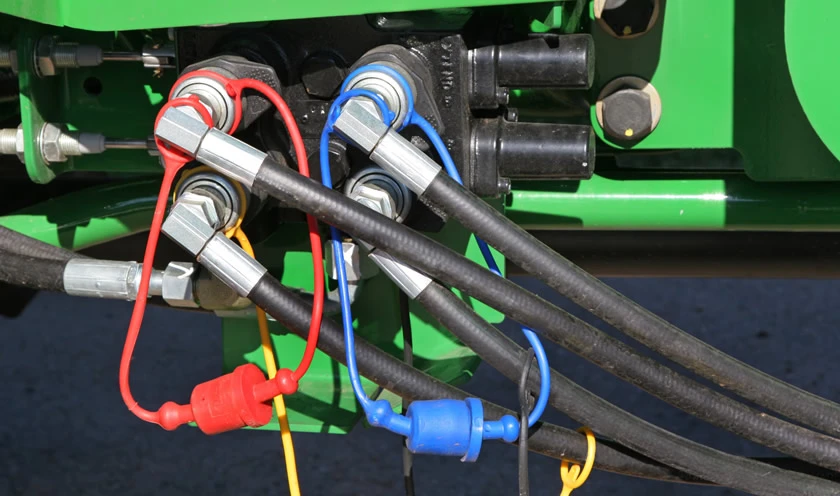
PTFE corrugated hose, particularly when CE certified, represents a critical component in fluid transfer systems across numerous industries, including chemical processing, pharmaceuticals, food & beverage, and automotive. This guide provides a comprehensive technical overview of CE certified PTFE corrugated hose, encompassing material science, manufacturing processes, performance characteristics, potential failure modes, and relevant industry standards. The primary function of this hose is to reliably convey a wide range of fluids – corrosive chemicals, high-purity liquids, and pressurized gases – while maintaining system integrity and preventing leaks. CE certification signifies conformity with European health, safety, and environmental protection standards, assuring customers of a product that meets stringent quality and safety requirements. A key industry pain point is ensuring compatibility between the hose material, the conveyed fluid, and the operating conditions (temperature, pressure, and flow rate) to prevent premature failure and costly downtime. This document addresses these concerns through detailed material analysis and performance data.
Material Science & Manufacturing
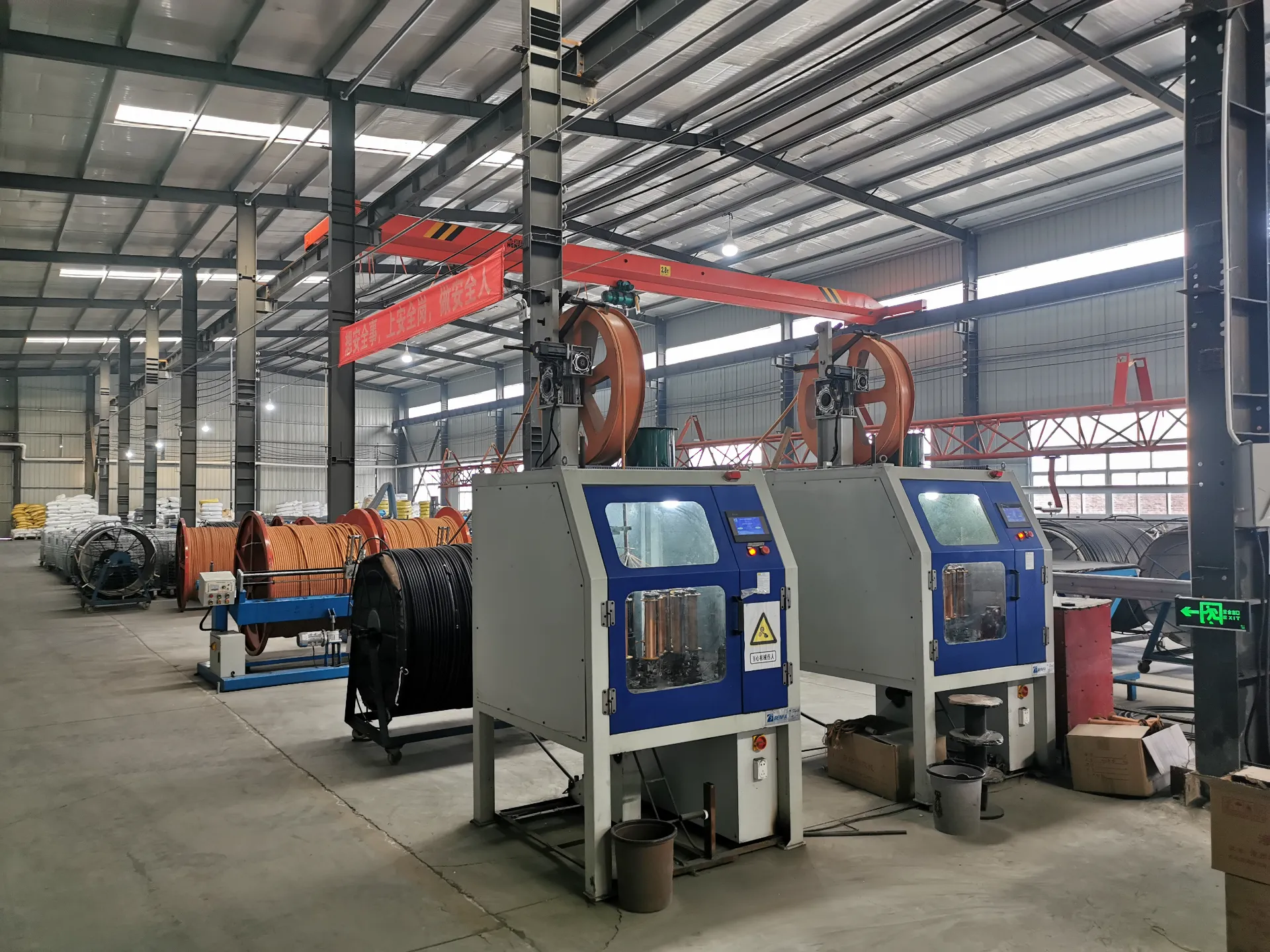
The core material of these hoses is Polytetrafluoroethylene (PTFE), renowned for its exceptional chemical inertness, wide temperature range (-200°C to +260°C), and low coefficient of friction. The PTFE resin used is typically a suspension polymerized grade, offering superior purity and resistance to degradation. The corrugated structure is typically created from a seamless PTFE tube, formed via extrusion and subsequent corrugation. The corrugation increases the hose’s flexibility and allows for movement and vibration absorption. Interlocking layers of PTFE, often reinforced with an inner stainless steel helix (typically 304 or 316 grade) and/or an outer braided reinforcement (also stainless steel), enhance the hose’s pressure resistance and prevent kinking. The steel reinforcement undergoes passivation to minimize corrosion. Manufacturing parameters crucial for quality control include resin melt temperature, extrusion speed, corrugation pitch and height, and the tension applied during braiding. Improper control can lead to defects like inconsistent wall thickness, incomplete corrugation, and compromised reinforcement adhesion. Chemical compatibility is paramount; PTFE exhibits excellent resistance to most chemicals, but prolonged exposure to molten alkali metals and certain fluorinated compounds should be avoided. Batch traceability of raw materials and adherence to ISO 9001 quality management systems are critical to ensuring consistent material properties.
Performance & Engineering
Performance of PTFE corrugated hose is governed by several key engineering principles. Burst pressure is determined by the tensile strength of both the PTFE and the reinforcement materials, as well as the hose diameter and wall thickness. Fatigue resistance is critical for applications involving continuous flexing and vibration; this is heavily influenced by the corrugation profile and the quality of the material transitions. Pressure drop along the hose length is determined by the inner diameter, flow rate, and fluid viscosity, following the Darcy-Weisbach equation. Temperature effects on PTFE include thermal expansion and creep, which must be considered in system design to prevent stress concentrations and leaks. CE certification requires rigorous testing to demonstrate compliance with directives such as the Pressure Equipment Directive (PED) 2014/68/EU. This includes hydrostatic testing at pressures significantly exceeding the rated working pressure, and verification of material traceability. Electrical resistance is exceptionally high, providing excellent electrical insulation. The hose's flexibility allows it to accommodate complex routing and minimize stress on connections. A common failure point stems from improper installation; over-tightening fittings can damage the PTFE and create leak paths. Proper torque specifications and the use of compatible sealing materials (e.g., PTFE gaskets) are essential.
Technical Specifications
| Parameter | Unit | Typical Value | Test Standard |
|---|---|---|---|
| Operating Pressure (Max) | bar | 30 | ISO 3167 |
| Burst Pressure | bar | 90 | ISO 3167 |
| Temperature Range | °C | -200 to +260 | ASTM D3418 |
| Inner Diameter | mm | 6 - 50 | Company Specification |
| Outer Diameter | mm | 10 - 65 | Company Specification |
| Minimum Bend Radius | mm | 150 | Company Specification |
Failure Mode & Maintenance
Common failure modes for PTFE corrugated hose include: Permeation: While PTFE is highly impermeable, prolonged exposure to certain gases at elevated temperatures can lead to permeation, resulting in gradual loss of fluid. Creep: Under sustained pressure and temperature, PTFE can exhibit creep, leading to dimensional changes and potential leaks. Fatigue Cracking: Repeated flexing and vibration can initiate cracks, especially at the corrugation roots. Chemical Attack: Although resistant to most chemicals, exposure to molten alkali metals or fluorinated compounds can cause degradation. Fitting Failure: Corrosion or improper installation of fittings can lead to leaks at the connection points. Delamination: Poor bonding between PTFE layers or between PTFE and reinforcement can cause delamination under pressure. Maintenance primarily focuses on preventative measures. Regular visual inspections for cracks, kinks, or discoloration are crucial. Connections should be checked for tightness and corrosion. The hose should be protected from physical damage and extreme temperatures. Avoid exceeding the maximum operating pressure and temperature limits. When handling corrosive fluids, verify the hose’s chemical compatibility. Proper cleaning with mild detergent and water is recommended; avoid abrasive cleaners. For critical applications, scheduled replacement based on operational hours and fluid characteristics is advisable. Failure analysis should be conducted on any failed hose to determine the root cause and prevent recurrence.
Industry FAQ
Q: What is the impact of fluid velocity on the lifespan of a PTFE corrugated hose?
A: Higher fluid velocities increase the risk of erosion and fatigue failure. Erosion occurs when abrasive particles in the fluid impinge on the PTFE, gradually wearing away the inner layer. Increased velocity also leads to greater pressure drop and increased vibration, accelerating fatigue cracking. Reducing fluid velocity, where possible, and selecting a hose with a thicker PTFE liner can mitigate these effects.
Q: How does the reinforcement material affect the hose's performance under vacuum conditions?
A: The reinforcement material is critical for preventing hose collapse under vacuum. Stainless steel reinforcement provides the necessary rigidity to withstand the inward pressure. The pitch and density of the helix or braid influence the hose’s vacuum rating. Without adequate reinforcement, the hose will buckle and restrict flow.
Q: What is the significance of the CE marking on a PTFE corrugated hose?
A: The CE marking indicates that the hose conforms to the relevant European directives, including the Pressure Equipment Directive (PED) 2014/68/EU and the RoHS Directive. This ensures that the hose meets stringent safety, health, and environmental standards, providing assurance of quality and reliability for use within the European Economic Area.
Q: Can PTFE corrugated hose be used for steam applications?
A: PTFE corrugated hose can be used for steam applications, but careful consideration must be given to the steam temperature and pressure. High-temperature steam can cause PTFE to creep and potentially degrade over time. Select a hose specifically rated for steam service and ensure that the operating conditions remain within the specified limits. Condensate traps should be used to prevent water hammer, which can damage the hose.
Q: What types of fittings are compatible with PTFE corrugated hose?
A: Compatible fittings include stainless steel compression fittings, barbed fittings (with a compatible clamp), and flanged connections. Avoid using fittings made from materials that are incompatible with PTFE or the conveyed fluid. Ensure that the fittings are properly sized and installed with the correct torque to prevent leaks. The use of PTFE gaskets or seals is highly recommended.
Conclusion
CE certified PTFE corrugated hose represents a robust and reliable solution for a diverse range of fluid transfer applications. Its exceptional chemical resistance, wide temperature range, and flexible design make it ideally suited for demanding environments. Understanding the material science, manufacturing processes, and performance characteristics is crucial for selecting the appropriate hose for a specific application and ensuring long-term reliability.
Proper installation, preventative maintenance, and awareness of potential failure modes are essential to maximizing the lifespan and performance of the hose. Adherence to relevant international standards and quality control procedures, coupled with a thorough understanding of fluid compatibility, contribute to safe and efficient operation. Ongoing advancements in PTFE technology continue to enhance the performance and broaden the application scope of these critical components.