


ce certification polyester yarn braid r7 r8 hose product Performance Analysis

Introduction
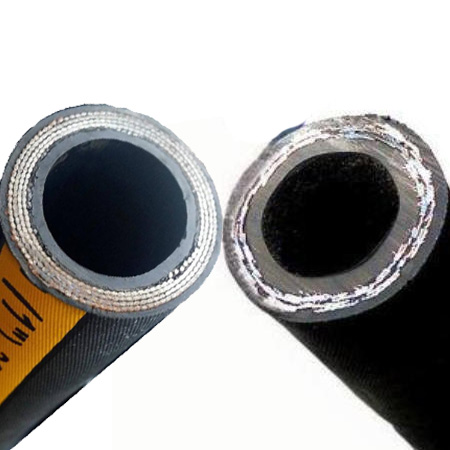
CE certified polyester yarn braid R7/R8 hoses represent a critical component within fluid power systems, designed for the transmission of hydraulic oil, water, and certain chemicals. These hoses are distinguished by their robust construction, featuring an inner tube typically composed of synthetic rubber, reinforced with multiple layers of high-tensile polyester yarn braiding, and a weather-resistant outer cover. The R7/R8 designation refers to Society of Automotive Engineers (SAE) performance standards, dictating pressure and temperature ratings. This guide details the material science, manufacturing processes, performance characteristics, failure modes, and maintenance protocols associated with these hoses, focusing on adherence to CE certification requirements and relevant industry standards. The primary industry pain point addressed by high-quality R7/R8 hoses is ensuring system reliability and preventing catastrophic failures due to pressure surges, chemical incompatibility, or environmental degradation, leading to costly downtime and potential safety hazards. Proper hose selection and maintenance are paramount in mitigating these risks.
Material Science & Manufacturing
The manufacturing of CE certified polyester yarn braid R7/R8 hoses involves a multi-stage process, beginning with the selection of raw materials. The inner tube commonly employs nitrile rubber (NBR) for oil resistance, or ethylene propylene diene monomer (EPDM) for water and coolant applications. NBR exhibits excellent resistance to petroleum-based fluids, boasting a typical tensile strength of 17-25 MPa and elongation at break of 300-500%. EPDM demonstrates superior resistance to weathering and ozone, with tensile strengths in the range of 14-21 MPa. The reinforcement layer utilizes high-tenile strength polyester yarn, offering exceptional burst strength and flexibility. Yarn specifications typically range from 840 to 1260 dtex, with a tensile modulus of 60-80 cN/tex. The outer cover, designed for abrasion and weather resistance, utilizes a blend of synthetic rubbers such as chloroprene rubber (CR) or polyurethane (PU). CR provides moderate oil resistance and excellent heat resistance (up to 100°C), while PU excels in abrasion resistance and can withstand higher temperatures (up to 120°C). The manufacturing process begins with extrusion of the inner tube, followed by precise winding of the polyester yarn braiding under tension to achieve the desired reinforcement density. A bonding adhesive is applied to ensure adhesion between the tube and braiding. Subsequently, the outer cover is extruded over the braided structure. Critical process parameters include extrusion temperature, braiding tension, and curing time, all meticulously controlled to meet SAE R7/R8 specifications. CE certification requires stringent quality control throughout the process, including material traceability and testing of key properties.
Performance & Engineering
The performance of R7/R8 hoses is heavily reliant on force analysis and environmental resistance. Burst pressure is the primary performance metric, dictated by the SAE standard. R7 hoses typically have a working pressure of up to 250 bar (3625 psi), while R8 hoses can withstand pressures up to 350 bar (5075 psi). These ratings are determined through hydrostatic testing, where the hose is pressurized to four times its working pressure for a specified duration. Fatigue resistance is another critical factor, assessed through impulse testing, simulating pressure pulsations encountered in hydraulic systems. Hose deflection under pressure is calculated using thin-walled cylinder theory, considering the hose's inner diameter, wall thickness, and operating pressure. Environmental resistance is evaluated by exposing hoses to various fluids (oil, water, chemicals) and temperatures (-40°C to +100°C, depending on the material). Chemical compatibility must be carefully considered; prolonged exposure to incompatible fluids can cause swelling, softening, or degradation of the hose material. CE certification mandates that hoses meet specific environmental performance criteria, including resistance to ozone, UV radiation, and abrasion. Furthermore, electrical conductivity can be a critical engineering consideration in certain applications, requiring the use of conductive materials or antistatic coatings to prevent static charge buildup and potential ignition hazards.
Technical Specifications
| Parameter | R7 Hose | R8 Hose | Unit |
|---|---|---|---|
| Working Pressure | 250 | 350 | bar |
| Burst Pressure | 1000 | 1400 | bar |
| Temperature Range | -40 to +100 | -40 to +100 | °C |
| Inner Tube Material | NBR/EPDM | NBR/EPDM | - |
| Reinforcement | Polyester Yarn Braid (Multiple Layers) | Polyester Yarn Braid (Multiple Layers) | - |
| Outer Cover Material | CR/PU | CR/PU | - |
Failure Mode & Maintenance
Common failure modes in R7/R8 hoses include fatigue cracking, pinhole leaks, abrasion damage, and chemical degradation. Fatigue cracking typically occurs due to repeated pressure cycles, initiating at flaws in the reinforcement layer or at the tube-cover interface. Pinhole leaks can result from abrasion damage or localized degradation of the inner tube. Chemical degradation occurs when the hose is exposed to incompatible fluids, causing swelling, softening, or cracking. Oxidation of the rubber materials can also lead to embrittlement and failure. Failure analysis often involves microscopic examination of the fracture surface to identify the root cause. Preventive maintenance is crucial for extending hose life and preventing catastrophic failures. Regular visual inspections should be conducted to identify signs of abrasion, cracking, or swelling. Hose pressure ratings should be verified before each use. Proper routing and support are essential to prevent kinking and excessive bending. Contamination of the hydraulic fluid should be minimized through filtration. If a hose shows signs of damage, it should be replaced immediately. Furthermore, storing hoses in a cool, dry place, away from direct sunlight and ozone sources, can help prevent degradation. CE certification requires documented maintenance procedures and training for personnel handling and maintaining these hoses.
Industry FAQ
Q: What is the significance of the R7/R8 designation in relation to hose performance?
A: The R7/R8 designation, defined by SAE standards, specifies the minimum pressure and temperature ratings for hydraulic hoses. R7 hoses are designed for lower pressure applications (up to 250 bar), while R8 hoses are capable of withstanding higher pressures (up to 350 bar). Adherence to these standards ensures a baseline level of performance and safety.
Q: How does temperature affect the performance of R7/R8 hoses?
A: Temperature extremes can significantly impact hose performance. High temperatures can accelerate degradation of the rubber materials, reducing their flexibility and strength. Low temperatures can cause embrittlement and increased susceptibility to cracking. The specified temperature range (-40°C to +100°C) defines the operational limits within which the hose will maintain its integrity.
Q: What materials are incompatible with NBR and EPDM inner tubes?
A: NBR is generally incompatible with ketones, esters, and strong acids. EPDM is susceptible to degradation by petroleum-based oils and fuels. Exposure to these incompatible fluids can cause swelling, softening, and ultimately, hose failure. Consult a chemical compatibility chart before using a hose with a specific fluid.
Q: What are the key indicators of potential hose failure that should be inspected during routine maintenance?
A: Key indicators include cracking in the cover or tube, abrasion damage, swelling or softening of the rubber materials, leaks at the fittings, and kinks or twists in the hose. Any of these signs warrant immediate hose replacement.
Q: What is the role of CE certification in ensuring hose quality and safety?
A: CE certification demonstrates that the hose meets the essential health and safety requirements of the European Union. It involves rigorous testing and documentation to verify compliance with relevant standards, including material traceability, pressure testing, and environmental resistance. CE marking provides assurance to end-users that the hose is safe and reliable.
Conclusion
CE certified polyester yarn braid R7/R8 hoses are indispensable components in hydraulic systems, offering a balance of flexibility, strength, and chemical resistance. Understanding the underlying material science, manufacturing processes, and performance characteristics is crucial for selecting the appropriate hose for a given application and ensuring its long-term reliability. The R7/R8 designation, coupled with CE certification, provides a framework for consistent quality and safety, mitigating the risk of catastrophic failures and costly downtime.
Moving forward, advancements in hose technology are focused on developing materials with improved chemical resistance, higher temperature ratings, and enhanced fatigue life. Furthermore, the integration of smart sensors and condition monitoring systems will enable predictive maintenance, optimizing hose replacement schedules and minimizing unscheduled downtime. Continued adherence to stringent quality control measures and industry standards remains paramount to ensure the ongoing safety and performance of these critical components.