


ce certification coal mining hoses manufacturers Performance Analysis
Introduction
CE certified coal mining hoses are critical components in the safe and efficient extraction of coal. These hoses are specifically engineered to withstand the harsh conditions inherent in coal mining environments, including high pressures, abrasive materials, and exposure to various chemicals. Their technical position within the industry chain lies between the hose manufacturer, supplying a crucial fluid conveyance solution, and the mining operation, requiring reliable performance for slurry transfer, water delivery, and hydraulic systems. Core performance characteristics are defined by burst pressure, abrasion resistance, chemical compatibility, and adherence to stringent safety standards, primarily the CE marking which demonstrates conformity with European health, safety, and environmental protection standards. This guide provides an in-depth technical overview of these hoses, covering material science, manufacturing processes, performance parameters, failure modes, and relevant industry standards.
Material Science & Manufacturing
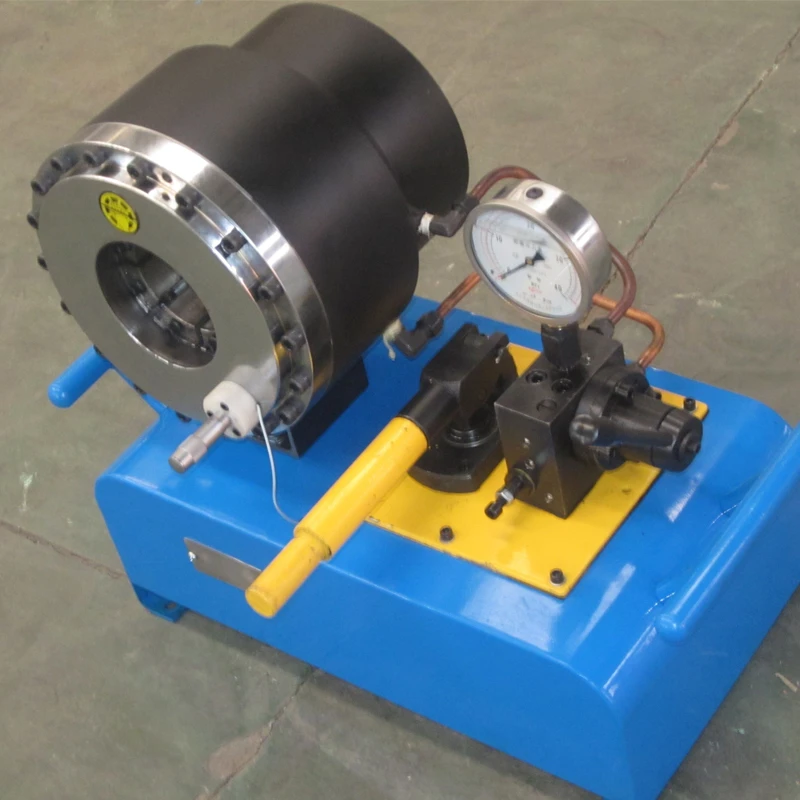
Coal mining hoses typically utilize a multi-layered construction. The inner tube, responsible for fluid containment, is commonly manufactured from a blend of synthetic rubbers, including chloroprene (CR) or nitrile rubber (NBR), selected for their resistance to hydrocarbons, abrasion, and chemical attack from coal slurry and process water. The reinforcement layer is crucial for pressure containment and often comprises multiple plies of high-tensile steel wire braid or spirally wound steel wire. The number of plies dictates the hose’s working and burst pressures. An intermediate cover layer provides bonding between the reinforcement and the outer cover. Finally, the outer cover is usually a highly abrasion-resistant compound, typically based on chloroprene or polyurethane (PU), formulated to resist cutting, tearing, and weathering. Manufacturing processes include extrusion of the inner tube and outer cover, followed by precise winding of the steel reinforcement. Vulcanization, a chemical process using heat and pressure, crosslinks the rubber compounds to achieve desired elasticity, strength, and resistance to degradation. Parameter control is paramount throughout this process, including precise temperature regulation during vulcanization, accurate wire tension during winding, and rigorous quality control checks for layer adhesion and dimensional accuracy. The steel wire used must conform to specific tensile strength and elongation standards (e.g., SAE J517). Chemical compatibility testing confirms the resistance of the inner tube to anticipated fluids, preventing swelling, cracking, or leaching of components.
Performance & Engineering
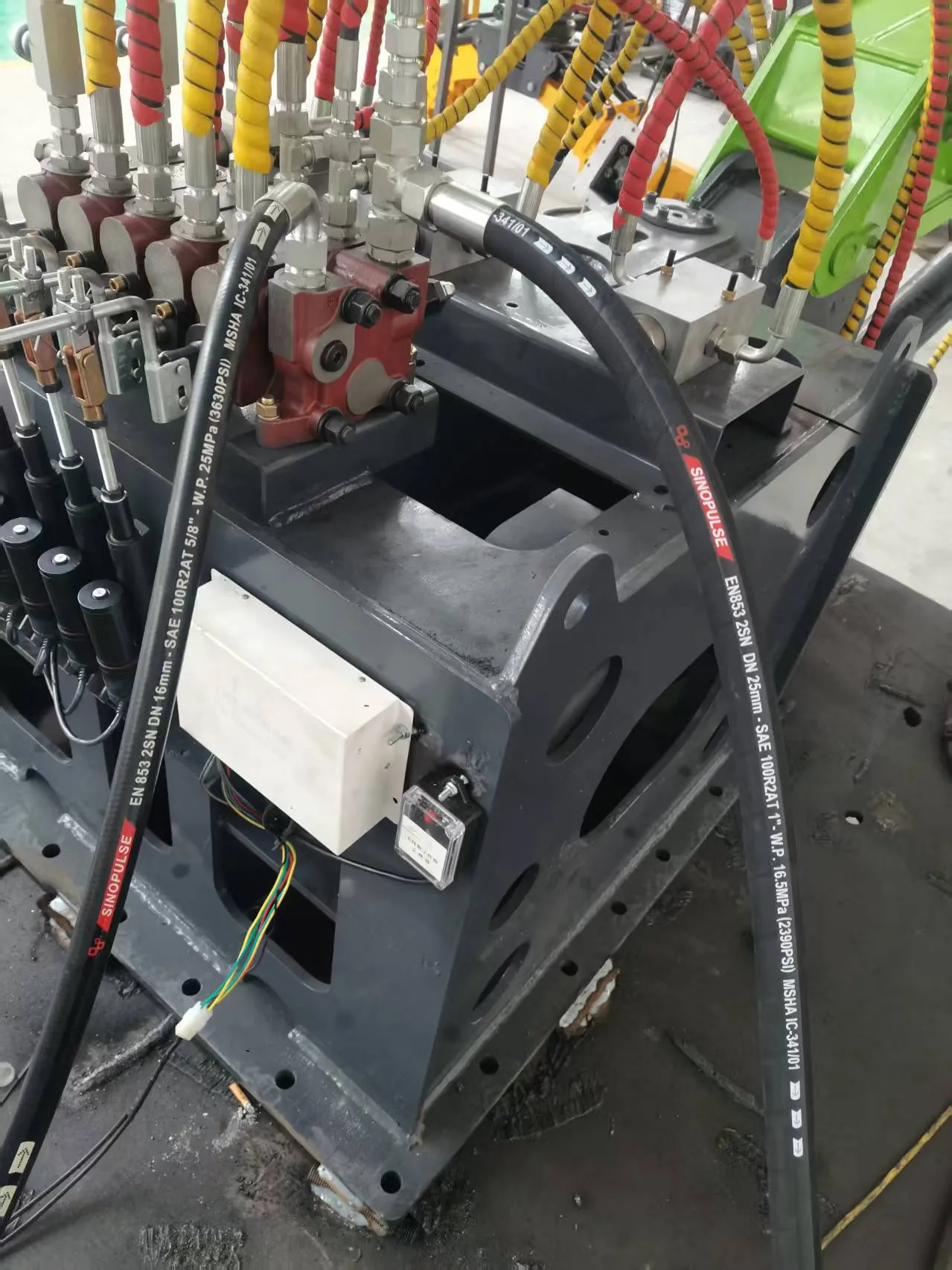
The performance of coal mining hoses is governed by several engineering principles. Force analysis considers the hoop stress generated by internal pressure, which is directly proportional to the burst pressure rating. The steel reinforcement layer is engineered to withstand this stress, preventing catastrophic failure. Abrasion resistance is a critical factor, as coal slurry is highly abrasive. The outer cover material’s hardness (measured using Shore hardness tests) and the type of abrasive fillers incorporated into the compound directly impact its lifespan. Environmental resistance involves evaluating the hose’s performance under varying temperatures, humidity levels, and exposure to UV radiation. CE certification requires adherence to specific compliance requirements, including dimensional accuracy, material traceability, and performance testing under simulated operating conditions. Functional implementation requires consideration of hose bend radius (to avoid kinking and stress concentration), connection methods (e.g., crimped fittings), and the overall hose assembly’s ability to withstand dynamic loading from vibrations and pulsations. Fatigue analysis is employed to predict the hose’s lifespan under cyclic pressure loading, a common occurrence in hydraulic systems. Finite Element Analysis (FEA) is often used to model stress distribution within the hose structure and optimize design parameters.
Technical Specifications
| Working Pressure (bar) | Burst Pressure (bar) | Inner Tube Material | Outer Cover Material | Reinforcement Type | Minimum Bend Radius (mm) |
|---|---|---|---|---|---|
| 16 | 48 | Chloroprene (CR) | Chloroprene (CR) | 4-Spiral Steel Wire | 200 |
| 25 | 75 | Nitrile Rubber (NBR) | Polyurethane (PU) | 6-Spiral Steel Wire | 250 |
| 32 | 96 | Chloroprene (CR) | Polyurethane (PU) | 8-Spiral Steel Wire | 300 |
| 40 | 120 | Nitrile Rubber (NBR) | Chloroprene (CR) | 4-Spiral High-Tensile Steel Wire | 220 |
| 50 | 150 | Chloroprene (CR) | Polyurethane (PU) | 10-Spiral Steel Wire | 350 |
| 70 | 210 | Nitrile Rubber (NBR) | Polyurethane (PU) | 12-Spiral High-Tensile Steel Wire | 400 |
Failure Mode & Maintenance
Coal mining hoses are susceptible to several failure modes. Fatigue cracking, initiated by repeated pressure cycling, often occurs in the reinforcement layer, eventually leading to rupture. Abrasion, caused by the erosive nature of coal slurry, degrades the outer cover, exposing the reinforcement to corrosion. Chemical attack from aggressive fluids can cause swelling, cracking, or degradation of the inner tube material. Delamination, the separation of layers within the hose structure, reduces its pressure containment capability. Oxidation, particularly at elevated temperatures, causes the rubber compounds to become brittle and lose elasticity. Maintenance solutions include regular visual inspections for cuts, abrasions, and bulges. Pressure testing should be performed periodically to verify the hose’s structural integrity. Proper storage in a cool, dry environment, away from direct sunlight and ozone sources, is essential to prevent premature degradation. When replacing hoses, it's crucial to use compatible fittings and follow the manufacturer’s recommended crimping procedures. Lubricating fittings during assembly reduces wear and tear. Record-keeping of hose inspections and replacements facilitates preventative maintenance and identifies potential systemic issues.
Industry FAQ
Q: What is the significance of the CE marking on a coal mining hose?
A: The CE marking signifies that the hose meets the essential health, safety, and environmental protection requirements of the European Union. This includes rigorous testing to ensure compliance with relevant directives, such as the Machinery Directive (2006/42/EC) and the Pressure Equipment Directive (2014/68/EU), depending on the hose's application and operating pressure. It provides assurance to end-users that the product has been independently assessed and conforms to established safety standards.
Q: How does the reinforcement layer impact the hose’s working pressure?
A: The reinforcement layer, typically constructed from steel wire, provides the primary resistance to internal pressure. The number of plies, the type of steel wire (tensile strength, elongation), and the winding angle all contribute to the hose’s pressure-holding capacity. Increasing the number of plies or using higher-strength steel wire directly increases the working and burst pressures.
Q: What are the typical failure modes associated with polyurethane outer covers?
A: Polyurethane outer covers, while highly abrasion-resistant, can be susceptible to hydrolysis (degradation due to exposure to water) over extended periods, particularly in environments with elevated temperatures. They can also exhibit cracking if exposed to certain chemicals or subjected to repeated bending. Regular inspection for signs of cracking or softening is crucial.
Q: How do I determine the correct hose size for a specific application?
A: Hose size selection requires consideration of the flow rate, pressure drop, and fluid viscosity. The hose’s internal diameter must be sufficient to accommodate the required flow rate without excessive pressure loss. The working pressure must exceed the maximum system pressure, with an appropriate safety factor. Consult with the hose manufacturer’s technical specifications and engineering guidelines for proper sizing.
Q: What is the recommended maintenance schedule for coal mining hoses?
A: A recommended maintenance schedule includes daily visual inspections for cuts, abrasions, and leaks. Monthly pressure testing should be performed to verify structural integrity. Annual replacement of hoses operating under severe conditions is advisable. Detailed records of inspections, repairs, and replacements should be maintained.
Conclusion
CE certified coal mining hoses are engineered critical components demanding robust material selection, precise manufacturing, and adherence to stringent industry standards. The combination of specialized rubber compounds, high-tensile steel reinforcement, and rigorous testing ensures reliable performance in the challenging conditions of coal extraction. Understanding the principles of force analysis, abrasion resistance, and chemical compatibility is vital for selecting and maintaining these hoses effectively.
Future advancements in hose technology will likely focus on developing more durable materials, improved abrasion resistance coatings, and smart hose monitoring systems that can detect early signs of failure. Continued investment in preventative maintenance programs and adherence to established safety protocols are essential for maximizing hose lifespan and minimizing the risk of catastrophic failures in coal mining operations.