


buy ss316 metal hose service Performance Engineering

Introduction
SS316 stainless steel metal hose assemblies are critical components in numerous industrial applications requiring robust fluid transfer under challenging conditions. These hoses, constructed from Type 316 stainless steel, offer superior corrosion resistance compared to standard stainless steels, making them ideal for handling aggressive media and operating in harsh environments. Their technical position within the fluid transfer industry chain lies between the rigid piping systems and flexible rubber hoses, providing a balance of durability, flexibility, and resistance to temperature and pressure fluctuations. Core performance characteristics center around pressure containment, burst strength, fatigue life, and resistance to chemical attack, all essential for ensuring process integrity and operational safety. The increasing demand for high-performance, long-lasting fluid transfer solutions in sectors such as chemical processing, food and beverage, pharmaceuticals, and oil & gas drives the requirement for detailed understanding of SS316 metal hose construction, capabilities, and limitations.
Material Science & Manufacturing
The primary material, SS316 stainless steel, is an austenitic stainless steel alloy containing approximately 16-18% chromium, 10-14% nickel, and 2-3% molybdenum. This molybdenum addition significantly enhances corrosion resistance, particularly pitting and crevice corrosion, in chloride-containing environments. The raw material is typically sourced as seamless or welded tubing, with seamless tubing generally exhibiting higher burst pressures and fatigue life due to the absence of a weld seam. Manufacturing processes for SS316 metal hose assemblies involve several key steps. First, the tubing undergoes precise cutting to the required length. Then, depending on the hose configuration (convoluted, braided, or both), the tubing is either formed into a convoluted shape using specialized forming machines, or prepared for braiding. Braiding, typically using SS316 wire, provides reinforcement and pressure containment. The number of braid layers directly impacts the hose’s pressure rating and flexibility. Critical parameter control includes maintaining consistent wall thickness throughout the forming and braiding processes, precise braid coverage to ensure uniform stress distribution, and careful annealing post-braiding to relieve residual stresses. Welding, when used for creating fittings or joining hose sections, must adhere to stringent quality control standards such as AWS D1.1 to guarantee weld integrity and prevent corrosion initiation points. Passivation treatments are essential to enhance the corrosion resistance of the stainless steel surface by forming a protective chromium-rich oxide layer. The quality of the passivation process, verified through techniques like copper sulfate testing, is paramount.
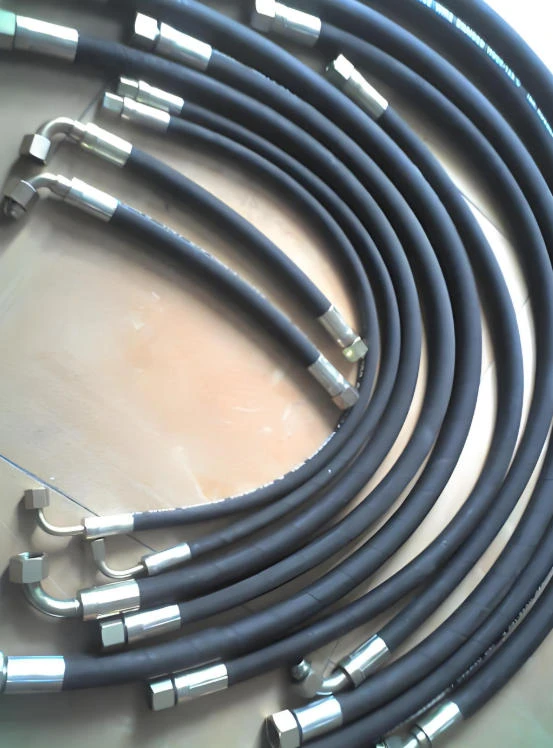
Performance & Engineering
The performance of SS316 metal hose assemblies is governed by several engineering principles. Force analysis, particularly pressure-induced stress analysis, is crucial in determining the hose’s ability to withstand internal pressure without failure. The burst pressure rating is determined through hydrostatic testing, typically to 1.5 times the working pressure. Fatigue life, the number of pressure cycles the hose can endure before failure, is a key consideration in dynamic applications. This is highly dependent on factors such as pressure amplitude, frequency, temperature, and the presence of corrosive media. Environmental resistance is another critical aspect. While SS316 offers excellent corrosion resistance, specific chemical environments can still lead to localized corrosion. Compatibility charts detailing the resistance of SS316 to various chemicals are essential. Compliance requirements, dictated by industry standards and regulations (detailed in the footer), vary depending on the application. For example, hoses used in food and beverage applications must comply with FDA regulations regarding material biocompatibility. Functional implementation details include considerations for hose routing, bend radius (to avoid kinking and stress concentration), and proper fitting selection. The choice of fittings should be compatible with both the hose material and the fluid being transferred, and should be installed using appropriate techniques to ensure a leak-free seal.
Technical Specifications
| Parameter | Units | Typical Value (Convoluted, Single Braid) | Typical Value (Braided, Double Braid) |
|---|---|---|---|
| Working Pressure | psi | 2000 | 4000 |
| Burst Pressure | psi | 6000 | 12000 |
| Temperature Range | °F | -40 to 600 | -40 to 600 |
| Material | - | SS316 | SS316 |
| Braid Material | - | SS316 | SS316 |
| Minimum Bend Radius | inches | 6 | 8 |
Failure Mode & Maintenance
SS316 metal hose assemblies, while robust, are susceptible to several failure modes. Fatigue cracking, particularly at the hose-fitting interface or in areas of high stress concentration, is a common failure mechanism in applications involving cyclic pressure. Corrosion, despite the inherent resistance of SS316, can occur due to exposure to aggressive chemicals or prolonged exposure to chloride-containing environments. Pitting corrosion and crevice corrosion are particularly problematic. Delamination, the separation of braid layers, can occur due to inadequate braid coverage or improper manufacturing processes. Oxidation at high temperatures can lead to material degradation. Maintenance solutions include regular visual inspections for signs of damage (cracks, corrosion, leaks), periodic pressure testing to verify integrity, and proper cleaning to remove corrosive contaminants. Lubrication of threaded connections can prevent galling and facilitate disassembly for inspection. Replacement of the hose assembly is recommended when cracks, significant corrosion, or delamination are detected. Avoiding exceeding the hose’s pressure and temperature ratings is crucial for extending its service life. Furthermore, proper support and routing to minimize bending stress contribute to long-term reliability.
Industry FAQ
Q: What is the primary advantage of SS316 over other stainless steel grades in metal hose applications?
A: The addition of molybdenum in SS316 provides significantly enhanced resistance to pitting and crevice corrosion, especially in chloride-containing environments. This makes it superior to 304 stainless steel in applications involving saltwater, chemical processing, or other corrosive fluids.
Q: How does the number of braid layers affect hose performance?
A: Increasing the number of braid layers directly increases the hose’s pressure rating and burst strength. However, it also reduces flexibility. The optimal number of layers depends on the specific application requirements.
Q: What are the critical considerations for fitting selection?
A: Fittings must be compatible with both the SS316 hose material and the fluid being transferred. Material compatibility prevents galvanic corrosion. The fitting connection type (welded, threaded, compression) must be appropriate for the pressure and temperature requirements of the application. Proper installation techniques are vital to ensure a leak-free seal.
Q: What is the role of passivation in extending hose life?
A: Passivation forms a protective chromium-rich oxide layer on the stainless steel surface, enhancing its corrosion resistance. A well-executed passivation process minimizes the potential for corrosion initiation and extends the hose’s service life in corrosive environments.
Q: What inspection procedures should be followed during routine maintenance?
A: Routine inspections should include a visual check for cracks, corrosion, leaks, and braid damage. Periodic pressure testing can verify the hose’s integrity. Records of inspections and tests should be maintained for traceability and performance monitoring.
Conclusion
SS316 metal hose assemblies represent a crucial engineering solution for demanding fluid transfer applications. Their inherent strength, corrosion resistance, and flexibility make them ideally suited for environments where reliability and longevity are paramount. Proper material selection, manufacturing control, and adherence to industry standards are critical for ensuring optimal performance and preventing premature failure.
The continued development of advanced braiding techniques and specialized passivation treatments will further enhance the capabilities of SS316 metal hoses, extending their service life and expanding their applicability to an even wider range of industrial challenges. Understanding the nuanced interplay between material science, engineering principles, and operational conditions is essential for maximizing the value and minimizing the lifecycle costs of these vital components.