


brazil hydraulic rubber hose Performance Analysis
Introduction
Brazil hydraulic rubber hose refers to reinforced flexible assemblies designed to convey hydraulic fluid under significant pressure within hydraulic systems. Critical in industries such as construction, agriculture, mining, and manufacturing throughout Brazil and internationally, these hoses are integral to the operation of heavy machinery, providing a robust and reliable fluid transfer solution. Their technical position in the supply chain extends from raw material sourcing (rubber compounds, steel wire) through manufacturing processes like extrusion, calendaring, and braiding, culminating in system integration within mobile or stationary hydraulic equipment. Core performance characteristics center around pressure rating, temperature range, fluid compatibility, and resistance to abrasion, kinking, and external damage. Understanding these attributes is essential for preventing costly downtime and ensuring operational safety. A persistent industry pain point lies in premature hose failure due to improper specification, installation, or maintenance, particularly in harsh operating environments common in Brazilian industrial applications.
Material Science & Manufacturing
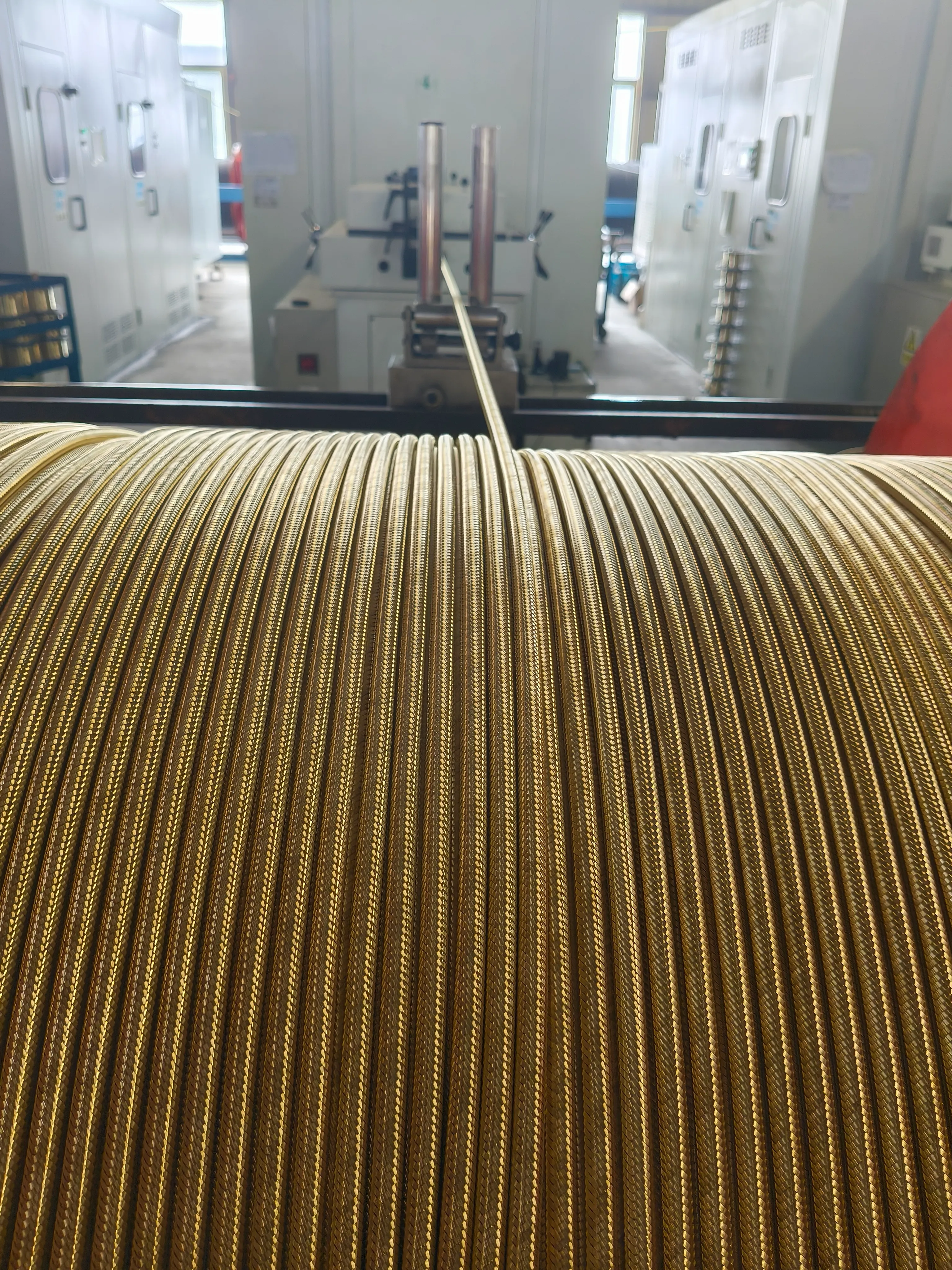
The primary material for Brazil hydraulic rubber hose is a synthetic rubber compound, most commonly nitrile rubber (NBR) due to its excellent resistance to petroleum-based hydraulic fluids. Other polymers such as chloroprene (CR) are utilized for applications requiring improved ozone and weathering resistance. The rubber compound is formulated with fillers (carbon black, silica) to enhance tensile strength and abrasion resistance, and plasticizers to maintain flexibility at low temperatures. Reinforcement is achieved through multiple layers of high-tensile steel wire spirally wound or braided around the inner tube. The number and construction of these layers directly correlate to the hose’s working pressure capacity. Manufacturing begins with the extrusion of the inner tube, followed by the application of reinforcement layers. An outer cover, typically composed of abrasion-resistant synthetic rubber, is then applied to protect the reinforcement from environmental factors and mechanical damage. Critical process parameters include temperature control during extrusion to ensure consistent wall thickness, precise wire winding tension for uniform pressure distribution, and curing time and temperature to achieve optimal rubber vulcanization. Improper curing leads to reduced tensile strength and increased susceptibility to degradation. Chemical compatibility between the rubber compound and the hydraulic fluid is paramount; incompatibility can cause swelling, softening, and ultimately, hose failure. Regular testing of batch materials is crucial. The hose ends are typically crimped with fittings (steel or stainless steel) using specialized machinery, ensuring a secure and leak-proof connection.

Performance & Engineering
Hydraulic hose performance is governed by a complex interplay of internal pressure, temperature, fluid velocity, and external stresses. Force analysis focuses on hoop stress within the hose wall, determined by the working pressure and hose diameter. Higher pressures necessitate thicker walls and/or more reinforcement layers. Temperature fluctuations affect rubber elasticity and fluid viscosity, influencing hose flexibility and flow rate. Operating temperatures exceeding the hose’s specified limit can lead to thermal degradation and reduced service life. Environmental resistance is critical in Brazil's diverse climates. Exposure to UV radiation, ozone, humidity, and corrosive substances can accelerate rubber degradation. The hose must also resist kinking and bending, which can restrict fluid flow and induce localized stress. Compliance requirements dictate adherence to stringent safety standards, including burst pressure testing, impulse pressure testing, and proof pressure testing. Hose assemblies are often subjected to finite element analysis (FEA) to optimize reinforcement configurations and predict stress distributions under various loading conditions. Functional implementation requires careful consideration of hose routing, bend radii, and fitting selection. Sharp bends should be avoided to minimize stress concentrations. Proper support and protection are essential to prevent abrasion and external damage. Consideration must also be given to fluid compatibility; using an incompatible fluid will severely reduce hose life.
Technical Specifications
| Parameter | Unit | Typical Value (DN20, 2-Wire Spiral) | Typical Value (DN50, 6-Wire Spiral) |
|---|---|---|---|
| Working Pressure | MPa | 31.5 | 63 |
| Burst Pressure | MPa | 105 | 210 |
| Temperature Range | °C | -40 to +100 | -40 to +100 |
| Inner Diameter | mm | 13 | 38 |
| Outer Diameter | mm | 19 | 56 |
| Minimum Bend Radius | mm | 4D (52) | 6D (228) |
Failure Mode & Maintenance
Common failure modes in Brazil hydraulic rubber hose include fatigue cracking due to repeated pressure cycling, particularly at the fitting interface. Delamination of reinforcement layers can occur if adhesion between the rubber and steel wire is compromised, often resulting from improper curing or contamination during manufacturing. Rubber degradation due to oxidation, ozone attack, and UV exposure leads to hardening, cracking, and loss of flexibility. Abrasion and external damage can compromise the outer cover, exposing the reinforcement to corrosion. Internal corrosion can occur if incompatible fluids are used or if moisture penetrates the hose. Impulse pressures (pressure spikes) can cause premature failure, especially in systems with inadequate accumulators. Maintenance should include regular visual inspections for signs of wear, cracking, or leaks. Hose assemblies should be replaced if any damage is detected. Proper installation, ensuring correct fitting torque and bend radii, is crucial. Hose routing should avoid sharp bends and areas prone to abrasion. Hydraulic fluid should be regularly analyzed to ensure compatibility with the hose material and to detect contamination. Storage of hoses should be in a cool, dry, dark place, away from ozone sources. Periodic pressure testing can help identify potential weaknesses before catastrophic failure occurs. Replacing hoses on a preventative maintenance schedule, even if no visible damage is present, can significantly reduce downtime and improve system reliability.
Industry FAQ
Q: What is the impact of hydraulic fluid type on hose lifespan?
A: The hydraulic fluid type is critical. Incompatible fluids can cause the rubber compound to swell, soften, or degrade, leading to premature failure. For example, using petroleum-based fluids in a hose designed for synthetic ester fluids will significantly reduce its lifespan. Always verify fluid compatibility with the hose manufacturer's specifications. Phosphate ester fluids require specialized hose materials.
Q: How does impulse pressure affect hose selection?
A: Impulse pressure, or pressure spikes, creates dynamic stress on the hose wall. Hoses must be rated to withstand not only the working pressure but also the expected impulse pressure levels. Failure to account for impulse pressure can lead to fatigue cracking and premature failure. Systems with frequent valve switching or rapidly changing loads are particularly susceptible to impulse pressures.
Q: What are the key considerations when selecting hose fittings?
A: Fittings must be compatible with the hose type and operating pressure. Incorrectly sized or crimped fittings can lead to leaks or catastrophic failure. The fitting material (steel or stainless steel) should be chosen based on the fluid being conveyed and the operating environment. Thread sealant should be compatible with the hydraulic fluid. Proper crimping is essential for a secure and leak-proof connection.
Q: How important is proper hose routing and support?
A: Proper hose routing and support are crucial for preventing damage and ensuring long-term reliability. Avoid sharp bends, which can induce stress concentrations. Provide adequate support to prevent abrasion and sagging. Use hose guards or sleeves to protect the hose from external damage. Ensure the hose is not subjected to excessive tension or twisting.
Q: What is the role of steel wire braiding in hose reinforcement?
A: Steel wire braiding provides the primary reinforcement against internal pressure. The number of layers of braiding directly correlates to the hose’s working pressure capacity. The wire’s tensile strength and flexibility are also important factors. Spiral reinforcement offers higher pressure ratings but less flexibility than braided reinforcement. The construction method impacts the hose’s resistance to kinking and twisting.
Conclusion
Brazil hydraulic rubber hose represents a critical component in numerous industrial applications, demanding a thorough understanding of material science, manufacturing processes, and performance characteristics. The selection and implementation of these hoses necessitate careful consideration of operating conditions, fluid compatibility, and adherence to relevant industry standards. Focusing on preventative maintenance, proper installation techniques, and routine inspection protocols will significantly mitigate the risk of premature failure and optimize system performance.
Future advancements in hydraulic hose technology will likely focus on developing lighter-weight materials, enhancing resistance to extreme temperatures and corrosive environments, and incorporating smart sensor technology for real-time monitoring of hose condition. These innovations will contribute to improved safety, reliability, and efficiency within hydraulic systems across various industries in Brazil and globally. Continuous research and development are essential for addressing the evolving demands of the hydraulic power transmission landscape.