


braided hydraulic rubber hose Performance Analysis
Introduction
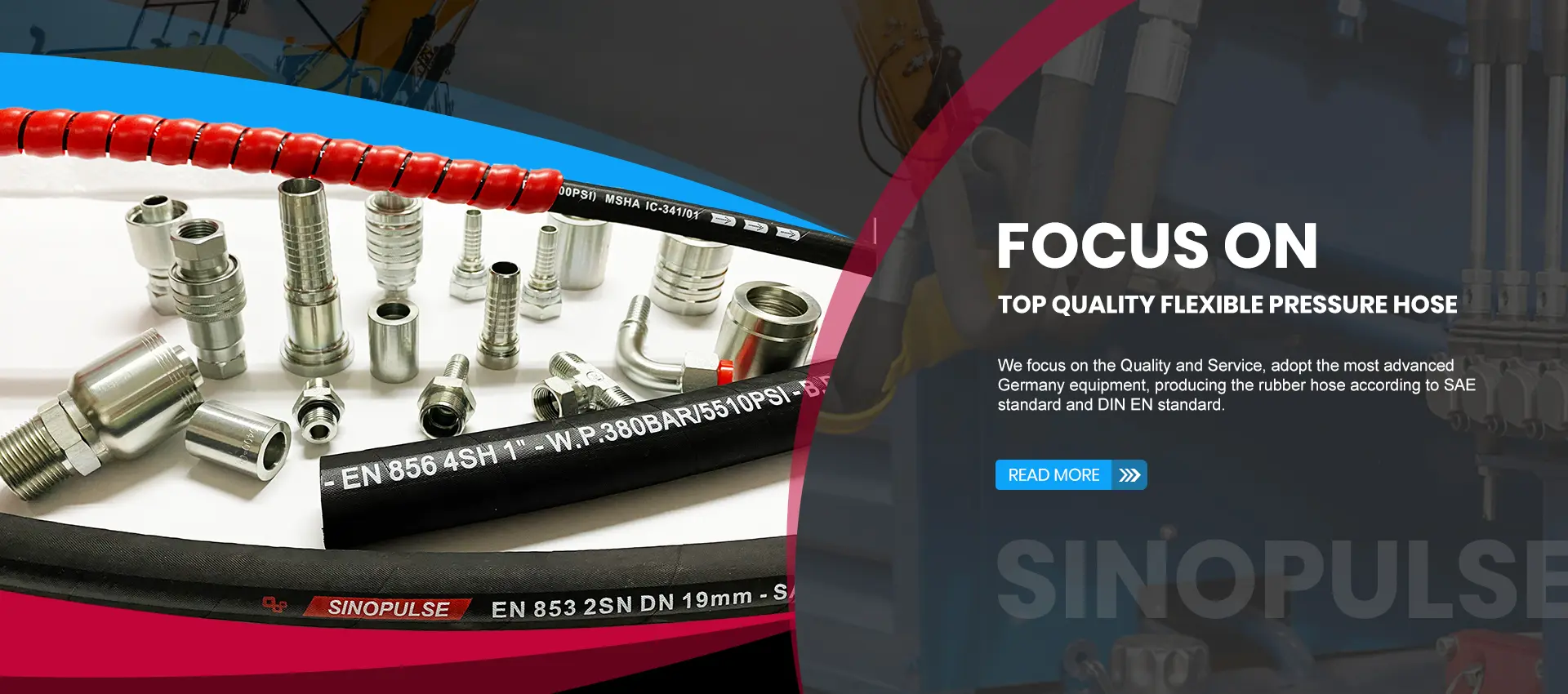
Braided hydraulic rubber hose is a reinforced flexible conduit designed to convey pressurized hydraulic fluid in a wide range of applications, including construction equipment, agricultural machinery, industrial manufacturing, and aerospace systems. Positioned critically within the hydraulic power transmission system, its function is to reliably transfer fluid power from the pump to the actuators, enabling machine operation. Core performance characteristics include pressure rating, temperature range, fluid compatibility, and burst strength. A primary industry pain point is ensuring consistent performance and longevity under demanding conditions – particularly concerning abrasion resistance, impulse pressure withstand, and preventing catastrophic failure due to hose degradation. The selection and proper implementation of braided hydraulic hose directly impact system efficiency, safety, and overall operational costs.
Material Science & Manufacturing
The construction of braided hydraulic rubber hose fundamentally relies on a synergistic combination of materials. The inner tube is typically formulated from a synthetic rubber compound – commonly nitrile rubber (NBR) for petroleum-based fluids, or ethylene propylene diene monomer (EPDM) for phosphate ester fluids. NBR offers excellent resistance to abrasion and oils but limited temperature range. EPDM provides superior temperature resistance and weathering characteristics but has lower oil resistance. The reinforcement layer consists of high-tensile steel wire, spirally or axially braided to impart strength and prevent bursting under pressure. Steel wire selection is crucial; high-carbon steel is typically employed, often with surface treatments like zinc plating for corrosion protection. An outer cover, again typically a synthetic rubber (often Chloroprene), provides abrasion, ozone, and UV resistance. Manufacturing processes begin with rubber compound mixing and extrusion to form the inner tube. Braiding is a critical step, with braid angle and wire density directly impacting pressure capacity. The braid is then encased within the outer cover through a vulcanization process – a chemical curing process involving heat and pressure – which crosslinks the rubber polymers, enhancing their strength, elasticity, and resistance to degradation. Precise control of temperature, pressure, and curing time are essential to ensure consistent material properties and hose integrity. Automated braiding machines and real-time process monitoring are increasingly utilized to enhance quality control. Furthermore, the quality of the steel wire, particularly its tensile strength and fatigue resistance, is paramount. Material certifications and rigorous testing of wire batches are essential to prevent premature failure.
Performance & Engineering
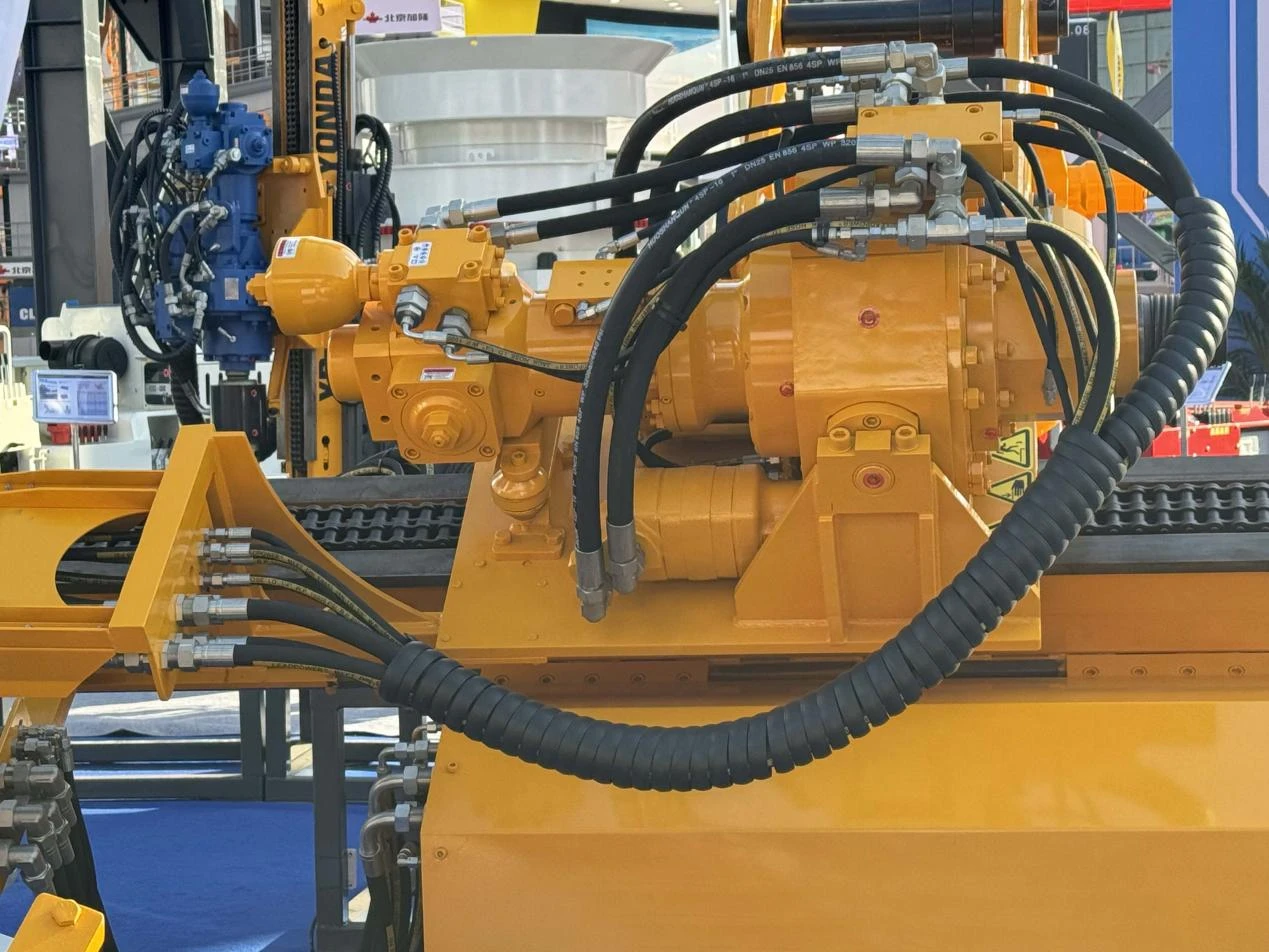
Braided hydraulic hose performance is dictated by a complex interplay of internal pressure, external loads, temperature fluctuations, and fluid compatibility. Force analysis involves calculating hoop stress within the inner tube and tension in the reinforcing braid under maximum operating pressure. The braid angle significantly impacts performance; steeper angles provide higher axial strength, while shallower angles offer greater flexibility. Environmental resistance is a major concern. Exposure to ozone, UV radiation, and extreme temperatures can lead to rubber degradation and reduced hose lifespan. Hose materials must be selected based on the anticipated operating environment. Compliance requirements vary by region and application. Standards such as SAE J517 (USA), EN 853 (Europe), and GB/T 3686 (China) dictate testing procedures, performance criteria, and marking requirements. Functional implementation requires careful consideration of hose routing, bend radius, and fitting compatibility. Excessive bending or kinking can damage the reinforcement and compromise integrity. Impulse pressure, or pressure spikes, is another critical factor, particularly in systems with reciprocating components. The hose must withstand these transient pressure surges without failure. Fatigue life, representing the number of pressure cycles a hose can endure before failure, is a key performance metric, heavily influenced by material properties and operating conditions. Finite element analysis (FEA) is routinely employed during the design phase to optimize hose geometry and reinforcement configuration, predicting stress distributions and ensuring structural integrity under various loading scenarios.
Technical Specifications
| Parameter | Unit | SAE J517 R1AT | SAE J517 R2AT |
|---|---|---|---|
| Working Pressure | psi | 1000 | 2000 |
| Burst Pressure | psi | 3000 | 6000 |
| Temperature Range | °F | -40 to +212 | -40 to +212 |
| Inner Tube | Material | Nitrile Rubber (NBR) | Nitrile Rubber (NBR) |
| Reinforcement | Material | Single Steel Wire Braid | Double Steel Wire Braid |
| Outer Cover | Material | Chloroprene Rubber | Chloroprene Rubber |
Failure Mode & Maintenance
Braided hydraulic hose is susceptible to several failure modes. Fatigue cracking, stemming from repeated pressure cycling, is a common occurrence, initiating in the braid wires and propagating through the rubber matrix. Corrosion, particularly in marine or chemically aggressive environments, can weaken the steel braid and lead to premature failure. Abrasion, caused by rubbing against adjacent components or abrasive materials, can compromise the outer cover, exposing the reinforcement to corrosion and contamination. Kinking and twisting introduce localized stress concentrations, increasing the risk of cracking. Chemical degradation, resulting from incompatibility with the hydraulic fluid, causes swelling, softening, and loss of mechanical properties in the rubber components. Oxidation, due to exposure to high temperatures and oxygen, leads to hardening and cracking of the rubber. Maintenance involves regular visual inspection for signs of abrasion, cracking, bulging, or leakage. Hose connections should be checked for tightness and corrosion. Fluid contamination should be minimized through proper filtration. When replacing a hose, ensure it meets or exceeds the original specifications and is compatible with the hydraulic fluid. Proper installation techniques, including correct bend radius and torque settings for fittings, are crucial. Periodic pressure testing can help identify weakened hoses before they fail catastrophically. Implementing a preventative maintenance schedule based on operating hours or calendar intervals is highly recommended.
Industry FAQ
Q: What is the impact of impulse pressure on braided hose life?
A: Impulse pressure significantly reduces hose lifespan. Each pressure spike introduces cyclical stress, accelerating fatigue failure. Hoses rated for higher impulse pressures incorporate more robust reinforcement and specialized rubber compounds to withstand these transient loads. Proper accumulator use and dampening techniques in the hydraulic system can mitigate impulse pressure effects.
Q: How does temperature affect the performance of hydraulic hose?
A: Temperature extremes degrade rubber compounds. High temperatures accelerate oxidation and cause hardening, reducing flexibility and increasing the risk of cracking. Low temperatures can cause rubber to become brittle, reducing its impact resistance. Selecting a hose with a temperature rating appropriate for the operating environment is crucial.
Q: What is the best material for the inner tube when conveying phosphate ester fluids?
A: EPDM rubber is generally recommended for phosphate ester fluids due to its superior resistance to swelling and degradation compared to NBR. NBR will swell and rapidly deteriorate with phosphate ester exposure, leading to hose failure.
Q: What are the common causes of hose fitting failure?
A: Common causes include improper torque application (over-tightening or under-tightening), corrosion, and contamination. Using the correct torque wrench and following manufacturer’s specifications is essential. Regularly inspecting fittings for corrosion and cleaning them properly can prevent failures. Using proper sealing methods, such as Teflon tape or thread sealant, is also important.
Q: How does the braid angle impact hose flexibility and pressure rating?
A: A shallower braid angle yields greater flexibility, allowing for tighter bend radii, but reduces the axial strength and therefore the pressure rating. A steeper braid angle provides higher pressure capacity and axial strength but sacrifices flexibility. The optimal braid angle is determined by the specific application requirements.
Conclusion
Braided hydraulic rubber hose represents a critical component in hydraulic systems, demanding careful material selection, manufacturing control, and application awareness. Understanding the interplay between material properties, operating conditions, and potential failure modes is paramount to ensuring reliable and safe operation. Selection criteria should prioritize compatibility with the hydraulic fluid, operating temperature and pressure ranges, and environmental exposure.
Continued advancements in rubber compound technology, reinforcement materials (e.g., high-strength steel alloys, synthetic fiber braids), and manufacturing processes are extending hose service life and enhancing performance. Future trends include the development of smart hoses with integrated sensors for real-time monitoring of pressure, temperature, and condition, enabling predictive maintenance and reducing the risk of catastrophic failures. Strict adherence to industry standards and best practices remains essential for long-term reliability.