


apache hydraulic high pressure hose Performance Analysis
Introduction
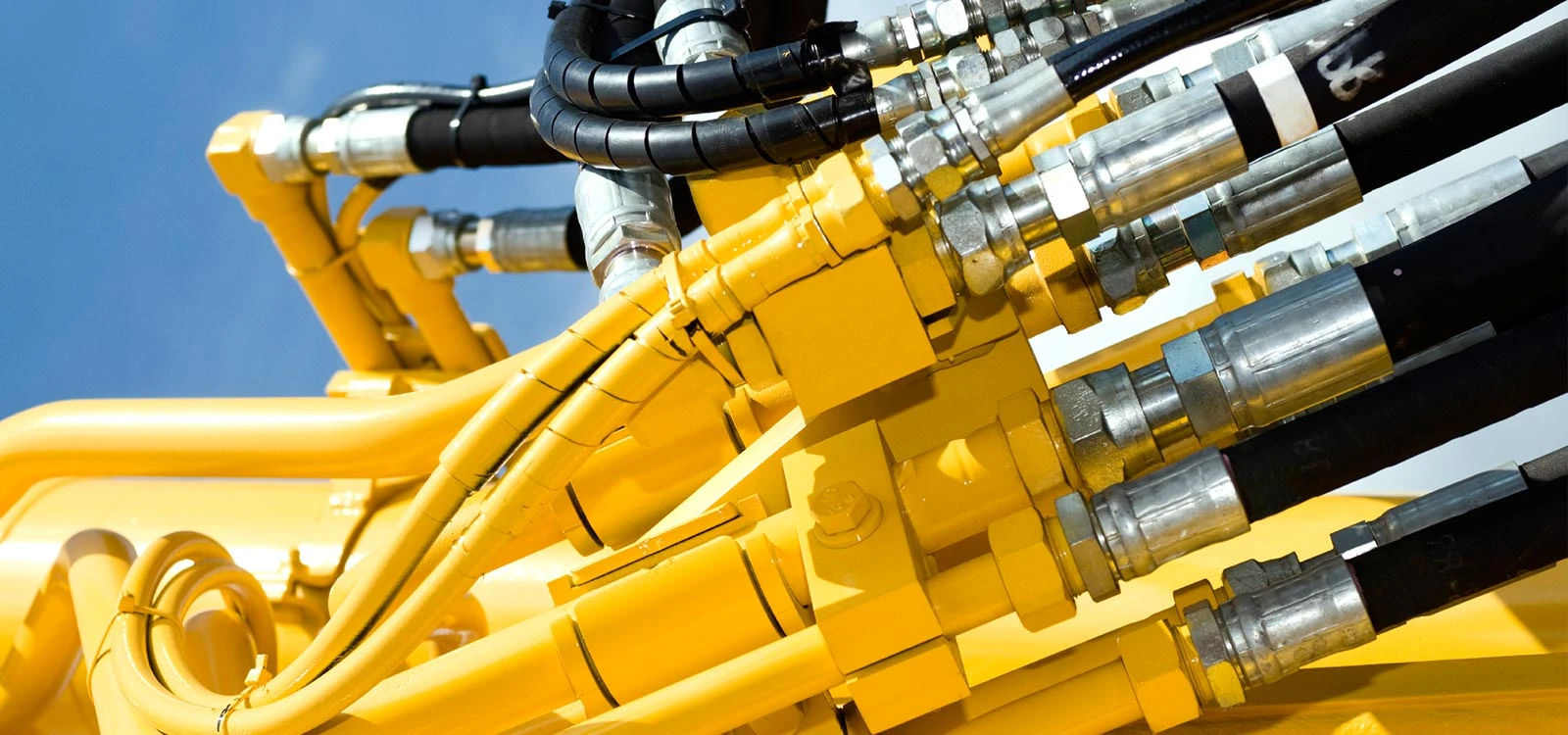
Apache hydraulic high pressure hose constitutes a critical component within fluid power systems, responsible for the safe and efficient transmission of hydraulic fluid under substantial pressures. Positioned within the broader industrial hose segment, it distinguishes itself through its robust construction, designed to withstand demanding operational environments. These hoses are primarily employed in applications requiring high-pressure capability, including construction machinery, agricultural equipment, oil and gas exploration, and industrial manufacturing. Core performance metrics revolve around burst pressure, working pressure, temperature resistance, and fluid compatibility. A significant industry pain point lies in premature hose failure due to improper specification, exceeding pressure limits, or exposure to incompatible fluids, resulting in costly downtime and potential safety hazards. Understanding the interplay between material selection, manufacturing processes, and application-specific requirements is paramount for optimal performance and longevity.
Material Science & Manufacturing
The foundation of Apache hydraulic high pressure hose lies in a carefully selected combination of materials. The inner tube is typically constructed from a specialized synthetic rubber compound, most commonly nitrile rubber (NBR), known for its excellent resistance to petroleum-based hydraulic fluids. Alternatives, such as ethylene propylene diene monomer (EPDM) rubber, are utilized where compatibility with phosphate ester fluids is required. Reinforcement layers are crucial for pressure resistance; these usually consist of multiple plies of high-tensile steel wire, spirally wound or braided, contributing significantly to the hose's burst strength. The outer cover employs a synthetic rubber compound, frequently a chloroprene rubber (CR) blend, providing abrasion, weather, and ozone resistance. Manufacturing involves a multi-stage process. First, the inner tube is extruded to precise dimensions. Subsequent winding or braiding of the reinforcement layers is critical, with tension control meticulously monitored to ensure consistent structural integrity. Finally, the outer cover is applied, followed by vulcanization – a curing process utilizing heat and pressure to crosslink the rubber compounds, imparting elasticity and chemical stability. Key parameters during manufacturing include wire tensile strength, rubber compound hardness (measured in Shore A), and dimensional accuracy. Improper vulcanization can lead to issues like reversion (degradation of rubber properties) or incomplete crosslinking (resulting in reduced strength). Automated inspection systems, including spark testing to detect wire breaks and pressure testing to verify burst strength, are essential quality control measures.
Performance & Engineering
The performance of Apache hydraulic high pressure hose is governed by several key engineering principles. Force analysis focuses on hoop stress within the hose wall due to internal pressure; the reinforcement layers are designed to counteract this stress, preventing expansion and ultimately, rupture. Burst pressure, a critical specification, is typically four times the working pressure, providing a substantial safety factor. Environmental resistance encompasses temperature stability (both high and low extremes), exposure to ozone, UV radiation, and various chemicals. Hose bend radius is another important parameter, minimizing stress concentration and preventing kinking, which can restrict flow and damage the hose. Compliance requirements, dictated by industry standards (detailed in the footer), address safety factors, material traceability, and performance testing protocols. Functional implementation considers factors like hose length, fitting compatibility, and routing to avoid abrasion or excessive bending. Finite element analysis (FEA) is often employed during the design phase to simulate stress distribution under various loading conditions, optimizing reinforcement layer configuration and material selection. Furthermore, the potential for fluid impulse (pressure pulsations) needs to be addressed, as repeated cycles can lead to fatigue failure over time. Selecting fittings with appropriate pressure ratings and utilizing proper crimping techniques are vital to ensure a leak-free and reliable connection.
Technical Specifications
| Parameter | Unit | Typical Value (1" ID Hose) | Test Method |
|---|---|---|---|
| Working Pressure | PSI | 3000 | ISO 3862 |
| Burst Pressure | PSI | 12000 | ISO 3862 |
| Temperature Range | °F | -40 to +212 | ASTM D395 |
| Inner Tube Material | - | Nitrile Rubber (NBR) | ASTM D2000 |
| Reinforcement | - | 4 Spiral Steel Wire | ISO 3862 |
| Outer Cover Material | - | Chloroprene Rubber (CR) | ASTM D2000 |
Failure Mode & Maintenance
Apache hydraulic high pressure hose is susceptible to several failure modes. Fatigue cracking, arising from repeated pressure cycling and bending, is a common issue, initiating at stress concentration points such as fitting crimps or areas of abrasion. Delamination, the separation of reinforcement layers, reduces the hose’s ability to withstand pressure. Degradation of the rubber compounds, caused by exposure to heat, ozone, or incompatible fluids, leads to loss of flexibility and eventual cracking. Oxidation, particularly in the outer cover, results in hardening and brittleness. Pinholes, often caused by internal corrosion or damage from foreign objects, lead to leakage. Maintenance is crucial to prolong hose life. Regular visual inspections should be performed to identify signs of wear, such as cracks, abrasions, or swelling. Hose routing should be checked to ensure proper support and avoid contact with sharp edges or hot surfaces. Fluid compatibility must be verified to prevent chemical attack on the rubber compounds. Correct fitting torque is essential to prevent leakage and damage to the hose ends. If damage is detected, the hose should be replaced immediately. Avoid kinking or sharply bending the hose during installation or operation. Proper storage, away from direct sunlight and extreme temperatures, is also important. A preventative maintenance schedule incorporating these measures significantly reduces the risk of unexpected failures and associated downtime.
Industry FAQ
Q: What is the impact of exceeding the maximum working pressure on hose lifespan?
A: Exceeding the maximum working pressure drastically reduces hose lifespan. Each increment above the specified pressure introduces increased stress on the reinforcement layers, accelerating fatigue cracking and potentially leading to catastrophic failure. Even short-term excursions beyond the limit can cause irreversible damage, compromising the hose’s structural integrity.
Q: How does fluid temperature affect hose performance?
A: Fluid temperature significantly impacts hose performance. Elevated temperatures can degrade rubber compounds, reducing their elasticity and chemical resistance. Low temperatures can cause the rubber to become brittle and less flexible, increasing the risk of cracking during bending. Maintaining fluid temperature within the specified range is crucial for optimal performance.
Q: What is the significance of proper crimping technique when attaching fittings?
A: Proper crimping technique is paramount. Insufficient crimping results in leakage and potential fitting blow-off, while over-crimping can damage the hose reinforcement and weaken its structure. Using calibrated crimping equipment and following the manufacturer’s specifications are essential for a secure and reliable connection.
Q: Can different types of hydraulic fluids be used interchangeably within the same hose?
A: No. Different hydraulic fluids possess varying chemical properties. Using an incompatible fluid can cause the inner tube to swell, soften, or degrade, leading to leakage and hose failure. Always verify fluid compatibility with the hose material before use.
Q: How often should hydraulic hoses be inspected for wear and tear?
A: Hydraulic hoses should be inspected regularly, ideally as part of a preventative maintenance program. The frequency depends on the severity of the operating environment and the hose’s usage. A thorough visual inspection should be performed at least monthly, or more frequently in critical applications. Look for cracks, abrasions, leaks, and any signs of damage.
Conclusion
Apache hydraulic high pressure hose serves as a critical component in countless hydraulic systems, demanding careful consideration of material science, manufacturing precision, and operational parameters. Understanding the interplay between working pressure, temperature limits, fluid compatibility, and potential failure modes is essential for ensuring safe and reliable performance. A proactive approach to maintenance, including regular inspections and adherence to industry best practices, maximizes hose lifespan and minimizes the risk of costly downtime.
The continued development of advanced rubber compounds and reinforcement technologies promises to further enhance the performance and durability of hydraulic hoses, addressing evolving industry needs. Emphasis on standardized testing protocols and rigorous quality control will remain paramount to ensure consistent product reliability and safety. Ultimately, a holistic understanding of the entire system, from fluid properties to fitting selection, is key to maximizing the effectiveness of Apache hydraulic high pressure hose.