


5000 psi hydraulic hose Performance Analysis

Introduction
5000 psi hydraulic hose represents a critical component in fluid power systems across diverse industries, including construction, agriculture, manufacturing, and oil & gas. These hoses are engineered to safely transmit hydraulic fluid at pressures up to 5000 pounds per square inch, enabling the operation of heavy machinery and equipment. Their performance is predicated on a complex interplay of material selection, manufacturing precision, and adherence to stringent industry standards. Unlike lower-pressure hoses often suitable for simpler applications, 5000 psi hoses demand superior burst strength, fatigue resistance, and temperature stability to ensure operational safety and longevity. The selection of an appropriate hose requires careful consideration of fluid compatibility, operating temperature, bending radius, and potential exposure to abrasion or environmental factors. This guide provides a comprehensive technical overview of 5000 psi hydraulic hoses, encompassing material science, manufacturing processes, performance characteristics, failure modes, and relevant industry standards. A core pain point in the industry is premature hose failure due to improper specification, installation, or maintenance leading to costly downtime and potential safety hazards.
Material Science & Manufacturing
The construction of a 5000 psi hydraulic hose typically involves four key layers: the inner tube, reinforcement layers, outer cover, and fittings. The inner tube, which comes into direct contact with the hydraulic fluid, is commonly composed of synthetic rubbers like nitrile (NBR), ethylene propylene diene monomer (EPDM), or fluorocarbon (FKM/Viton). NBR offers good resistance to petroleum-based fluids, EPDM excels in phosphate ester compatibility, and FKM provides superior resistance to high temperatures and aggressive chemicals. The selection is dictated by the specific fluid being conveyed. Reinforcement is crucial for withstanding high pressures and is generally provided by multiple layers of high-tensile steel wire braid. The number of braids directly correlates with the hose's pressure rating – higher pressure hoses feature more braids. Manufacturing this braid layer requires precise winding techniques to ensure uniform coverage and prevent stress concentrations. An intermediate layer of polymer or rubber can be applied to bond the reinforcement to the inner tube and provide a smooth surface for the outer cover. The outer cover, typically made of synthetic rubber (e.g., polyurethane or chloroprene), provides abrasion resistance, weather protection, and resistance to oil and ozone. Finally, the hose ends are fitted with couplings, often made of carbon steel or stainless steel, which are crimped onto the hose to create a secure, leak-proof seal. Parameter control during manufacturing is paramount; consistent braid density, uniform rubber vulcanization, and accurate crimp pressure are essential for achieving reliable performance. Variations in these parameters can lead to premature failure.
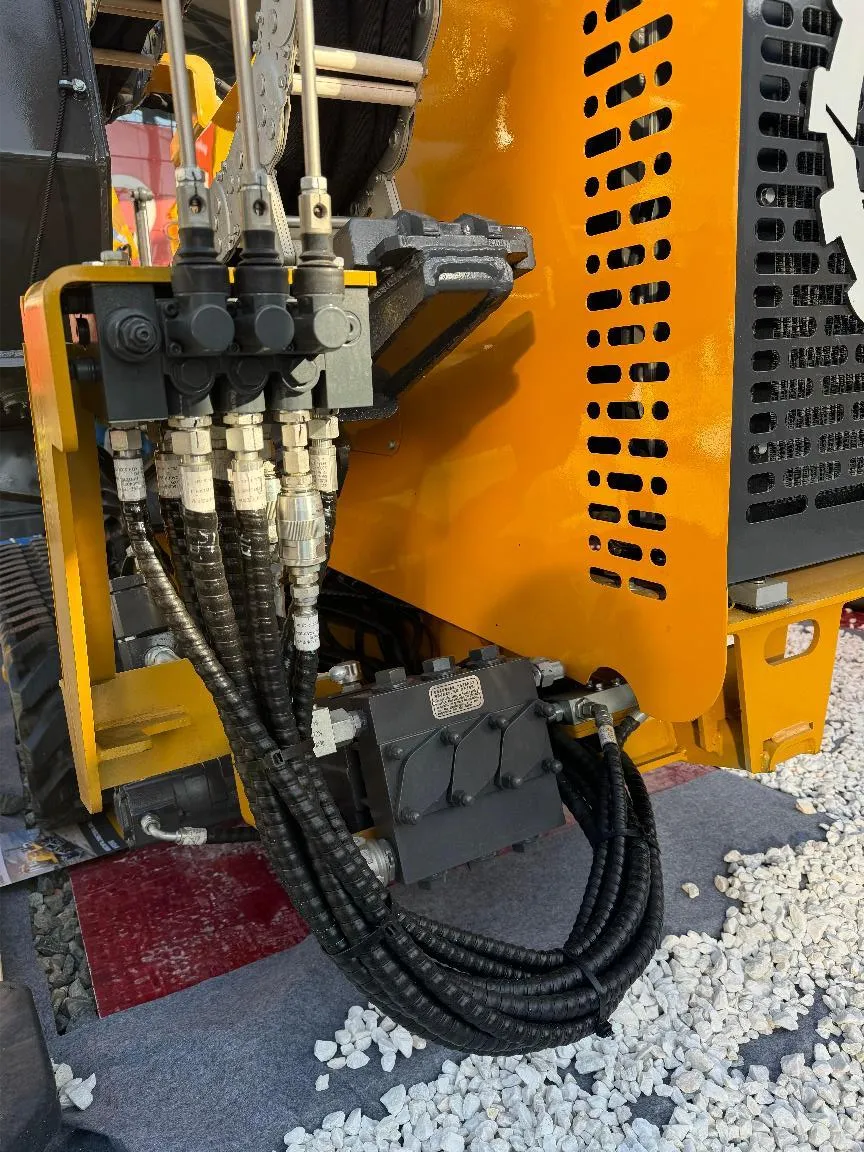
Performance & Engineering
The performance of a 5000 psi hydraulic hose is governed by several key engineering principles. Burst pressure, often four times the working pressure, is a critical safety parameter, determined through hydrostatic testing according to industry standards. Fatigue resistance, the ability to withstand repeated pressure cycles, is crucial for long-term reliability. This is assessed through impulse testing, which simulates the dynamic loading experienced during hydraulic system operation. Bending radius is another vital consideration; exceeding the minimum bending radius can induce stress concentrations and lead to premature failure. The hose’s flexibility is determined by its construction and the materials used. Temperature extremes pose a significant challenge. High temperatures can degrade the rubber components, reducing their elasticity and strength, while low temperatures can make the hose brittle. Fluid compatibility must also be carefully evaluated; incompatible fluids can cause swelling, softening, or cracking of the inner tube. Compliance requirements, such as those stipulated by SAE J517 and EN 853, dictate testing procedures and performance criteria. Force analysis is used to determine the tensile forces exerted on the hose during operation, informing material selection and reinforcement design. Furthermore, consideration must be given to potential external factors, like abrasion from surrounding components or chemical exposure from spills. A common pain point is improper hose routing, creating excessive bending stress and leading to failure.
Technical Specifications
| Parameter | Specification (Typical) | Test Standard | Units |
|---|---|---|---|
| Working Pressure | 5000 | SAE J517 | psi |
| Burst Pressure | 20000 | SAE J517 | psi |
| Inner Tube Material | NBR (Nitrile) | ASTM D2000 | - |
| Reinforcement | 4 Spiral Steel Wire | SAE J517 | Layers |
| Outer Cover Material | Polyurethane | ASTM D2000 | - |
| Temperature Range | -40 to +100 | SAE J517 | °C |
Failure Mode & Maintenance
Failure modes in 5000 psi hydraulic hoses are diverse and often interrelated. Fatigue cracking, originating from repeated pressure cycling and bending, is a common cause of failure, particularly in high-stress areas. Delamination, the separation of layers within the hose wall, can occur due to inadequate bonding between the inner tube, reinforcement, and outer cover. The ingress of moisture can exacerbate delamination and corrosion of the steel reinforcement. External abrasion can wear through the outer cover, exposing the reinforcement to corrosion and ultimately leading to a breach of the hose. Internal degradation of the inner tube can occur due to chemical incompatibility with the hydraulic fluid, causing swelling, softening, or cracking. Oxidation, especially at elevated temperatures, can degrade the rubber components, reducing their flexibility and strength. Fitting failure, often caused by improper crimping or corrosion, is another common failure point. Maintenance strategies include regular visual inspections for signs of wear, abrasion, or leakage. Periodic pressure testing can identify hoses nearing the end of their service life. Proper hose routing to avoid excessive bending and abrasion is critical. Replacing hoses at recommended intervals, based on operating conditions and fluid type, is essential. A crucial preventative measure is to ensure the hydraulic fluid is clean and free of contaminants, as particulate matter can accelerate wear and degradation. Proper storage of hoses, protected from sunlight, ozone, and extreme temperatures, will extend their lifespan. A key failure analysis step involves identifying the root cause of the failure – whether it's material degradation, manufacturing defect, or improper application.
Industry FAQ
Q: What is the significance of the 'dash size' designation in hydraulic hose specification?
A: The 'dash size' (e.g., -6, -8, -10) refers to the inner diameter of the hose in sixteenths of an inch. Therefore, a -8 hose has an inner diameter of 8/16, or 0.5 inches. This directly influences the flow rate capacity of the hose; a larger dash size allows for greater fluid flow, but also generally increases the hose's outer diameter and bending radius.
Q: How does fluid velocity impact the service life of a 5000 psi hydraulic hose?
A: Excessive fluid velocity can significantly reduce hose life. High velocity increases the rate of erosion of the inner tube due to fluid impingement. It also increases heat generation, which can accelerate material degradation. Maintaining fluid velocity within recommended limits, typically specified by the hose manufacturer, is crucial for maximizing hose lifespan.
Q: What are the risks associated with using non-compatible hydraulic fluids in a 5000 psi hose?
A: Using incompatible fluids can cause severe damage to the hose. Some fluids can cause the inner tube to swell, soften, or crack, leading to leakage or failure. Others can react with the rubber compounds, causing them to degrade. Always verify fluid compatibility with the hose manufacturer's specifications before use.
Q: What is the correct procedure for crimping hose fittings onto a 5000 psi hydraulic hose?
A: Proper crimping is paramount. The crimp must be performed using a calibrated crimping machine with the correct die set for the hose and fitting combination. Insufficient crimping can lead to leakage, while over-crimping can damage the hose reinforcement. Following the fitting manufacturer’s crimp specifications is essential.
Q: What is the role of hose guards in protecting 5000 psi hydraulic hoses?
A: Hose guards provide external protection against abrasion, cuts, and impacts. They are particularly important in applications where hoses are routed near moving machinery or exposed to harsh environmental conditions. Hose guards can significantly extend hose life and prevent catastrophic failures.
Conclusion
5000 psi hydraulic hoses are engineered systems demanding a thorough understanding of material science, manufacturing processes, and operational considerations. Their reliable performance is fundamentally linked to the careful selection of materials, precise manufacturing control, and adherence to established industry standards. Failure to adequately address factors such as fluid compatibility, temperature extremes, and mechanical stress can lead to premature failure, resulting in costly downtime and potential safety risks.
Future trends in hydraulic hose technology are focused on developing lighter-weight materials, improving abrasion resistance, and enhancing chemical compatibility. The integration of sensor technologies to monitor hose condition and predict potential failures is also gaining traction. Proper maintenance, including regular inspections and replacement based on operating conditions, remains the cornerstone of ensuring the long-term reliability and safety of 5000 psi hydraulic hose systems.