


4SP/4SH Hydraulic Hose Performance Analysis
Introduction
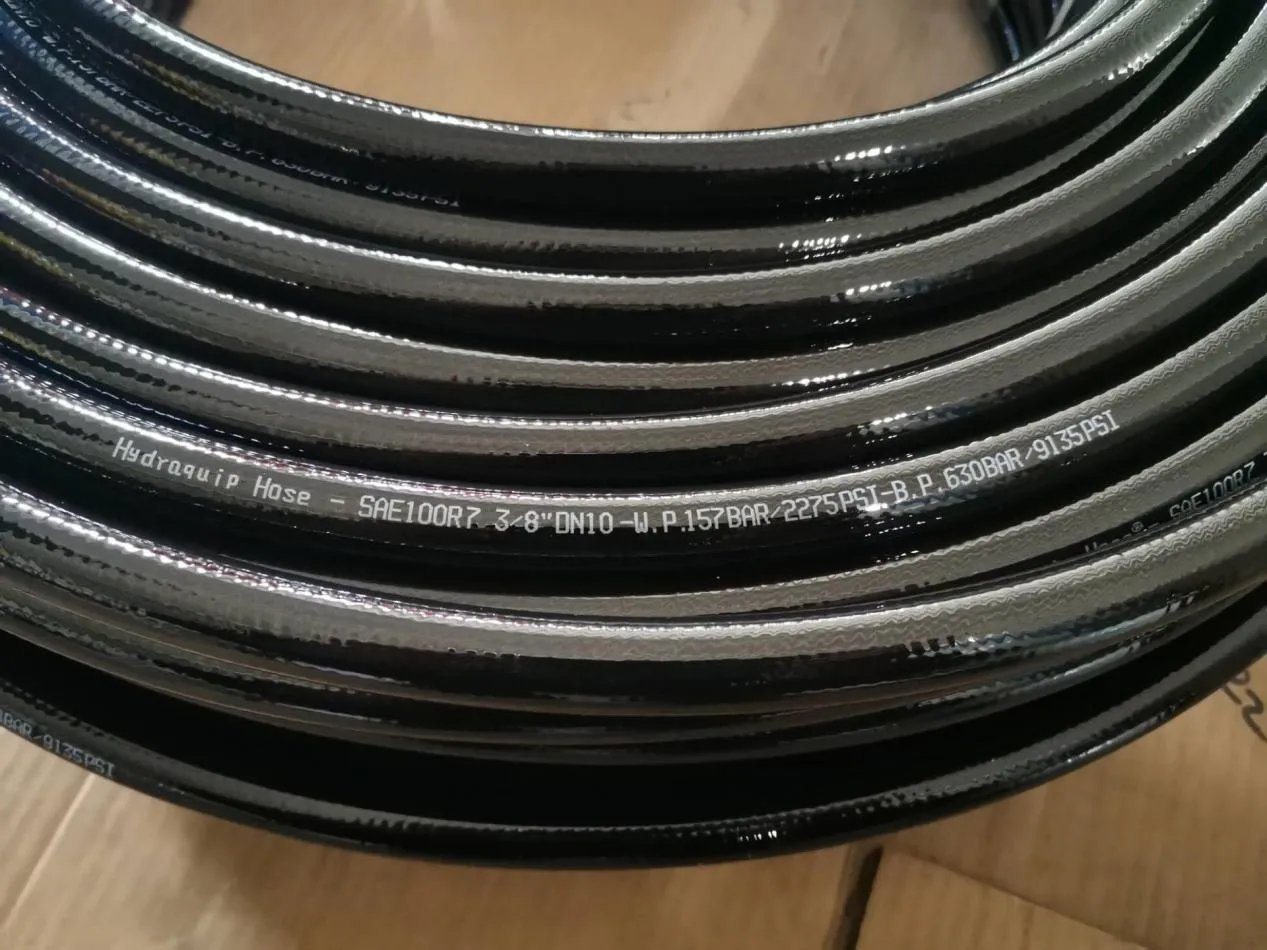
4SP/4SH hydraulic hose represents a critical component in fluid power systems across diverse industries, including construction, agriculture, mining, and manufacturing. These hoses are specifically designed for high-pressure applications, transmitting hydraulic fluid to actuate machinery and perform work. The ‘4SP’ designation indicates a spiral reinforcement construction utilizing multiple steel wire layers for enhanced pressure capability and burst strength, while ‘4SH’ denotes a similar spiral construction but with increased flexibility due to a greater number of steel wire strands. Their technical position within the industrial chain places them as a direct interface between the hydraulic power unit (pump, valves, reservoir) and the hydraulic actuators (cylinders, motors). Core performance characteristics are defined by working pressure, burst pressure, temperature range, fluid compatibility, and abrasion resistance, all of which directly impact system reliability and operational safety. A significant industry pain point is the premature failure of hoses due to improper specification, installation, or maintenance, leading to costly downtime and potential safety hazards. Proper hose selection, considering the specific application demands, is paramount.
Material Science & Manufacturing
The construction of 4SP/4SH hoses relies on a carefully engineered combination of materials. The inner tube is commonly composed of synthetic rubber compounds, specifically Nitrile (NBR) for petroleum-based hydraulic fluids, or Ethylene Propylene Diene Monomer (EPDM) for phosphate ester fluids, offering resistance to fluid degradation and maintaining flexibility across a range of temperatures. The reinforcement layer consists of high-tensile steel wire, typically carbon steel, spiraled around the inner tube. The number of wire layers dictates the hose’s pressure rating – ‘4SP’ typically features 4 spiral layers, while ‘4SH’ may utilize a higher strand count for improved flexibility. An outer cover, usually a blend of synthetic rubbers like Chloroprene (CR) or Polyurethane (PU), provides abrasion, ozone, and weather resistance. Manufacturing begins with extrusion of the inner tube, followed by precise winding of the steel wire reinforcement under tension. The cover is then extruded over the reinforcement, and the hose is cured using a vulcanization process involving heat and pressure. Critical parameters during manufacturing include wire tension uniformity, rubber compound mixing ratios, cure time and temperature, and dimensional accuracy. Maintaining consistent batch-to-batch material properties is essential for ensuring reliable performance.

Performance & Engineering
The performance of 4SP/4SH hoses is governed by fundamental engineering principles related to fluid mechanics and material strength. Force analysis focuses on hoop stress within the hose wall, calculated based on internal fluid pressure and hose diameter. This stress directly correlates to the burst pressure, a critical safety parameter. Environmental resistance is assessed through exposure to temperature extremes, UV radiation, ozone, and various hydraulic fluids. The hose must maintain its physical properties (tensile strength, elongation, hardness) throughout its operational temperature range. Compliance requirements often stem from standards set by organizations like SAE (Society of Automotive Engineers) which define performance criteria for hydraulic hose. Functional implementation necessitates proper hose routing to minimize bending stress and avoid abrasion against surrounding components. Furthermore, the selection of appropriate hose fittings (crimped or swaged) is vital for maintaining a secure and leak-proof connection. A common industry pain point arises from exceeding the minimum bend radius, causing kinking and restricting fluid flow, ultimately leading to premature failure. Proper consideration of impulse pressure (pressure spikes) is also crucial, as repeated pressure surges can significantly reduce hose lifespan.
Technical Specifications
| Parameter | 4SP Hose (Typical) | 4SH Hose (Typical) | Units |
|---|---|---|---|
| Working Pressure | 4,000 psi | 4,000 psi | psi |
| Burst Pressure | 16,000 psi | 16,000 psi | psi |
| Temperature Range | -40°F to +212°F | -40°F to +212°F | °F |
| Inner Tube Material | Nitrile (NBR) | Nitrile (NBR) | - |
| Reinforcement | 4 Spiral Steel Wire | 4 Spiral Steel Wire (High Flex) | - |
| Outer Cover | Synthetic Rubber (CR/PU) | Synthetic Rubber (CR/PU) | - |
Failure Mode & Maintenance
Failure modes in 4SP/4SH hydraulic hoses are often a consequence of exceeding operational limits or neglecting preventative maintenance. Common failure mechanisms include fatigue cracking due to repeated flexing and pressure cycling, particularly near fittings. Delamination can occur if the bonding between the reinforcement layers and the rubber compounds deteriorates, often caused by exposure to high temperatures or incompatible fluids. Abrasion leads to wear of the outer cover, exposing the reinforcement to corrosion. Oxidation of the rubber compounds can cause them to become brittle and lose their elasticity. Internal degradation can result from fluid contamination or incompatibility, leading to swelling and reduced hose strength. Maintenance involves regular visual inspection for signs of wear, cracks, or leaks. Hose routing should be checked to ensure proper support and minimize bending stress. Fluid contamination must be controlled through filtration. Hose replacement should be performed based on a predetermined schedule or when signs of damage are detected. Proper crimping procedures are essential when installing new fittings, ensuring adequate pressure and preventing leakage. A key preventative measure is to utilize hose guards to protect against abrasion in vulnerable areas.
Industry FAQ
Q: What is the primary difference between 4SP and 4SH hose regarding application suitability?
A: While both 4SP and 4SH hoses handle the same working pressure, the 4SH hose is specifically engineered for applications requiring increased flexibility. The higher strand count in the steel wire reinforcement allows for tighter bend radii without kinking, making it ideal for complex routing or situations with limited space. 4SP hoses are generally preferred for straight runs and applications where extreme flexibility isn’t a primary concern.
Q: How does fluid compatibility impact hose lifespan?
A: Fluid incompatibility can drastically reduce hose lifespan. Using a hose with an inner tube material not rated for the specific hydraulic fluid can cause swelling, softening, or cracking of the rubber, leading to leaks and eventual failure. Always verify that the hose inner tube material (NBR, EPDM, etc.) is compatible with the fluid being used.
Q: What are the critical considerations when selecting hose fittings?
A: The fitting must be correctly sized for the hose and application. The fitting material should be compatible with both the hose and the fluid. Proper crimping or swaging is vital to ensure a secure and leak-proof connection. Using substandard fittings or incorrect crimping procedures is a major cause of hose failure.
Q: How can impulse pressure affect hose durability?
A: Impulse pressure, or pressure spikes, generates dynamic stress within the hose. Repeated impulse loads can lead to fatigue failure of the reinforcement layers. Using hoses specifically rated for impulse pressure applications, and employing surge suppressors in the hydraulic system, can mitigate this risk.
Q: What are best practices for storing hydraulic hoses to prevent degradation?
A: Hydraulic hoses should be stored in a cool, dry, and dark environment, away from direct sunlight, ozone sources, and extreme temperatures. Hoses should be stored coiled loosely, avoiding sharp bends. It’s also crucial to protect them from physical damage and contamination during storage.
Conclusion
4SP/4SH hydraulic hoses are indispensable components in numerous industrial applications, demanding a thorough understanding of their material science, manufacturing processes, and performance characteristics. Proper hose selection, guided by application-specific parameters such as pressure, temperature, fluid compatibility, and flexibility requirements, is fundamental to ensuring system reliability and operational safety. Furthermore, diligent preventative maintenance, including regular inspections, fluid monitoring, and adherence to recommended replacement schedules, is crucial for maximizing hose lifespan and minimizing the risk of costly downtime and potential hazards.
Looking ahead, advancements in materials science will likely yield hydraulic hoses with enhanced durability, broader fluid compatibility, and improved resistance to extreme conditions. The integration of sensor technology within the hose structure could enable real-time monitoring of pressure, temperature, and structural integrity, facilitating predictive maintenance and optimizing system performance. Continued adherence to industry standards and best practices, combined with innovative solutions, will be essential for addressing the evolving demands of hydraulic power systems.