


1 inch id rubber hose Performance Analysis
Introduction
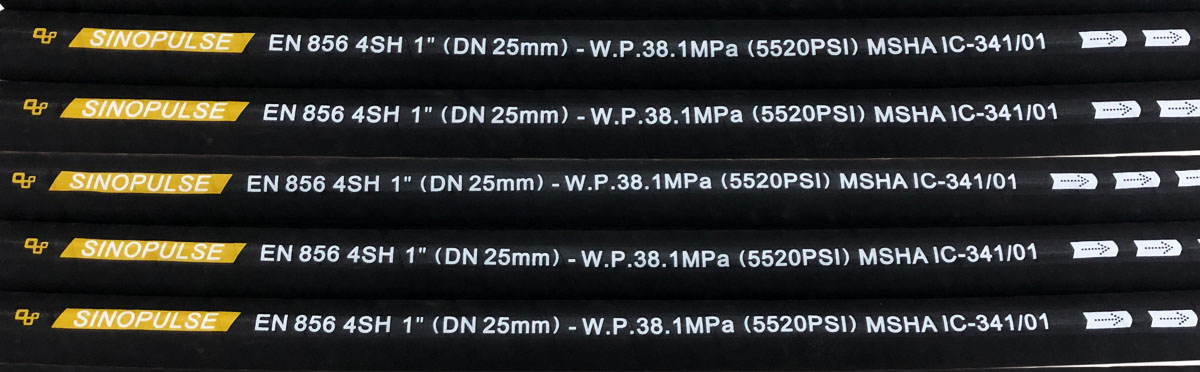
A 1-inch internal diameter (ID) rubber hose is a flexible conduit designed for the transfer of fluids, gases, or particulate matter across a wide range of industrial and commercial applications. Positioned within the broader fluid transfer industry, it serves as a critical component in hydraulic systems, water delivery networks, chemical processing plants, agricultural irrigation, and numerous manufacturing processes. Its core performance characteristics—defined by pressure rating, temperature resistance, chemical compatibility, and flexibility—dictate its suitability for specific operational environments. The selection criteria involve a nuanced understanding of the conveyed medium, operating pressures, environmental conditions, and adherence to relevant safety standards. Common materials include synthetic rubbers like EPDM, nitrile, and neoprene, chosen for their specific chemical and physical properties. The increasing demand for higher performance, longer service life, and enhanced safety features drives ongoing innovation in rubber hose technology, particularly concerning reinforcement materials and manufacturing techniques.
Material Science & Manufacturing
The core material for a 1-inch ID rubber hose is typically a synthetic rubber compound. EPDM (ethylene propylene diene monomer) rubber is widely used for water and steam applications due to its excellent resistance to heat, ozone, and weathering. Nitrile rubber (NBR) offers superior oil and fuel resistance, making it ideal for hydraulic and automotive applications. Neoprene (polychloroprene) provides a balance of properties, including resistance to oils, chemicals, and abrasion. The selection depends critically on the fluid being conveyed. Beyond the rubber matrix, reinforcement layers are crucial. These commonly involve textile braids (typically polyester or nylon) or spiraled steel wire. Textile reinforcement provides burst pressure resistance and flexibility, while steel wire offers significantly higher pressure capabilities and structural integrity. Manufacturing commences with the compounding of the rubber, incorporating fillers (carbon black, silica) for reinforcement, plasticizers for flexibility, and curing agents to initiate vulcanization. This mixture is then extruded through a die to create a seamless tube. Reinforcement layers are applied during or immediately after extrusion, followed by a protective outer cover. Vulcanization, a thermal process, cross-links the rubber molecules, conferring elasticity, strength, and resistance to degradation. Precise temperature control during vulcanization is paramount to achieve optimal physical properties. Post-vulcanization, the hose undergoes quality control checks, including pressure testing, dimensional inspection, and visual assessment for defects. The homogeneity of the rubber compound, the tension of the reinforcement layers, and the consistency of the vulcanization process are key parameters monitored throughout production.
Performance & Engineering
The performance of a 1-inch ID rubber hose is governed by several critical engineering parameters. Burst pressure, defined as the pressure at which the hose fails catastrophically, is a primary specification, typically exceeding the working pressure by a substantial safety factor (e.g., 4:1). Working pressure is the maximum sustained pressure under normal operating conditions. Tensile strength, measured in PSI or MPa, indicates the hose's resistance to stretching and tearing. Elongation at break quantifies the amount of stretch before failure. Flexibility, or bend radius, is essential for installation and operation in confined spaces. Environmental resistance encompasses temperature range (both operating and storage), UV exposure, and resistance to ozone and chemical attack. Fluid compatibility is paramount; prolonged exposure to incompatible fluids can cause swelling, degradation, or permeation. The hose’s wall construction influences these parameters. Higher reinforcement density increases burst pressure but reduces flexibility. Selecting the appropriate rubber compound dictates chemical compatibility and temperature resistance. Failure analysis often points to fatigue failure from repeated pressure cycling, leading to crack propagation in the reinforcement layers or rubber matrix. Finite element analysis (FEA) is frequently employed during the design phase to predict stress distribution under various loading conditions and optimize hose construction for specific applications. Compliance requirements, such as those mandated by SAE (Society of Automotive Engineers) or ISO (International Organization for Standardization), dictate testing procedures and performance standards.
Technical Specifications
| Parameter | Unit | Typical Value (EPDM, Textile Reinforced) | Typical Value (Nitrile, Steel Wire Reinforced) |
|---|---|---|---|
| Inner Diameter | inches | 1.00 | 1.00 |
| Working Pressure | PSI | 200 | 500 |
| Burst Pressure | PSI | 800 | 2000 |
| Temperature Range | °F | -40 to 212 | -40 to 250 |
| Tensile Strength | PSI | 1500 | 2500 |
| Minimum Bend Radius | inches | 6 | 8 |
Failure Mode & Maintenance
Common failure modes for 1-inch ID rubber hoses include burst failure due to exceeding pressure limits, fatigue cracking from repeated flexing and pressure cycling, permeation leading to fluid loss and weakening of the hose wall, and degradation from chemical attack, ozone exposure, or UV radiation. Abrasion from contact with abrasive surfaces can also lead to failure. In steel-wire reinforced hoses, corrosion of the steel wire can compromise its integrity, initiating cracks. Failure analysis typically reveals the root cause; for example, localized swelling due to incompatible fluids can concentrate stresses, accelerating crack propagation. Delamination, the separation of reinforcement layers from the rubber matrix, is often a precursor to burst failure. Preventative maintenance is crucial. Regular visual inspections should be conducted to identify signs of cracking, abrasion, swelling, or discoloration. Hoses should be replaced if any damage is detected. Pressure testing can verify the hose’s integrity. Avoid exceeding the maximum working pressure. Store hoses in a cool, dry, and dark environment to minimize degradation. When handling, avoid sharp bends and twisting. Proper routing and support can prevent abrasion and fatigue. For hoses conveying abrasive fluids, consider using hoses with abrasion-resistant liners. Ensure compatibility between the hose material and the conveyed fluid. Periodic replacement, based on service life and operating conditions, is a best practice to mitigate risk.
Industry FAQ
Q: What is the impact of fluid velocity on the lifespan of a rubber hose?
A: Higher fluid velocity increases the risk of erosion and fatigue failure. Increased velocity causes greater mechanical stress on the hose wall due to fluid impact and turbulence. This accelerates wear, particularly in areas of high flow restriction, such as bends or fittings. Carefully selecting a hose with a suitable pressure rating and internal diameter to maintain an optimal flow velocity is crucial.
Q: How does ozone affect rubber hose performance?
A: Ozone is a powerful oxidizing agent that attacks unsaturated bonds in rubber compounds, leading to cracking and loss of elasticity. EPDM rubber is generally more resistant to ozone than natural rubber or nitrile. Exposure to ozone is particularly problematic in environments with electrical equipment or UV radiation, which generate ozone. Protective coatings or ozone-resistant rubber formulations can mitigate this effect.
Q: What is the significance of the reinforcement layer in a rubber hose?
A: The reinforcement layer provides the primary structural support, enabling the hose to withstand high pressures without bursting. Textile braids (polyester, nylon) offer flexibility and moderate pressure resistance. Steel wire reinforcement provides significantly higher burst pressure capabilities, but reduces flexibility. The type and density of the reinforcement layer directly impact the hose’s performance characteristics.
Q: Can a rubber hose be repaired if it develops a small leak?
A: Generally, repairing a rubber hose is not recommended for critical applications. Even small leaks can indicate significant structural damage. Repairs are often temporary and may compromise the hose’s integrity, leading to catastrophic failure. Replacement is the preferred course of action, especially in hydraulic or high-pressure systems.
Q: What are the key considerations when selecting a rubber hose for chemical transfer?
A: Chemical compatibility is paramount. The rubber compound must be resistant to the specific chemical being conveyed to prevent swelling, degradation, or permeation. Consult chemical resistance charts and material safety data sheets (MSDS) to ensure compatibility. Consider the concentration of the chemical, temperature, and duration of exposure. Also, verify that the hose meets any relevant regulatory requirements for chemical handling.
Conclusion
The selection and implementation of a 1-inch ID rubber hose require a comprehensive understanding of material science, engineering principles, and operational demands. Optimizing performance hinges on accurately matching the hose’s properties – pressure rating, temperature resistance, chemical compatibility, and reinforcement structure – to the specific application. A proactive approach to preventative maintenance, including regular inspection and timely replacement, is essential to mitigate failure risks and ensure long-term reliability.
Continued advancements in rubber compound technology and manufacturing processes promise enhanced hose performance, durability, and safety. Future development will likely focus on innovative reinforcement materials, self-healing polymers, and integrated sensor systems for real-time monitoring of hose condition. Adhering to established industry standards and implementing rigorous quality control procedures remain critical for ensuring the integrity and reliability of these vital fluid transfer components.